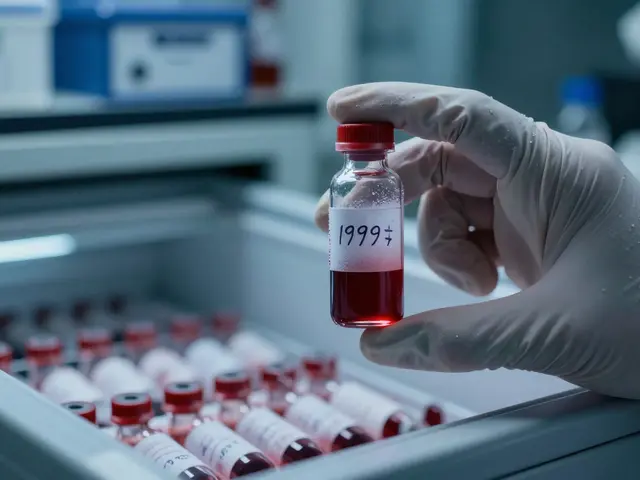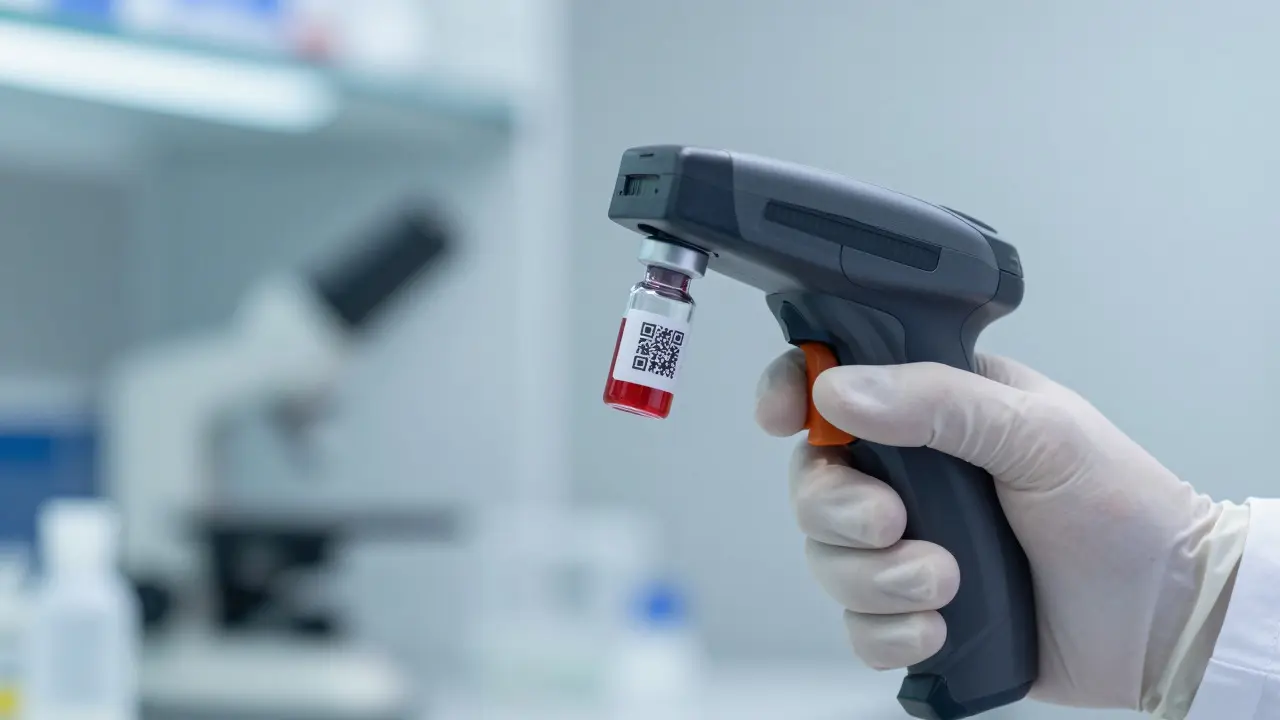
Imagine a defense attorney pointing at a blood sample in court and asking, "Who touched this vial between the crime scene and the lab?" If your answer involves flipping through handwritten logs or searching for a missing signature, you’re on shaky ground. In 2026, Chain of Custody is no longer just about paper trails; it’s about immutable digital records powered by evidence barcoding. The shift from manual logging to automated tracking isn’t just a convenience-it’s a necessity for maintaining evidentiary integrity in high-volume casework.
The Problem with Paper Trails
For decades, forensic labs relied on physical logbooks. Every time an item changed hands, someone had to write down the date, time, name, and purpose of transfer. It sounds simple until you handle hundreds of items a day. Human error creeps in fast. A missed initial, a smudged ink mark, or a forgotten entry can create gaps that prosecutors struggle to explain. According to the National Institute of Justice, documentation errors remain one of the top reasons for evidence exclusion in criminal trials. When you automate the process, you eliminate the human variable entirely. The system records the transfer the moment a barcode is scanned, creating a timestamped record that is hard to dispute.
How Barcoding Changes the Workflow
Evidence barcoding works by assigning a unique identifier to every piece of evidence. This could be a QR code, a Data Matrix symbol, or a standard linear barcode printed on a tamper-evident label. Once attached, the label becomes the digital twin of the physical item. When an investigator scans the code at intake, the system links the physical object to its digital record in the Laboratory Information Management System (LIMS). From that point on, every movement is tracked automatically. No more typing names. No more worrying about legibility. Just scan, verify, and move on.
The technology behind these labels has evolved significantly. Modern thermal printers produce durable codes that withstand rough handling, moisture, and temperature changes. Unlike older inkjet labels that might fade or smear, today’s barcodes are designed for industrial use. They stick firmly to glass vials, plastic bags, and metal containers. This durability ensures that the link between the physical evidence and the digital record remains intact throughout the case lifecycle, which can last years or even decades.
Key Components of an Automated System
Setting up an automated chain of custody system requires more than just buying scanners. You need a cohesive ecosystem of hardware and software that works together seamlessly. Here are the core components you’ll need:
- Laboratory Information Management System (LIMS): The central database that stores all evidence records, test results, and user permissions. It acts as the brain of the operation.
- Barcode Scanners: Handheld or fixed devices that read the codes. Wireless scanners are preferred for mobility within the lab and storage areas.
- Label Printers: Industrial-grade thermal or direct thermal printers capable of printing high-contrast, scannable codes quickly.
- Tamper-Evident Labels: Specialized adhesive labels that show signs if they’ve been removed or altered, adding a layer of physical security to the digital trail.
- User Authentication: Biometric scanners or badge readers that ensure only authorized personnel can access specific evidence types.
Each component plays a critical role. If your LIMS isn’t integrated with your scanner, you’re just collecting data points without context. If your labels aren’t tamper-evident, a determined thief could swap items without triggering a digital alert. The strength of your system lies in how well these parts communicate with each other.
Implementing the System: A Step-by-Step Guide
Rolling out barcoding in a busy lab takes planning. You don’t want to disrupt daily operations while migrating to a new system. Start by auditing your current inventory. Identify where bottlenecks exist. Usually, intake and release are the most painful points. Focus your automation efforts there first. Next, choose a labeling format that fits your existing infrastructure. Most modern LIMS platforms support multiple formats, but consistency is key. Pick one type of code and stick with it across all departments to avoid confusion.
- Audit Current Processes: Map out every step an item takes from intake to disposition. Identify where manual entry occurs.
- Select Hardware: Choose scanners and printers that integrate easily with your chosen LIMS. Test them with different label materials before committing.
- Pilot Program: Run the new system in one department, such as toxicology or DNA analysis, for three months. Gather feedback from staff on usability and speed.
- Train Staff: Conduct hands-on training sessions. Emphasize that scanning is now mandatory for every transfer. Make it part of the daily routine.
- Full Rollout: Expand to all departments once the pilot proves successful. Monitor error rates closely during the first month of full operation.
During the pilot phase, expect some resistance. Staff who have used paper logs for twenty years may feel threatened by technology. Show them the benefits: less paperwork, fewer errors, and faster turnaround times. When they see their own workload decrease, adoption becomes much smoother.
Benefits Beyond Error Reduction
While reducing human error is the primary goal, automated chain of custody offers other significant advantages. First, it speeds up case processing. Investigators can retrieve history reports instantly instead of digging through boxes of files. Second, it improves audit readiness. During accreditation inspections, auditors love clean, digital records. You can generate comprehensive reports in seconds, showing exactly who handled what and when. Third, it enhances collaboration. When multiple agencies share evidence, digital records make it easier to verify authenticity across jurisdictional lines. A prosecutor in one county can trust a scan from a lab in another because the data is standardized and verified.
There’s also a cost angle. While the upfront investment in hardware and software can be steep, the long-term savings are substantial. You reduce the need for physical storage space for logbooks. You cut down on administrative staff hours spent reconciling discrepancies. Over five years, many labs report a return on investment that exceeds the initial setup costs.

Common Pitfalls to Avoid
Even with the best intentions, implementation can go wrong. One common mistake is poor label placement. If the barcode is covered by tape or hidden under a lid, scanners won’t read it. Establish clear guidelines for where labels should be placed on different types of containers. Another pitfall is neglecting backup systems. If your network goes down, do your scanners still work? Ensure your hardware supports offline mode so data can be synced later. Finally, don’t ignore legacy data. Migrating old paper records into the digital system is tedious but necessary. Without historical data, you lose continuity for long-running cases.
| Feature | Manual Logbooks | Automated Barcoding |
|---|---|---|
| Error Rate | High (5-10% of entries) | Very Low (<1% of entries) |
| Search Time | Minutes to Hours | Seconds |
| Audit Readiness | Difficult and Time-Consuming | Instant Report Generation |
| Cost per Transaction | Low Initial, High Labor Cost | High Initial, Low Operational Cost |
| Scalability | Poor (Requires More Staff) | Excellent (Handles Volume Easily) |
The Future of Digital Evidence Tracking
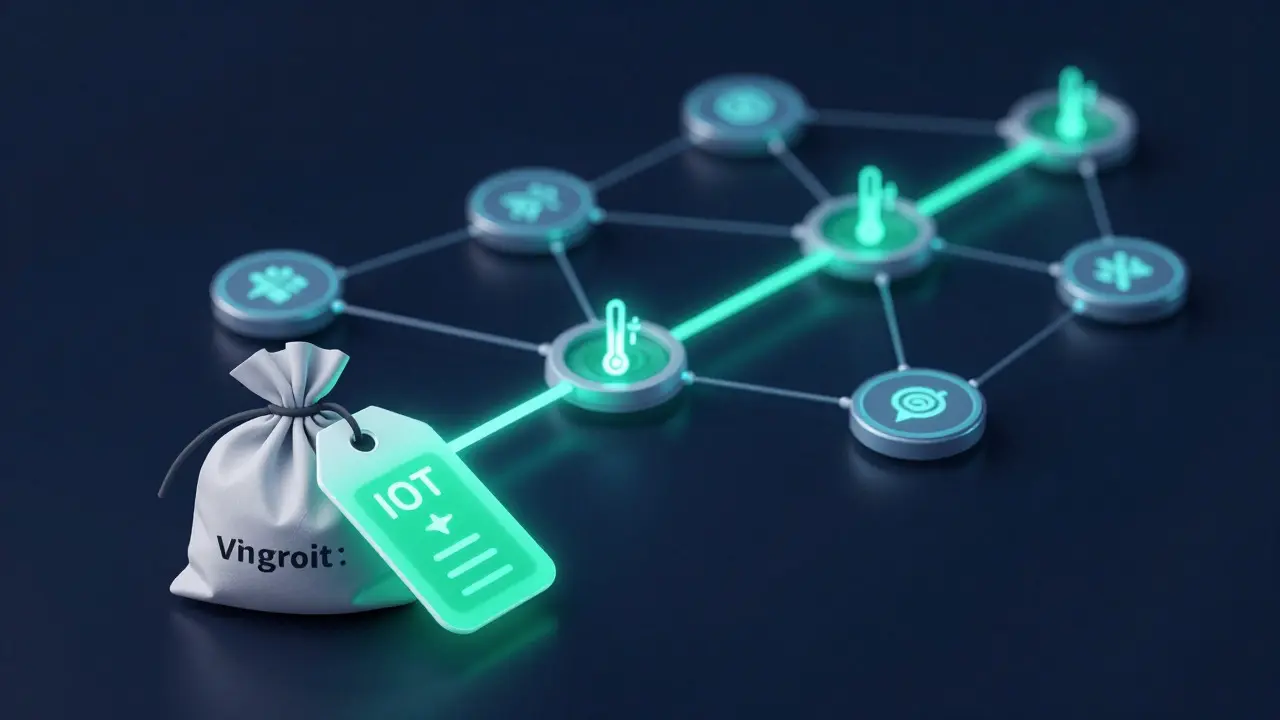
As we move deeper into 2026, the integration of IoT sensors with barcoding is becoming more common. Imagine a smart tag that not only tracks location but also monitors temperature and humidity in real-time. For sensitive biological evidence, this adds another layer of assurance. If a sample gets too warm, the system alerts you immediately, preserving the integrity of the material. Blockchain technology is also being explored to create decentralized ledgers of custody, making records virtually impossible to alter retroactively. These advancements will further solidify the role of digital tracking in forensic science.
But technology is only half the equation. Culture matters. Your lab needs to embrace a mindset of continuous improvement. Regularly review your scan data to identify patterns. Are certain users consistently slow? Are specific items frequently lost? Use the data to refine your processes. The goal isn’t just to digitize the past; it’s to build a smarter, more resilient future for evidence management.
Frequently Asked Questions
What is the best type of barcode for forensic evidence?
QR codes and Data Matrix codes are generally preferred over linear barcodes. They hold more data in a smaller space and are more resistant to damage. Linear barcodes are fine for simple identification, but 2D codes allow you to embed additional metadata like case numbers directly into the image.
How do I handle evidence that doesn't fit on a standard label?
For large or irregular items, use tethered tags or wire-tie labels. These attach securely to the item without requiring a flat surface. Alternatively, you can place the barcode on the container itself rather than the item, ensuring the code is always visible and scannable.
Is cloud-based LIMS better than on-premise for chain of custody?
Cloud-based systems offer easier updates and remote access, which is great for multi-site agencies. However, on-premise solutions provide greater control over data security and offline capabilities. Many labs use a hybrid approach, keeping critical data local while syncing to the cloud for backup and reporting.
What happens if a barcode gets damaged?
Always keep a backup method of identification, such as a unique alphanumeric ID number printed next to the barcode. If the code fails to scan, staff can manually enter the ID into the system. This redundancy ensures that a single damaged label doesn’t halt the entire process.
How long does it take to implement a barcoding system in a medium-sized lab?
A typical implementation takes 3 to 6 months. The first month is for planning and hardware selection. The next two months cover installation and pilot testing. The final phase involves full rollout and staff training. Larger labs with complex workflows may take up to a year.