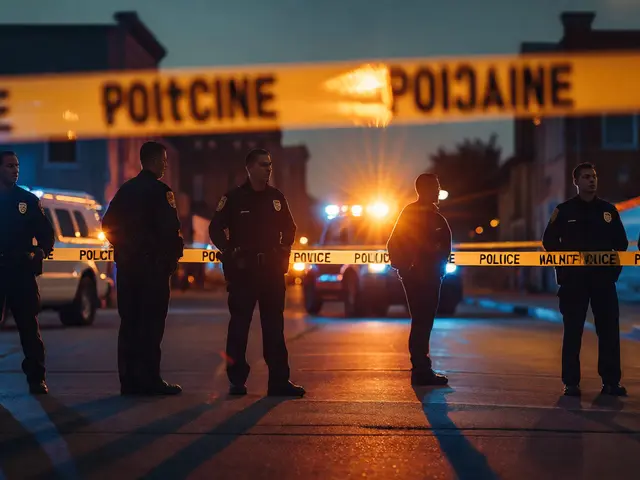
Waiting two weeks to file a missing person report is a myth that costs lives. In reality, the first 48 hours after someone disappears are the most critical window for resolution. Whether it’s a child wandering off or an adult with dementia, every hour counts. Law enforcement protocols have shifted dramatically in recent years, moving away from waiting periods toward immediate action. Understanding what happens during this initial phase helps families advocate for their loved ones and supports investigators in gathering fresh evidence before it vanishes.
Why the First Two Days Matter Most
Statistically, the majority of missing person cases are resolved within the first few days. According to data from the National Center for Missing & Exploited Children (NCMEC), children are typically found within 24 to 72 hours. For adults, the pattern holds true if the disappearance is suspicious or involves vulnerability. The reason is simple: physical evidence degrades rapidly. Footprints wash away, digital footprints get overwritten, and witnesses forget details. If you wait, you lose the chance to reconstruct the last known movements accurately.
The "golden period" isn't just about speed; it's about preserving context. A phone left on a table might still be powered on. A car door might still be unlocked. These small details can distinguish between a voluntary departure and a crime. Investigators rely on this fresh state of affairs to build a timeline that stands up to scrutiny later.
Immediate Family Actions: What To Do Before Police Arrive
When you realize someone is missing, panic is natural, but chaos is dangerous. Your first job is to preserve the scene without altering it. Do not clean the house. Do not move furniture. Do not log into their email or social media accounts unless instructed otherwise. These actions can destroy digital metadata that proves where they were at specific times.
- Check common places: Garage, backyard, neighbor's houses, local parks. Sometimes people simply wander off due to confusion or memory issues.
- Gather personal items: Collect clothing, shoes, and bags. Note what is missing. This helps determine if they took essentials like medication or cash.
- Secure the vehicle: Check the gas tank level. Check the mileage. Look for damage. Take photos of the interior and exterior immediately.
- Document the last contact: Write down exactly when you last saw them, what they said, and who else was present. Include emotional state and any unusual behavior.
If you find something odd-a broken window, a muddy shoe-take a photo before touching anything. This preserves the chain of custody for potential forensic analysis.
The Role of Law Enforcement in the Initial Response
Modern police departments treat missing persons as high-priority incidents, especially for children, elderly, and vulnerable adults. The responding officer will conduct a rapid interview. They need a complete picture, not just highlights. Be prepared to answer questions about relationships, finances, health history, and daily routines.
Officers often deploy resources quickly. This includes checking hospital emergency rooms, nursing homes, and shelters. They may also request a warrant to search the home if there is suspicion of foul play. Unlike burglary investigations, where evidence collection takes precedence, missing person searches prioritize locating the individual. This means sweeping large areas with K-9 units, helicopters, and ground teams.
It is crucial to cooperate fully. Withholding information because you think it looks bad can delay the search. Investigators are trained to look for patterns, not to judge character. If there was an argument, say so. If there were financial disputes, mention them. Context is king in these early hours.

Digital Evidence: The Invisible Trail
In the digital age, your phone is a witness. Cell tower pings, GPS locations, and app usage logs create a trail that can pinpoint a location within minutes. However, this data is fragile. Cloud backups overwrite local files. Phone manufacturers may reset devices after a certain number of failed passcode attempts.
Investigators will likely request access to cloud accounts like iCloud, Google Drive, or Dropbox. You should provide passwords willingly. Also, check smart home devices. Smart locks record entry/exit times. Video doorbells capture faces. Even smart speakers might have recorded conversations if they heard a wake word.
| Evidence Type | Decay Rate | Preservation Action | Investigative Value |
|---|---|---|---|
| Footprints | High (weather-dependent) | Cover with tarps, avoid walking over | Direction of travel, shoe size |
| Phone Location Data | Medium (cloud sync) | Airplane mode, secure password | Precise last known location |
| Vehicle Mileage | Low (mechanical) | Do not drive, note odometer | Distance traveled since last use |
| Witness Memory | High (psychological) | Interview immediately, record video | Last sighting details, demeanor |
Media Strategy: When to Go Public
Should you post on social media immediately? Often, yes. But do it strategically. Create a dedicated page or hashtag. Use clear, recent photos. Avoid speculation in the caption. Let the facts speak. Social media mobilizes community eyes faster than any police patrol. Neighbors often see things officers miss because they are already out and about.
Contact local news outlets once the police confirm the case is active. Media coverage increases public awareness significantly. However, coordinate with investigators to ensure release forms are signed. Unauthorized releases can sometimes complicate legal proceedings, though rarely does it hurt the search itself.

Common Pitfalls That Delay Resolution
Families often make mistakes that inadvertently hinder the process. Here are the top three to avoid:
- Waiting to report: Assuming the person will come home. Every hour of delay reduces the probability of a quick find.
- Altering the scene: Cleaning up, moving cars, or resetting phones destroys critical data points.
- Limited communication: Telling only close friends instead of widening the net. Information needs to flow fast.
Another subtle mistake is focusing too narrowly on one theory. If you assume they ran away, you might ignore signs of abduction. If you assume they were abducted, you might overlook voluntary flight. Keep an open mind and let the evidence guide the direction.
Supporting the Search Effort
After the initial response, the focus shifts to sustained effort. Families should designate a single point of contact for media and volunteers to prevent misinformation. Keep a log of all calls, leads, and sightings. This documentation becomes invaluable if the case goes cold or if new evidence emerges weeks later.
Rest is essential. Exhaustion leads to poor decision-making. Rotate duties among family members. Eat regularly. Sleep when possible. The first 48 hours are a marathon, not a sprint. Maintaining clarity ensures you can support investigators effectively as the search expands beyond the immediate vicinity.
How long should I wait before calling the police?
Call immediately. There is no mandatory waiting period for children, elderly, or vulnerable adults. For healthy adults, while some jurisdictions historically required 24 hours, best practice now favors immediate reporting to maximize the search window.
What should I bring to the police station?
Bring a recent photo (within the last 6 months), a list of medical conditions, medications, insurance info, and any relevant documents like marriage certificates or court orders. Have their phone numbers and passwords ready.
Can police search my house without a warrant?
If you consent, they can search freely. If you do not consent, they generally need a warrant unless there is exigent circumstance (immediate danger). In missing person cases, consent is usually given to expedite the search.
Is it okay to share the missing person's name online?
Yes. Privacy concerns are secondary to finding the person. Ensure the information is accurate and consistent with what police have released to avoid confusion.
What if the person has dementia?
Report immediately. Dementia patients often wander short distances and may not recognize danger. Check their usual routine spots first. Provide police with details about their cognitive state and typical behaviors.