Most people picture a DNA analyst is a forensic scientist who extracts, quantifies, and interprets genetic material from biological evidence to identify suspects or victims in criminal cases. They see the TV shows where a tech genius solves a murder in an hour. Reality is different. It’s meticulous, regulated, and deeply technical work that sits at the intersection of biology, chemistry, and law. If you are considering this path, you need to understand what the job actually looks like day-to-day, the education required, and how these roles fit into the broader ecosystem of forensic laboratories.
The Day-to-Day Reality of DNA Analysis
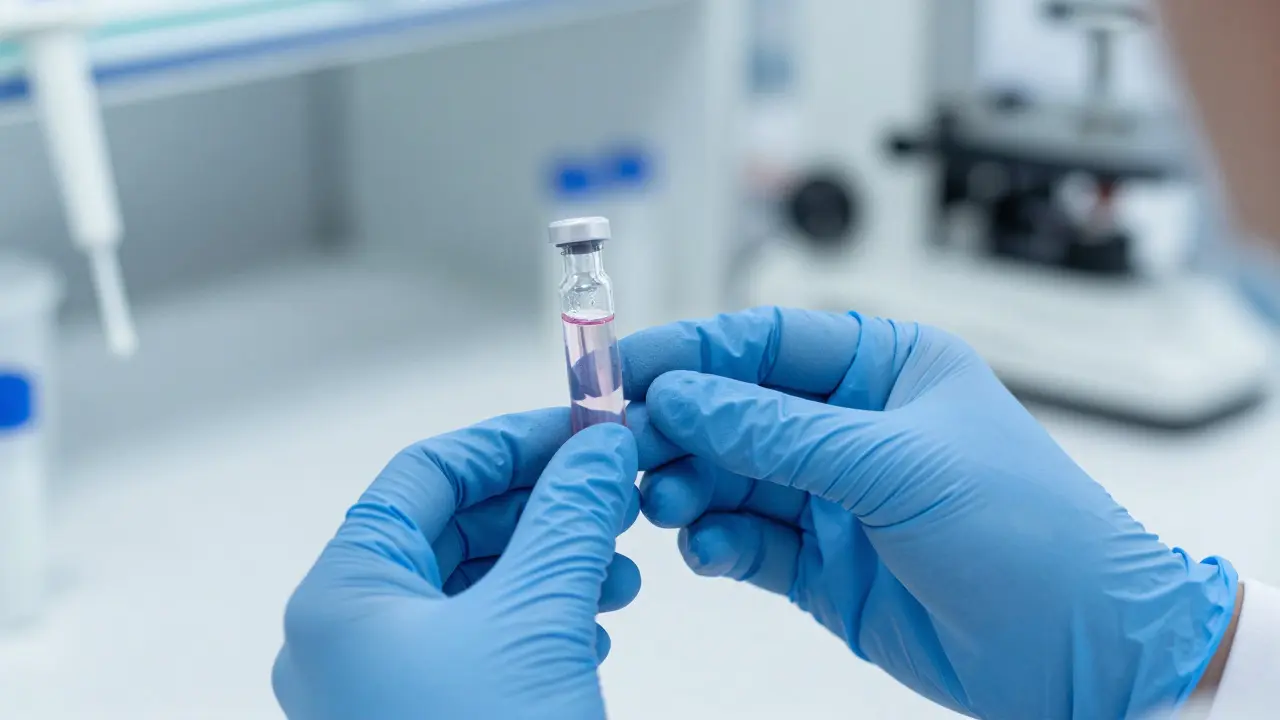
Contrary to popular belief, most of a DNA analyst’s time isn’t spent staring at a microscope. It’s spent managing data, maintaining equipment, and ensuring chain of custody. The core workflow involves three main stages: extraction, quantification, and amplification.
- Extraction: Pulling DNA out of complex mixtures like blood on fabric, touch DNA on a weapon, or degraded samples from a cold case. This requires chemical precision to avoid contamination.
- Quantification: Determining exactly how much DNA is present. Too little, and you get no result; too much, and you risk inhibition during the next step.
- Amplification (PCR): Using Polymerase Chain Reaction to copy specific segments of DNA millions of times so they can be analyzed.
After amplification, the sample goes through capillary electrophoresis, which separates DNA fragments by size. The output is an electropherogram-a graph with peaks representing alleles. Interpreting these peaks is where the real skill lies. A single-source profile is straightforward. A mixed profile involving two or more contributors? That’s where statistical software and expert judgment come in.
Education and Certification Requirements
You don’t just walk into a crime lab with a bachelor’s degree and start running casework. Most public sector positions require a minimum of a bachelor’s degree in a natural science, with a strong preference for molecular biology, genetics, or biochemistry. However, many state and federal labs now prefer or require a master’s degree, especially for senior analyst roles.
Certification is non-negotiable. In the United States, the primary body is the American Board of Criminalistics (ABC). You must pass rigorous exams covering theory, instrumentation, and legal testimony. Additionally, your laboratory must be accredited by the American Society of Crime Lab Directors International (ASCLD) or similar bodies like ISO 17025. Without lab accreditation, your findings might not hold up in court, rendering your work useless regardless of its scientific accuracy.
Types of DNA Analyst Roles
Not all DNA analysts do the same thing. The role varies significantly depending on the type of evidence and the scale of the operation.
| Role Type | Primary Focus | Typical Employer | Key Skills Required |
|---|---|---|---|
| Casework Analyst | Processing active criminal cases | State Police, County Sheriff | Speed, accuracy, courtroom testimony |
| Cold Case Specialist | Re-examining old, degraded evidence | Federal Labs, Large Metro Labs | Advanced statistics, STR analysis, patience |
| Quality Control (QC) Analyst | Validating methods and instruments | All accredited labs | Documentation, troubleshooting, regulatory compliance |
| Private Sector Consultant | Paternity testing, ancestry, civil litigation | Private Forensic Firms | Client management, rapid turnaround, business acumen |
Casework analysts are the backbone of the system. They handle the high volume of fresh evidence. Cold case specialists deal with the messy stuff-decades-old stains, hair shafts without nuclei, or samples stored improperly. Their work often relies on newer technologies like Single-Step PCR or probabilistic genotyping software such as TrueAllele or STRmix, which allow for more nuanced interpretation of complex mixtures.
Salary and Job Outlook
Money matters, but stability matters more in this field. According to recent Bureau of Labor Statistics data, forensic scientists earn a median annual wage of approximately $74,000, but DNA analysts specifically often command higher salaries due to specialized training. Entry-level positions typically start between $55,000 and $65,000, while senior analysts with certification and years of experience can exceed $95,000. Federal positions, such as those with the FBI or US Marshals Service, often pay at the GS-11 to GS-13 level, which translates to roughly $85,000 to $120,000 plus benefits.
The job outlook is stable. While automation is improving speed, it hasn’t replaced human interpretation. Every result needs a human eye to validate. Moreover, the backlog in some jurisdictions means demand remains consistent. However, competition for entry-level slots is fierce because there are fewer openings than applicants.
Challenges and Pitfalls to Avoid
If you think this is just science, you’re missing half the job. The other half is legal. You will testify. Often repeatedly. Opposing counsel will try to poke holes in your methodology, your chain of custody, or your interpretation of a low-template DNA profile. One mistake in documentation can dismiss a case.
Common pitfalls for new analysts include:
- Ignoring Contamination Protocols: A single strand of your own hair in a sample can ruin it. Gloves, masks, and dedicated zones are not optional.
- Over-relying on Software: Probabilistic tools give you numbers, but they don’t tell you if the input data was flawed. Always sanity-check results against known standards.
- Neglecting Soft Skills: You need to communicate complex statistical concepts to judges and juries who may have zero scientific background. If you can’t explain it simply, you haven’t done your job.
How to Get Started
Want to break in? Start with internships. Many state police labs offer summer internships for undergraduates. These aren’t just resume padding; they are your foot in the door. Network aggressively. Attend conferences like the ASCLD Annual Meeting. Connect with current analysts on LinkedIn. Ask them about their daily struggles, not just their successes.
Build your technical skills early. Learn Python or R for data analysis. Understand basic statistics, particularly likelihood ratios. Familiarize yourself with the CODIS database, the national index of DNA profiles used to link crimes and offenders. Knowing how CODIS works gives you a significant advantage in interviews.
Do I need a PhD to become a DNA analyst?
No. A bachelor’s degree is the minimum requirement for most entry-level positions. A master’s degree is preferred for advancement and certain federal roles, but a PhD is only necessary if you plan to move into research, academia, or method development rather than routine casework.
What is the difference between a DNA analyst and a general forensic scientist?
A general forensic scientist might analyze fingerprints, trace evidence, or toxicology samples. A DNA analyst specializes exclusively in biological evidence and genetic profiling. The DNA role requires deeper knowledge of molecular biology and statistical interpretation of genetic data.
Is DNA analysis automated?
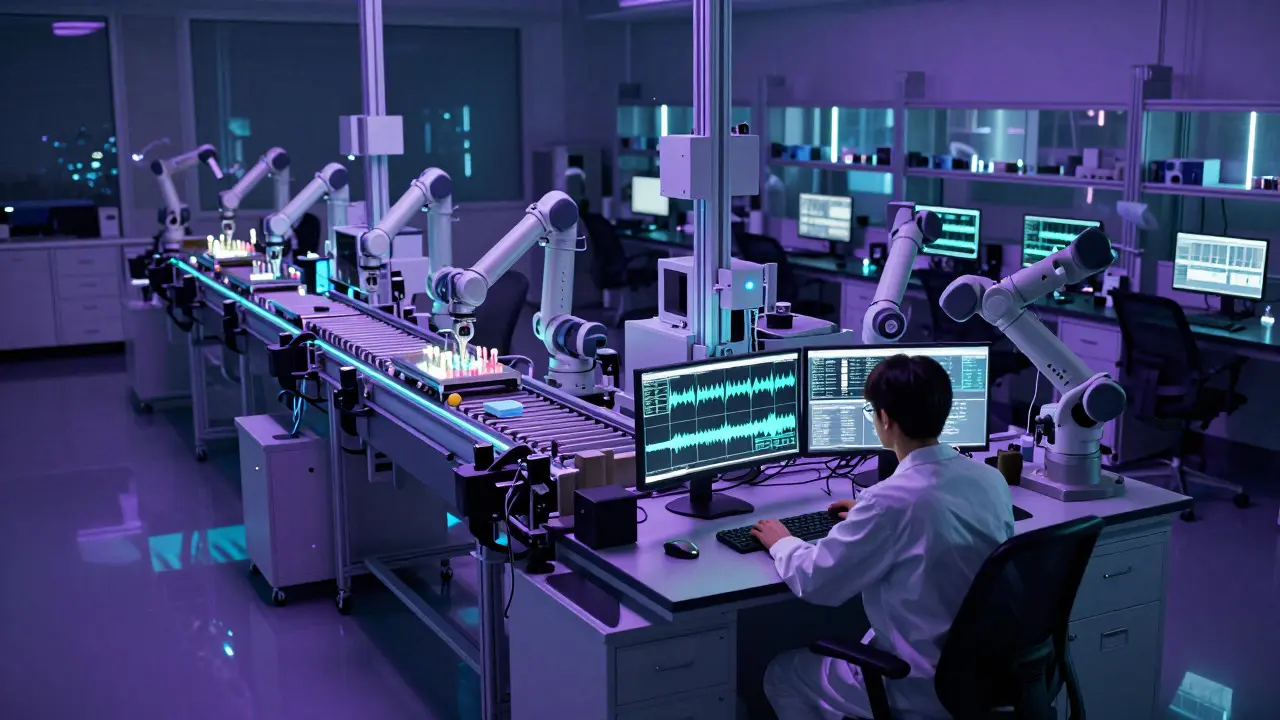
Partially. The physical steps like extraction and amplification are increasingly automated using robotics. However, data interpretation, quality control checks, and final reporting still require human oversight. Automation speeds up processing but does not eliminate the need for skilled analysts.
Can DNA analysts work in private practice?
Yes. Private labs handle paternity tests, immigration cases, ancestry disputes, and civil litigation. The work is often faster-paced with less backlog than public labs, but the stakes are different. You serve clients rather than the justice system directly, and the focus is often on kinship rather than criminal identification.
What software do DNA analysts use?
Common tools include GeneMapper for peak calling, PowerPlex for kit validation, and probabilistic genotyping software like TrueAllele, STRmix, or Likelihood Ratio Calculator. Proficiency in these platforms is often listed as a required skill in job postings.