Category: Forensics - Page 4
Private Sector Forensics: Consulting and Corporate Roles
- By : Ian Brophy
- Date : Sep 10 2026
Explore the lucrative world of private sector forensics. Discover how digital forensics, forensic accounting, and accident reconstruction offer high-paying corporate roles beyond traditional law enforcement.
Methamphetamine Analysis: Detecting Isomers and Stereochemistry
- By : Ian Brophy
- Date : Sep 10 2026
Learn how to accurately detect and quantify methamphetamine isomers using chiral GC and derivatization techniques. Discover why distinguishing d- and l-meth matters for legal outcomes and forensic intelligence.
Crime Scene Investigation Fundamentals: A Complete Overview
- By : Ian Brophy
- Date : Sep 10 2026
Master the basics of crime scene investigation. Learn about securing perimeters, proper evidence collection, chain of custody, and avoiding common pitfalls.
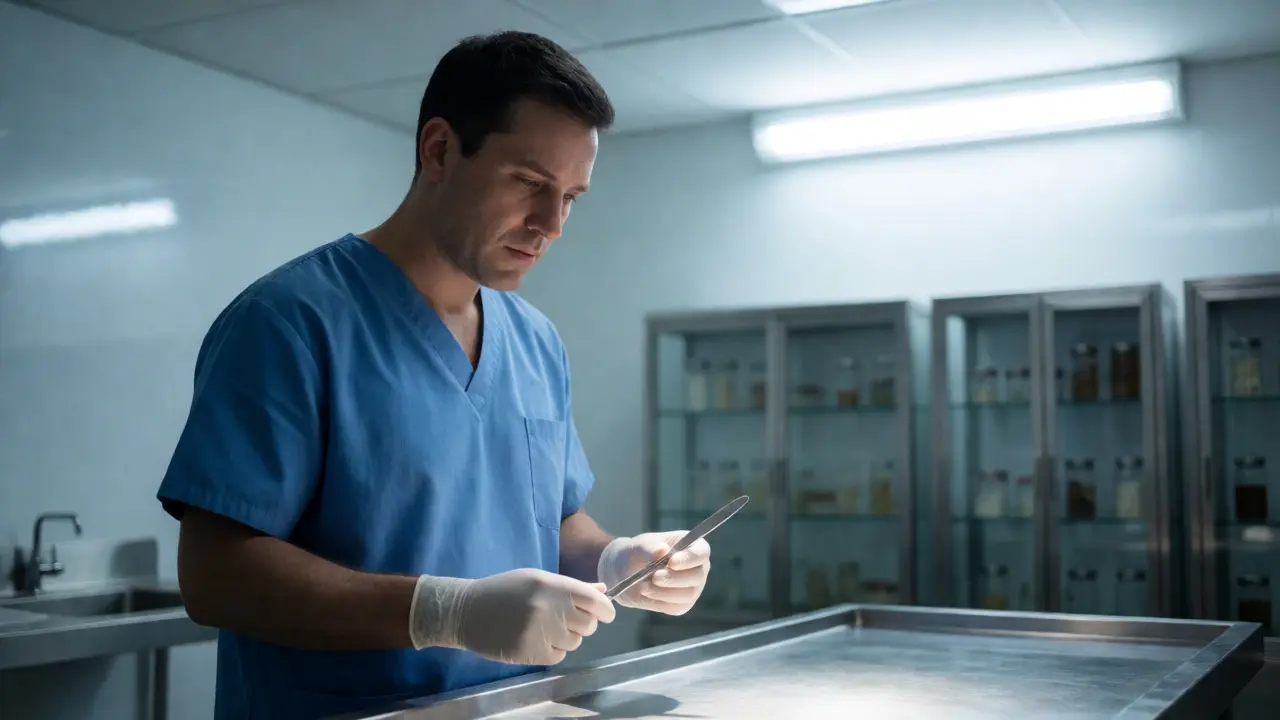
Obscure Autopsy Cases: Why Cause of Death Remains Undetermined
- By : Ian Brophy
- Date : Sep 9 2026
Discover why forensic pathologists sometimes label cause of death as 'undetermined.' Learn about functional deaths, toxicology limits, and the legal implications of obscure autopsy cases.
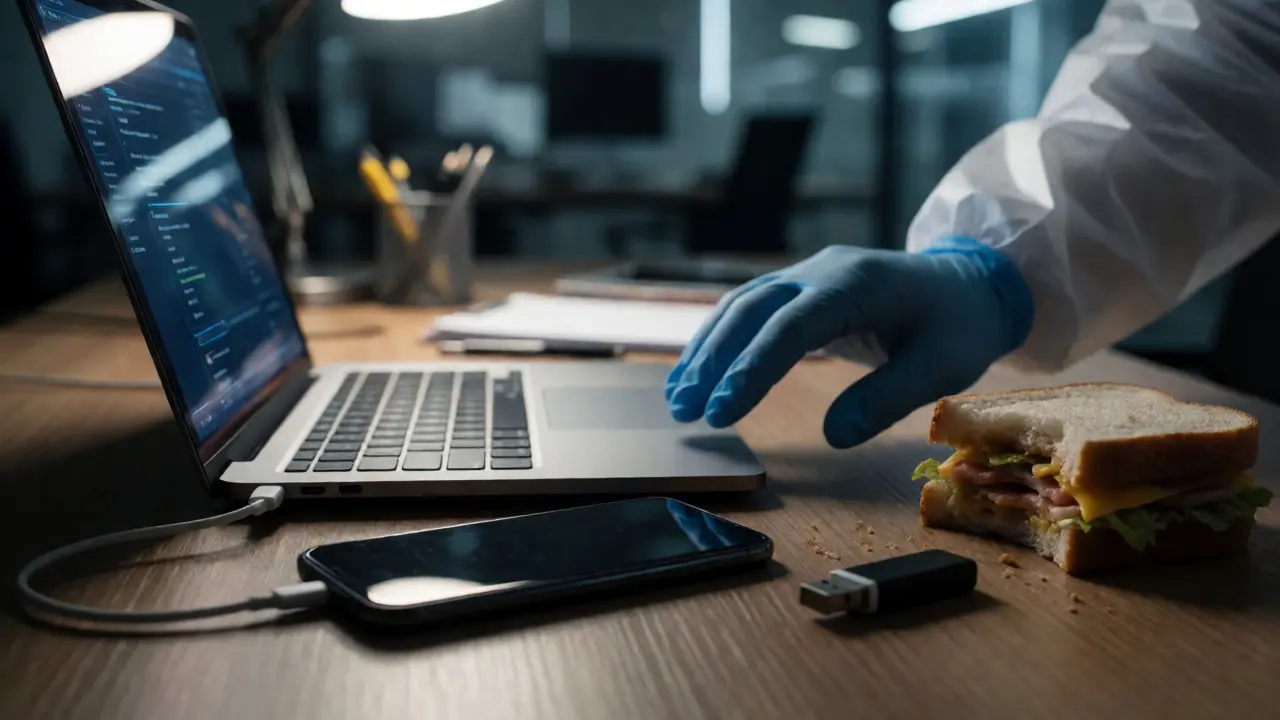
Digital Forensics: A Complete Investigation Guide
- By : Ian Brophy
- Date : Sep 8 2026
Master digital forensics with this complete guide. Learn proper evidence preservation, bit-stream imaging techniques, and analysis methods for computers and mobile devices.
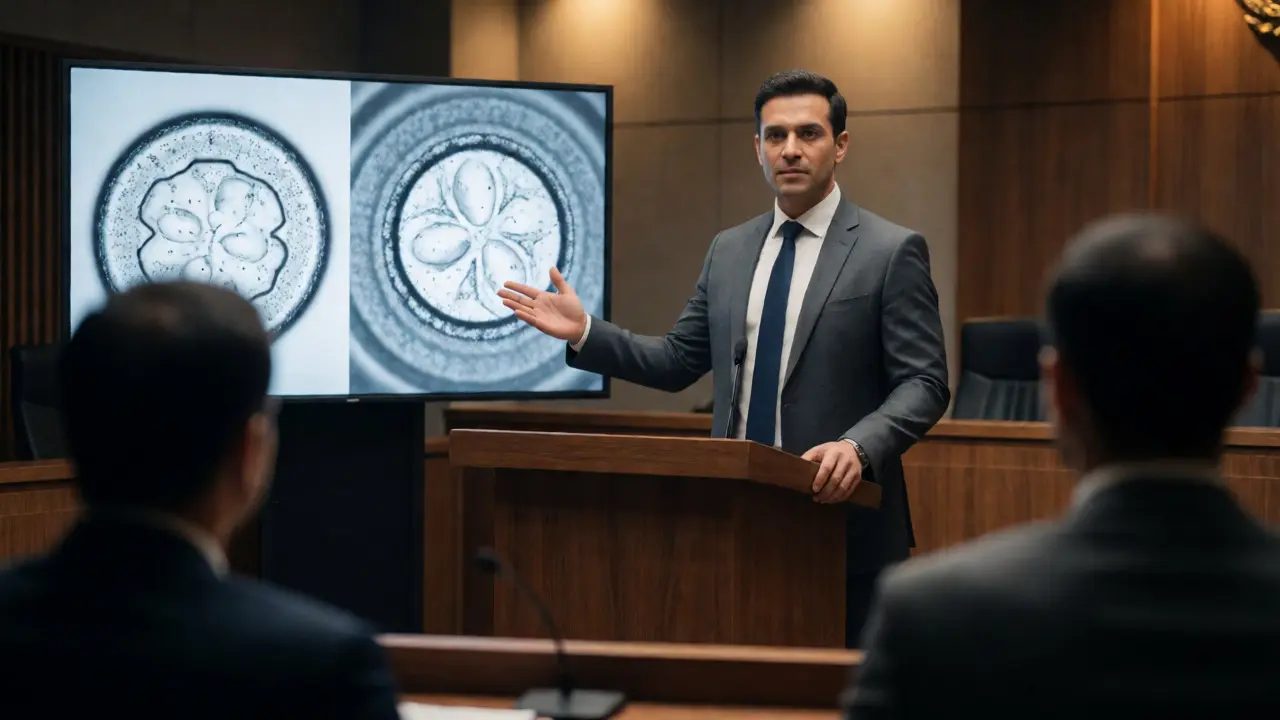
Expert Testimony: Presenting Ballistics Evidence in Court
- By : Ian Brophy
- Date : Sep 8 2026
Learn how to translate complex ballistics data into compelling courtroom testimony. Discover tips on simplifying jargon, managing cross-examination, and using visual aids effectively.
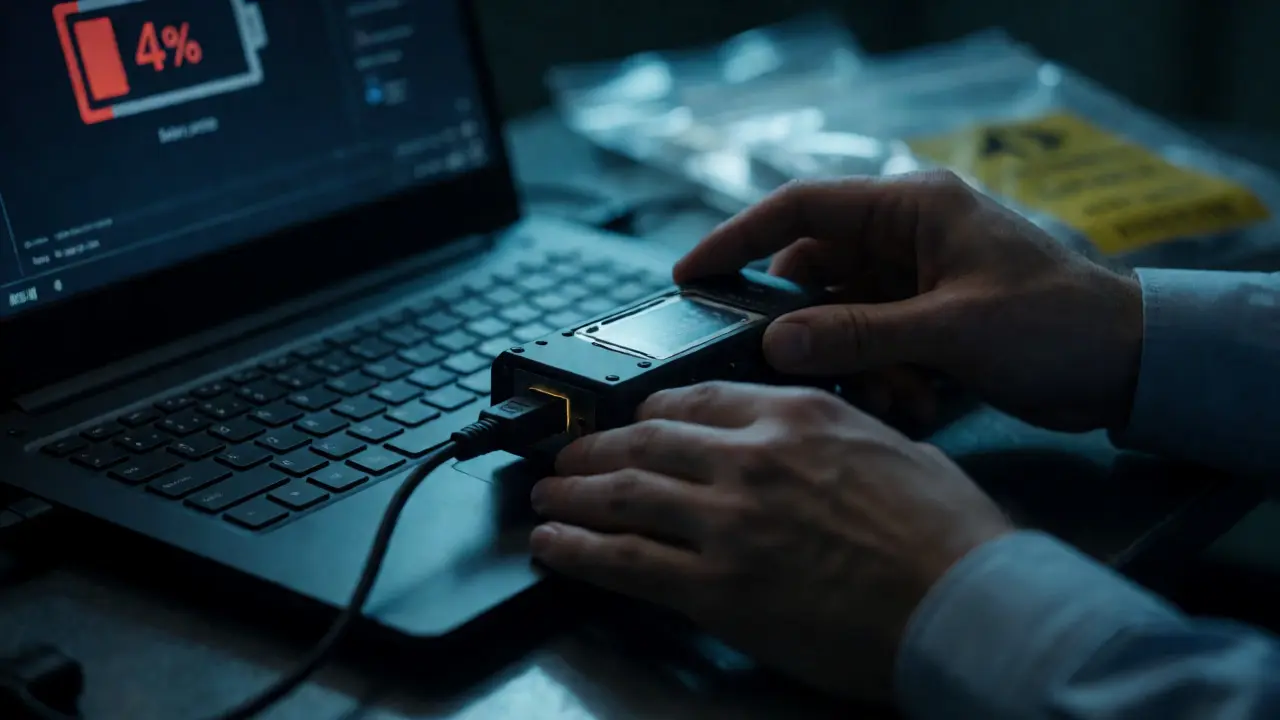
Digital Forensics Tools: Essential Software and Hardware Guide
- By : Ian Brophy
- Date : Sep 8 2026
Discover the essential digital forensics tools every investigator needs. From hardware write blockers to software suites like EnCase and Autopsy, learn how to preserve evidence integrity.
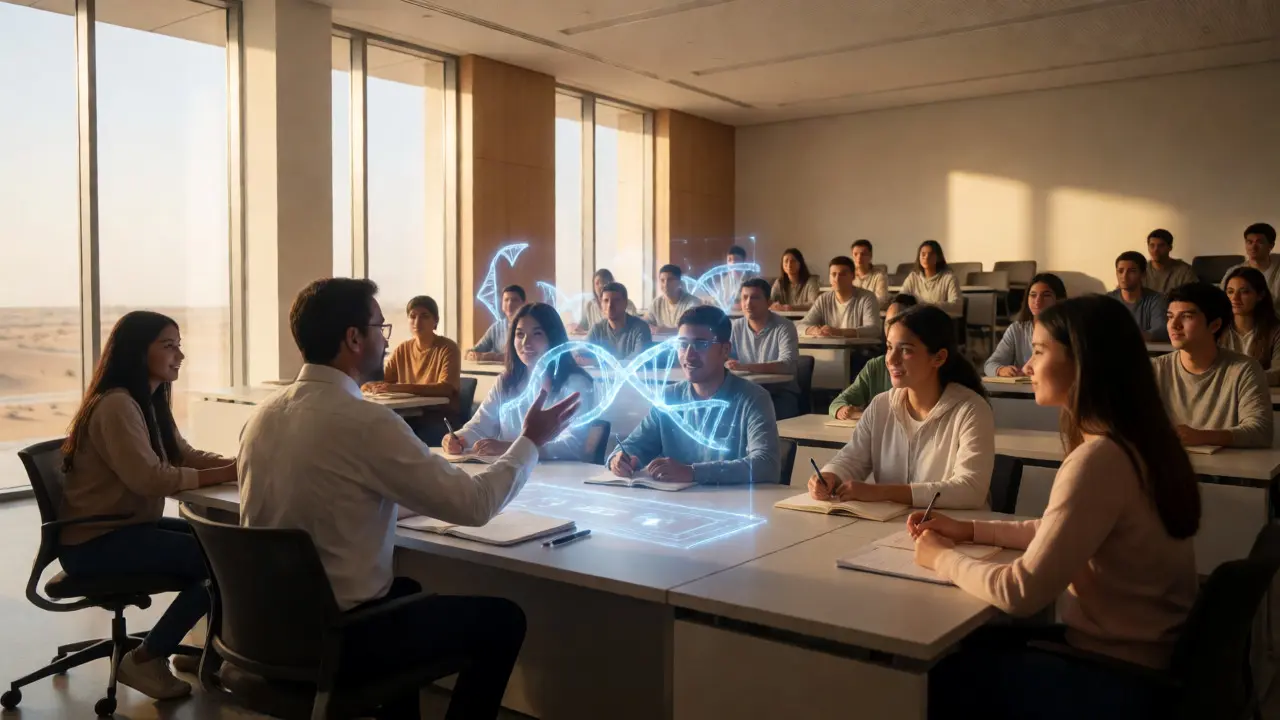
Academic Forensics: Teaching and Research Opportunities in 2026
- By : Ian Brophy
- Date : Sep 7 2026
Explore academic forensics careers blending teaching and research. Discover pathways from adjunct instructor to tenured professor, key research areas like DNA and digital forensics, and realistic salary expectations. Learn how practical experience boosts academic hiring chances.
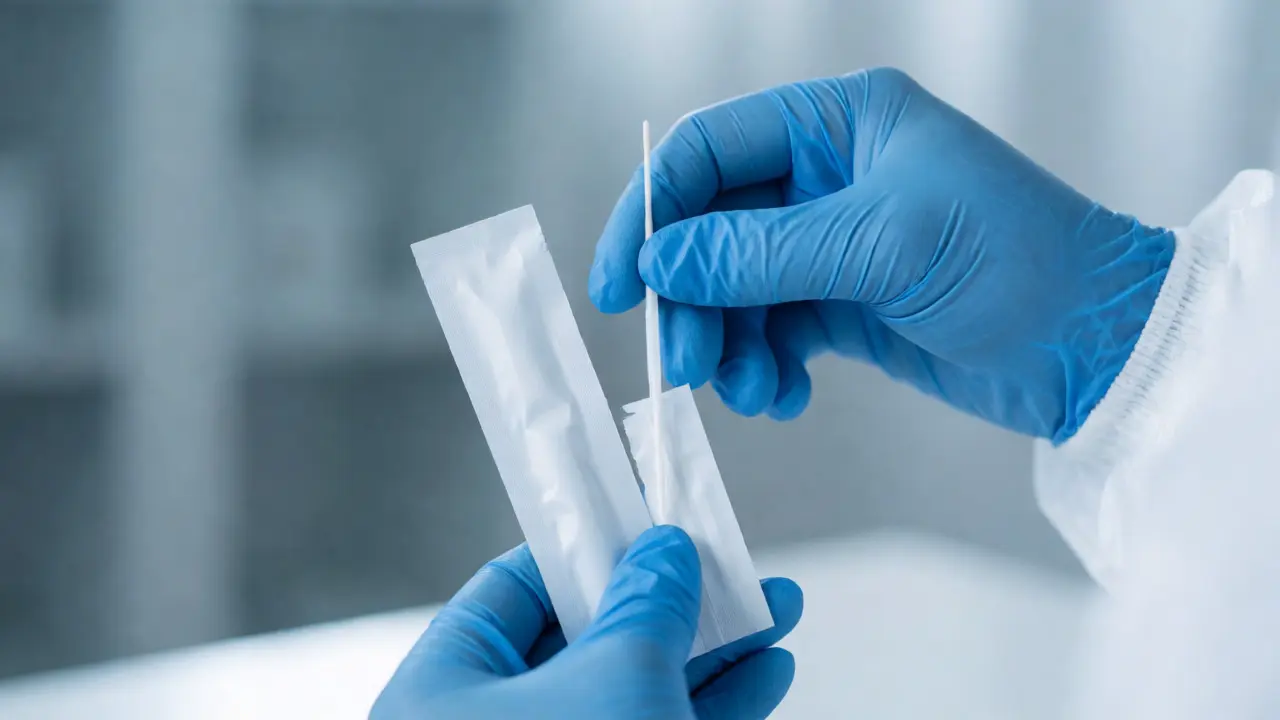
Biological Swab Collection: Single-Use and Air-Drying Protocols
- By : Ian Brophy
- Date : Sep 7 2026
Master biological swab collection with strict single-use protocols and proper air-drying techniques. Learn how moisture control and contamination prevention protect DNA integrity in forensic evidence.
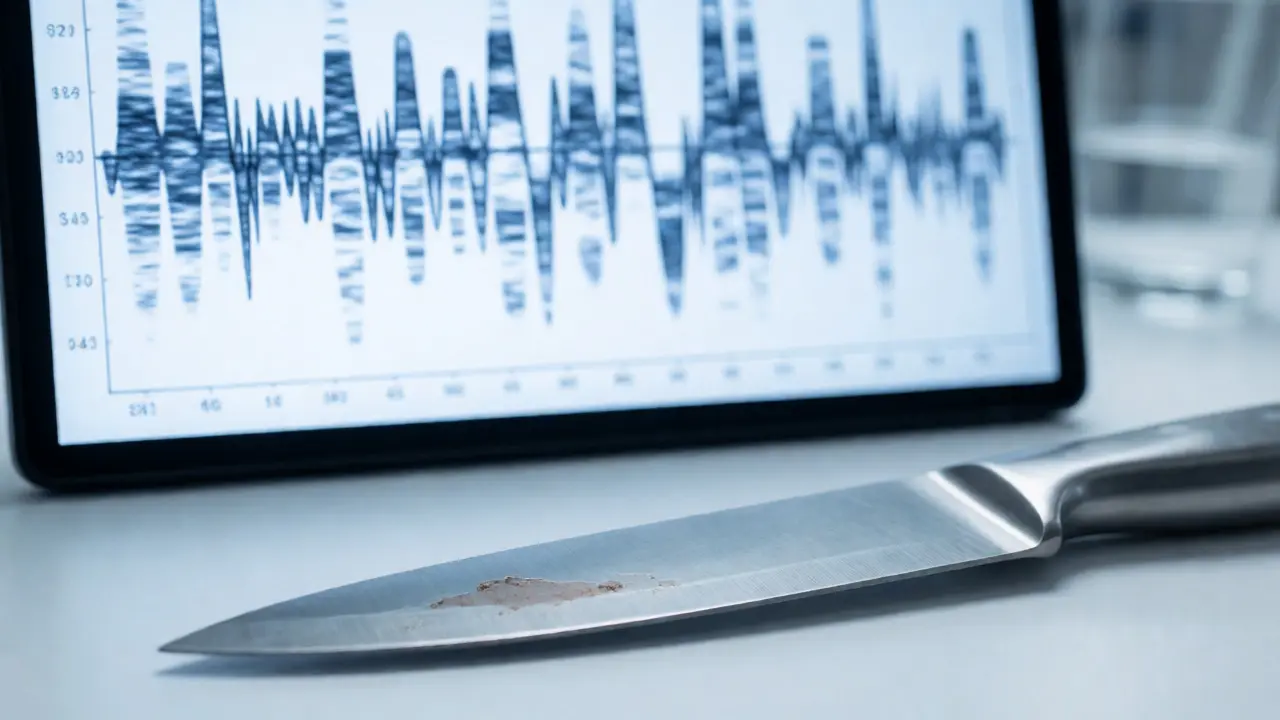
Mixture Interpretation in Forensic DNA: A Guide to Deconvolution Methods
- By : Ian Brophy
- Date : Sep 7 2026
Discover how forensic scientists untangle complex DNA mixtures using deconvolution methods. Learn about probabilistic genotyping, key software tools like STRmix, and the role of likelihood ratios in modern criminal investigations.
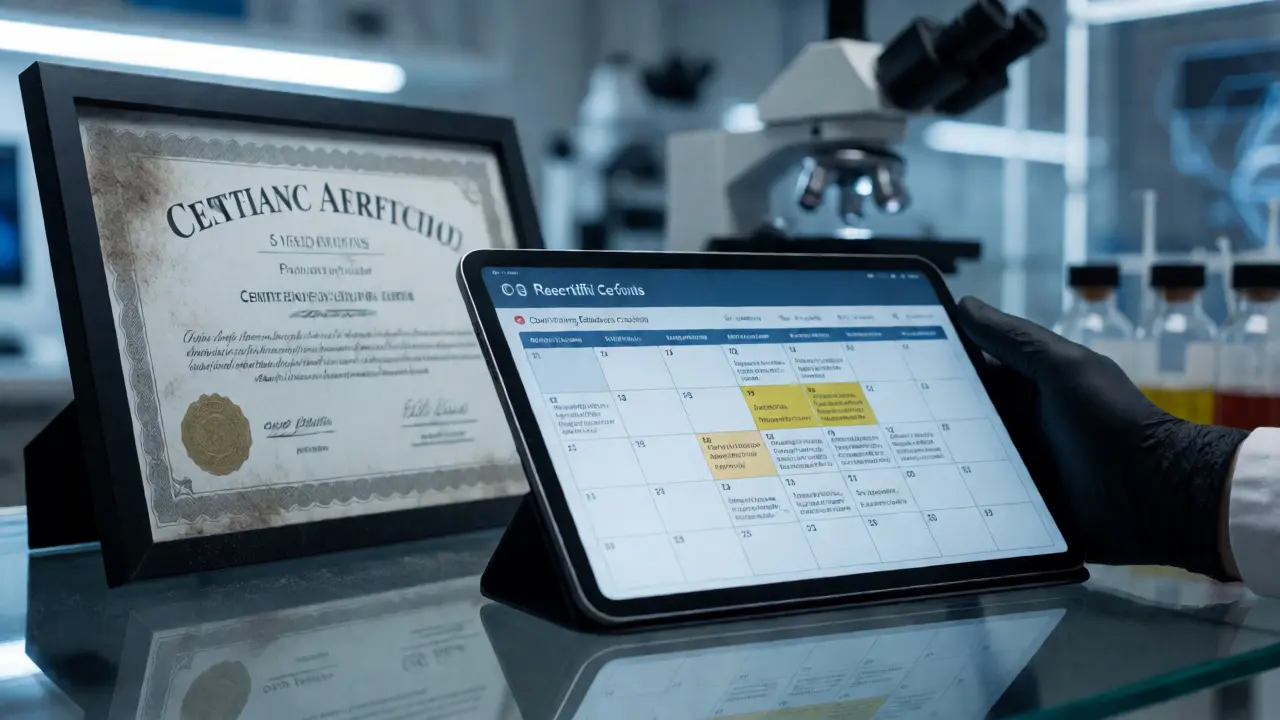
Certification Maintenance: CE Credits and Recertification for Forensic Professionals
- By : Ian Brophy
- Date : Sep 6 2026
Learn how to maintain forensic certifications through CE credits and recertification. Discover strategies for tracking hours, understanding board-specific rules, and avoiding common pitfalls.
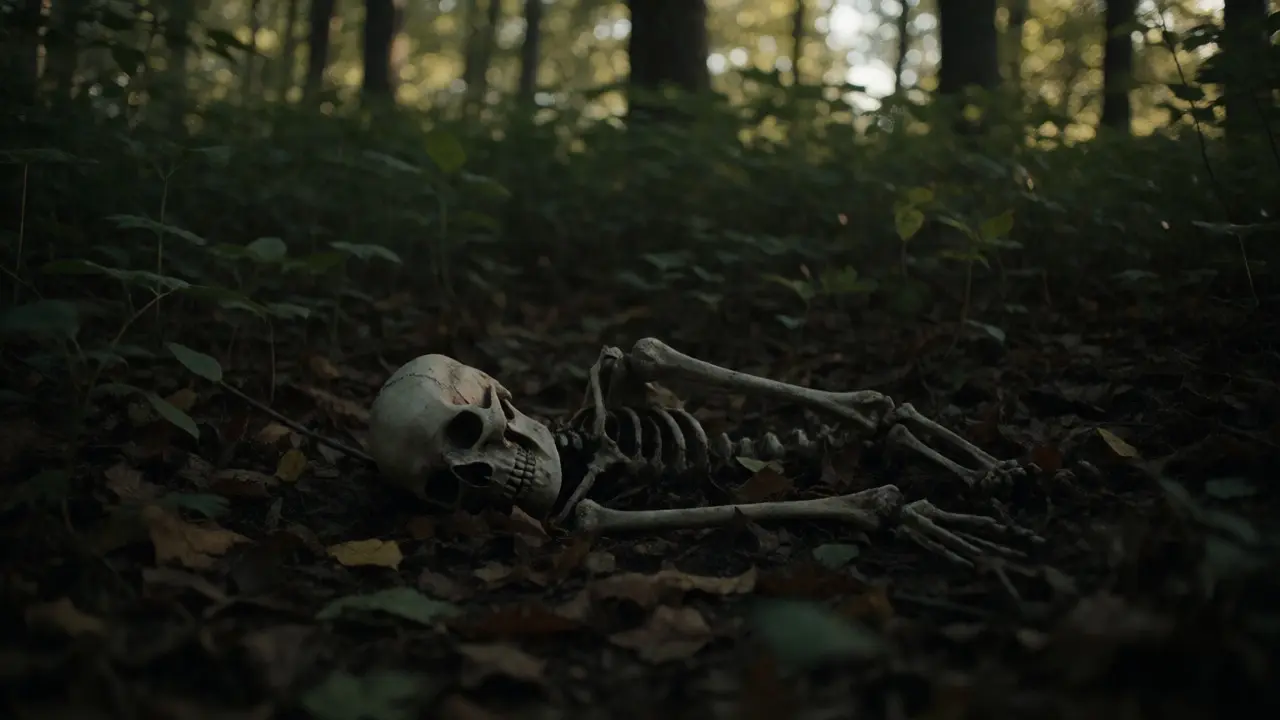
Dental and DNA Uploads: Integrating CODIS and NCIC for Missing Persons
- By : Ian Brophy
- Date : Sep 6 2026
Discover how dental records and DNA profiles in CODIS and NCIC databases help identify missing persons. Learn the workflow, challenges, and future of forensic integration.