Category: Forensics - Page 5
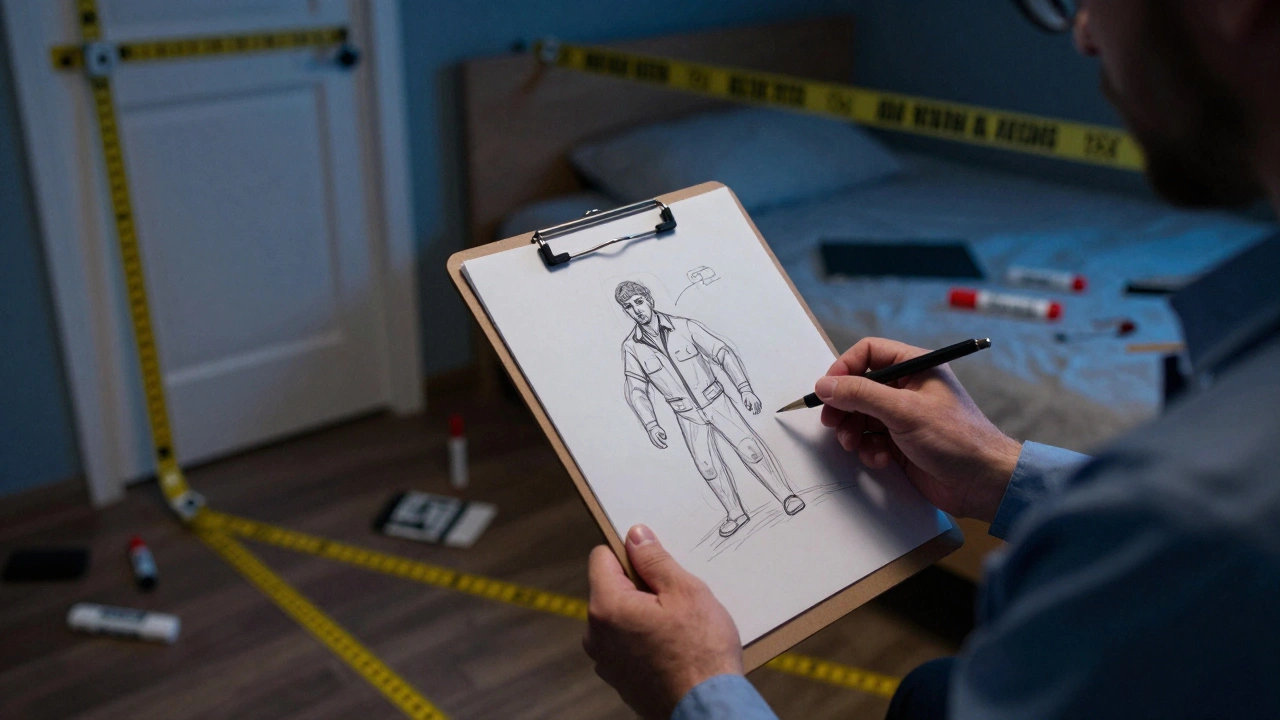
Crime Scene Sketching: Mastering Scaled Diagrams and Orientation Methods
- By : Ian Brophy
- Date : May 14 2026
Master crime scene sketching with this guide to scaled diagrams and orientation methods. Learn when to use triangulation, baseline, and polar coordinates for accurate forensic documentation.

Confirmatory Testing: The Definitive Guide to Drug Identification
- By : Ian Brophy
- Date : May 13 2026
Discover how confirmatory testing provides definitive drug identification using advanced methods like LC-MS/MS and GC-MS, ensuring accuracy and legal defensibility in forensic and workplace settings.

Threat Assessment vs. Criminal Profiling: The Science of Predicting Violence
- By : Ian Brophy
- Date : May 13 2026
Discover why evidence-based threat assessment is replacing outdated criminal profiling. Learn how multidisciplinary teams use behavioral analysis to predict and prevent violence in schools and communities.
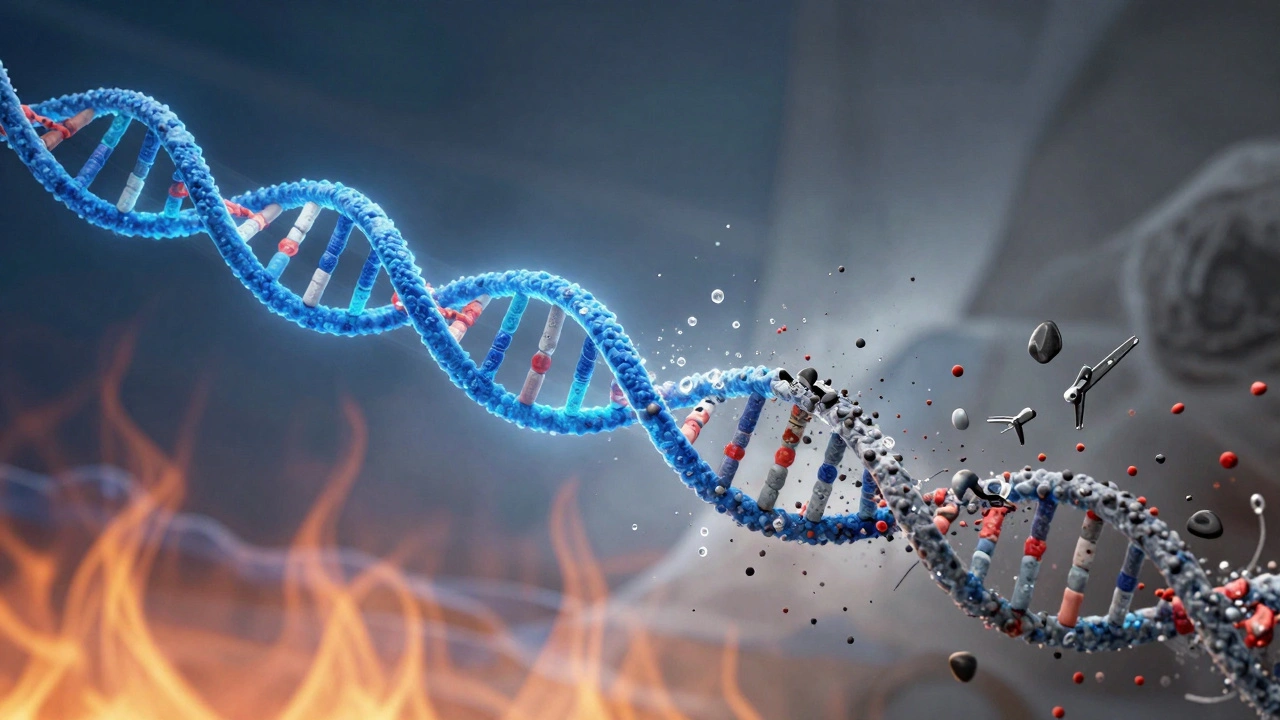
DNA Sample Degradation: How Time, Heat, and Moisture Ruin Forensic Evidence
- By : Ian Brophy
- Date : May 13 2026
Discover how time, heat, and moisture cause DNA sample degradation. Learn vital storage tips for buccal swabs and forensic evidence to ensure accurate results.

DNA Sample Degradation: How Time, Heat, and Moisture Ruin Forensic Evidence
- By : Ian Brophy
- Date : May 13 2026
Discover how time, heat, and moisture destroy forensic DNA. Learn viability timelines for different samples, prevention strategies, and why proper storage matters for accurate results.
Evidence Access Logs: How to Track Custody Movement for Court Admissibility
- By : Ian Brophy
- Date : May 12 2026
Learn how evidence access logs track custody movement to ensure legal admissibility. Explore chain of custody best practices, digital metadata, and modern tracking technologies.

Blood Saturation in Forensics: How Much Blood Remains on a Surface?
- By : Ian Brophy
- Date : May 12 2026
Explore how forensic scientists analyze blood saturation on various surfaces. Learn about absorption rates, hematocrit effects, and volume estimation techniques in bloodstain pattern analysis.

Contact and Wipe Patterns: Decoding Movement Through Blood Evidence
- By : Ian Brophy
- Date : May 11 2026
Discover how contact and wipe patterns reveal movement, intent, and behavior at crime scenes. Learn the differences between wipes, swipes, and voids-and why feathering matters.

Directional Analysis: How to Determine Attack Vectors from Bloodstain Patterns
- By : Ian Brophy
- Date : May 10 2026
Learn how directional analysis determines attack vectors from bloodstain patterns. Understand angle calculations, triangulation, and pattern recognition for accurate crime scene reconstruction.
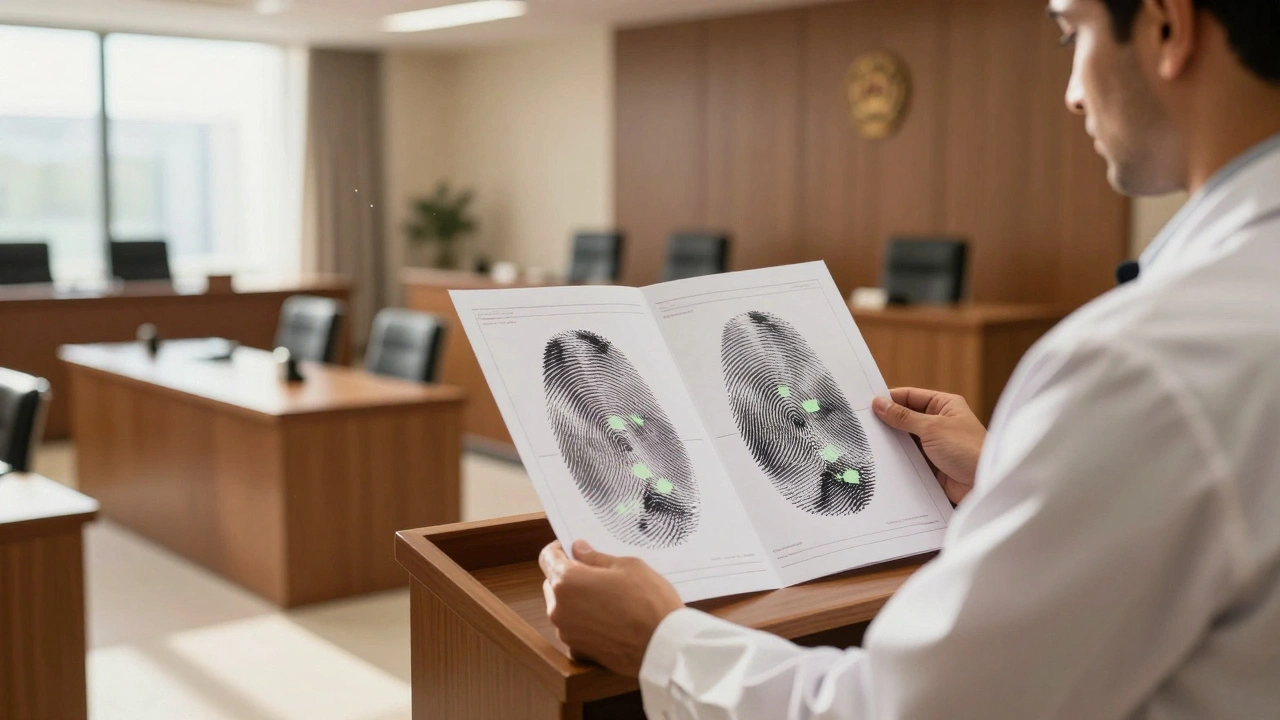
Courtroom Demonstratives for Fingerprint Evidence: A Guide to ACE-V Presentation
- By : Ian Brophy
- Date : May 10 2026
Learn how to create effective courtroom demonstratives for fingerprint evidence. This guide covers ACE-V methodology, digital vs. physical formats, and legal admissibility standards.
Ethical Considerations in Homicide Investigations: Integrity, Bias, and Justice
- By : Ian Brophy
- Date : May 9 2026
Explore the critical ethical considerations in homicide investigations, including bias mitigation, evidence integrity, and victim privacy. Learn how forensic professionals uphold justice.
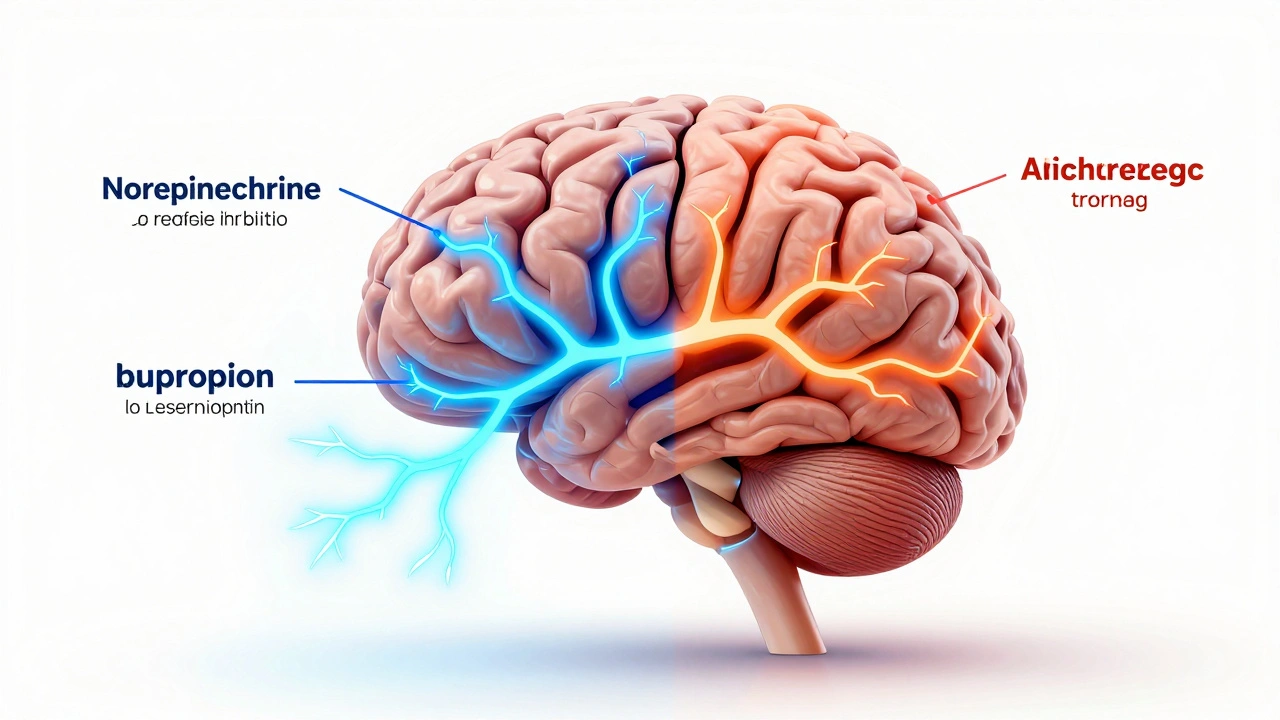
Bupropion vs. Tricyclic Antidepressants: Interpreting Seizure Risk in Forensic Toxicology
- By : Ian Brophy
- Date : May 9 2026
Explore the comparative seizure risks of bupropion and tricyclic antidepressants. Learn how dose, formulation, and patient history impact forensic toxicology interpretations.