Category: Forensics - Page 2
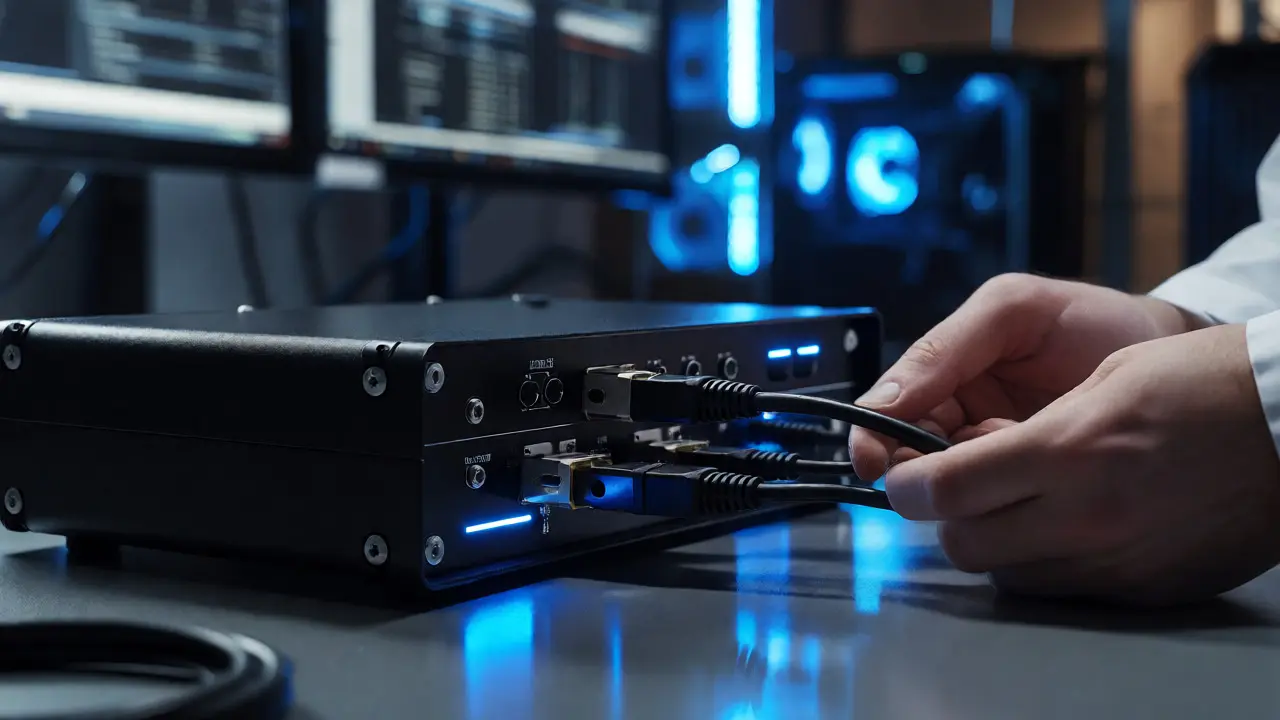
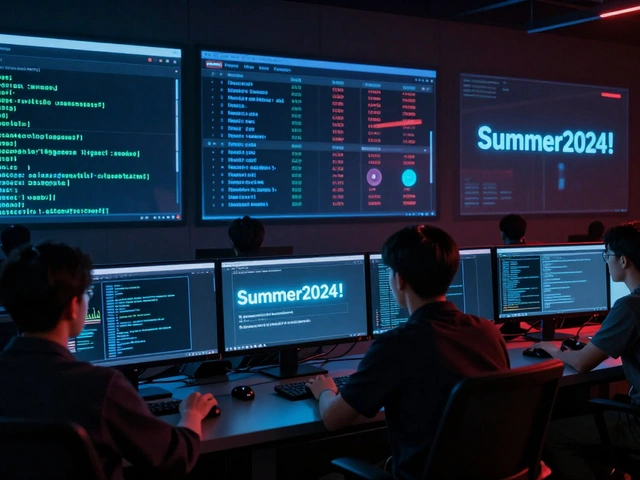
Write Blockers in Digital Forensics: Preventing Evidence Modification
- By : Ian Brophy
- Date : Sep 20 2026
Learn why write blockers are essential in digital forensics to preserve evidence integrity. Discover the differences between hardware and software blockers, validation protocols, and tips for handling modern NVMe drives.
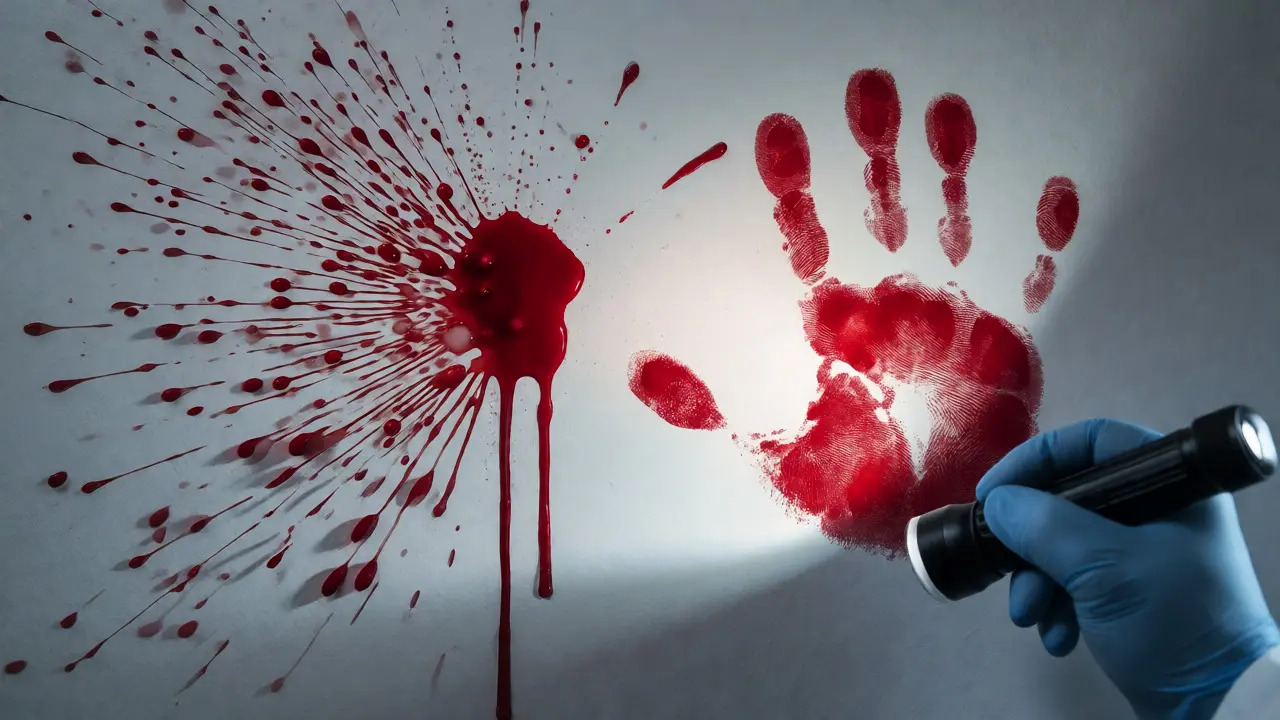
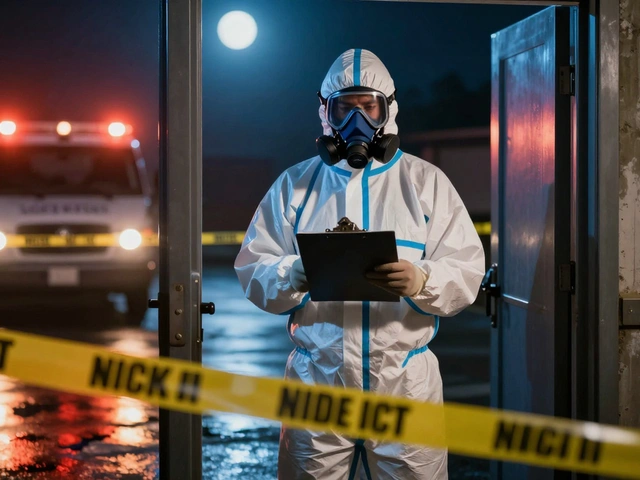
Transfer Stains vs. Impact Patterns: How to Distinguish Bloodstain Evidence
- By : Ian Brophy
- Date : Sep 20 2026
Learn to distinguish between transfer stains and impact patterns in bloodstain analysis. Discover key visual cues, common pitfalls, and techniques for accurate crime scene reconstruction.
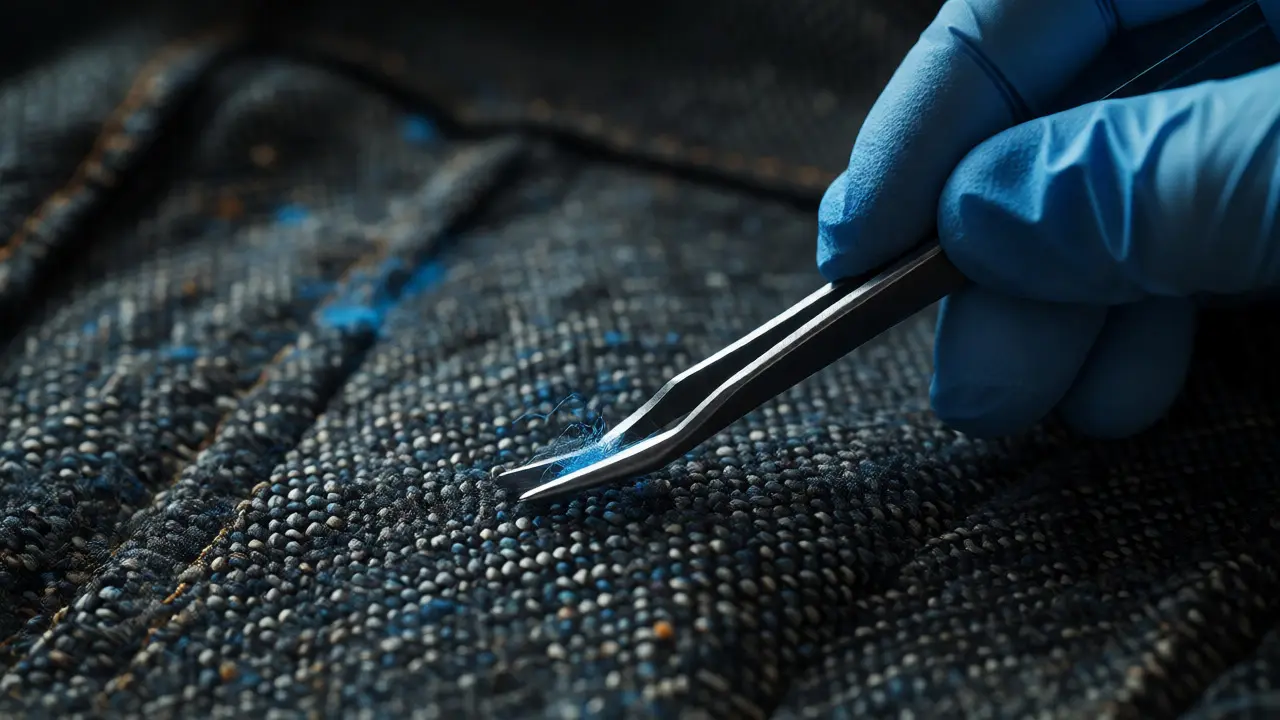
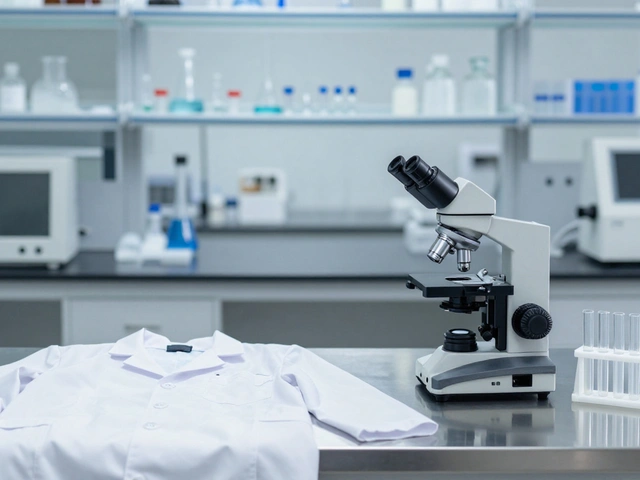
Microscopic Evidence: Handling Small Particles in Forensics
- By : Ian Brophy
- Date : Sep 20 2026
Learn how to properly handle microscopic evidence like fibers and glass. Discover collection techniques, packaging rules, and lab analysis methods to preserve trace evidence integrity.

Glass Refractive Index: A Forensic Guide to Comparing Fragments
- By : Ian Brophy
- Date : Sep 19 2026
Learn how forensic experts use refractive index (RI) to compare glass fragments. Discover the GRIM method, temperature controls, and how to interpret match vs. exclusion in criminal investigations.
Cold Case Drug Evidence: Reanalysis with Modern Tools
- By : Ian Brophy
- Date : Sep 19 2026
Discover how modern forensic tools like LC-MS/MS are transforming cold case drug evidence. Learn why reanalysis reveals hidden truths, identifies new psychoactive substances, and links historical cases to current trafficking networks.
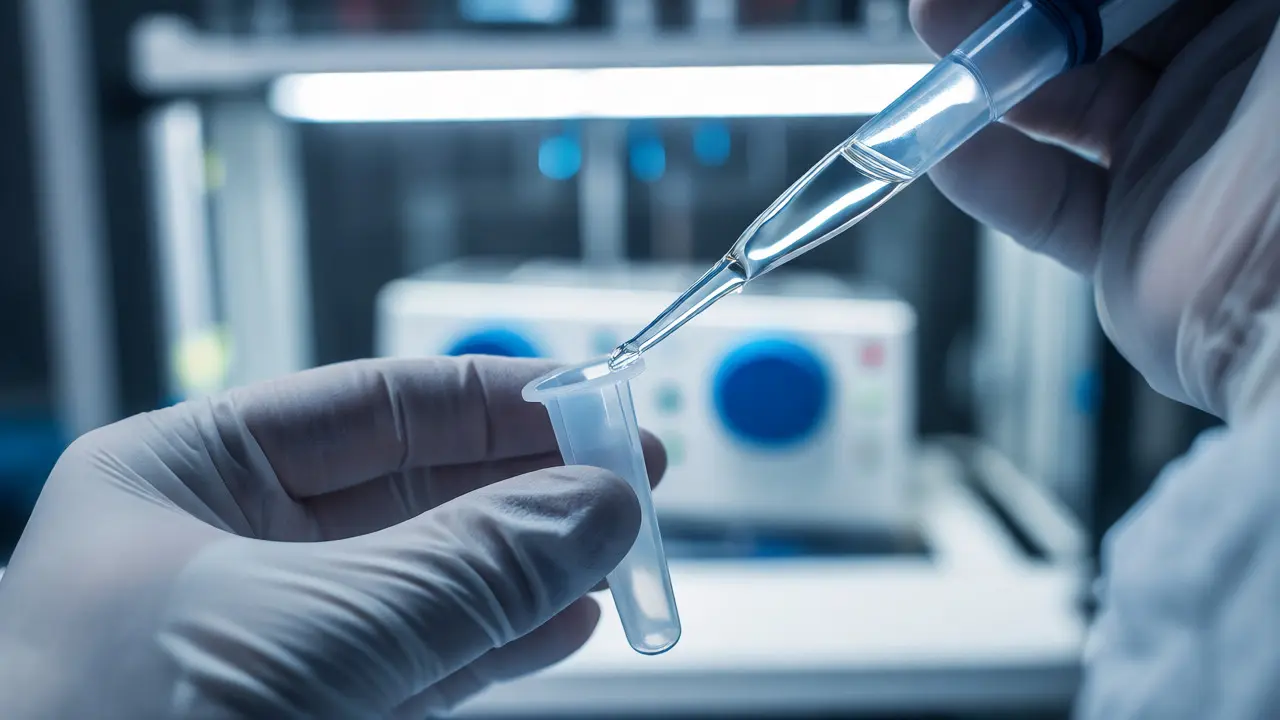
DNA Quantitation: Measuring Sample Quality for Forensic Success
- By : Ian Brophy
- Date : Sep 19 2026
Learn why DNA quantitation is critical for forensic success. Discover how qPCR measures human DNA concentration and integrity to prevent failed STR profiling.
Disclaimer Statements in Forensic Reports: Legal Protections & Best Practices
- By : Ian Brophy
- Date : Sep 18 2026
Learn how to craft effective disclaimer statements in forensic reports to limit liability and clarify scope. Protect your expert testimony with precise legal language.
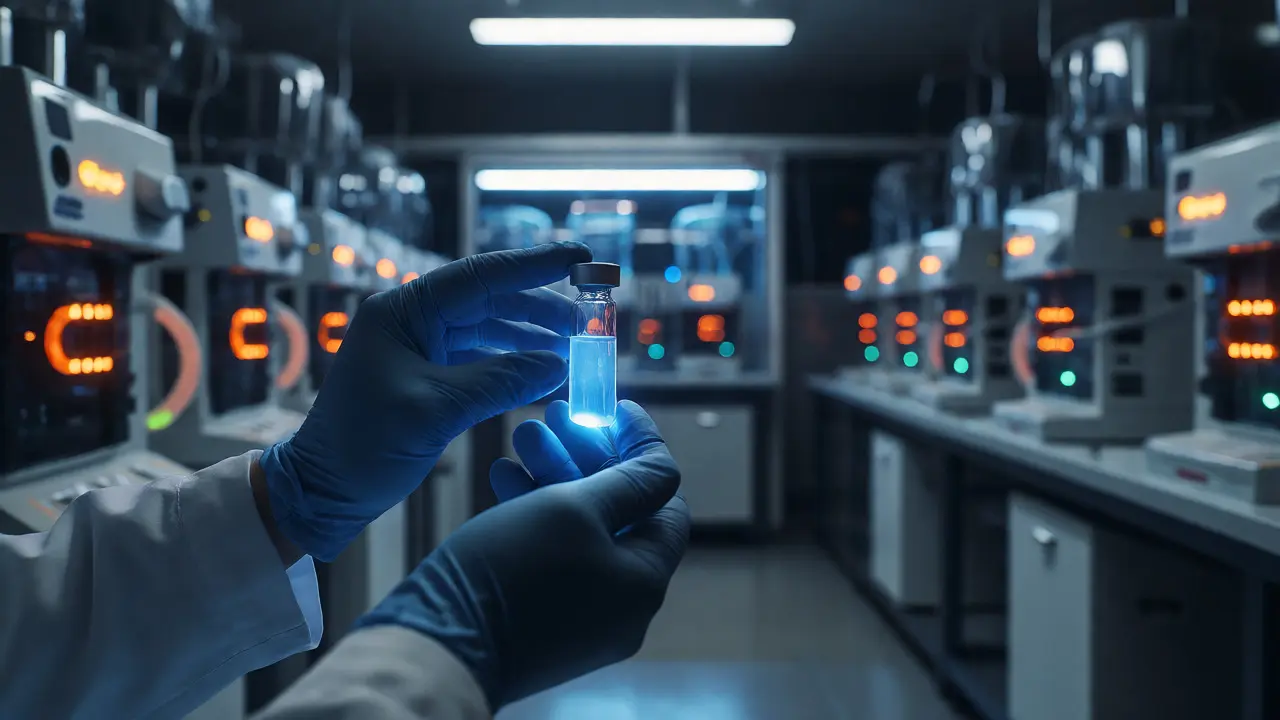
DNA Matching: How Forensic Genealogy Identifies Unidentified Bodies
- By : Ian Brophy
- Date : Sep 18 2026
Discover how forensic genetic genealogy identifies unidentified bodies. Learn about SNP testing, database challenges, and steps families can take to find missing relatives.
Hair Root Analysis: Nuclear DNA vs. Mitochondrial DNA in Forensics
- By : Ian Brophy
- Date : Sep 17 2026
Discover how forensic scientists choose between nuclear and mitochondrial DNA when analyzing hair evidence. Learn why the hair root matters, the durability differences, and how each type impacts case resolution.
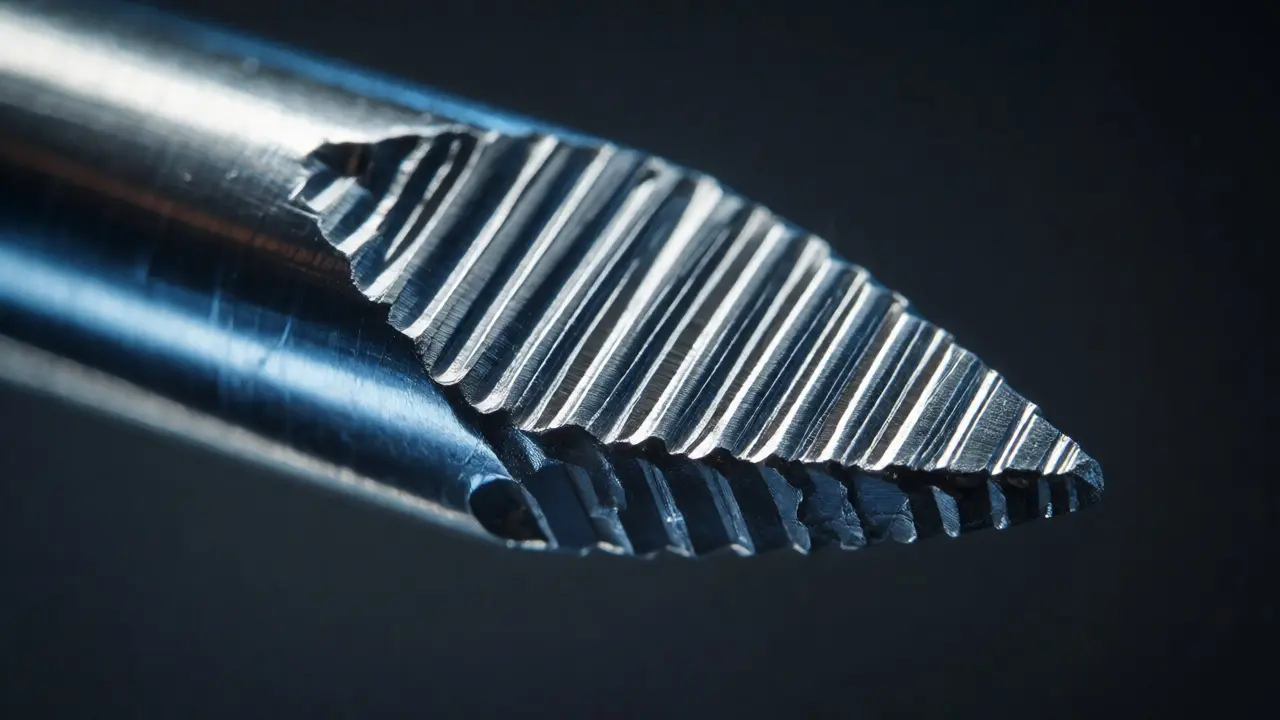
Toolmark Evidence: Protecting Striation Surfaces in Transit
- By : Ian Brophy
- Date : Sep 17 2026
Learn how to preserve fragile toolmark evidence during transit. Discover why standard packaging fails, which materials protect striations, and how to avoid common errors.
Common Report Errors: How to Avoid Misinterpretation in Forensic Reporting
- By : Ian Brophy
- Date : Sep 16 2026
Avoid common forensic report errors that lead to misinterpretation. Learn how to bridge the gap between scientific data and legal clarity, eliminate jargon, and structure reports for maximum impact in court.
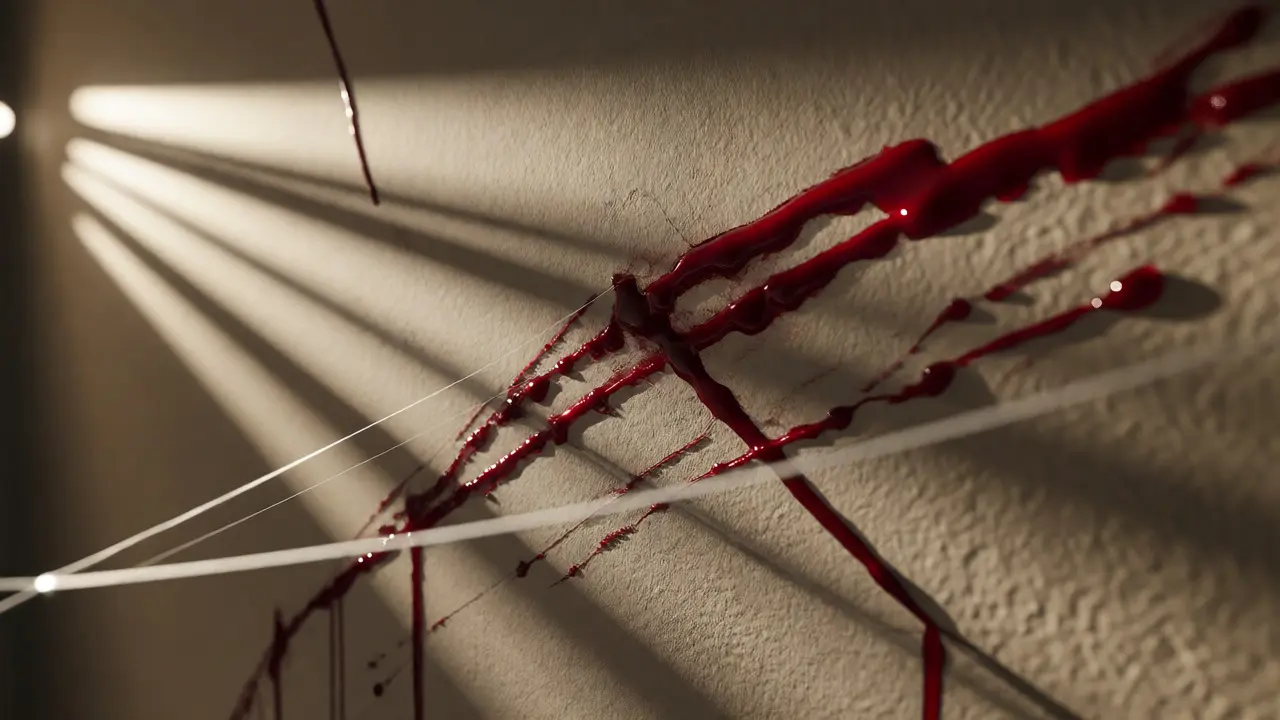
Cast-Off Patterns: Understanding Blood Ejected from Moving Objects
- By : Ian Brophy
- Date : Sep 16 2026
Discover how cast-off patterns reveal the number of swings and directionality in violent crimes. Learn the physics behind blood ejected from moving objects.