You think you’ve got the smoking gun. The DNA matches. The fingerprint is clear. But then the defense attorney stands up, smiles politely, and asks one simple question: "Who touched this before it got to the lab?" If your paperwork has a gap, a smudge, or a missing signature, that smoking gun just became a paperweight. Chain of custody isn't just bureaucratic red tape; it's the backbone of legal admissibility. When it breaks, cases crumble.
We’re not talking about hypotheticals here. We’re looking at real-world disasters where sloppy handling turned surefire convictions into mistrials. Why does this happen? Usually, it’s human error under pressure. A detective rushes to book evidence. A technician forgets to log a transfer. Suddenly, the integrity of the entire investigation is in doubt. This article walks through specific types of failures, why they happen, and how to fix them before you end up on the witness stand trying to explain why the chain broke.
The O.J. Simpson Lesson: Contamination vs. Handling
You can’t talk about chain of custody without mentioning the most famous case in American history. While many focus on the glove fitting poorly, the real killer for the prosecution was the mishandling of biological samples. Detective Mark Fuhrman and others handled blood swabs with questionable care. Was it planted? Was it contaminated? The jury couldn't trust the process because the documentation didn't match the reality of what happened in that house.
The lesson here isn't just about corruption; it's about transparency. Every person who touches an item must be documented. In the Simpson case, gaps in the timeline created reasonable doubt. If you can't prove exactly when and where a sample moved from point A to point B, the defense will argue it could have been anywhere-or anyone-during that gap.
Common Failure Points in Evidence Handling
Most chain of custody failures aren't dramatic conspiracies. They are boring administrative errors that snowball. Here are the three most common places things go wrong:
- Transfer Gaps: This happens when evidence leaves one secure location but doesn't arrive at another until hours later, with no log entry for the interim period. Did it stay in the car trunk? Did it sit on a desk overnight? Without a timestamped log, you can't prove it wasn't tampered with.
- Labeling Errors: Using ambiguous descriptions like "Item 1" instead of "9mm shell casing found on kitchen counter." If two officers both label something "Item 1," which one is which? Vague labels lead to mix-ups.
- Unauthorized Access: Who had access to the evidence locker? If ten people have keys and only one signs out each item, you lose control. Shared passwords or propped-open doors are silent killers of evidentiary value.
Digital Evidence: The New Frontier of Custody Issues
Physical evidence is easy to visualize. You hold a knife. But what about a text message? Digital evidence introduces unique challenges because it exists as data, not matter. If you copy a hard drive, did you alter the metadata? Did you use a write-blocker? If not, you might have changed the file timestamps, effectively destroying the original state of the evidence.
A major pitfall here is the "forensic image" failure. Investigators often take screenshots or printouts rather than creating a bit-for-bit copy. Screenshots don't capture hidden files, deleted data, or system logs. When the defense demands the raw data, you're stuck explaining why you didn't preserve the digital footprint properly. The rule of thumb: if it's digital, hash it immediately. Use SHA-256 hashes to verify that the file hasn't changed since collection.

Case Study: The Blood Swab Mix-Up
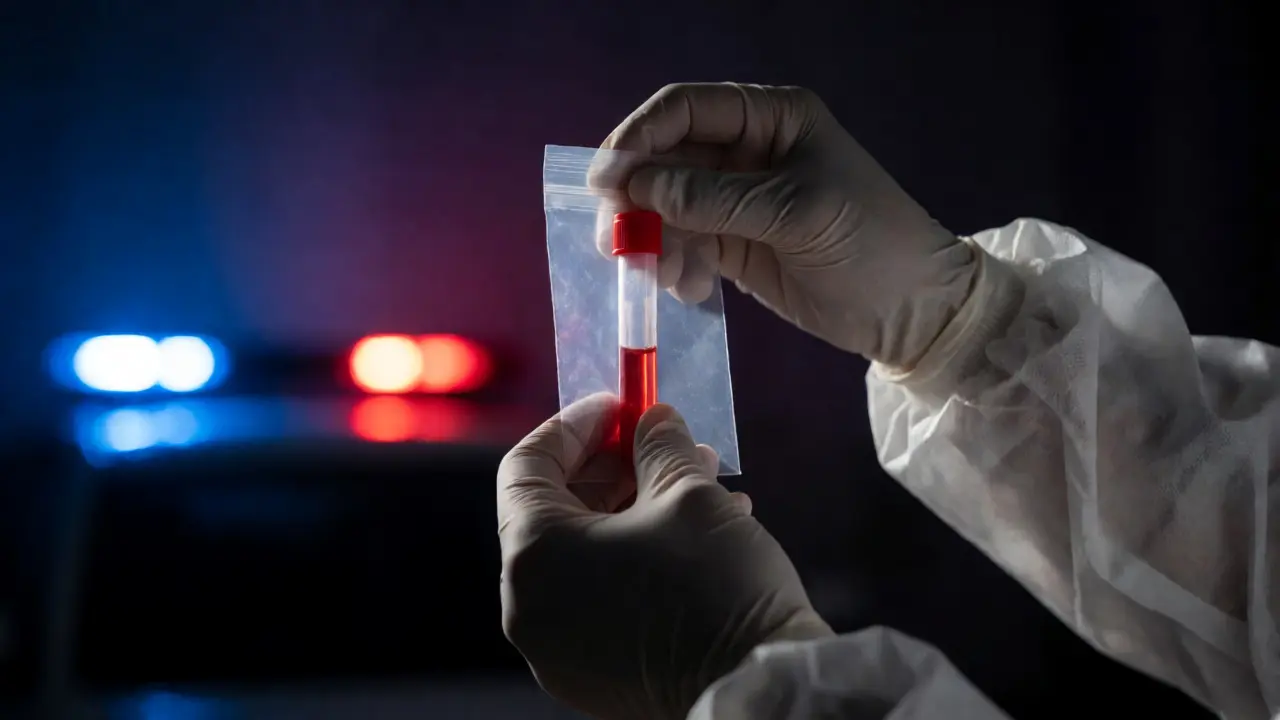
Consider a typical DUI case. An officer collects a blood sample at the hospital. It goes into a tube, gets labeled, and is sent to the lab. Simple, right? Not always. In several overturned convictions, the issue arose during transport. The courier signed for the box, but the receiving technician didn't sign back within the required window. Two days later, the lab processed the sample.
What happened in those two days? The defense argued the blood could have degraded, mixed with other samples, or been exposed to heat. Because there was no continuous log showing the sample remained in a refrigerated, sealed container under controlled conditions, the judge excluded the blood test results. The driver walked free, not because he wasn't drunk, but because we couldn't prove the tube contained his blood at the time of testing.
Building a Bulletproof Chain
How do you avoid these traps? It starts with strict protocols and ends with technology. Manual paper logs are prone to illegible handwriting and lost pages. Modern digital evidence management systems (DEMS) automate the logging process. Every scan, every transfer, and every check-out is timestamped and user-authenticated.
But tech alone isn't enough. You need a culture of accountability. Here is a quick checklist for maintaining integrity:
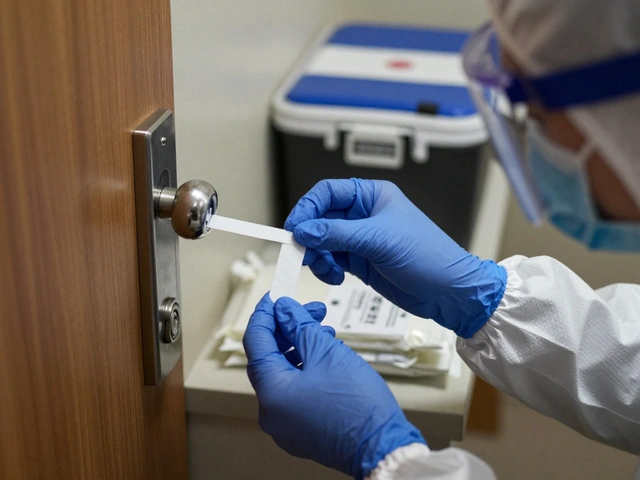
- Immediate Tagging: Label the item at the scene, not at the station. Include date, time, collector name, and precise location.
- Sealed Packaging: Use tamper-evident bags. If the seal is broken upon receipt, note it immediately in the log.
- Continuous Tracking: No gaps. If evidence moves from Officer A to Officer B, Officer A logs the release, and Officer B logs the receipt. No hand-offs without signatures.
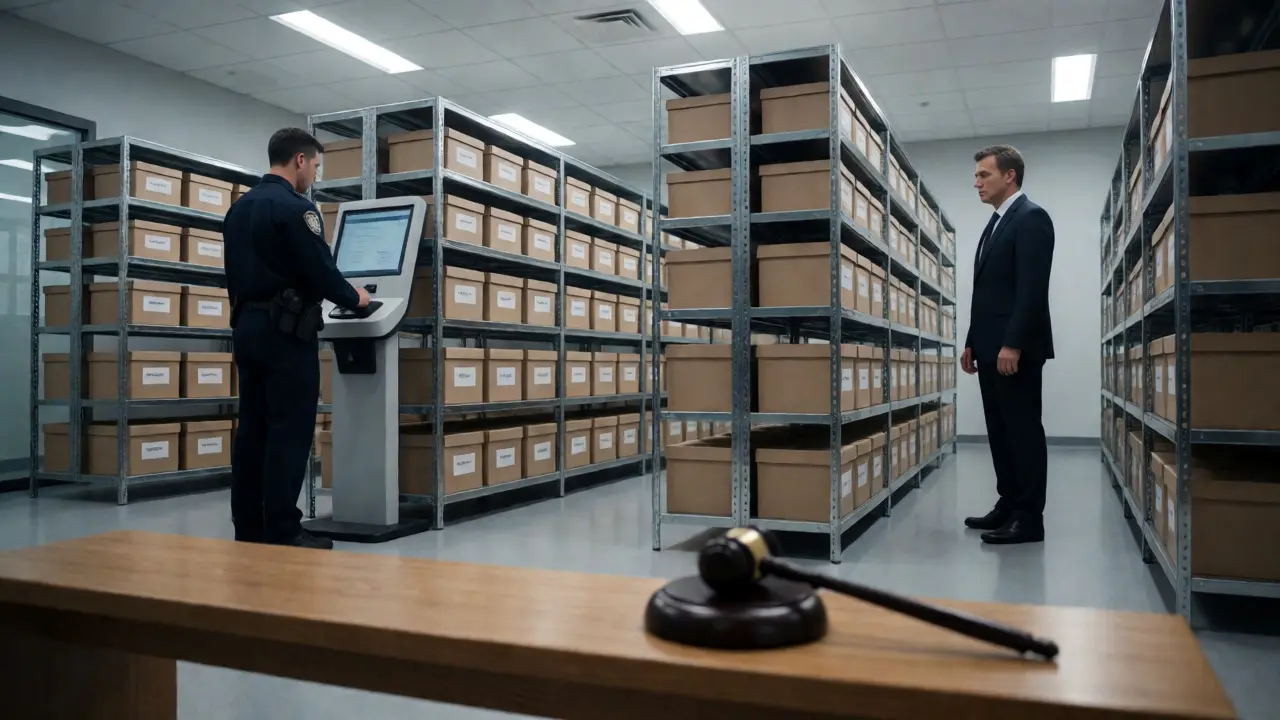
- Storage Security: Limit access to authorized personnel only. Log every entry into the evidence room, even if no items are taken.
Why Judges Care About Process Over Truth
This is the hardest pill for investigators to swallow. A judge may know you're telling the truth. They may believe the defendant is guilty. But if the chain of custody is flawed, the law requires exclusion. Why? Because the legal system prioritizes procedural fairness over individual outcomes. If we allow sloppy handling today, we set a precedent that lets police cut corners tomorrow. The chain of custody protects the innocent from fabricated evidence and the guilty from being convicted on unreliable proof.
| Method | Reliability | Cost | Best For |
|---|---|---|---|
| Paper Logs | Low (prone to human error) | Low | Small departments, low volume |
| Barcode Scanning | Medium-High | Medium | Standard police evidence rooms |
| RFID Tracking | High | High | Large labs, high-value assets |
| Digital DEMS | Very High (audit trail) | Medium-High | All modern agencies |
Lessons Learned: What Experts Say
I've spoken with dozens of crime scene technicians and prosecutors over my years working in forensics. The consensus is clear: prevention beats cure. Once a chain is broken, you can't fix it retroactively. You can explain it, but you can't un-break it.
One veteran prosecutor told me, "If I see a gap in the log, I assume the worst. I don't wait for the defense to find it. I tell the judge upfront, 'We had a delay here, but here is the affidavit explaining why.' Transparency builds credibility. Hiding mistakes destroys it."
Another key takeaway involves training. Officers often view evidence handling as a nuisance after the excitement of the arrest. But that "nuisance" determines whether your hard work leads to justice or dismissal. Regular audits of evidence rooms help catch small issues before they become big ones. Random spot-checks ensure compliance stays high.
The Future of Evidence Integrity
Technology is changing the game. Blockchain-based evidence tracking is gaining traction. By recording every transaction on an immutable ledger, you create a record that cannot be altered after the fact. Imagine scanning a bag of drugs at the scene, and that hash is instantly recorded on a blockchain. Any subsequent change to the metadata triggers an alert. This removes the possibility of post-hoc editing of logs.
While adoption is slow due to cost and complexity, the direction is clear. We are moving away from trusting individuals and toward trusting systems. The goal remains the same: prove that what you found at the scene is exactly what you presented in court, unchanged and untainted.
What happens if the chain of custody is broken?
The evidence may be ruled inadmissible in court. This means the judge or jury cannot consider it when deciding guilt or innocence. In some cases, if the break is minor and explained well, the judge might still allow it, giving the jury weight to decide its reliability. However, severe breaks often lead to dismissal of charges related to that specific piece of evidence.
Does a small gap in the log ruin everything?
Not necessarily. Courts look at the totality of circumstances. If the gap is short, and there is corroborating testimony that the evidence was secure during that time, the judge may allow it. However, relying on this is risky. Best practice is to eliminate gaps entirely. If a gap occurs, document it immediately with a detailed explanation and supporting affidavits.
Who is responsible for maintaining the chain of custody?
Everyone who handles the evidence. This includes first responders, crime scene technicians, transport drivers, lab analysts, and storage custodians. Each person acts as a link in the chain. If any link fails, the whole chain is compromised. Responsibility is shared, but the initial collector sets the standard by ensuring proper labeling and sealing.
Can digital evidence have a chain of custody?
Yes, absolutely. Digital evidence requires a strict chain of custody similar to physical items. This involves documenting who accessed the device, what tools were used to extract data, and verifying data integrity using cryptographic hashes (like MD5 or SHA-256). If the hash changes, it indicates the data was altered, breaking the chain.
How can I prevent chain of custody failures?
Use standardized procedures, train all staff regularly, and implement digital evidence management software. Ensure every transfer is logged with date, time, and signatures. Conduct regular audits of your evidence room. Most importantly, never rush the documentation phase; accuracy matters more than speed.