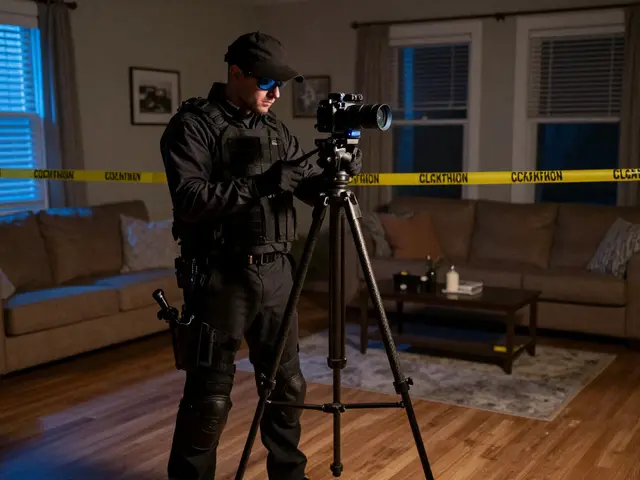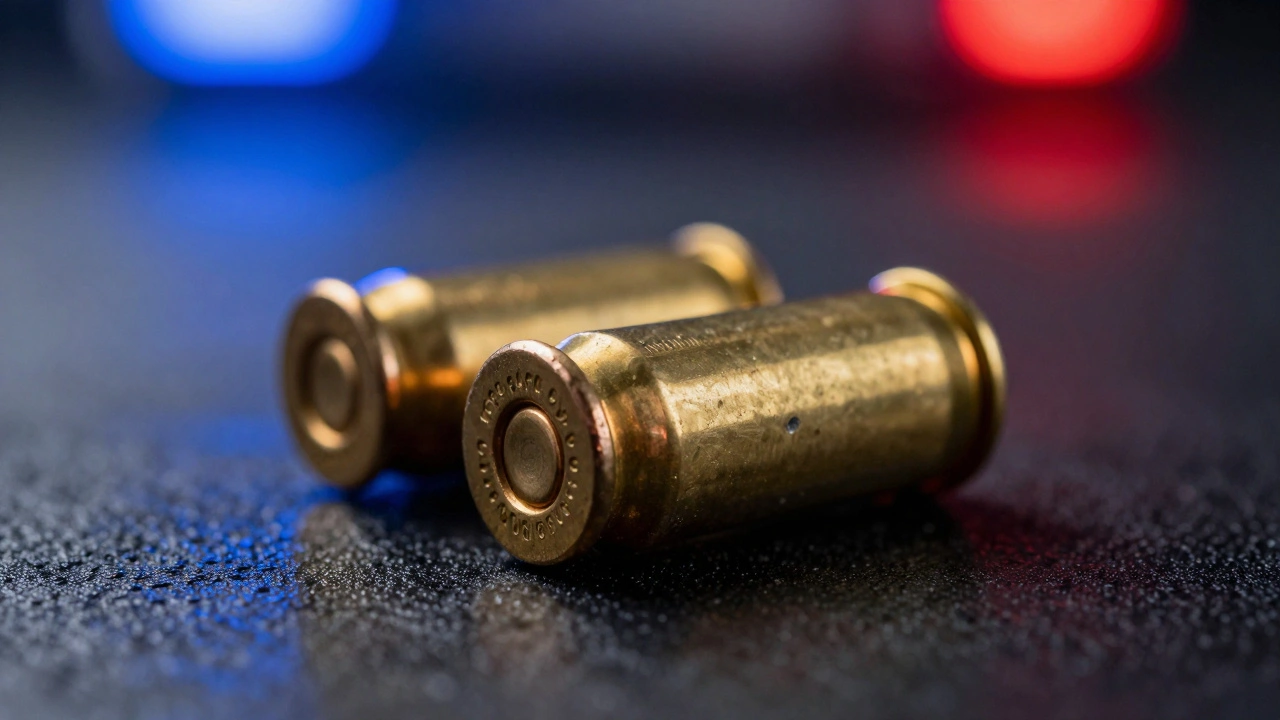
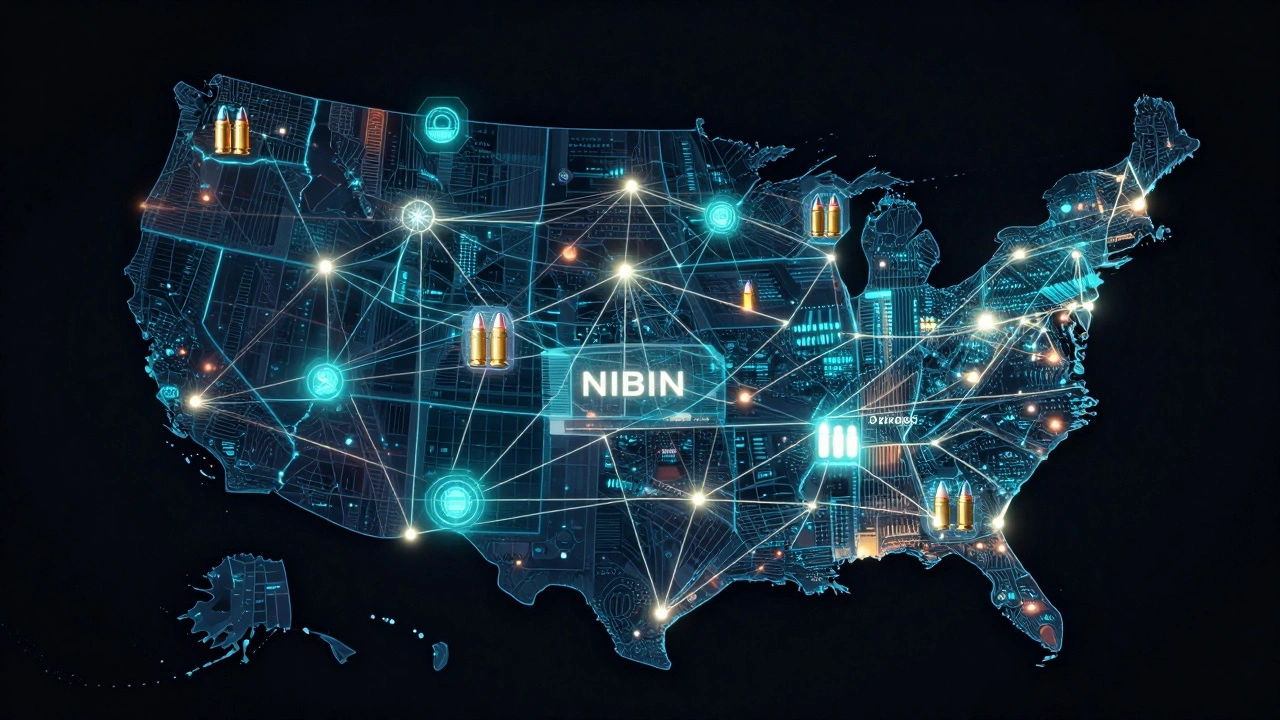
Imagine a bullet casing left behind at a crime scene in Chicago. It looks like scrap metal to most people. But to a forensic expert, it’s a unique fingerprint. Now imagine that same casing being linked to a shooting in Detroit, then another in Indianapolis, all because of a single digital image stored in a massive national database. That is the power of the National Integrated Ballistic Information Network, commonly known as NIBIN. It is not just a file cabinet; it is an automated, nationwide network that connects violent crimes across state lines.
If you have ever wondered how police track down guns used in multiple shootings or identify repeat offenders, NIBIN is usually the engine driving those investigations. Established by the Bureau of Alcohol, Tobacco, Firearms and Explosives (ATF) in 1999, this system has grown into the backbone of modern firearm forensics in the United States. By December 2021, the database held over 5.2 million pieces of ballistic evidence, generating hundreds of thousands of investigative leads. But what exactly is it? How does it work? And why isn’t it a registry for every gun owner?
What Is the NIBIN Database?
At its core, NIBIN is a computerized network managed by the ATF. Its job is simple in theory but complex in execution: store and compare digital images of ballistic evidence. This evidence comes from two main sources. First, there are "unknowns"-spent bullets and cartridge cases recovered from crime scenes. Second, there are "knowns"-test fires from firearms seized during raids, arrests, or investigations.
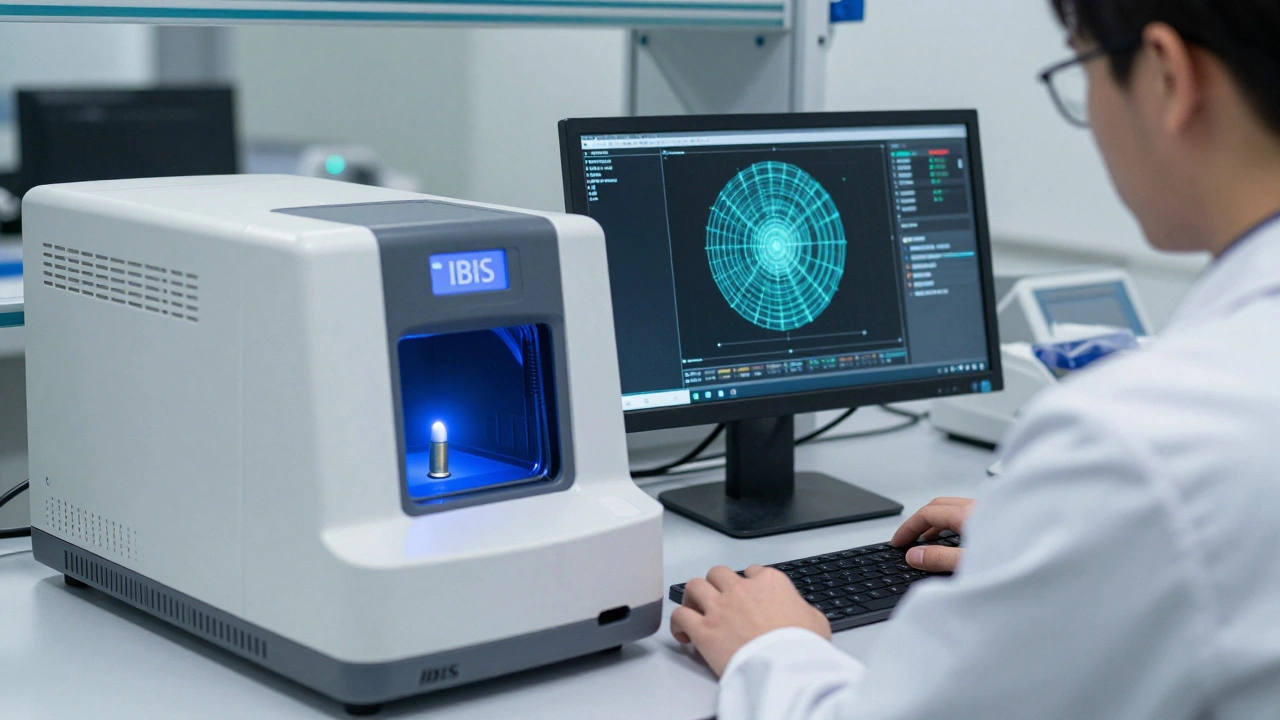
The system runs on a technology called the Integrated Ballistic Identification System (IBIS). Think of IBIS as the camera and software that reads the microscopic scratches and marks left on a bullet when it is fired. Every time a gun is manufactured, tiny imperfections in the barrel and firing pin create a unique pattern, much like a human fingerprint. When a shot is fired, these toolmarks are transferred to the ammunition. NIBIN captures these patterns digitally and searches for matches.
It is important to clarify what NIBIN is not. It is not a list of gun owners. It is not a registry of legal purchases. Federal law strictly prohibits using NIBIN to store images from new guns at the point of manufacture or sale. It also cannot hold data on law enforcement-issued firearms unless those specific guns are involved in a crime. NIBIN is purely an investigative tool for linking violent crimes, not a surveillance database for law-abiding citizens.
How the Technology Works: From Casing to Lead
The process starts with collection. When a detective arrives at a shooting scene, they look for spent casings. These are packaged and sent to a crime lab. There, a trained technician uses an IBIS acquisition station to scan the casing. The machine creates high-resolution 2D or 3D digital images of the toolmarks.
Once the image is uploaded to the NIBIN network, the real magic happens. The system’s algorithms automatically compare this new image against every other entry in the database. It looks for similarities in the striations and impact marks. If the system finds a potential match, it generates a "lead."
A lead is not a conviction. It is an unconfirmed suggestion that two pieces of evidence might come from the same gun. The algorithm ranks these possibilities based on similarity scores. A firearms examiner then reviews the top results. They perform a side-by-side microscopic comparison of the physical evidence. If the examiner confirms the match, the lead becomes a "hit." This hit tells investigators that the same firearm was likely used in both incidents.
| Term | Definition | Status |
|---|---|---|
| Unknown | Evidence recovered from a crime scene | Unidentified source |
| Known | Test fire from a seized firearm | Linked to a suspect/gun |
| Lead | Automated potential match by IBIS software | Unconfirmed |
| Hit | Confirmed match by a firearms examiner | Verified |
The Role of Crime Gun Intelligence Centers
NIBIN doesn’t work in isolation. It feeds directly into Crime Gun Intelligence Centers (CGICs). These are specialized units within local, state, and federal agencies. Their goal is to move beyond solving individual cases to identifying broader patterns of violence.
When NIBIN generates a hit, the CGIC analyzes it alongside other data. They use ATF’s eTrace system to trace the original purchase of the firearm. Did it go through a licensed dealer? Was it stolen? Who bought it? By combining the ballistic link from NIBIN with the ownership history from eTrace, investigators can build a complete picture.
This integration allows them to identify "crime guns"-firearms used repeatedly in criminal activity. They can spot trafficking networks where one gun moves through many hands. They can identify prolific shooters who carry the same weapon across different neighborhoods or even states. Without NIBIN, these connections would often remain hidden because each shooting would be treated as an isolated incident.
Why Timeliness Matters: The 24-Hour Rule
You might think that uploading evidence takes weeks. In reality, speed is critical. The National Crime Gun Intelligence Governing Board recommends that agencies submit ballistic evidence to their NIBIN site within 24 hours of collection. Why so fast?
Violent crime investigations decay quickly. Witnesses forget details. Suspects flee. Physical evidence disappears. If a casing from a Tuesday night shooting sits in a drawer until next month, any lead generated by NIBIN might be useless by the time it reaches a detective. Rapid submission ensures that correlations happen while the investigation is still hot.
Furthermore, best practices suggest initiating a firearm trace request on the same day as the NIBIN submission. This parallel processing means that when the ballistic match comes back, the tracing information is already underway. This synergy between ballistic imaging and administrative tracing is what makes modern gun crime investigations effective.
Impact and Statistics: Does It Work?
Skeptics often ask if these databases actually solve crimes. The numbers suggest they do. Since its inception in 1999, NIBIN partners have captured millions of images. As of late 2021, the database contained approximately 5.2 million entries. More importantly, it had produced about 630,000 leads to shooting investigations nationwide.
Not every lead becomes a confirmed hit. Automated systems generate false positives, which is why human examiners are essential. However, even unconfirmed leads provide value. They can corroborate witness statements or help detectives narrow down suspects. Confirmed hits have led to countless arrests and prosecutions, linking serial shooters to unsolved cases years later.
The true metric of success isn’t just the number of matches; it’s the reduction in violent crime. By identifying active shooters and disrupting trafficking routes, NIBIN helps agencies target resources more effectively. Instead of casting a wide net, police can focus on the individuals and networks causing the most harm.
Common Misconceptions About NIBIN
There is a lot of misinformation about how this system works. Let’s clear up the biggest myths.
- Myth: NIBIN tracks all gun sales. Fact: No. It only contains images from guns involved in crimes or seizures. Legal sales are not imaged.
- Myth: It is a perfect science. Fact: Ballistic imaging is powerful but requires human verification. Toolmarks can vary slightly due to wear, dirt, or angle of fire. Examiners must confirm every match.
- Myth: Any agency can access it freely. Fact: Access is restricted to authorized law enforcement partners. It is a closed network designed for official investigations.
- Myth: It replaces traditional detective work. Fact: It enhances it. A hit gives you a direction, but you still need interviews, warrants, and court testimony to secure a conviction.
The Future of Ballistic Intelligence
As technology evolves, so does NIBIN. The shift from 2D to 3D imaging has improved accuracy and reduced ambiguity. Artificial intelligence may further refine correlation algorithms, reducing the workload on examiners and speeding up result delivery. However, the core mission remains unchanged: use data to stop violence.
Challenges remain. Backlogs can occur if labs lack sufficient staffing. Smaller rural agencies may struggle with the cost of equipment and training. Yet, the federal commitment to expanding CGICs and supporting local partners suggests that NIBIN will continue to grow. It stands as a testament to how data-driven policing can tackle some of the nation’s most persistent public safety issues.
Is NIBIN a gun registry?
No. NIBIN is not a registry of gun owners or legal purchases. It only stores ballistic images from firearms recovered from crime scenes or seized during investigations. Federal law prohibits using NIBIN to track lawful gun sales or manufacturing.
Who manages the NIBIN database?
The Bureau of Alcohol, Tobacco, Firearms and Explosives (ATF) manages and operates NIBIN. They provide the hardware and software to participating crime laboratories across the United States.
What is the difference between a NIBIN lead and a hit?
A lead is an unconfirmed potential match generated by the IBIS software. A hit is a confirmed match verified by a trained firearms examiner through microscopic comparison. Only hits are considered conclusive evidence of a common firearm source.
How long does it take to get results from NIBIN?
Results can be generated very quickly once evidence is submitted. Best practices recommend submitting casings within 24 hours of recovery. The automated search is nearly instant, but examiner confirmation may take additional time depending on lab workload.
Can civilians access the NIBIN database?
No. NIBIN is a restricted law enforcement tool. Civilians, journalists, and private citizens do not have access to the database or its contents. It is designed solely for official criminal investigations.
What technology powers NIBIN?
NIBIN runs on the Integrated Ballistic Identification System (IBIS). This platform captures high-resolution digital images of toolmarks on bullets and cartridge cases and uses algorithms to compare them against existing entries in the national database.