Category: Forensics - Page 3
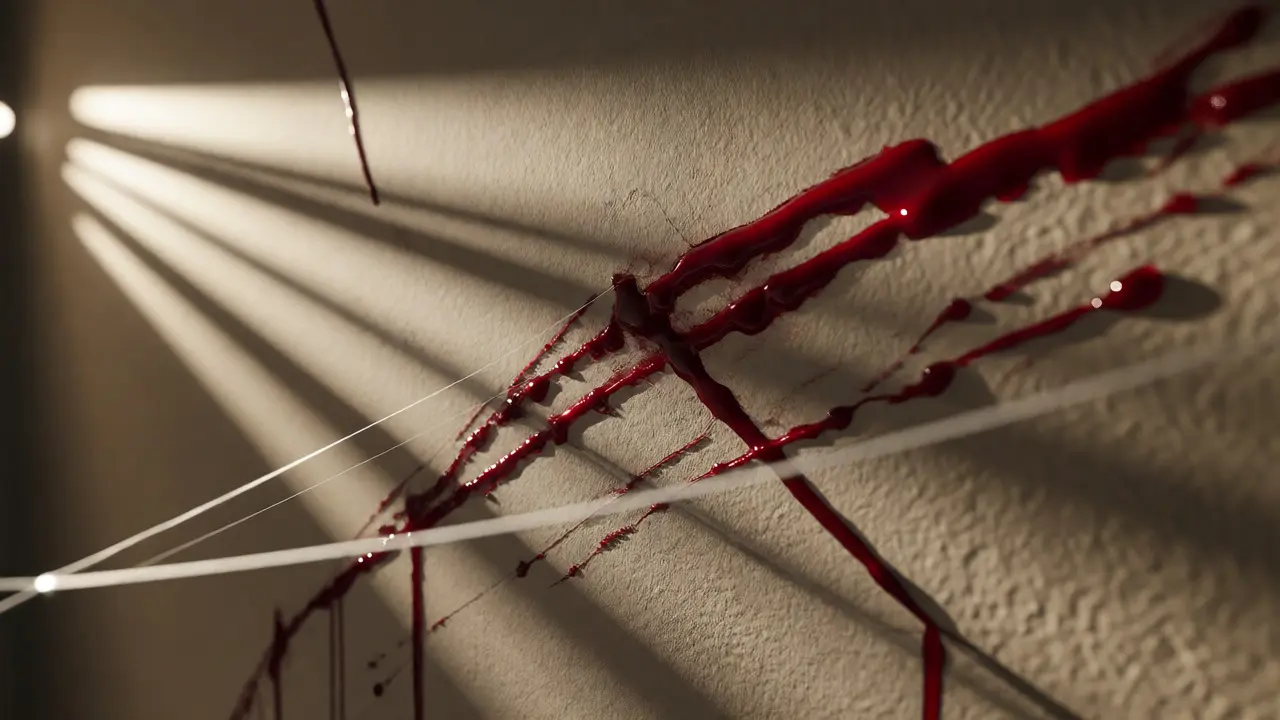
Cast-Off Patterns: Understanding Blood Ejected from Moving Objects
- By : Ian Brophy
- Date : Sep 16 2026
Discover how cast-off patterns reveal the number of swings and directionality in violent crimes. Learn the physics behind blood ejected from moving objects.
Forensic DNA Mini-STRs: Solving Degraded Sample Cases
- By : Ian Brophy
- Date : Sep 16 2026
Discover how Mini-STRs rescue degraded DNA evidence. Learn when to use them, their science, and real-world applications in forensics.
Forensic Report Writing: Best Practices for Clear, Court-Ready Documentation
- By : Ian Brophy
- Date : Sep 15 2026
Master forensic report writing with best practices for clarity, structure, and legal accuracy. Learn how to write court-ready documents that withstand cross-examination.
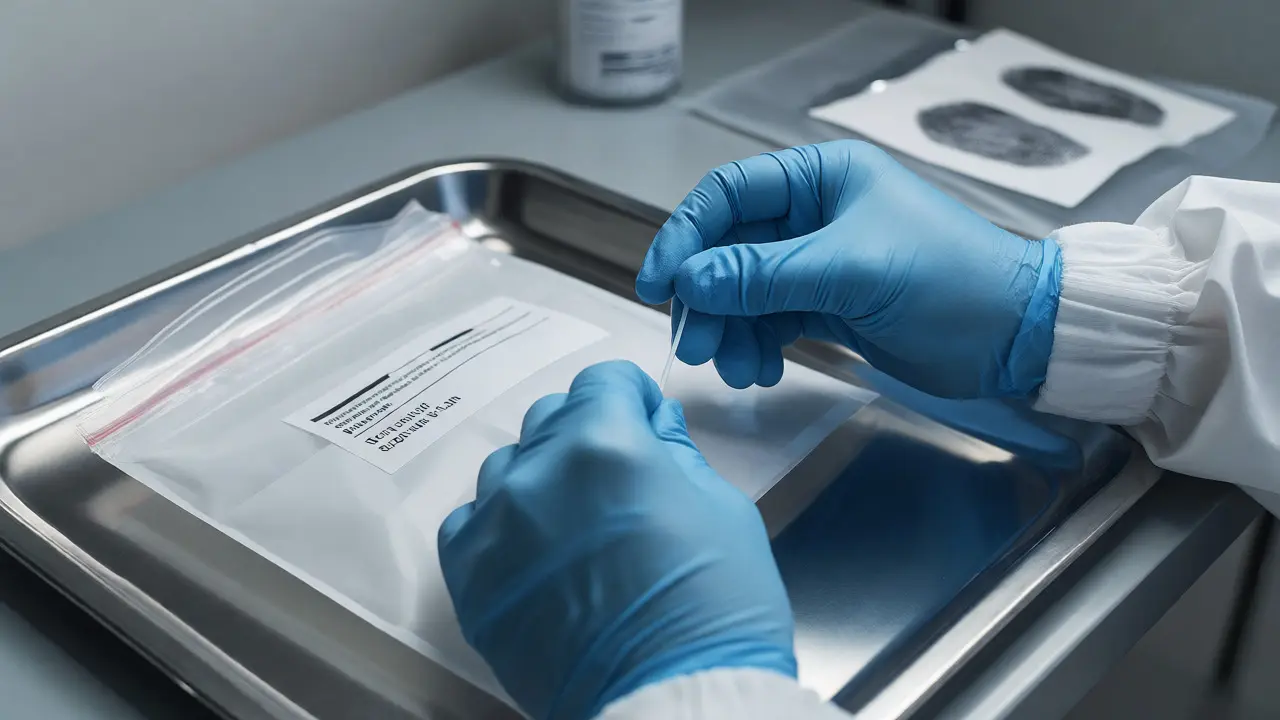
Control Samples in Forensics: Why They Matter and How to Collect Them
- By : Ian Brophy
- Date : Sep 14 2026
Learn why control samples are critical in forensic investigations. Discover the difference between reference and elimination samples, plus best practices for collection.
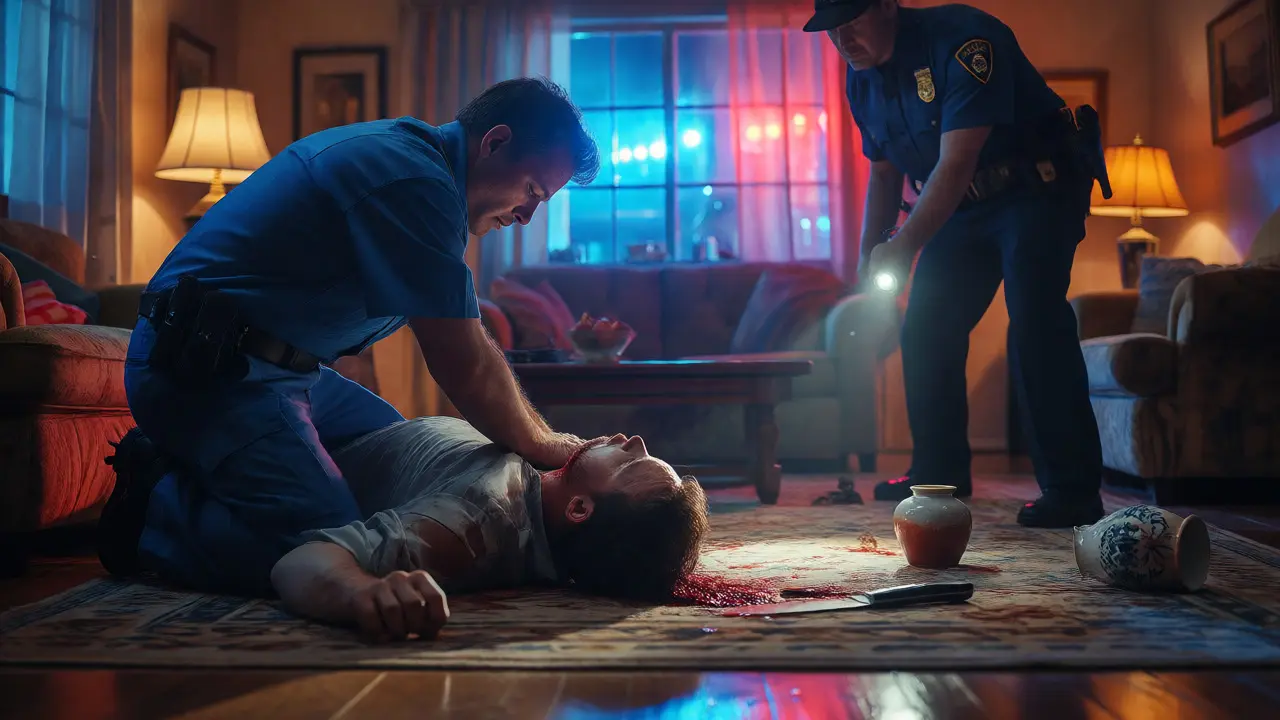
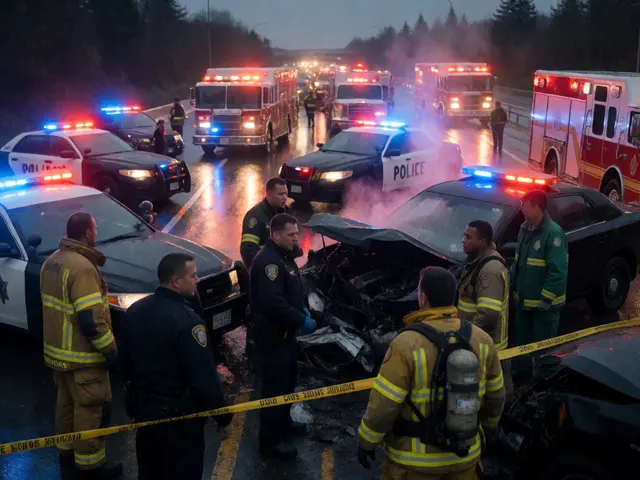
Emergency Medical Access: Balancing Aid with Evidence Preservation
- By : Ian Brophy
- Date : Sep 14 2026
Discover how first responders balance saving lives with preserving crime scene evidence. Learn practical techniques for minimizing contamination, understanding jurisdictional priorities, and leveraging technology to maintain the chain of custody during emergency medical access.
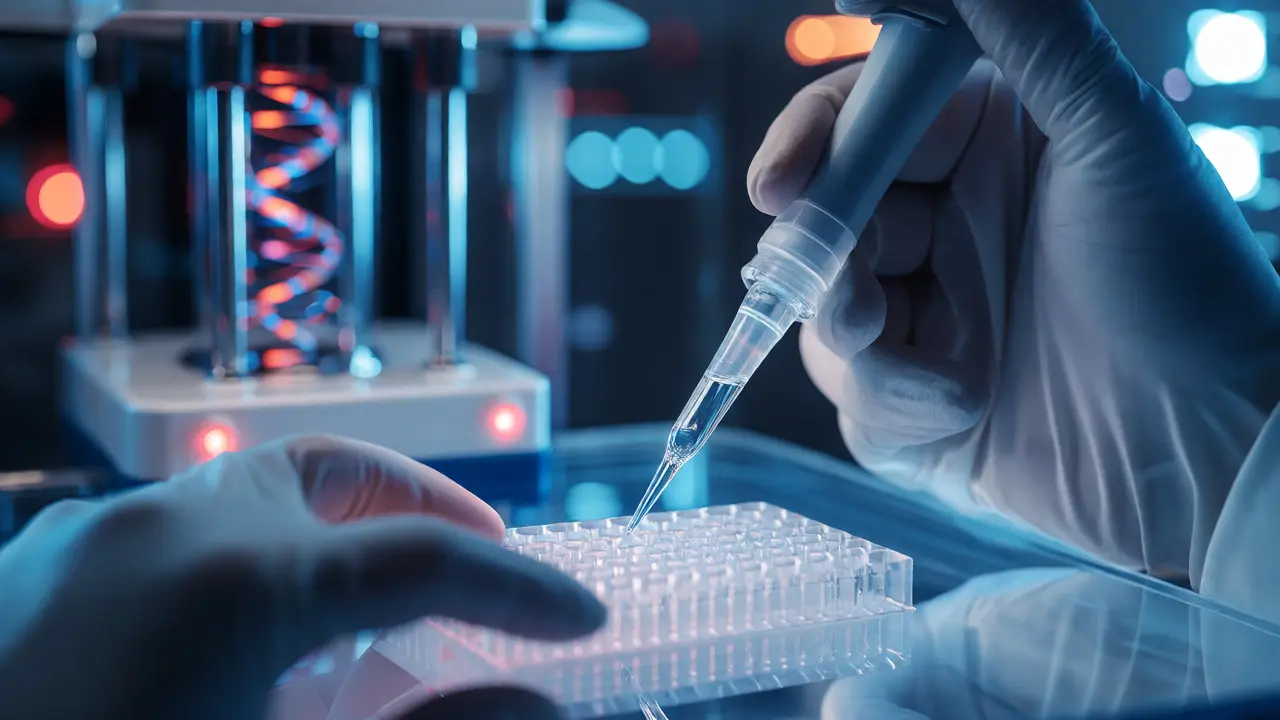
STR Profiling: How DNA Fingerprinting Works in Forensics
- By : Ian Brophy
- Date : Sep 14 2026
Discover how STR profiling revolutionized forensic science. Learn why Short Tandem Repeats are the gold standard for DNA identification, how the process works, and its limitations.
Electronic Report Systems in Forensics: Digital Documentation Tools
- By : Ian Brophy
- Date : Sep 13 2026
Discover how electronic report systems transform forensic labs by replacing paper with digital documentation tools. Learn about chain of custody benefits, security compliance, and implementation strategies.
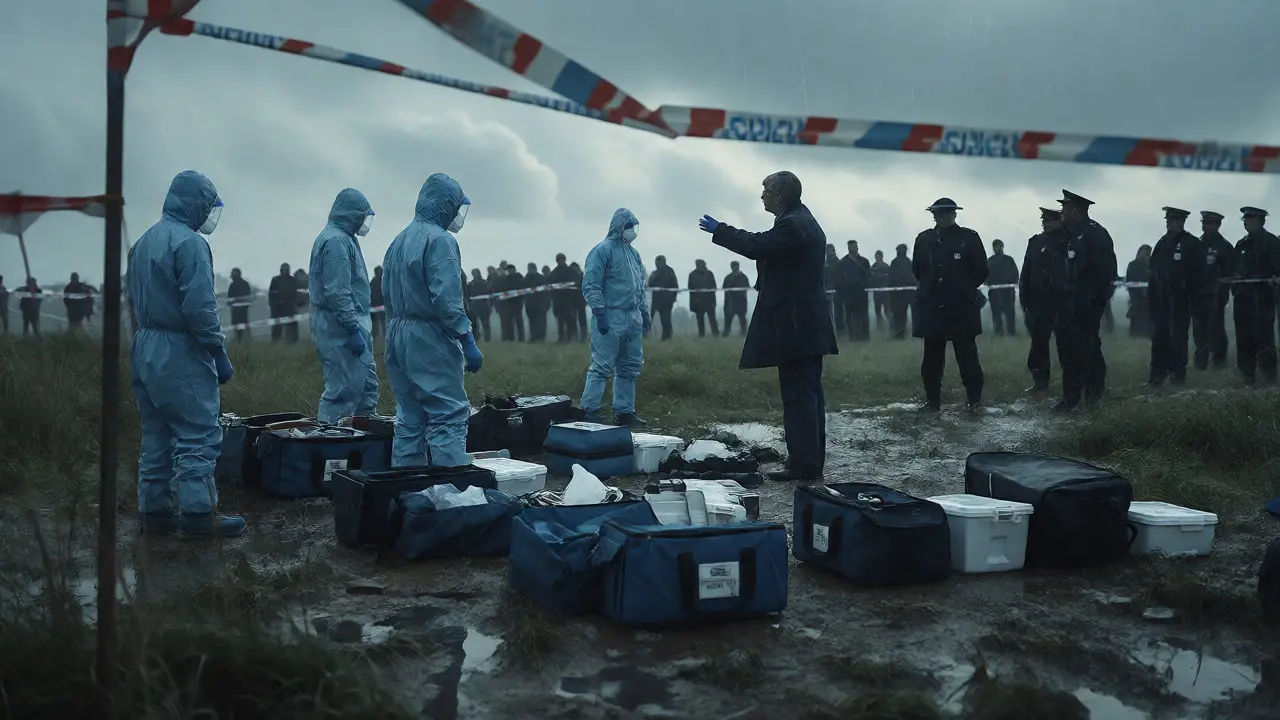
Crime Scene Command Posts: Setup, Roles, and Operations
- By : Ian Brophy
- Date : Sep 13 2026
Learn how to establish and operate a crime scene command post. Discover the importance of location selection, essential equipment, and clear roles within the Incident Command System to protect evidence integrity.
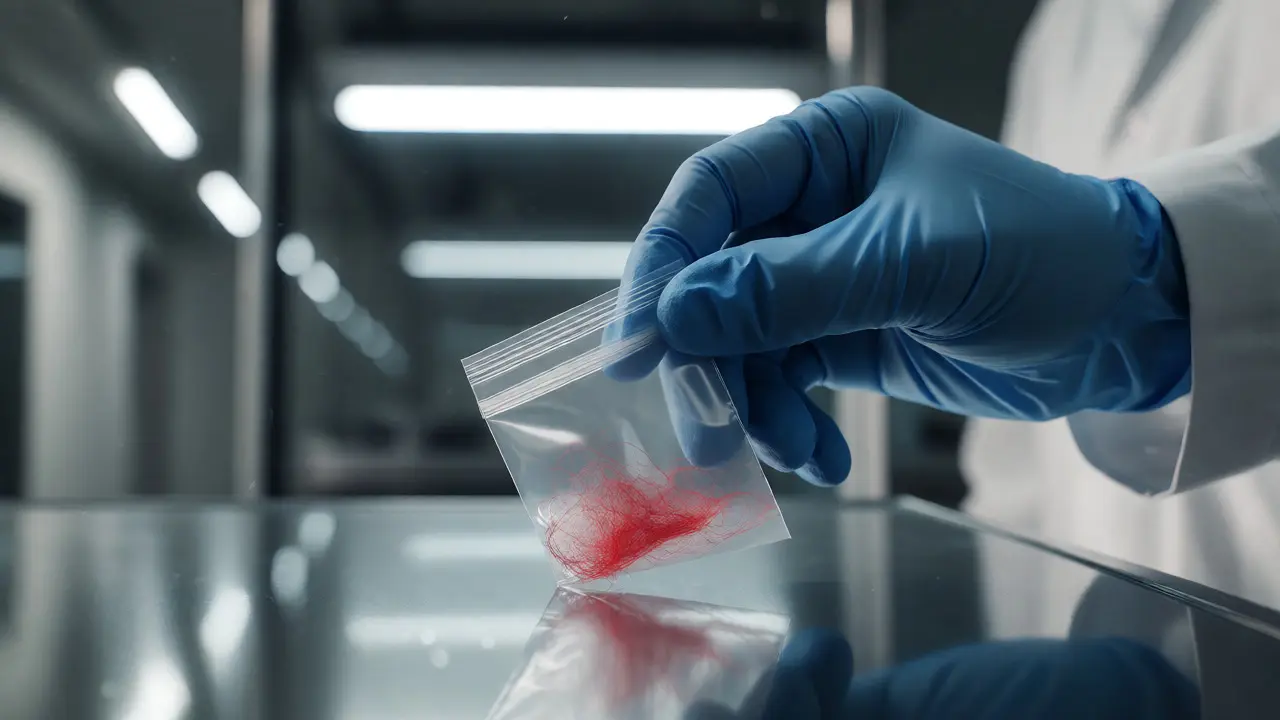
Understanding Locard's Exchange Principle in Crime Scene Investigation
- By : Ian Brophy
- Date : Sep 12 2026
Discover how Locard's Exchange Principle shapes crime scene investigation. Learn why every contact leaves a trace and how forensic scientists use transfer evidence to solve crimes.
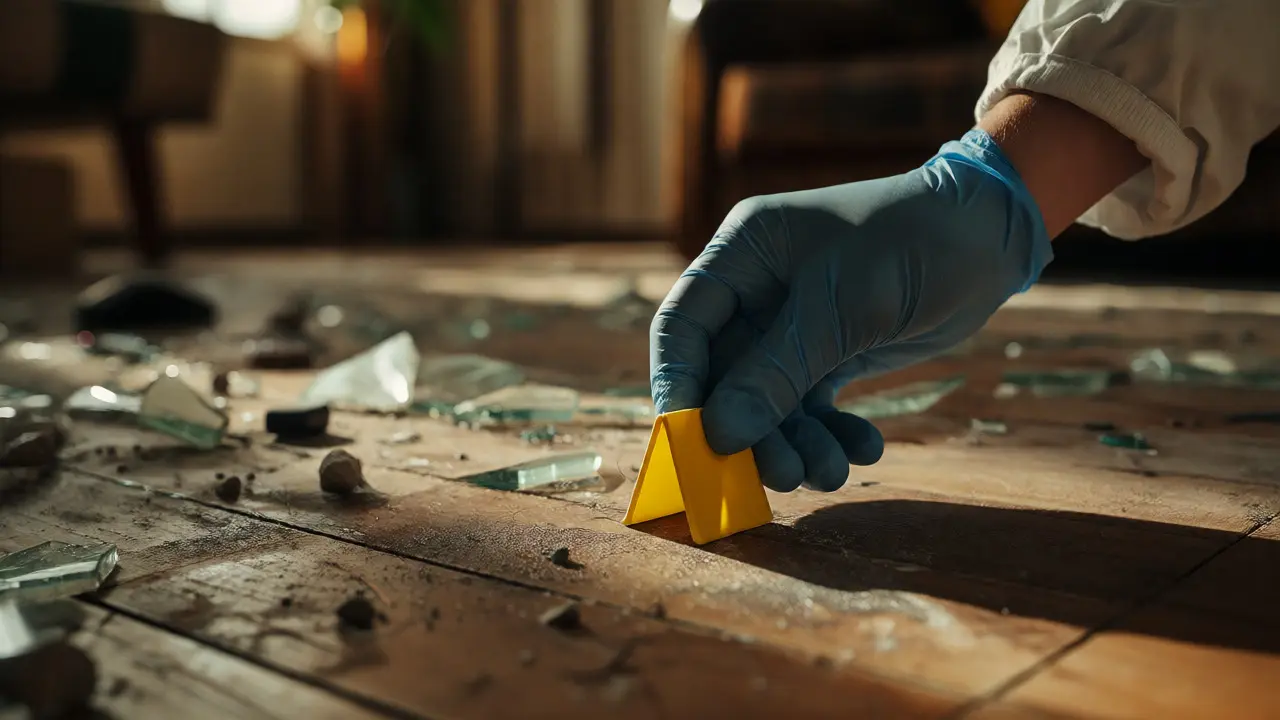
Using Scene Flags and Markers Without Contaminating Evidence
- By : Ian Brophy
- Date : Sep 12 2026
Learn how to use crime scene markers effectively without contaminating evidence. Discover the risks of standard marking, choose the right tools, and master non-contact protocols.
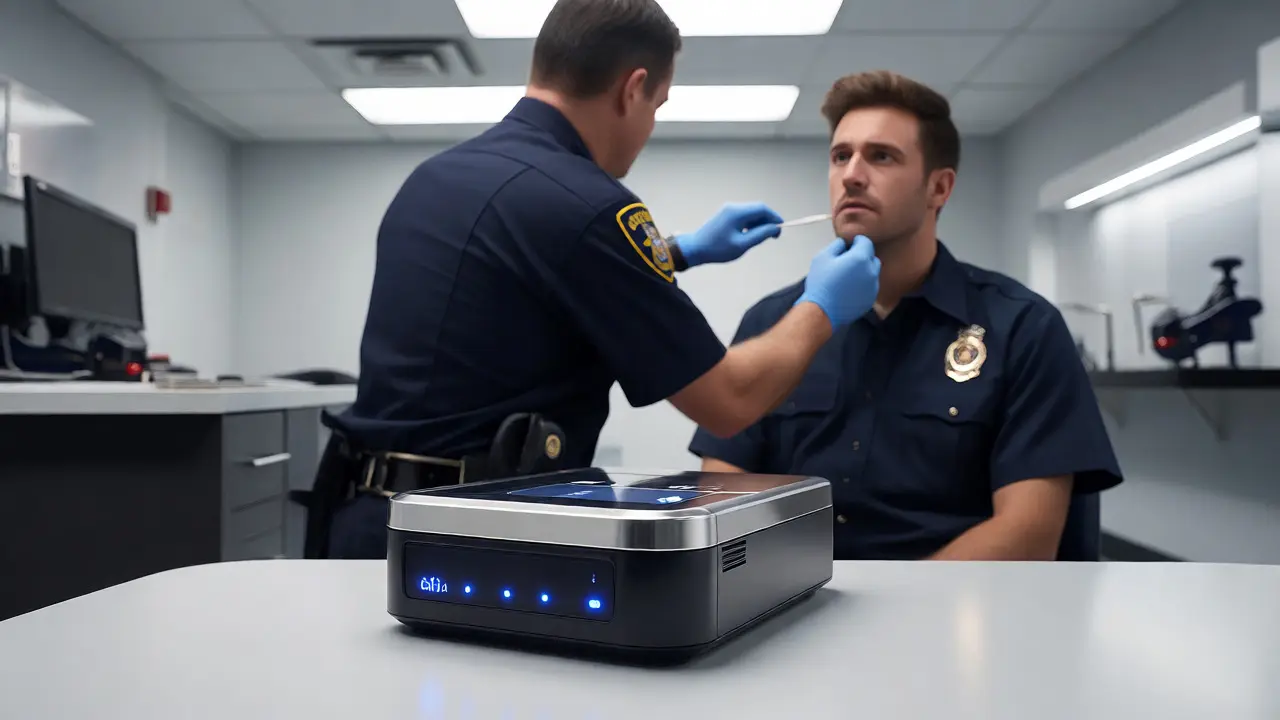
Rapid DNA Technology: Booking and Field Applications in Forensics
- By : Ian Brophy
- Date : Sep 11 2026
Discover how rapid DNA technology transforms booking and field operations. Learn about timelines, legal implications, and best practices for implementation.
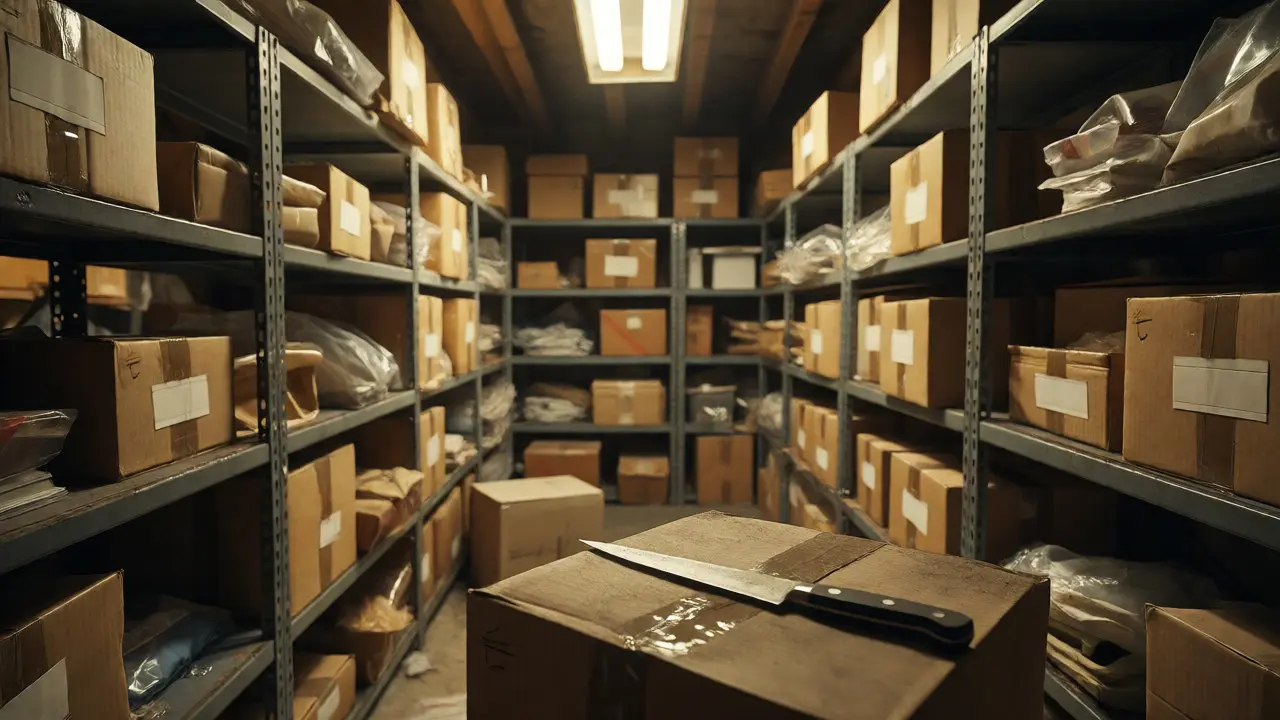
Property Room Organization: Mastering Shelf-Life and Retrieval Controls
- By : Ian Brophy
- Date : Sep 11 2026
Learn how to optimize property room organization with effective shelf-life policies and retrieval controls. Discover strategies for zoning, automation, and staff training to enhance evidence integrity.