You walk into a crime scene. The body is there. The blood is dry. But the story isn't just in what happened to the victim-it’s in what the killer did before they ever picked up that weapon. Most people think profiling is about guessing who did it based on a gut feeling. It’s not. It’s about reading the behavioral residue left behind by the specific actions an offender takes before, during, and after a crime. When we talk about leakage and pre-attack behaviors, we are talking about the cracks in the offender's mask. These are the moments where their fantasy, their planning, and their emotional state bleed out into the physical world.
If you’re studying criminal profiling, you know that no two crimes are identical, but patterns repeat. Why? Because offenders have needs. They have scripts. And when those scripts collide with reality, things go wrong. That’s where leakage happens. Understanding these indicators helps investigators move from "who could have done this" to "who actually did this." It turns abstract psychology into concrete investigative leads.
What Is Leakage in Criminal Behavior?
Think of leakage as the involuntary disclosure of internal states or intentions through external behavior. In everyday life, you might leak anxiety by tapping your foot or leaking anger by clenching your jaw. In criminal behavior, leakage is often more dramatic and physically evident. It occurs when an offender’s emotional arousal exceeds their ability to control their actions or conceal their true nature.
This isn't just about sloppy work. Sometimes, the offender is careful. They wear gloves. They clean up. But they still leave something behind because their brain was screaming louder than their logic. For example, consider an offender who meticulously arranges the victim’s hands over their face. This isn't random. It’s a leak of shame or guilt. Or consider the excessive violence-stabbing a victim twenty times when three would have sufficed. That extra effort leaks rage or a need for dominance that goes beyond simple killing.
| Type of Leakage | Description | Example Indicator |
|---|---|---|
| Emotional | Actions driven by sudden spikes in emotion rather than plan | Overkill, mutilation, tearing clothing |
| Cognitive | Mistakes made due to distraction or fantasy immersion | Dropping personal items, forgetting to lock doors |
| Physical | Inadvertent transfer of evidence due to lack of care | Hair, fibers, DNA under fingernails |
The key takeaway here is that leakage breaks the illusion of the "perfect crime." Even organized offenders leak. They might just do it in subtler ways, like using a specific type of knot that matches their hobby, or choosing a location that has personal significance to them. Your job is to spot the anomaly-the thing that doesn’t fit the cold logic of the crime.
The Anatomy of Pre-Attack Behaviors
Before the first blow lands, there is a period of preparation. This is the pre-attack phase, which includes all actions taken by the offender to select, approach, and subdue the victim. Analyzing this phase gives us a window into the offender’s decision-making process. Did they stalk the victim for weeks? Did they grab someone at random? The answers change everything.
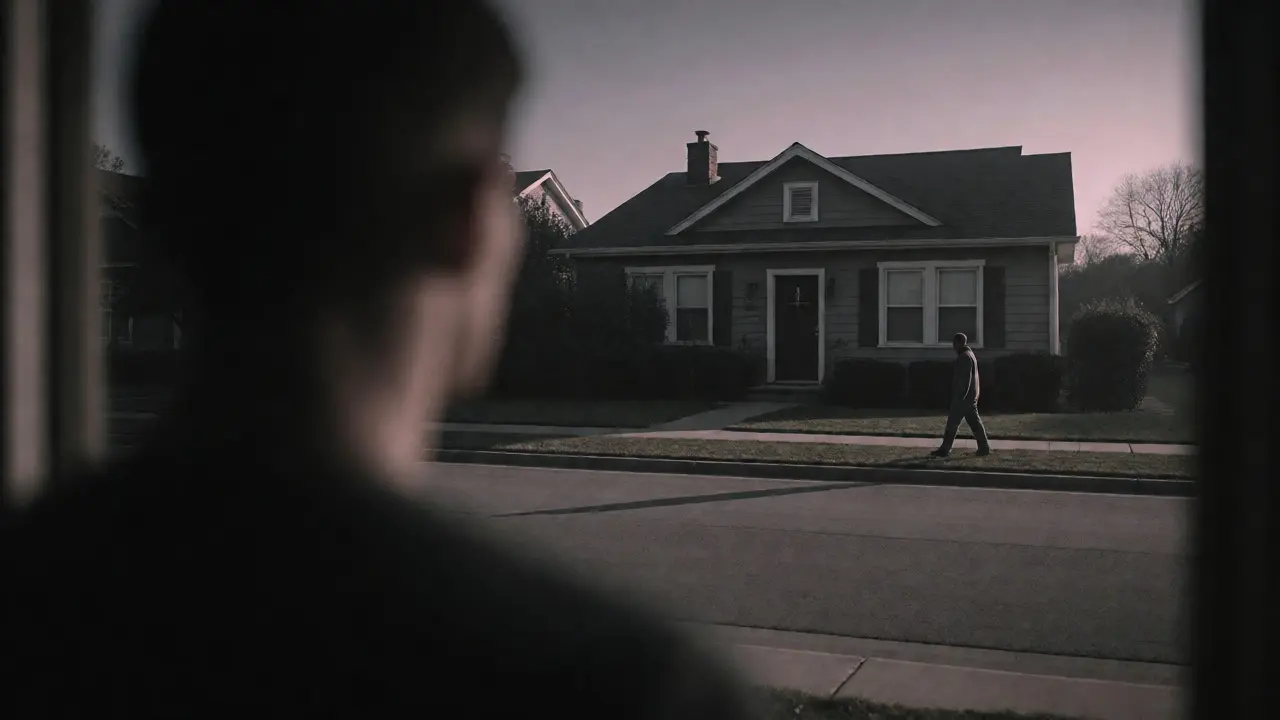
Let’s look at victim selection. If an offender spends days watching a house, they are likely seeking control and familiarity. They want to know the routine. They want to minimize risk. This suggests a methodical personality, possibly someone who feels powerless in other areas of life and seeks power through prediction. On the flip side, if the attack is opportunistic-grabbing a stranger off the street-the offender is acting on impulse. They are less concerned with long-term consequences and more focused on immediate gratification.
Then there is the approach. How does the offender get close? Do they use a ruse? A fake police badge? A broken car? Using a ruse indicates social competence and a desire to lower the victim’s guard. It shows the offender thinks they can manipulate the situation. If they simply tackle the victim, they are relying on physical force and surprise. This tells you about their confidence level and their view of the victim as an object rather than a person.
Consider the concept of target hardening from the victim's perspective. If a victim has strong locks and lights, an organized offender will wait for a lapse. An disorganized one might break a window anyway. The interaction between the offender’s plan and the victim’s defenses creates a behavioral footprint. Did the offender enter through the front door (confidence) or a back window (stealth)? Did they take time to change clothes (ritual) or act immediately (urgency)?
Reading the Scene: Indicators of Offender State
Once the attack begins, the scene becomes a canvas of the offender’s psyche. You need to look for specific indicators that reveal their mental state. Are they calm? Panicked? Ecstatic? The arrangement of objects, the condition of the body, and the presence of ritualistic elements all point to the answer.
Look at the weapon. Was it brought from home or found at the scene? Bringing a weapon implies planning. Finding one implies impulsivity. But dig deeper. If they brought a knife but used their hands, why? Maybe the knife wasn’t sharp enough. Maybe they wanted tactile contact. This shift in tool usage is a massive indicator of changing intent or rising emotion.
Another critical area is staging. Staging occurs when an offender alters the crime scene to mislead investigators. They might make a homicide look like a burglary. They might place a cigarette near the body to suggest a smoker was present. Staging is a form of leakage too. It reveals what the offender *thinks* investigators will believe. It shows their ego and their attempt to control the narrative. However, bad staging often leaves obvious clues. If the forced entry looks fake, or if valuable items are left untouched while small trinkets are taken, the lie is exposed.
Don’t ignore the post-attack behaviors either, even though they fall outside the strict "pre-attack" definition. They complete the loop. Does the offender return to the scene? Do they call the police? Do they flee immediately? Returning to the scene often signals a need for validation or a desire to relive the event. Fleeing suggests fear of capture. Calling the police might indicate a desire for attention or a belief in their own cleverness.

Interventions: Turning Behavior into Action
So, how do you use this information? You don’t just write a report. You build a strategy. Interventions in criminal profiling aren’t just about catching the guy; they’re about predicting his next move and disrupting his pattern.
First, use geographic profiling. If the pre-attack behaviors show extensive stalking, map the anchor points. Where does the offender live? Work? Go to school? Stalkers rarely travel far from their comfort zone. By analyzing the distance between the crime scenes and the likely residence, you can narrow the search radius significantly. Tools like Rigel or CrimeStat help visualize these hotspots, but the human interpretation of the behavioral data is what makes it work.
Second, tailor the media release. If the offender is motivated by attention, give them some. Release details that only the killer would know. Watch their reaction. Do they call in? Do they send letters? If they are shy and avoidant, keep the investigation quiet. Overexposure might cause them to stop attacking, which buys you time to gather forensic evidence. Underexposure might let them strike again. Balancing this requires understanding the offender’s core psychological need.
Third, adjust interview strategies. If you identify a suspect, how do you question them? If the profile suggests a narcissistic, organized offender, challenge their intellect. Let them explain their alibi in detail. Let them correct you. They will slip up because they want to be right. If the suspect fits a disorganized, impulsive profile, keep the questions simple and direct. Don’t overwhelm them. They might confess just to end the discomfort of the interrogation room.
Finally, consider preventive interventions. Understanding pre-attack behaviors helps law enforcement recognize potential threats before they escalate. Patrol officers trained in behavioral cues can spot aggressive posturing, erratic movement, or inappropriate proximity to potential victims. Early intervention stops the cycle before it reaches the violent climax.
Common Pitfalls in Analysis
Even experienced profilers make mistakes. The biggest error is confirmation bias. You see one clue that fits your theory, so you ignore five clues that don’t. You assume the offender is angry because of the stabbing, but maybe the stabbing was just efficient. Always play devil’s advocate. Ask yourself: "What else could this mean?"
Another pitfall is ignoring the victim’s role. Victims are not passive objects. Their resistance, their lifestyle, and their interactions with the offender shape the crime. If the victim fought back, the offender’s response tells you about their tolerance for struggle. If the victim knew the offender, the dynamics change completely. Never analyze the offender in a vacuum.
Also, beware of the "Hollywood effect." Real criminals aren’t always geniuses. Many are messy, stupid, and lucky. Don’t create a mastermind if the evidence points to a drifter who panicked. Simplicity is often the truth.
What is the difference between modus operandi and signature?
Modus operandi (MO) refers to the practical steps an offender takes to commit the crime and escape, such as wearing gloves or using a specific entry point. MOs can evolve as the offender gains experience. Signature, however, refers to the unnecessary actions that satisfy the offender's psychological needs, such as posing the body or taking a trophy. Signatures tend to remain stable across crimes because they are tied to deep-seated fantasies.
Can pre-attack behaviors predict future crimes?
Yes, to an extent. By analyzing the escalation in pre-attack behaviors-such as increasing the time spent stalking or moving to closer locations-investigators can predict when and where the next attack might occur. This allows for targeted surveillance and resource allocation, potentially intercepting the offender before the next incident.
How does victimology influence the analysis of leakage?
Victimology provides context for the offender's choices. If the victim was high-risk (e.g., involved in sex work), the offender might feel less fear of detection, leading to different leakage patterns than if the victim was low-risk. Understanding the victim's lifestyle helps determine whether the offender selected them for convenience or for symbolic reasons, which clarifies the motivation behind the behavioral residues.
Is overkill always a sign of personal connection?
Not always. While overkill often indicates intense emotion, which can stem from a personal relationship, it can also result from a stranger panic response or a specific fantasy script. Investigators must look at the distribution of wounds and the position of the body to distinguish between rage-driven overkill and ritualistic overkill.
How do investigators handle staged crime scenes?
Investigators look for inconsistencies between the physical evidence and the staged appearance. For example, if a scene is staged as a suicide but the gun is in the wrong hand relative to the wound trajectory, or if blood spatter patterns contradict the claimed sequence of events, these discrepancies reveal the staging. Forensic reconstruction is crucial here to separate fact from fabrication.