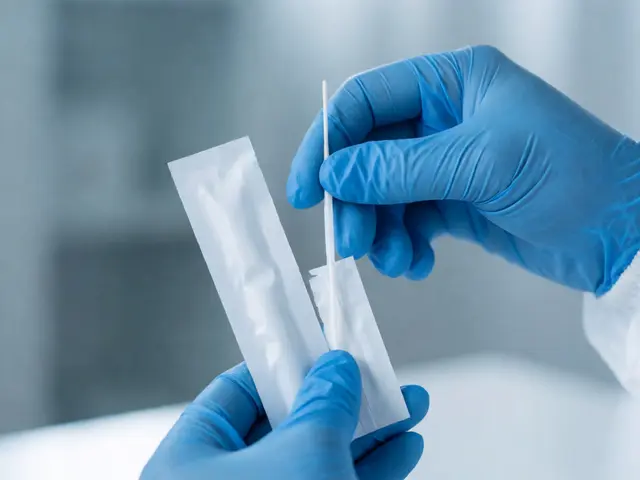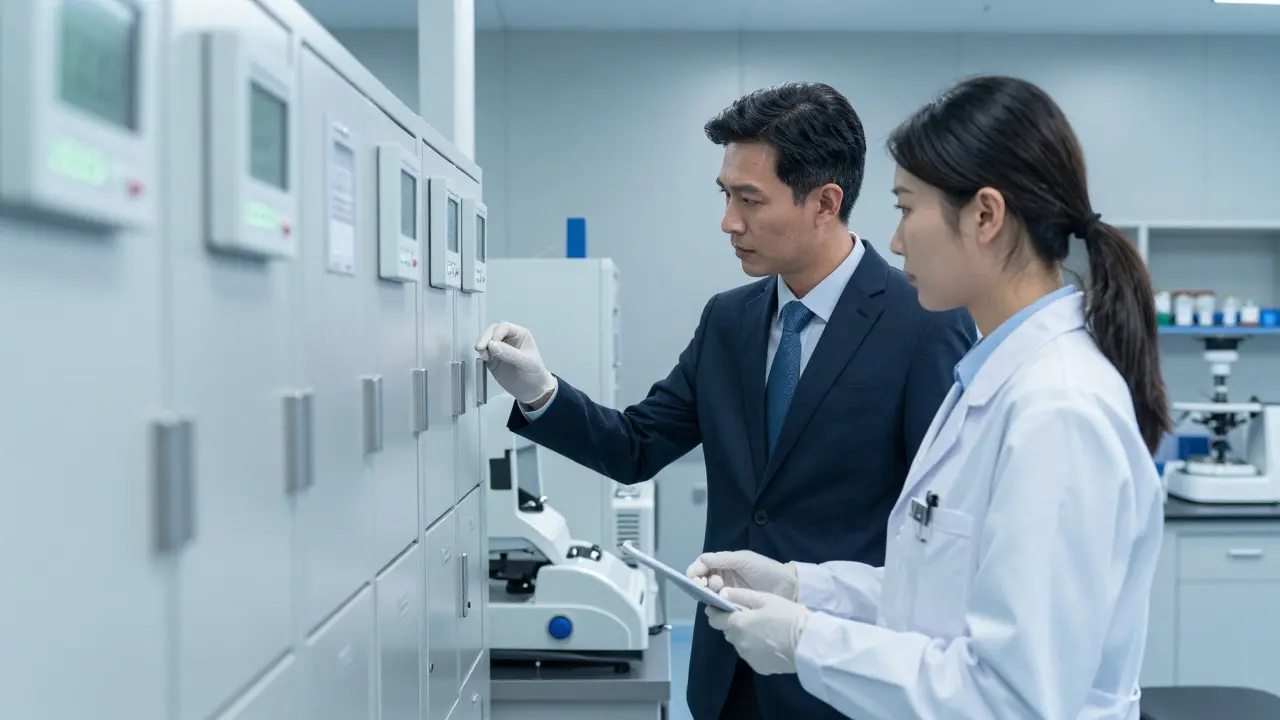
Imagine a high-profile murder trial where the defense attorney requests to walk through the crime lab. Not just look at a report, but physically inspect how the evidence was stored, who touched it, and whether the temperature logs match the sample history. This is third-party access, specifically in the context of defense inspections and supervision of forensic processes. It’s a growing trend that challenges labs to prove their work isn’t just scientifically sound, but procedurally transparent.
For years, forensic laboratories operated behind closed doors, relying on accreditation bodies like ANSI/NALM A2P to verify quality. But courts are increasingly demanding more. When the stakes are life or liberty, “trust us” isn’t enough. Defense teams now push for direct oversight to catch gaps in the chain of custody before they become grounds for dismissal.
Why Defense Teams Want In-Lab Access
The primary driver is risk mitigation. If a lab error leads to a wrongful conviction, the cost-both financial and reputational-is massive. By granting defense counsel limited access, labs demonstrate confidence in their protocols. It shifts the dynamic from adversarial suspicion to collaborative verification.
Defense attorneys aren’t trying to steal data; they’re looking for anomalies. Did the DNA sample sit in an unsecured locker for 48 hours? Was the cold storage unit’s alarm disabled during a shift change? These details often don’t appear in final reports but can undermine credibility if discovered later. Direct inspection allows legal teams to cross-reference physical records with digital logs in real-time.
Structuring Safe Third-Party Supervision
Opening your doors doesn’t mean handing over the keys. Effective supervision requires strict boundaries. Most successful programs use a tiered access model:
- Observation Only: The inspector watches procedures without touching equipment. Ideal for routine audits.
- Document Review: Access to raw data files, logbooks, and maintenance records. No physical handling of evidence.
- Physical Inspection: Limited access to storage areas (freezers, lockers) to verify conditions. Requires escort by a senior lab manager.
- Re-analysis Oversight: Watching a repeat test being performed on a split sample. Rare, but used in contested cases.
Each tier requires a signed Non-Disclosure Agreement (NDA) and a specific scope of work. Without these, you risk leaking sensitive case information or compromising other ongoing investigations.
Chain of Custody Under the Microscope
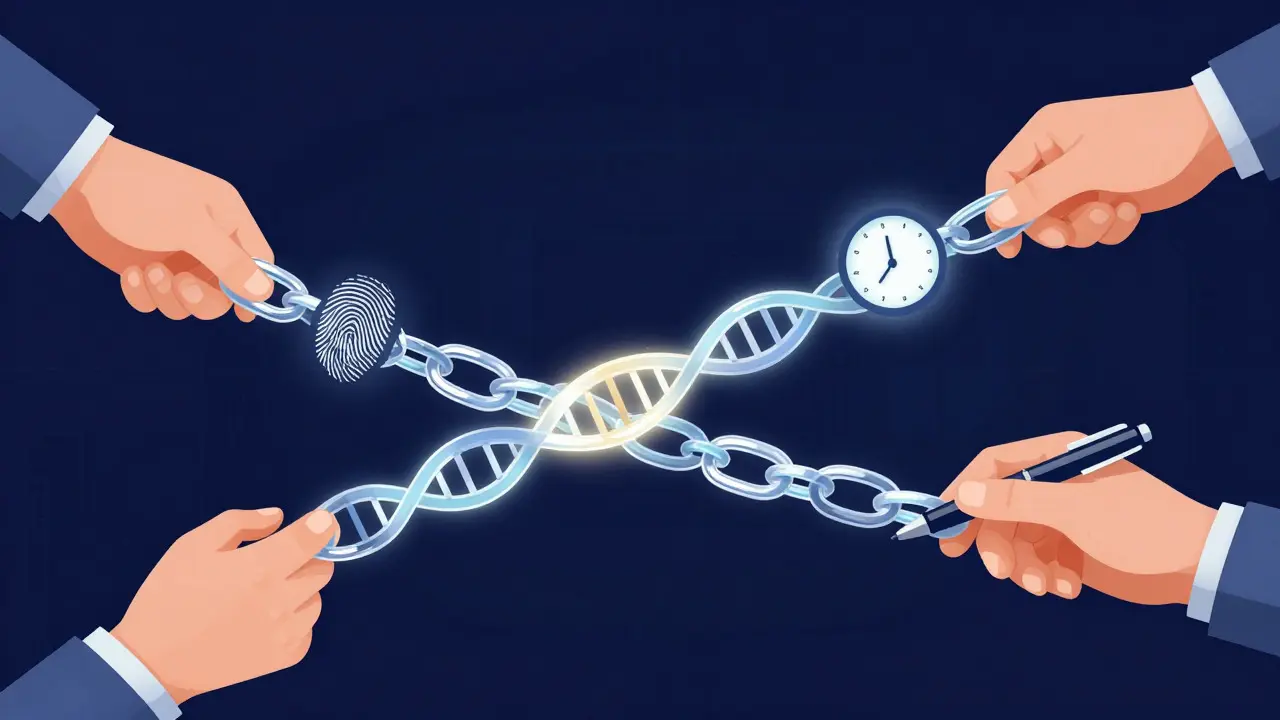
The chain of custody is the backbone of forensic integrity. It’s a chronological record showing every person who handled evidence, when, and why. During a defense inspection, this document becomes the focal point.
Inspectors will trace the path from collection to analysis. They’ll check for:
- Gaps in Time: Unexplained periods where evidence wasn’t accounted for.
- Signature Discrepancies: Does the handwriting match the authorized custodian?
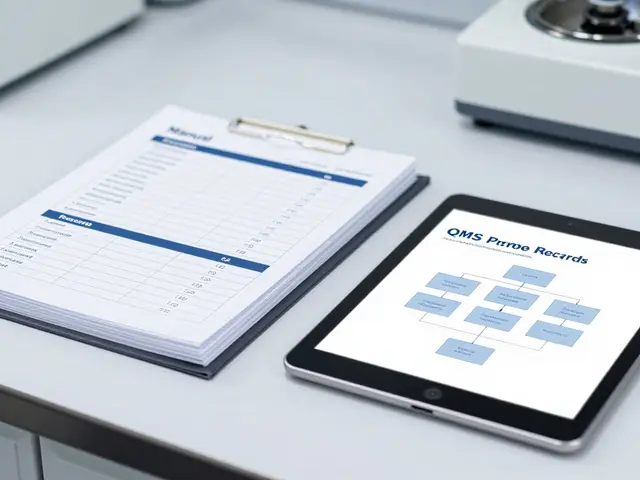
- Digital vs. Physical Mismatch: Do the timestamps in the Laboratory Information Management System (LIMS) align with paper logs?
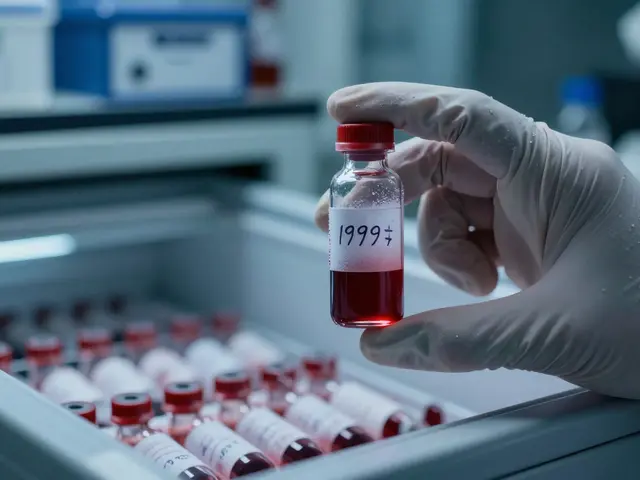
- Environmental Logs: For biological samples, did the freezer stay below -20°C throughout storage?
If any link breaks, the defense can argue contamination or tampering. To prepare, labs should automate their LIMS entries where possible. Manual transcription errors are the most common failure point during audits.
Common Pitfalls in Third-Party Audits
Even well-run labs stumble during inspections. Here are the top three mistakes we see:
- Over-Sharing: Allowing inspectors to browse unrelated cases. Stick to the specific case number cited in the court order.
- Poor Documentation Hygiene: Missing initialing on transfer forms. One missing signature can invalidate a week of testing.
- Staff Anxiety: Technicians getting nervous and making procedural errors while being watched. Pre-brief your staff on what to expect so they perform normally.
Pro tip: Conduct mock inspections quarterly. Have an internal team play the role of a skeptical defense attorney. It reveals weak spots before they become legal liabilities.
Best Practices for Lab Managers
To turn inspections from a threat into a trust-building opportunity, adopt these strategies:
| Strategy | Benefit | Risk if Ignored |
|---|---|---|
| Automated LIMS Logging | Reduces human error in time stamps | Credibility challenges in court |
| Standardized NDA Templates | Speeds up access approval | Legal disputes over confidentiality |
| Designated Escort Protocol | Prevents unauthorized area entry | Contamination or theft risks |
| Real-Time Data Dashboards | Shows live environmental monitoring | Allegations of hidden failures |
Invest in cloud-based LIMS systems that provide immutable audit trails. If a defense lawyer asks, “Who changed the status of Sample #402?” you should be able to answer instantly with a system-generated log, not a handwritten note found in a drawer.
Handling Disputes During Inspection
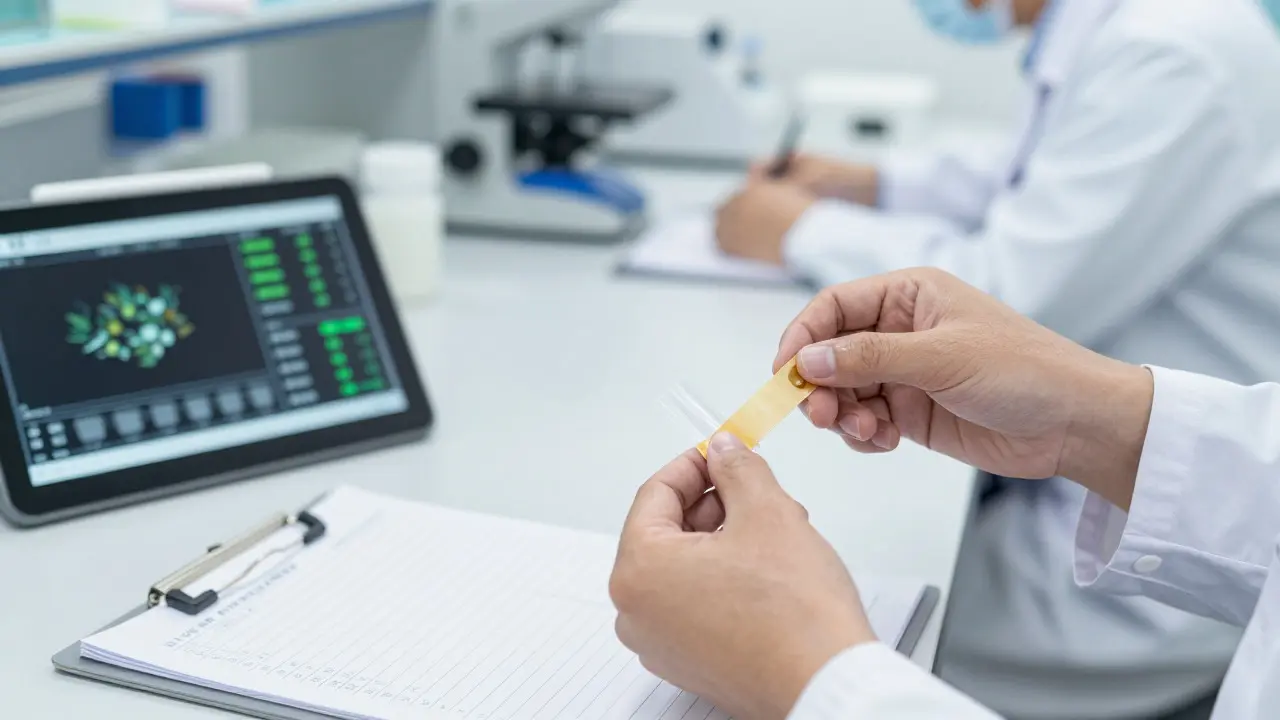
What happens if the inspector finds something wrong? Don’t panic. Pause the inspection, document the finding, and consult with legal counsel immediately. Never delete or alter records after the fact-that’s spoliation of evidence. Instead, create a corrective action plan. Show the inspector how you identified the issue, what immediate steps you took, and how you’ll prevent recurrence. Labs that respond proactively often gain more respect than those that hide minor errors.
Frequently Asked Questions
Do all forensic labs have to allow defense inspections?
Not automatically. It depends on jurisdiction and court orders. However, many states now encourage or mandate transparency for capital cases. Check your local rules of evidence and accreditation standards.
Can defense lawyers touch the evidence?
Usually no. They can observe and review documents. Physical handling is restricted to prevent contamination. If they need to handle items, it must be under strict supervision with gloves and tools provided by the lab.
How long does a typical inspection take?
A focused document review takes 2-4 hours. A full physical inspection including storage checks can take half a day to two days, depending on the volume of evidence and complexity of the case.
What is the difference between an audit and an inspection?
An audit is usually conducted by an external accrediting body (like A2LA) for compliance. An inspection is often requested by the defense or prosecution for a specific case to verify integrity. Audits are periodic; inspections are case-specific.
How do I prepare my staff for a surprise inspection?
Train them to follow standard operating procedures (SOPs) regardless of who is watching. Keep logbooks updated daily, not weekly. Ensure everyone knows the location of master records and backup drives. Regular drills reduce anxiety and errors.