Category: Forensics - Page 6
Behavioral Analysis: Decoding Criminal Motivations
- By : Ian Brophy
- Date : Aug 29 2026
Discover how behavioral analysis decodes criminal motivations by interpreting crime scene evidence. Learn the difference between MO and signature, and how psychological profiles guide investigations.
Maintaining Integrity During Evidence Custody Changes: A Practical Guide
- By : Ian Brophy
- Date : Aug 29 2026
Discover how to maintain evidence integrity during custody changes. Learn best practices for physical and digital transfers, avoid common pitfalls, and ensure legal admissibility.
Forensic Report Structure: Essential Components for Admissibility
- By : Ian Brophy
- Date : Aug 28 2026
Learn the essential components of a forensic report structure, from chain of custody to conclusions. Avoid common mistakes that lead to evidence suppression.
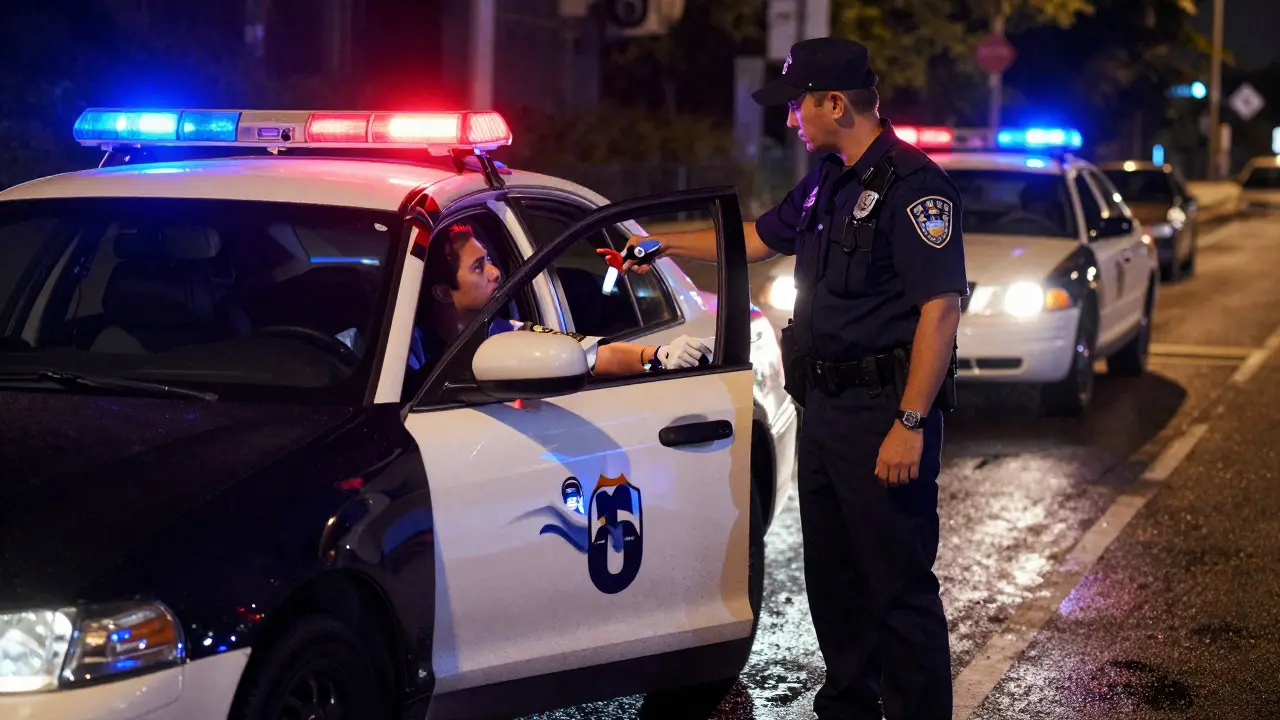
Toxicology in DUI Cases: Legal Standards & BAC Limits Explained
- By : Ian Brophy
- Date : Aug 28 2026
Explore the legal standards for DUI cases, focusing on BAC limits, testing methods, and the role of forensic toxicology in court.
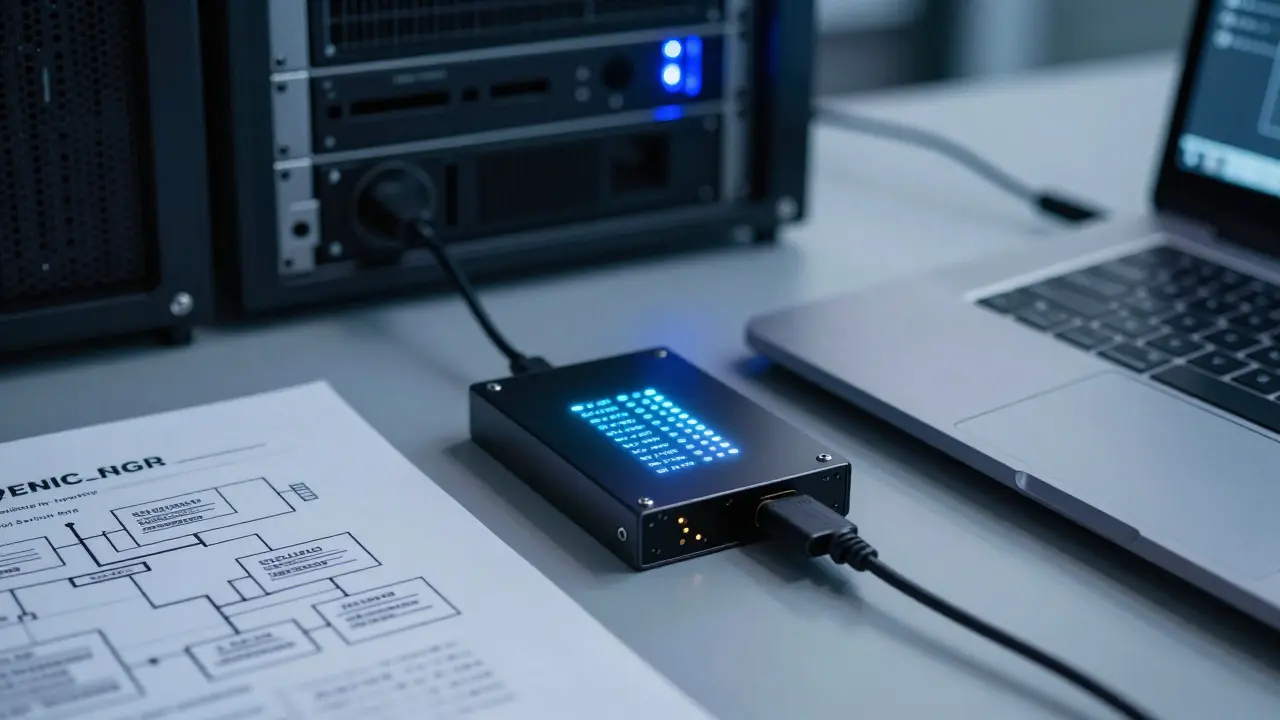
Timeline Analysis in Digital Forensics: Reconstructing Events Step-by-Step
- By : Ian Brophy
- Date : Aug 28 2026
Learn how to reconstruct digital events using timeline analysis. We cover MFT timestamps, log correlation, and fixing time zone errors to build a defensible forensic narrative.
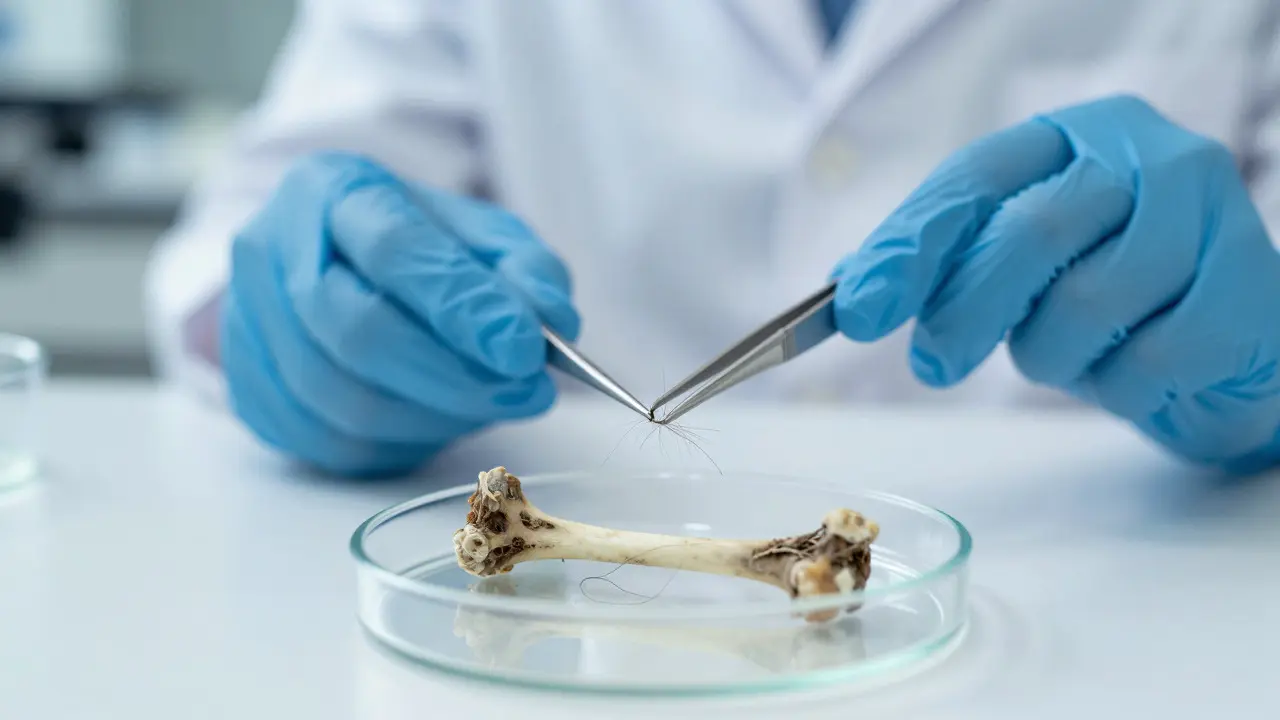
Mitochondrial DNA Analysis: Forensic Solutions for Degraded Evidence
- By : Ian Brophy
- Date : Aug 27 2026
Learn how mitochondrial DNA analysis solves forensic cases when standard nuclear DNA fails. Discover the science, limitations, and legal implications of using mtDNA for degraded evidence.
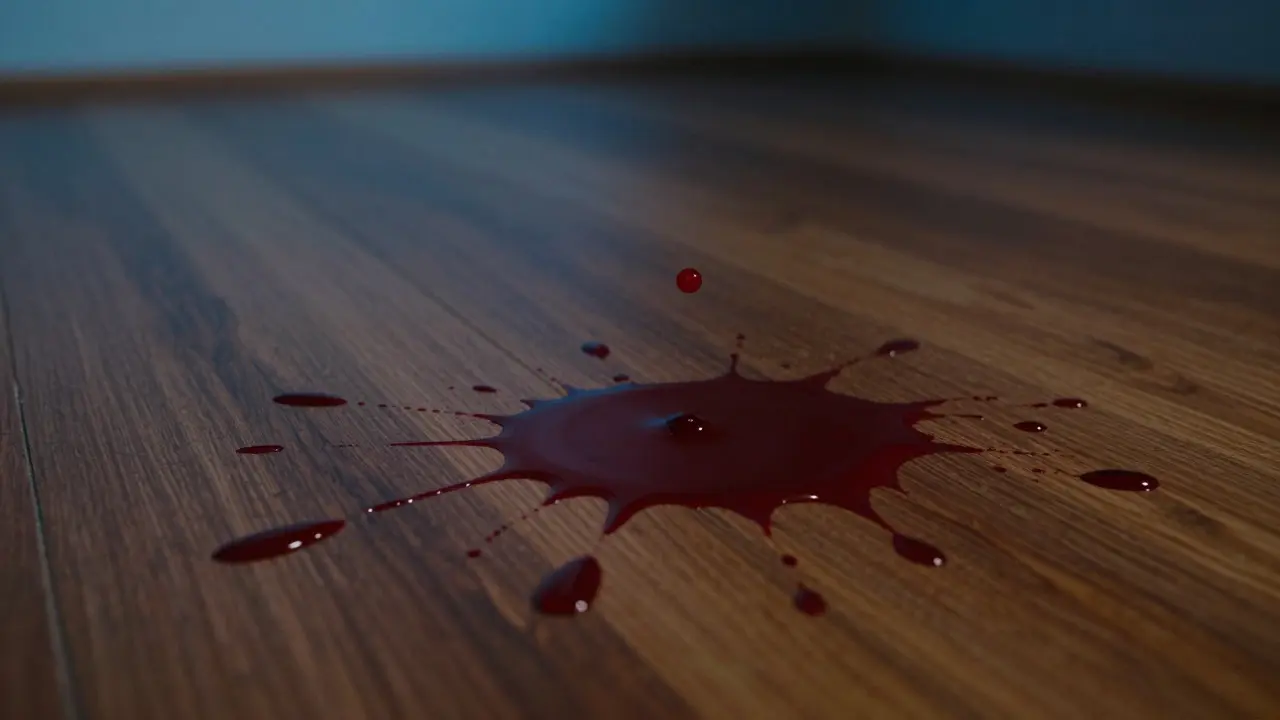
Bloodstain Pattern Analysis: A Practical Guide for Investigators
- By : Ian Brophy
- Date : Aug 26 2026
Learn how to interpret bloodstain patterns using physics and geometry. This guide covers classification, angle calculations, and scene reconstruction techniques for accurate forensic analysis.
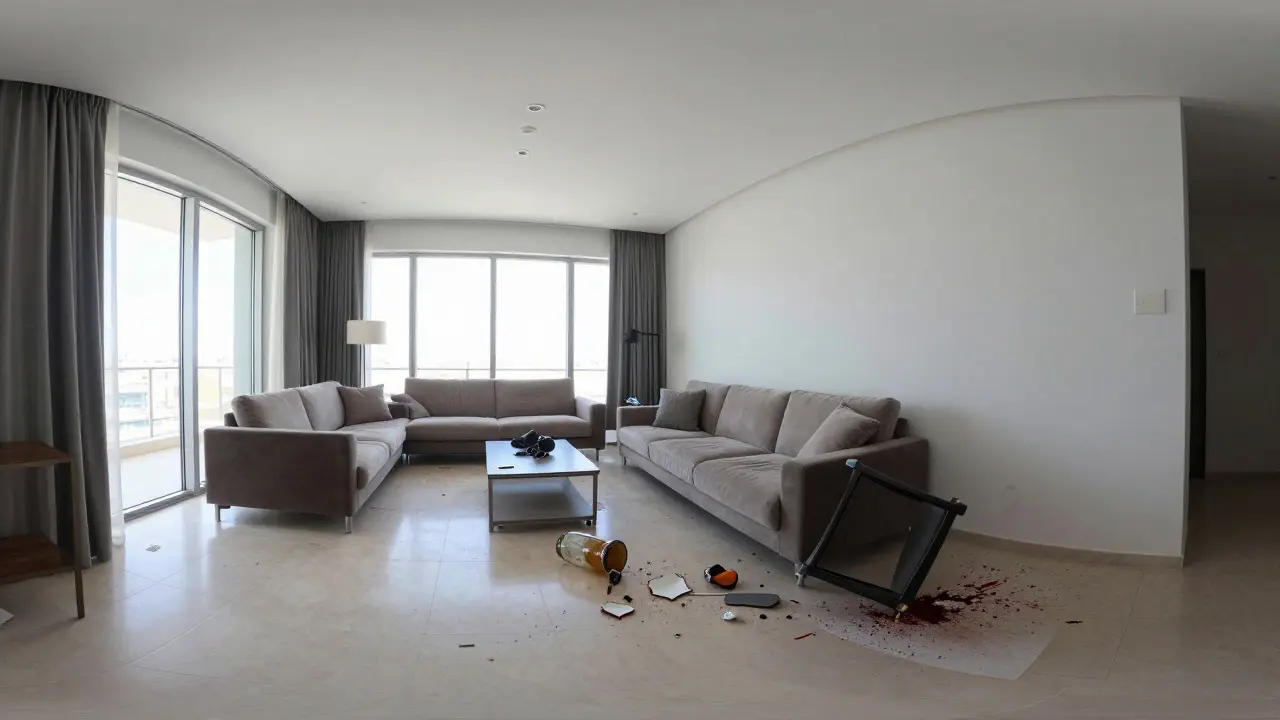
Wide-Angle Lens Photography: How to Capture Scene Context
- By : Ian Brophy
- Date : Aug 25 2026
Learn how to use wide-angle lenses to capture accurate scene context. This guide covers perspective control, the four-corners method, and avoiding common distortion errors in forensic and scene imaging.
Cold Case Reports: How to Revisit Historical Cases for Forensic Success
- By : Ian Brophy
- Date : Aug 25 2026
Discover how forensic teams revisit historical cases using modern tech. Learn about evidence preservation, legal hurdles, and best practices for solving cold mysteries.
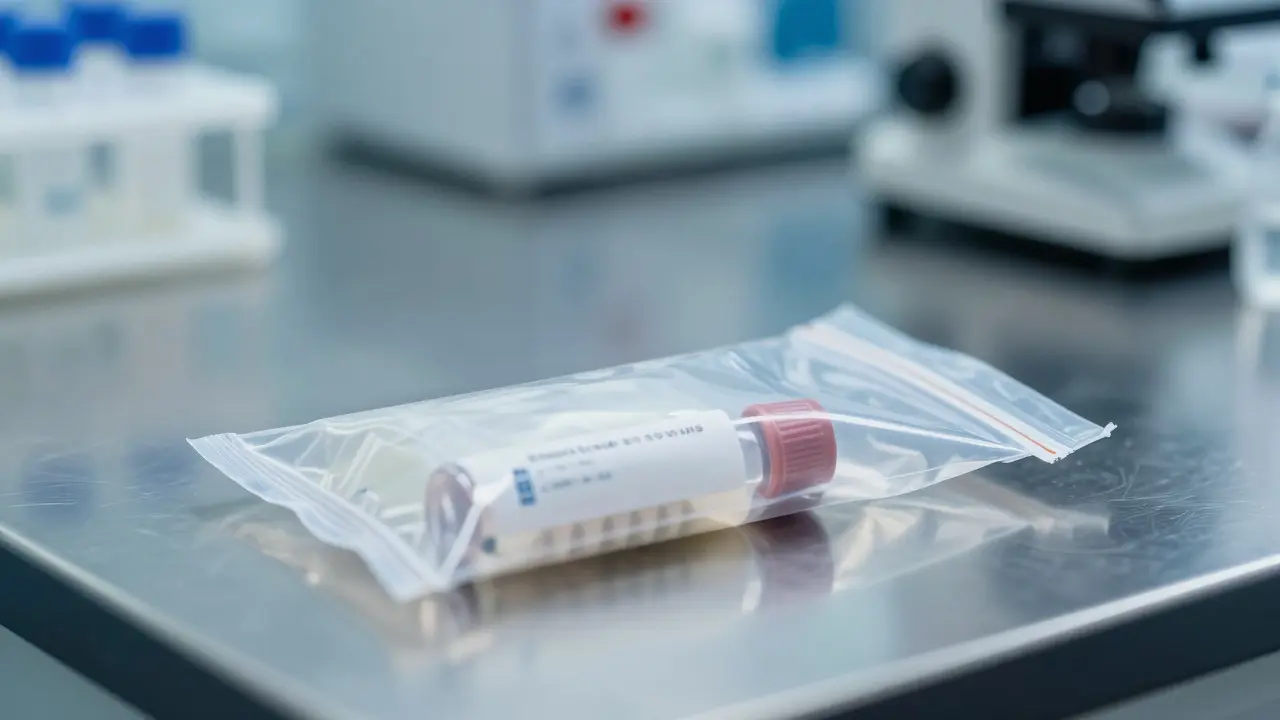
Chain of Custody Discrepancies: Investigation and Resolution Guide
- By : Ian Brophy
- Date : Aug 25 2026
Learn how to identify, investigate, and resolve chain of custody discrepancies to protect evidence integrity. Includes step-by-step protocols, risk assessment tables, and prevention strategies for forensics teams.
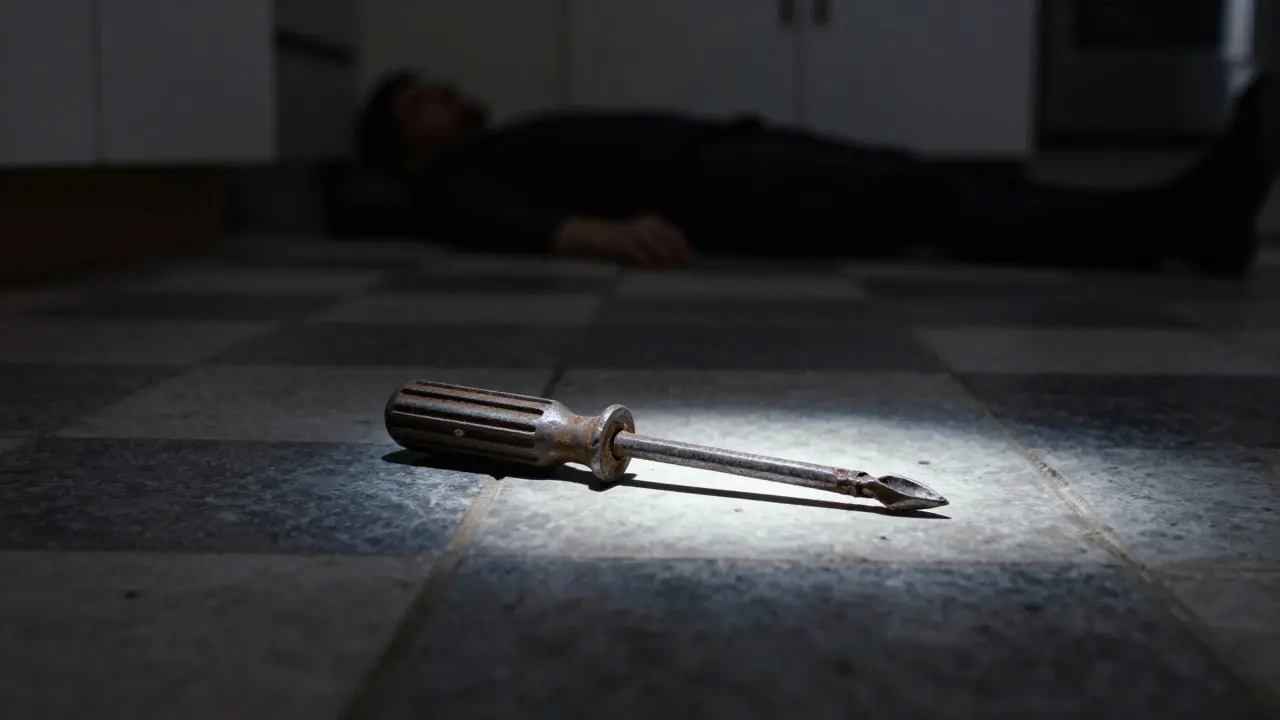
Evidence Description: The Complete Guide to Documenting Physical Items
- By : Ian Brophy
- Date : Aug 24 2026
Learn how to write precise, court-ready evidence descriptions for physical items. This guide covers key components, common pitfalls, and best practices for documenting forensic evidence effectively.
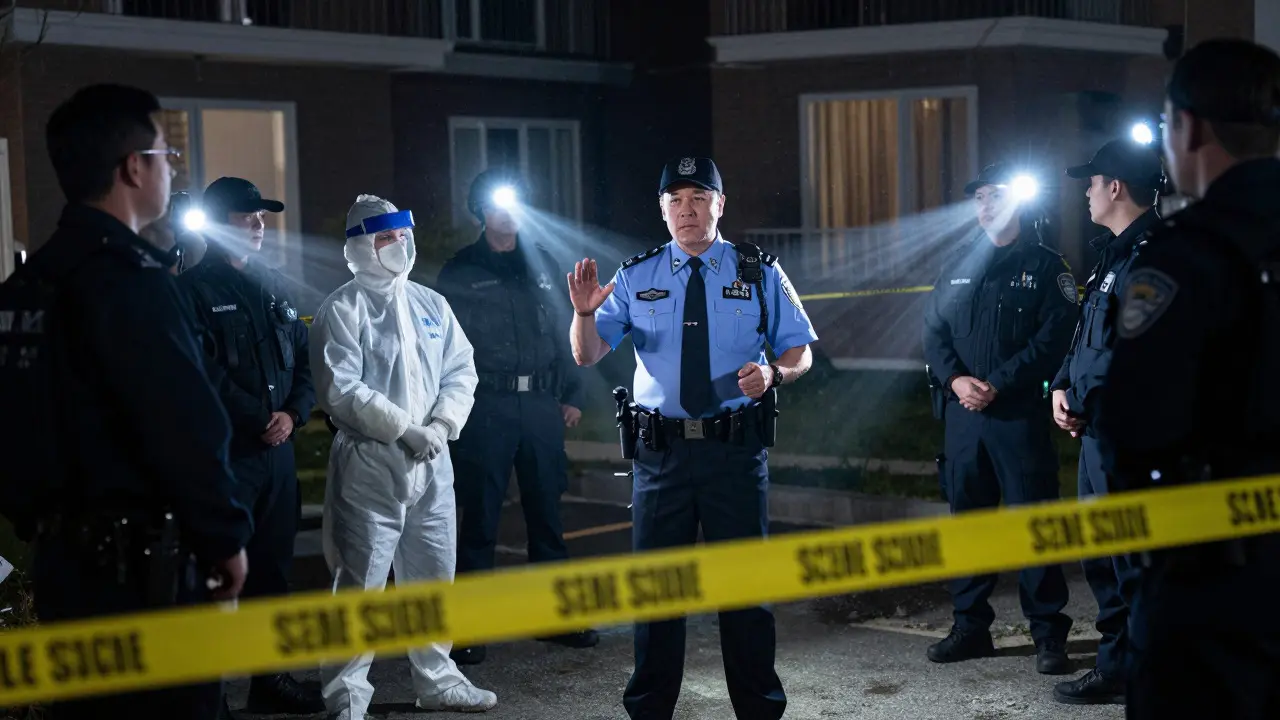
Crime Scene Briefings: Mastering Assignments, Roles, and Tasking Protocols
- By : Ian Brophy
- Date : Aug 24 2026
Learn how to run effective crime scene briefings. Discover best practices for role assignments, tasking protocols, and maintaining evidence integrity.