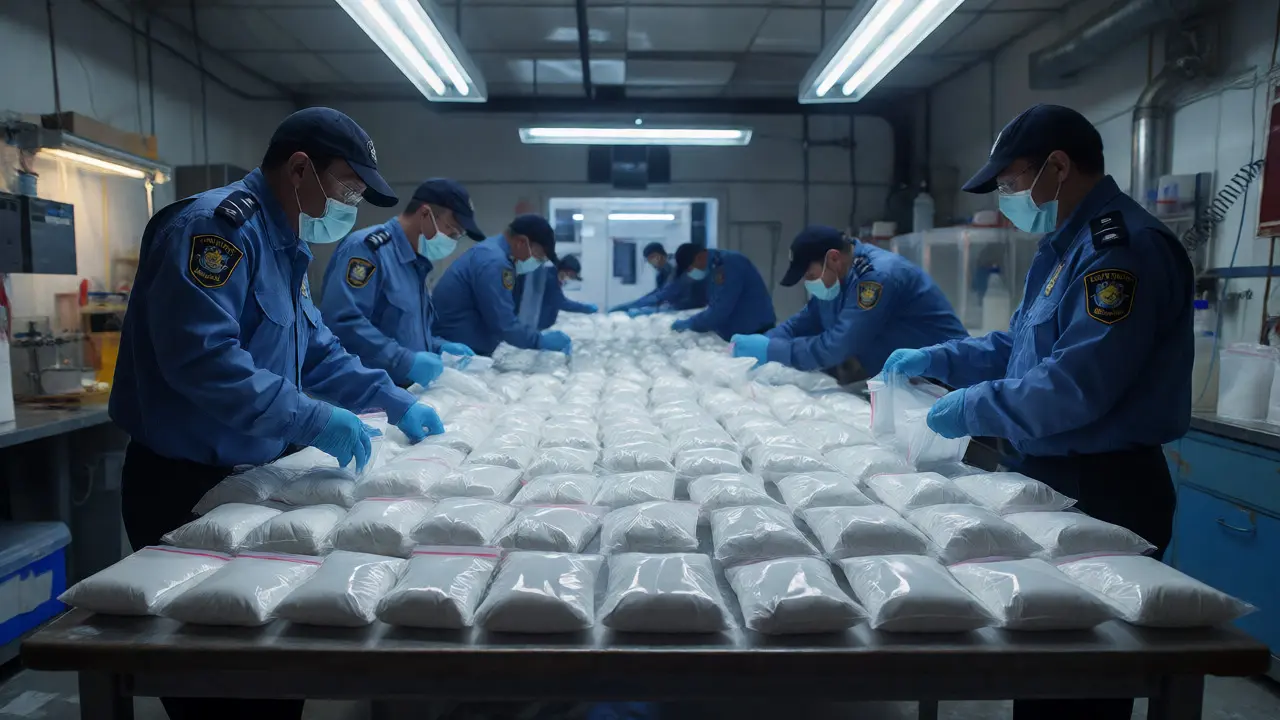
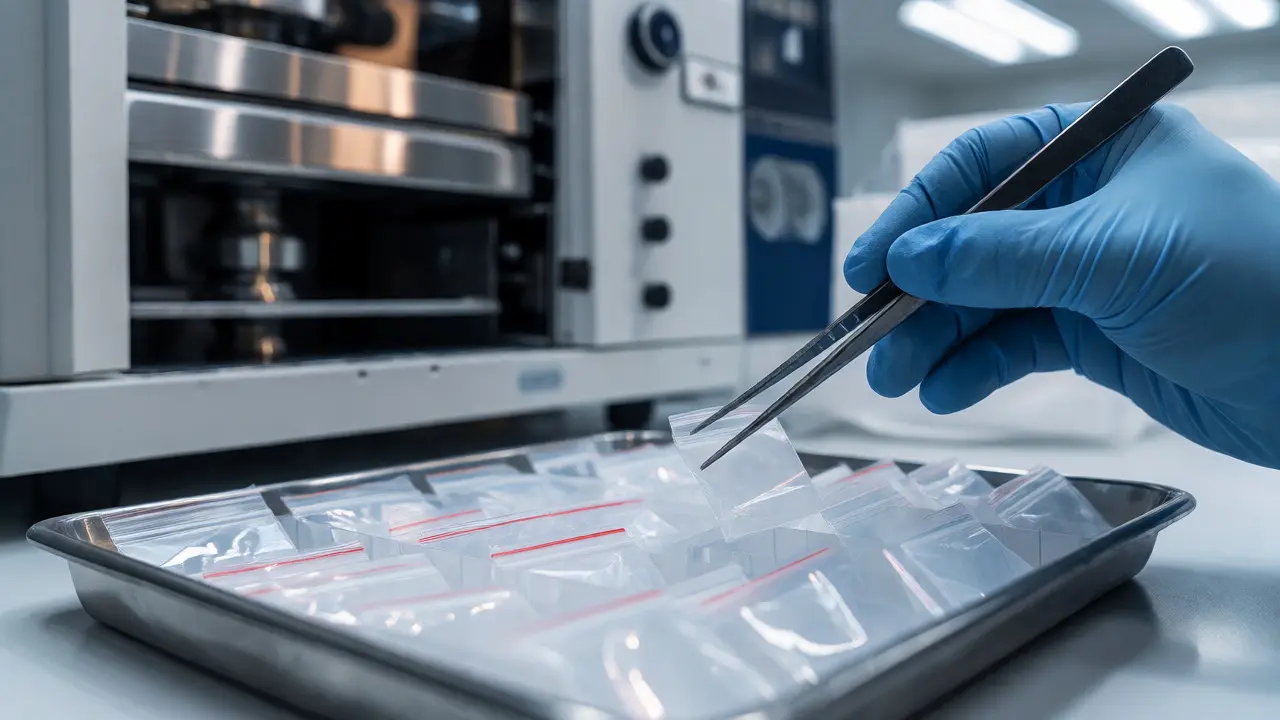
Imagine a police raid on a suspected methamphetamine lab. Officers seize 500 plastic bags, each containing white powder. If a forensic chemist had to individually test every single bag using gas chromatography-mass spectrometry (GC-MS), it would take weeks, maybe months. The backlog would crush the lab. The suspect might walk free before the evidence is even processed. This is why batch testing exists. It’s not just a shortcut; it’s a scientifically rigorous method for analyzing large quantities of seized drugs without compromising legal integrity.
You might wonder: how can you trust one test to represent hundreds of items? The answer lies in statistics and strict protocols. Batch testing allows laboratories to analyze a representative sample from a group of visually similar items. If that sample tests positive for a controlled substance, the entire batch is treated as such. But this isn’t magic. It requires careful grouping, precise sampling, and robust quality control. Let’s break down how this process actually works in a modern forensic lab.
The Core Concept of Batch Testing
At its heart, Batch Testing is a forensic procedure where a statistically significant number of items from a larger group are analyzed to determine the composition of the entire group. This approach assumes homogeneity within the batch. In other words, if two bags look identical, have the same packaging style, and come from the same seizure location, they likely contain the same substance. This assumption is the foundation of the method.
Without batch testing, forensic labs would face an impossible workload. Consider the average caseload in a major metropolitan lab. A single officer might submit dozens of cases per week. Each case could involve multiple items. Processing each item individually would require exponential resources. Batch testing reduces this burden by treating groups of similar items as a single analytical unit. However, this reduction in work doesn’t mean a reduction in accuracy. The key is defining what constitutes a "batch" correctly.
A common misconception is that any group of drugs can be batched. That’s false. Items must share specific characteristics to qualify. These include:
- Visual Similarity: Same color, texture, and physical form (e.g., all pills or all powder).
- Packaging Consistency: Identical types of containers, seals, or labels.
- Seizure Context: Items found together at the same time and place.
- Weight Range: While weights can vary slightly, extreme outliers usually disqualify an item from the batch.
If a batch contains both blue pills and white powder, those are two separate batches. Mixing them invalidates the statistical model. The goal is to minimize variability within the group so that testing one item gives high confidence about the rest.
Statistical Sampling Methods
You can’t just pick one bag at random and call it good. Forensic science relies on established statistical standards to determine how many items need testing. The most widely accepted guideline comes from the Scientific Working Group for the Analysis of Seized Drugs (SWGDRG). Their recommendations provide a clear framework for sample size based on the total number of items in the batch.
Here is how the SWGDRG guidelines generally scale up. Note that these numbers ensure a 95% confidence level that the untested items match the tested ones, assuming no discrepancies are found.
| Total Number of Items in Batch | Minimum Number of Items to Test |
|---|---|
| 1 | 1 |
| 2-10 | All items |
| 11-20 | 3 |
| 21-40 | 5 |
| 41-60 | 7 |
| 61-80 | 9 |
| 81-100 | 11 |
| Over 100 | 10% of total, minimum 11 |
Let’s apply this to our earlier example of 500 bags. According to the table, you would test 10% of the batch. That means 50 bags get analyzed. If all 50 test positive for methamphetamine, the remaining 450 are presumed to be methamphetamine as well. This saves massive amounts of time and reagent costs. But what happens if one of the 50 tests negative? Then the batch fails. You must investigate why. Did you mix different substances? Was there contamination? Often, this triggers a full individual testing protocol for the entire batch, which defeats the purpose but ensures justice.
Some labs use more aggressive sampling strategies for very large seizures, sometimes called "tiered sampling." This involves testing a small initial sample. If that passes, a larger subset is tested. Only if anomalies appear does the lab expand further. This dynamic approach balances risk and efficiency, though it requires sophisticated laboratory information management systems (LIMS) to track decisions.
Instrumental Analysis Techniques
Once you’ve selected your samples, how do you actually test them? Most modern labs use a combination of presumptive and confirmatory tests. Presumptive tests, like color spot tests, are quick but prone to false positives. They’re useful for screening but rarely sufficient for court alone. Confirmatory techniques are where batch testing really shines because they provide definitive chemical identification.
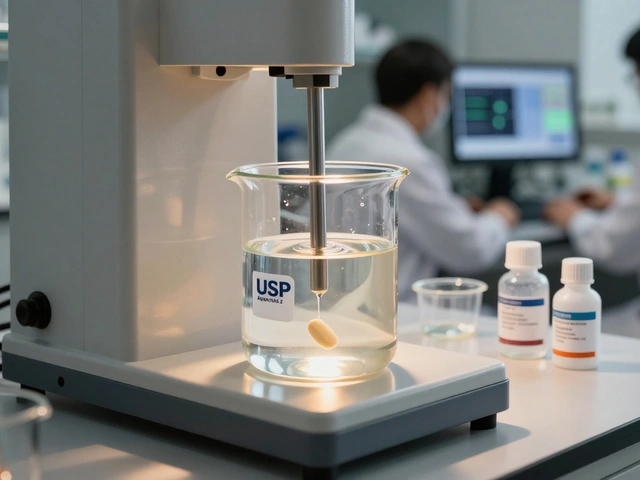
The gold standard for drug analysis remains Gas Chromatography-Mass Spectrometry (GC-MS). This technique separates the mixture into individual components and identifies each by its mass spectrum. It’s highly sensitive and specific. When you run a GC-MS on a sampled pill, you get a unique fingerprint of the compounds inside. If the fingerprint matches fentanyl, you know it’s fentanyl. Because GC-MS is automated, running 50 samples is often just a matter of loading vials into an autosampler and letting the machine run overnight.
Another powerful tool is Infrared Spectroscopy (IR), specifically Fourier-transform infrared spectroscopy (FTIR). IR is non-destructive, meaning you don’t consume the entire sample. This is crucial when dealing with limited quantities or valuable evidence. FTIR provides rapid results, often in seconds, making it ideal for high-throughput screening. Many labs now use portable handheld Raman or IR devices for field testing, but laboratory-grade FTIR offers higher resolution and reliability for batch confirmation.
Liquid Chromatography-Mass Spectrometry (LC-MS) is gaining traction, especially for novel psychoactive substances (NPS) that might degrade under GC conditions. As street drugs become more complex, labs are diversifying their toolkit. The choice of instrument depends on the expected analyte. For powders and pills, GC-MS and FTIR dominate. For liquids or heat-sensitive compounds, LC-MS takes over.
Risks and Limitations
Batch testing isn’t foolproof. The biggest risk is heterogeneity. What looks uniform might not be. Imagine a batch of counterfeit pills. Some might contain fentanyl, while others contain only caffeine or acetaminophen. If your random sample picks only the caffeine pills, you’ll report the whole batch as caffeine. The defendant gets off light, or worse, the public health threat is underestimated.
To mitigate this, experienced analysts perform visual inspections beyond simple color matching. They check for subtle differences in weight, shape, or coating. If a pill feels lighter than the others, it goes into a separate sub-batch. Weight variation is a strong indicator of content difference. A 10% deviation in weight across a batch of pills is a red flag that warrants individual testing or increased sampling.
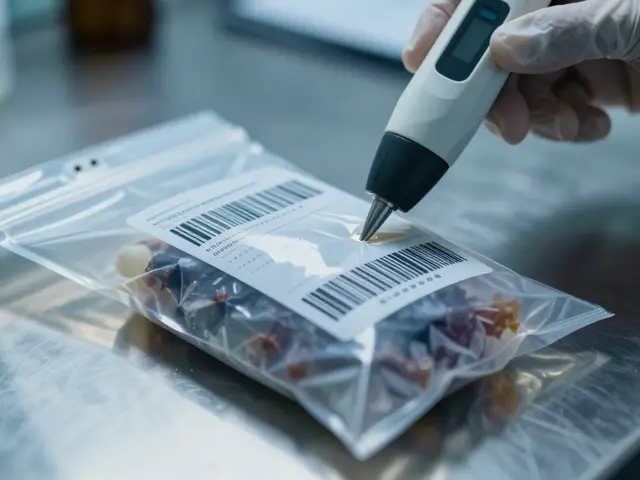
Another limitation is legal challenge. Defense attorneys love to attack batch testing. They’ll argue that their client didn’t possess the specific item tested. They’ll claim the sampling was biased. To counter this, documentation is everything. Every step-from seizure to sampling to analysis-must be logged. Chain of custody records must show exactly which items were pulled from the batch. If you can’t prove the sample was truly random, the defense can cast doubt on the results.
Contamination is another sneaky issue. In high-volume labs, cross-contamination between samples can occur. If one sample has a trace amount of cocaine and the next shows a spike, was it real or carryover? Proper blank runs and cleaning cycles between samples help prevent this. Quality control checks are non-negotiable. Running certified reference materials alongside unknowns ensures the instruments are calibrated and functioning correctly.
Legal and Procedural Standards
Courts generally accept batch testing when performed according to validated protocols. The Daubert standard in the US requires that scientific methods be generally accepted and reliably applied. SWGDRG guidelines provide that general acceptance. However, local laws may vary. Some jurisdictions mandate stricter rules, such as requiring a certain percentage of items to be weighed individually even if not chemically tested.
Weighing is distinct from chemical testing. Even in batch mode, each item is typically weighed to document quantity. This is critical for sentencing thresholds. Possessing 5 grams versus 50 grams can mean years of prison. So, while you might chemically test only 10% of the items, you usually weigh 100% of them. This dual approach-full weighing, partial chemical testing-is the industry norm.
Report writing also changes with batch testing. Instead of listing results for every single item, the report states that N items were submitted, M were tested, and all M yielded positive results for Substance X. The conclusion applies to the entire batch. Clarity here prevents confusion during trial. Jurors need to understand why only ten out of a hundred bags were opened. Explaining the statistical basis helps build credibility.
Best Practices for Implementation
If you’re setting up or optimizing a batch testing workflow, focus on consistency. Standard Operating Procedures (SOPs) should explicitly define batch criteria. Don’t leave it to analyst discretion. Define what "visually similar" means in measurable terms. Use digital scales with precision to catch weight outliers early.
Train staff on randomization techniques. Humans are bad at randomness; we tend to pick items from the top or middle. Use random number generators or systematic sampling (every nth item) to avoid bias. Document the selection method in the notes. If an auditor asks why you picked bag #47, you want to say "random number generator," not "it looked interesting."
Finally, invest in automation. Autosamplers for GC-MS and FTIR reduce human error and increase throughput. LIMS software can automatically calculate required sample sizes based on input counts, reducing calculation errors. Integration between weighing stations and analytical instruments streamlines data flow, ensuring that weights and results are linked correctly in the final report.
What is the main advantage of batch testing?
The primary advantage is efficiency. It allows forensic laboratories to process large volumes of evidence quickly and cost-effectively without sacrificing scientific rigor. By testing a statistically valid sample, labs can clear backlogs faster, leading to quicker resolutions in criminal cases.
Can any items be grouped into a batch?
No. Items must share specific characteristics to be batched, including visual similarity (color, texture), packaging type, and seizure context. If items differ significantly in appearance or packaging, they must be separated into different batches or tested individually to ensure accurate results.
How many items need to be tested in a batch?
Sample size depends on the total number of items in the batch, following guidelines from organizations like SWGDRG. For example, if there are 20 items, you might test 3. If there are 100, you might test 11. Larger batches require testing a percentage of the total, typically around 10%, to maintain statistical confidence.
What happens if a sampled item tests negative?
If a sampled item yields unexpected results (e.g., negative or a different substance), the batch is considered heterogeneous. The lab will typically expand testing to more items or revert to individual testing for the entire batch to identify the discrepancy and ensure accurate reporting.
Is batch testing admissible in court?
Yes, batch testing is widely accepted in courts when performed according to validated scientific protocols and documented thoroughly. Defense challenges often focus on sampling methodology, so maintaining strict chain of custody and clear documentation of the randomization process is crucial for admissibility.