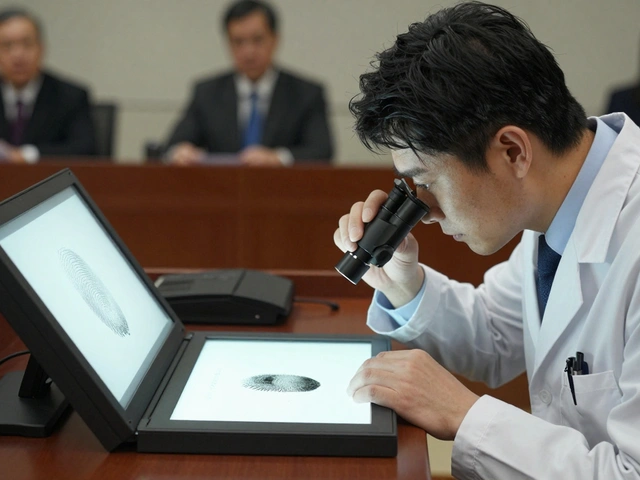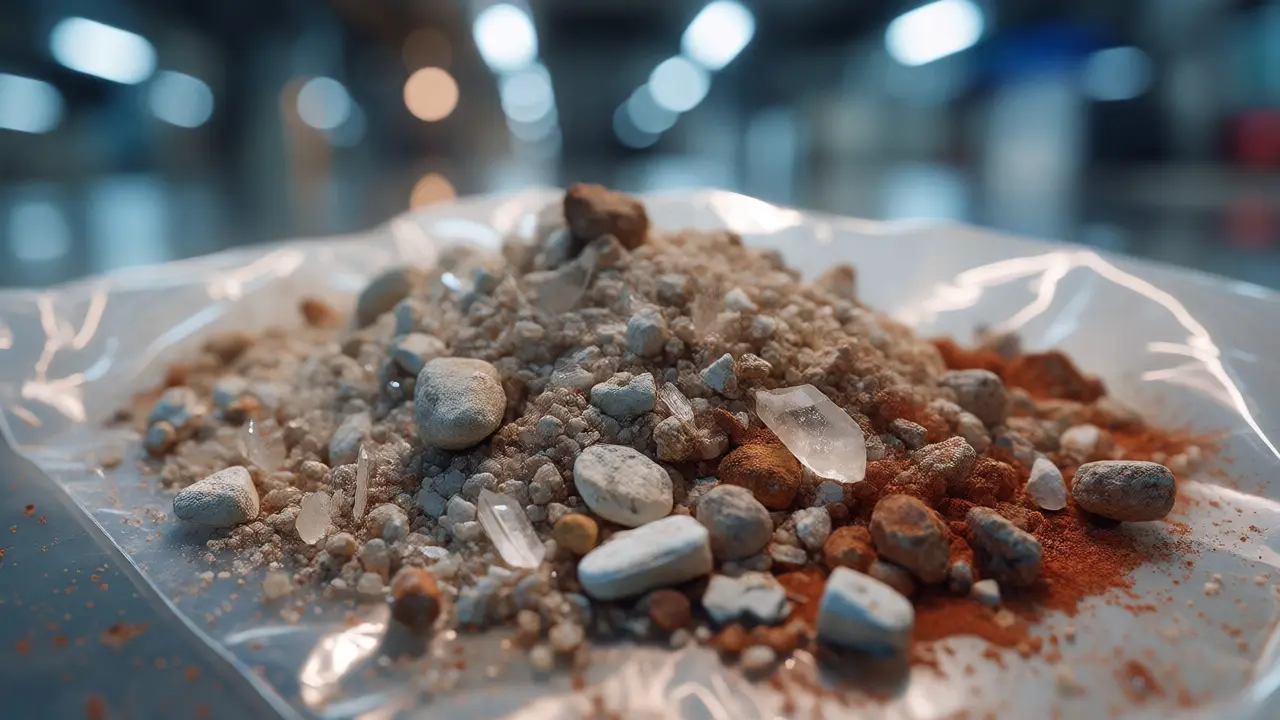
You step into a crime scene. The floor is bare concrete, but under the microscope, it’s a chaotic universe of grains. A single speck of quartz or a fragment of limestone can link a suspect to a location more reliably than a witness statement. Mineral evidence, specifically sand, gravel, and other geological particulates, serves as one of the most persistent forms of trace evidence. Unlike DNA, which degrades, or fibers, which shed easily, mineral particles are tough, chemically stable, and ubiquitous. They stick to shoe treads, hide in carpet piles, and embed themselves in clothing weaves. If you know how to read them, they tell you exactly where someone has been.
Why Geology Matters in Crime Solving
Most people think of forensics as blood spatter and fingerprints. But before those biological markers were reliable, forensic geologists were already solving cases using dirt. Why? Because soil isn't uniform. It varies by region, elevation, and even specific micro-environments like riverbanks versus construction sites. When a person walks across a landscape, they pick up a signature of that place on their shoes and clothes. This transfer is governed by Locard’s Exchange Principle: every contact leaves a trace.
The challenge isn't finding the particles; it's interpreting them. A grain of sand from a beach in Florida looks different from a grain from a desert in Nevada due to differences in mineral composition, rounding, and sorting. Forensic geologists use these distinctions to narrow down locations. It’s not just about "dirt"; it’s about identifying the specific geological fingerprint left behind.
The Big Three: Sand, Gravel, and Silt
To understand mineral evidence, you need to know what you’re looking at. Forensic geologists categorize particulates primarily by size and origin. While there are dozens of classifications, three dominate casework: sand, gravel, and silt/clay.
| Particulate Type | Size Range (mm) | Common Composition | Forensic Significance |
|---|---|---|---|
| Sand | 0.0625 - 2.0 | Quartz, Feldspar, Limestone | Highly diagnostic for geographic origin due to local bedrock influence. |
| Gravel | > 2.0 | Rounded rock fragments, Concrete chips | Often indicates construction zones, roadsides, or industrial areas. |
| Silt & Clay | < 0.0625 | Mica, Kaolinite, Illite | Adheres strongly to fabrics; useful for linking suspects to muddy environments. |
Sand is the workhorse of forensic geology. Most sand is mostly quartz, which is hard and resistant to weathering. However, the impurities-tiny bits of feldspar, mica, or heavy minerals like garnet-are what make it unique. A beach in Hawaii might have green olivine sand, while a desert dune in Utah might be pure white quartz. These compositional differences allow experts to exclude or include potential locations with high confidence.
How Particles Transfer and Persist
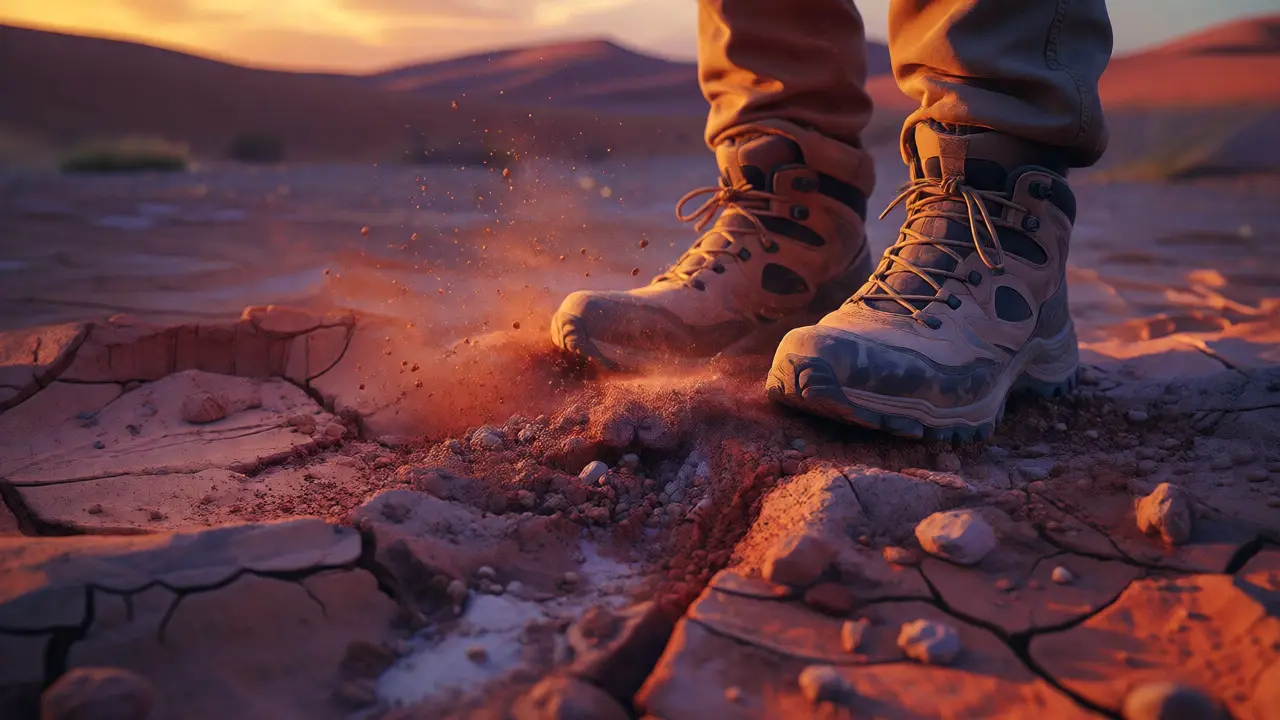
Not all particles transfer equally. Size matters. Large gravel falls off quickly. Sand stays longer. Silt and clay, being electrostatically charged and tiny, cling to synthetic fabrics for weeks. This persistence is why particulate matter analysis is so powerful in cold cases. A jacket left in a closet for six months might still hold the soil signature of the crime scene.
But contamination is the enemy. If you sweep a garage floor, you mix old dust with new. Forensic sampling requires careful control. Investigators often take "control samples" from the suspect’s home or vehicle to subtract background noise. Without this baseline, you might mistake the dust from your own living room for evidence from a remote quarry.
Tools of the Trade: From Microscope to Mass Spec
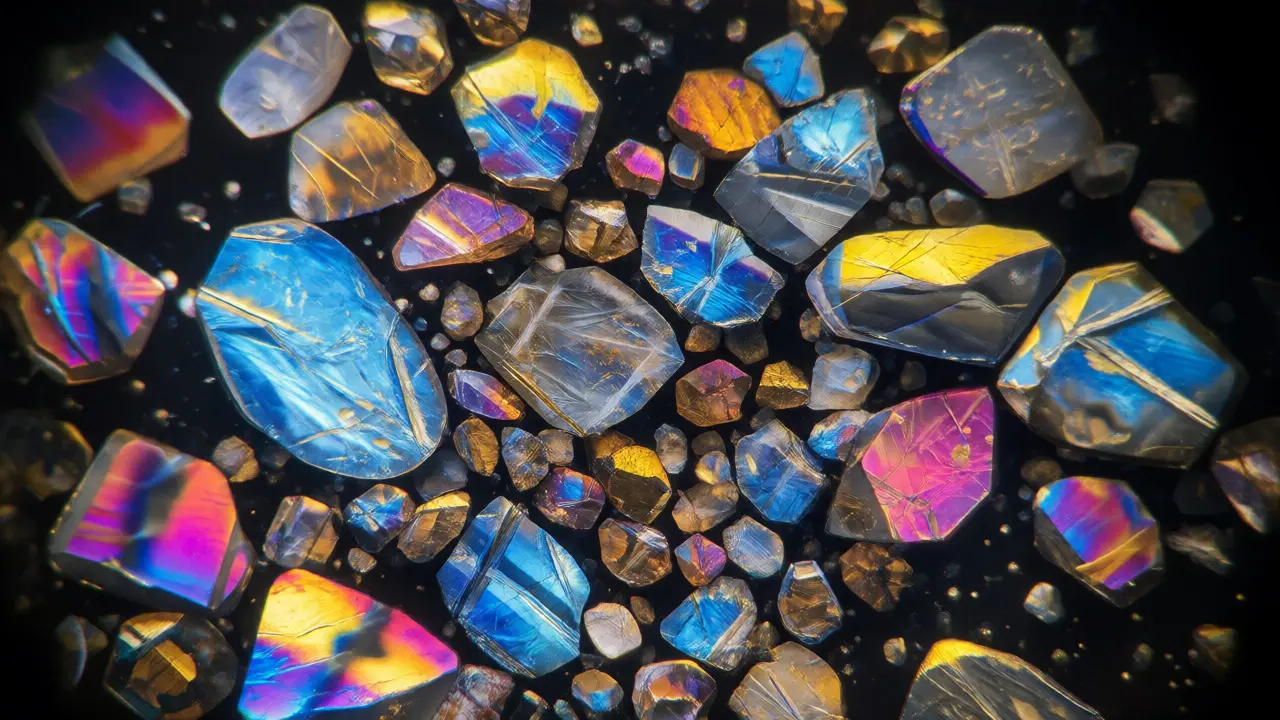
You don’t need a particle accelerator to start, but you do need good optics. The first line of defense is polarized light microscopy (PLM). Under cross-polarized light, minerals reveal their internal structure through interference colors. Quartz glows differently than calcite. This visual identification can rule out thousands of possibilities in minutes.
When visual ID isn’t enough, scientists turn to chemistry. X-ray Diffraction (XRD) identifies crystalline structures precisely. Inductively Coupled Plasma Mass Spectrometry (ICP-MS) measures trace elements. If two soil samples have identical ratios of rare earth elements, they likely came from the same source. This level of detail moves the evidence from "consistent with" to "highly probable."
Real-World Application: The Shoe Print Case
Consider a burglary case where no witnesses saw the perpetrator. Police recover a partial shoe print in mud outside the window. The print itself matches a common sneaker brand, which helps little. But the mud embedded in the sole of the suspect’s shoe contains crushed limestone and specific red clay oxides.
The crime scene is located near an old quarry known for its red clay deposits. Control samples from the suspect’s workplace (a paved office park) show only gray dust and asphalt fragments. The chemical match between the shoe residue and the quarry soil provides a physical link between the suspect and the scene. The jury sees the microscopic images side-by-side. The abstract concept of "soil" becomes concrete proof of presence.
Pitfalls and Limitations
Don’t oversell the science. Soil is dynamic. Wind blows sand away. Rain washes it off. Construction changes landscapes overnight. A positive match doesn’t prove guilt; it proves proximity. You must build a narrative around the data. Was the suspect working at the quarry? Did they drive past it?
Also, standardization is tricky. Different labs may classify soils differently. Always check if the lab follows ASTM standards for soil testing. Vague reports like "similar color" are weak. Specific reports citing mineral percentages and elemental ratios are strong.
Can mineral evidence distinguish between two nearby locations?
Yes, but it depends on the heterogeneity of the area. In urban settings, soil is often imported or mixed, making distinction harder. In rural or natural settings, geological variations over short distances can be significant. Advanced techniques like ICP-MS can detect subtle chemical differences that visual inspection misses, allowing differentiation between adjacent fields or road segments.
How long does mineral evidence last on clothing?
It varies significantly based on fabric type and environmental exposure. Synthetic fabrics tend to hold fine particulates like silt and clay longer than cotton. Washing removes most loose particles, but deeply embedded grains in seams or rough textures can persist for weeks or months if the garment isn’t laundered. Outdoor exposure to rain or wind accelerates loss, while indoor storage preserves it.
Is sand always quartz?
No. While quartz is the most common component due to its hardness and resistance to weathering, sand can consist of feldspar, limestone, shell fragments, volcanic glass, or heavy minerals like magnetite and garnet. The composition depends entirely on the local bedrock and transport history. For example, black sand beaches contain basalt and magnetite, while tropical beaches may have high calcium carbonate content from coral.
What is the difference between sand and silt in forensics?
The primary difference is particle size. Sand ranges from 0.0625 mm to 2 mm and feels gritty. Silt is finer (<0.0625 mm) and feels floury when wet. In forensics, silt and clay are more adhesive due to electrostatic charges and smaller surface area-to-volume ratios, making them better for transferring to fabrics. Sand is more diagnostic for geographic origin because larger grains retain distinct mineral signatures less prone to mixing.
Can forensic geology solve crimes without DNA?
Absolutely. Many crimes involve no biological material. Hit-and-run accidents, burglaries, and fraud cases involving counterfeit goods often rely solely on physical trace evidence. Mineral analysis can link a suspect’s vehicle tires to a specific road surface or connect a tool found at a scene to a specific workshop floor via metal filings and abrasive grits.