
Imagine a jury questioning whether the DNA sample in front of them is actually from the crime scene. One missing signature on a transfer log or a broken seal on an evidence bag can turn a solid case into a mistrial. This is why chain of custody audits are not just bureaucratic checkboxes; they are the backbone of forensic credibility. Without rigorous quality assurance procedures, even the most advanced lab analysis means nothing if the path from collection to courtroom is unclear.
This guide breaks down how these audits work, what auditors look for, and how you can keep your records bulletproof. Whether you manage a crime lab, a corporate compliance team, or handle hazardous materials, understanding the mechanics of evidence tracking will save you from costly errors and legal challenges.
What Is a Chain of Custody Audit?
A chain of custody audit is a systematic review of every step an item takes from its point of origin to its final disposition. It verifies that each person who handled the item documented their actions accurately and that the item remained secure throughout the process. In forensic science, this applies to physical evidence like weapons, drugs, or biological samples. In industrial settings, it might apply to chemical samples or server drives during data forensics.
The core goal is simple: prove that the evidence presented today is the same evidence collected yesterday. If there is a gap in the timeline, a missing signature, or an unexplained change in condition, the audit flags it as a potential integrity risk. These audits are typically conducted by internal quality control teams or external accredited bodies following standards set by organizations like the American Society of Crime Lab Directors (ASCLD) or ISO/IEC 17025.
Key Components of Quality Assurance Procedures
Effective quality assurance doesn't rely on memory; it relies on documentation. Here are the critical elements auditors scrutinize:
- Unique Identification: Every piece of evidence must have a unique identifier (case number, barcode, or tag). This prevents mix-ups between similar items, such as two white powder bags or two identical hard drives.
- Timestamped Transfers: Every handoff requires a date and time stamp. If Officer A hands off a gun to Technician B at 14:00, both must sign at that moment. Gaps longer than a few minutes without explanation raise red flags.
- Condition Reports: Note the state of the item upon receipt. Was the bag sealed? Was the liquid cloudy? Documenting initial conditions helps detect tampering later.
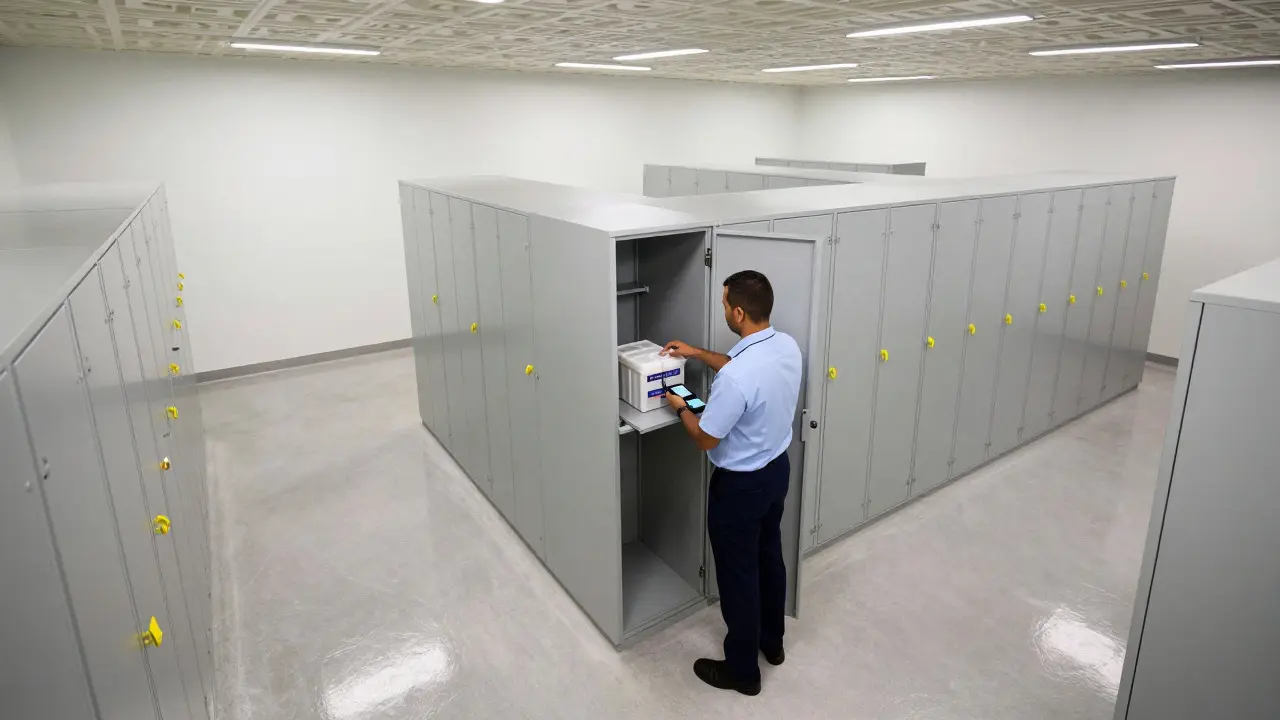
- Storage Security Logs: Where was the item stored? Who had access to the locker? For high-value or sensitive evidence, access logs should match personnel schedules exactly.
These components form the 'paper trail' that defends against claims of contamination or substitution. A single missing link here can unravel months of investigative work.
The Audit Process: Step-by-Step
Conducting a chain of custody audit follows a logical sequence designed to catch discrepancies early. Most labs perform spot checks weekly and full audits annually, but high-profile cases may trigger immediate reviews.
- Select Samples: Auditors choose a random or risk-based sample of cases. High-risk items (e.g., narcotics, DNA) are prioritized over low-risk items (e.g., clothing).
- Trace Backwards: Start with the current location of the evidence and work backward through every transfer record. Verify signatures, dates, and storage locations against physical logs.
- Verify Physical Integrity: Check seals, packaging, and labels. Compare the physical item against the description in the database. Look for signs of tampering, such as re-applied tape or altered barcodes.
- Interview Handlers: Speak with key personnel involved in the transfers. Do their recollections match the written logs? Discrepancies here often indicate training gaps rather than fraud.
- Document Findings: Record any breaks in the chain. Classify them as minor (e.g., late signature) or major (e.g., unaccounted-for 24-hour period).
This backward-tracing method is crucial because it reveals where the breakdown occurred. Did the error happen at collection, transport, or storage? Knowing the source allows for targeted fixes.

Common Pitfalls and How to Avoid Them
Even experienced professionals make mistakes. The most common issues found in audits include:
- Retroactive Documentation: Signing forms days after the transfer. Auditors view this as a major red flag because it suggests the record wasn't kept in real-time.
- Generic Descriptions: Labeling evidence as "miscellaneous" instead of specifying "blue plastic bag containing soil samples." Specificity prevents confusion.
- Shared Logbooks: Using one notebook for multiple officers leads to crossed-out entries and unclear handwriting. Digital systems eliminate this issue entirely.
- Lack of Backup Storage Records: If primary digital logs fail, do you have paper backups? Auditors check for redundancy in recording methods.
To avoid these pitfalls, implement automated digital logging systems. Barcoding evidence at every stage forces a scan before a signature is accepted, creating an immutable digital trail. This reduces human error and speeds up the audit process significantly.
Comparison: Manual vs. Digital Chain of Custody Systems
Many organizations still use paper forms due to cost or tradition. However, the difference in audit efficiency is stark. Here’s how they compare:
| Feature | Manual (Paper) | Digital (Barcode/RFID) |
|---|---|---|
| Audit Speed | Slow (hours per case) | Fast (minutes per case) |
| Error Rate | High (illegible signatures, missing pages) | Low (system-enforced fields) |
| Traceability | Difficult to search historical data | Instant retrieval via database query |
| Tamper Resistance | Low (easy to alter or lose) | High (audit trails logged automatically) |
| Cost | Low upfront, high labor cost | High upfront, low ongoing labor cost |
While digital systems require initial investment in hardware and software, they drastically reduce the time auditors spend verifying records. For labs handling thousands of items, this efficiency gain pays for itself within two years.
Best Practices for Maintaining Compliance
Maintaining a robust chain of custody isn't a one-time task; it's a daily habit. Follow these best practices to stay ahead of audit findings:
- Train Regularly: Conduct quarterly refresher courses for all staff who handle evidence. Focus on the 'why' behind each step, not just the 'how.'
- Use Standardized Forms: Ensure all departments use the same format for logging transfers. Consistency makes cross-departmental audits smoother.
- Implement Dual Control: For high-value items, require two people to be present during transfers. Both must sign or scan.
- Review Exceptions Immediately: Don't wait for the annual audit to fix minor issues. Address gaps in real-time to prevent them from compounding.
- Keep a Change Log: If a record is corrected, don't erase the old entry. Cross it out, initial it, and add a note explaining the correction. Transparency builds trust.
These habits create a culture of accountability. When everyone understands that their signature has legal weight, documentation quality improves naturally.
Frequently Asked Questions
How long should chain of custody records be kept?
Retention periods vary by jurisdiction and case type. Generally, criminal case records are kept until the statute of limitations expires plus five years. Civil or administrative cases may have shorter retention periods, often three to seven years. Always check local laws and organizational policies for specific requirements.
What happens if a break in the chain is discovered?
A break in the chain doesn't automatically invalidate evidence, but it weakens its admissibility. The defense attorney will likely argue contamination or tampering. To mitigate this, document the circumstances of the break thoroughly and provide a plausible explanation, such as a system outage or miscommunication. Expert testimony may be required to restore confidence in the evidence.
Do digital photos count as part of the chain of custody?
Yes, digital media files are subject to chain of custody rules. The original file hash value (MD5 or SHA-256) must be recorded at the time of capture. Any copy made for analysis must preserve this hash to prove the file hasn't been altered. Storing originals on write-once media (like WORM disks) enhances security.
Who is responsible for maintaining the chain of custody?
Every person who handles the evidence is responsible for their segment of the chain. The collector starts it, the transporter maintains it, and the lab technician continues it. There is no single owner; it is a shared responsibility. However, the Laboratory Director or Evidence Custodian usually oversees the entire process and conducts internal audits.
How often should internal audits be performed?
Most quality management standards recommend at least one comprehensive internal audit per year. However, monthly spot checks are advisable for high-volume labs. New staff members should undergo supervised audits for their first three months to ensure proper technique adoption.