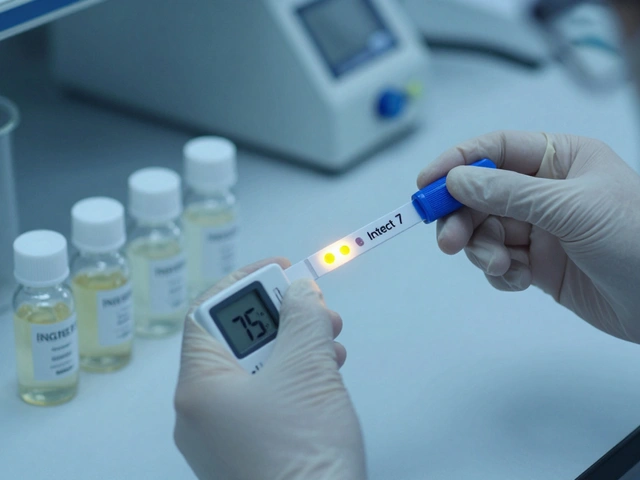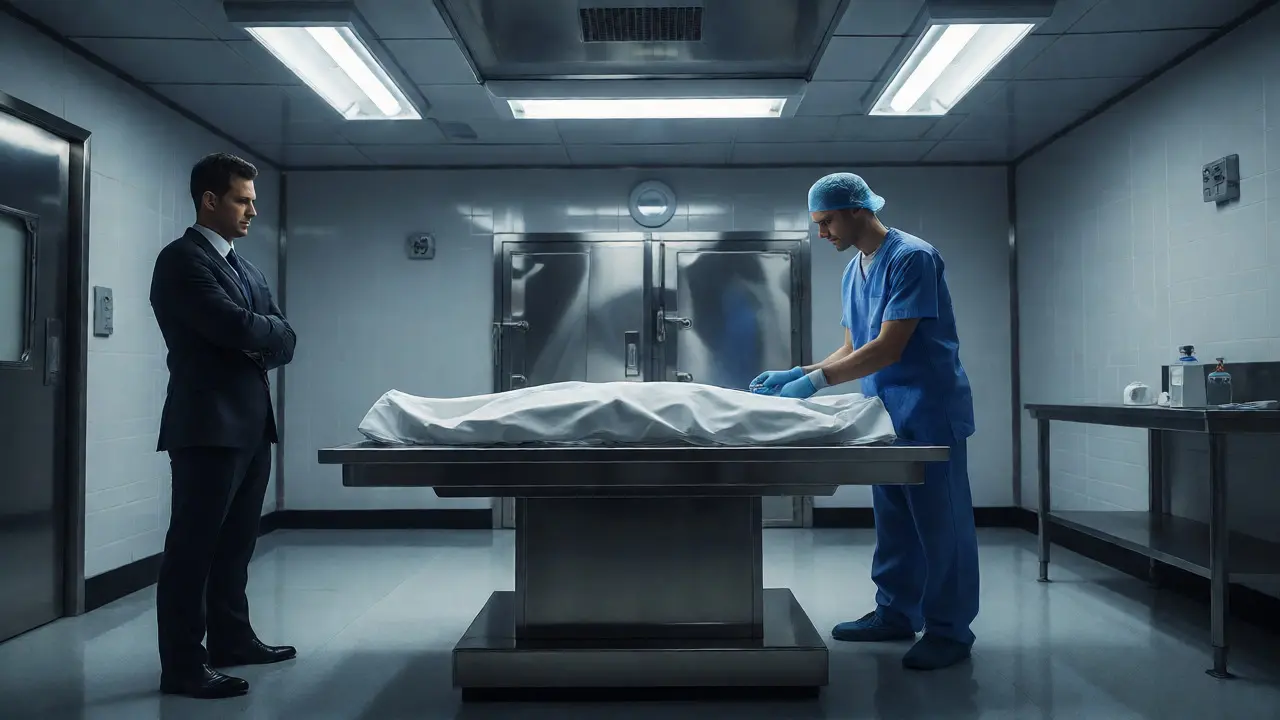
You’re standing in a cold room, the air thick with the scent of antiseptic and something heavier. The body on the steel table isn’t just a victim; it’s a witness. But this witness doesn’t speak English. It speaks in lacerations, bruising patterns, and toxicology reports. If you want that story to make it to court, your relationship with the Medical Examiner is the single most critical variable in the equation. Too many cases fall apart not because the evidence was bad, but because the communication between the crime scene investigator and the pathologist broke down before the first incision was made.
The Chain of Custody Starts Before the Body Moves
Most detectives think the autopsy starts when the body hits the slab. That’s wrong. The autopsy starts at the moment you secure the scene. When you call the Medical Examiner (ME), you aren’t just requesting a service; you are initiating a legal process that dictates how every piece of biological evidence is handled. In Portland, where we deal with everything from high-profile homicides to complex overdoses, the ME office operates under strict protocols defined by state law. If you move a body without coordinating with them, you risk compromising the integrity of the examination.
Here’s the reality: the ME is a scientist, not a detective. They don’t care about who had the motive or who was seen leaving the bar. They care about mechanism and manner of death. Your job is to translate the narrative of the crime scene into data points they can verify. Did the suspect say he shot the victim twice? Don’t just tell the ME that. Point out the trajectory of the bullet holes relative to the wound tracks. If you find a struggle, mark the specific areas of defensive wounds on the photos you send over. This isn’t micromanaging; it’s providing context for their scientific inquiry.
Defining Roles: Detective vs. Pathologist
Confusion often stems from overlapping jurisdictions. People assume the ME decides if a crime occurred. Technically, they determine the cause and manner of death. "Homicide" is a manner of death, but proving it requires police work. You need to understand the boundary lines to avoid stepping on toes or missing crucial information.
| Role | Primary Focus | Key Deliverable | Common Pitfall |
|---|---|---|---|
| Detective/Investigator | Motive, opportunity, suspect identification | Case file, suspect statements, scene reconstruction | Assuming the autopsy will reveal the killer |
| Medical Examiner | Cause (physiological reason) and Manner (circumstance) | Autopsy report, toxicology results, death certificate | Ignoring scene context when interpreting injuries |
| Crime Scene Tech | Evidence collection, photography, preservation | Physical evidence logs, digital photo sets | Contaminating samples during recovery |
Notice the pitfall column. Investigators often expect the ME to solve the puzzle. But if you hand an ME a body with no context, they might classify a staged suicide as an accident simply because the neck fracture looks consistent with hanging, even if the ligature marks suggest manual strangulation. You have to give them the clues that point away from the obvious.
The Pre-Autopsy Briefing: What to Send and When
Never let the ME walk into the morgue blind. A standard briefing packet should be ready within two hours of the body arriving at the facility. This isn’t a novel; it’s a targeted dossier. Include the following:
- Scene Photos: High-resolution images of the body in situ, specifically focusing on blood spatter patterns and positionality.
- Suspect Statements: Not the whole interview, just the claims regarding physical contact. If the suspect said, "I only pushed him," highlight that quote.
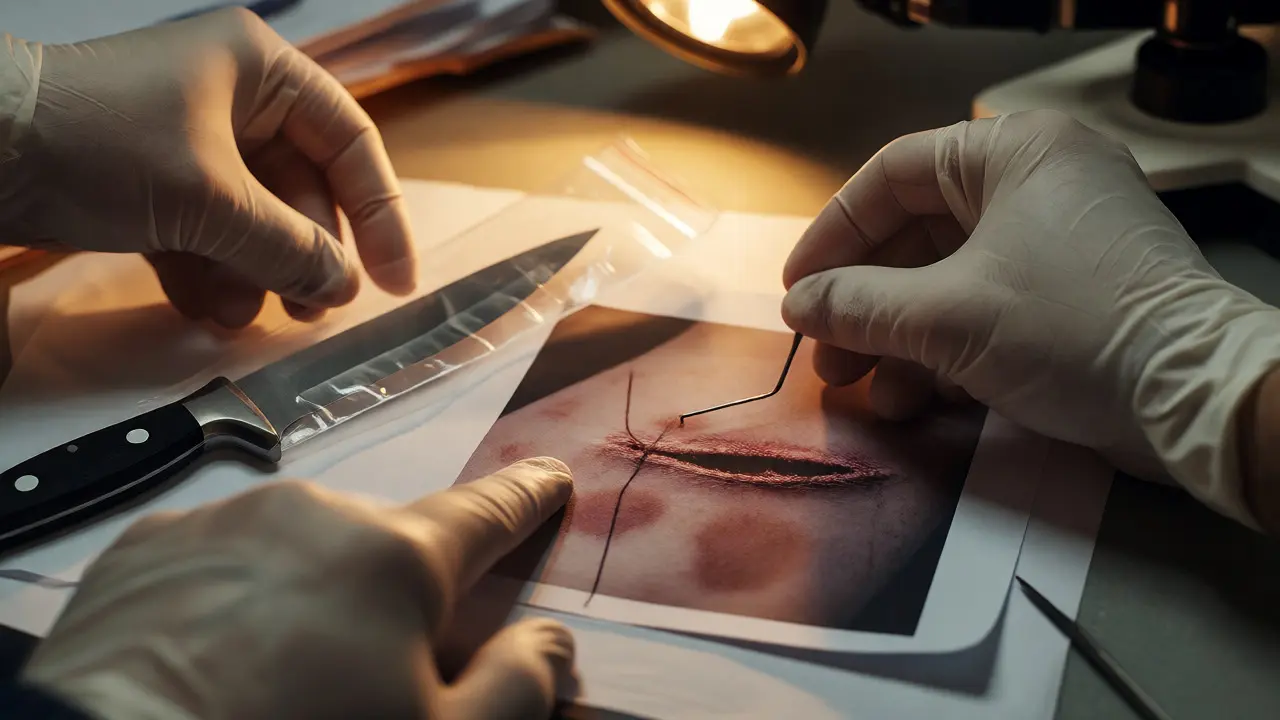
- Weapon Details: If a knife was recovered, include measurements of the blade length and width. This helps the ME match the wound dimensions to the weapon.
- Timeline: A concise timeline of events leading up to death. Was the victim found 4 hours after being last seen alive? This impacts rigor mortis and livor mortis analysis.
Why does this matter? Because the forensic pathologist uses these details to guide the dissection. If you know the victim was stabbed in the back, the pathologist will pay extra attention to the spinal cord and major vessels in that region. Without your input, they follow a standard protocol, which might miss subtle trauma hidden beneath the surface.
Navigating Toxicology and Hidden Causes
In modern homicide investigations, drugs are often the silent accomplice. A victim might die from a gunshot wound, but if they were heavily intoxicated, their ability to defend themselves changes. More importantly, some poisons leave no external trace. Arsenic, cyanide, and certain synthetic opioids require specific testing protocols.
You must explicitly request comprehensive toxicology screening. Standard panels test for alcohol and common narcotics. If you suspect foul play involving medication, ask for expanded panels. I’ve seen cases where the cause of death was listed as "cardiac arrest due to drug overdose," but the manner was "undetermined." Later, surveillance footage revealed someone administering the drugs. The autopsy didn’t prove murder, but it provided the window of time and the substance used, which became the linchpin of the prosecution.
Pro Tip: Ask the ME to preserve vitreous humor (eye fluid). It’s stable long after blood decomposes and provides a better snapshot of recent drug use than blood, which can change post-mortem through redistribution.
The Post-Mortem Conference: Reading Between the Lines
After the autopsy, there’s usually a preliminary conference. This is your chance to ask questions while the findings are fresh. Don’t just nod along. If the ME says, "The cause of death is exsanguination," ask, "Is the pattern consistent with a sharp force injury or a blunt impact?" These nuances affect your charging decisions.
Be prepared for ambiguity. Forensic pathology isn’t CSI. Results take weeks, sometimes months, especially for histology and toxicology. Manage your expectations and those of your supervisors. An initial report is rarely final. If the ME suspects poisoning, the case might remain open longer than a straightforward stabbing. Plan your investigative resources accordingly.
Legal Implications and Court Testimony
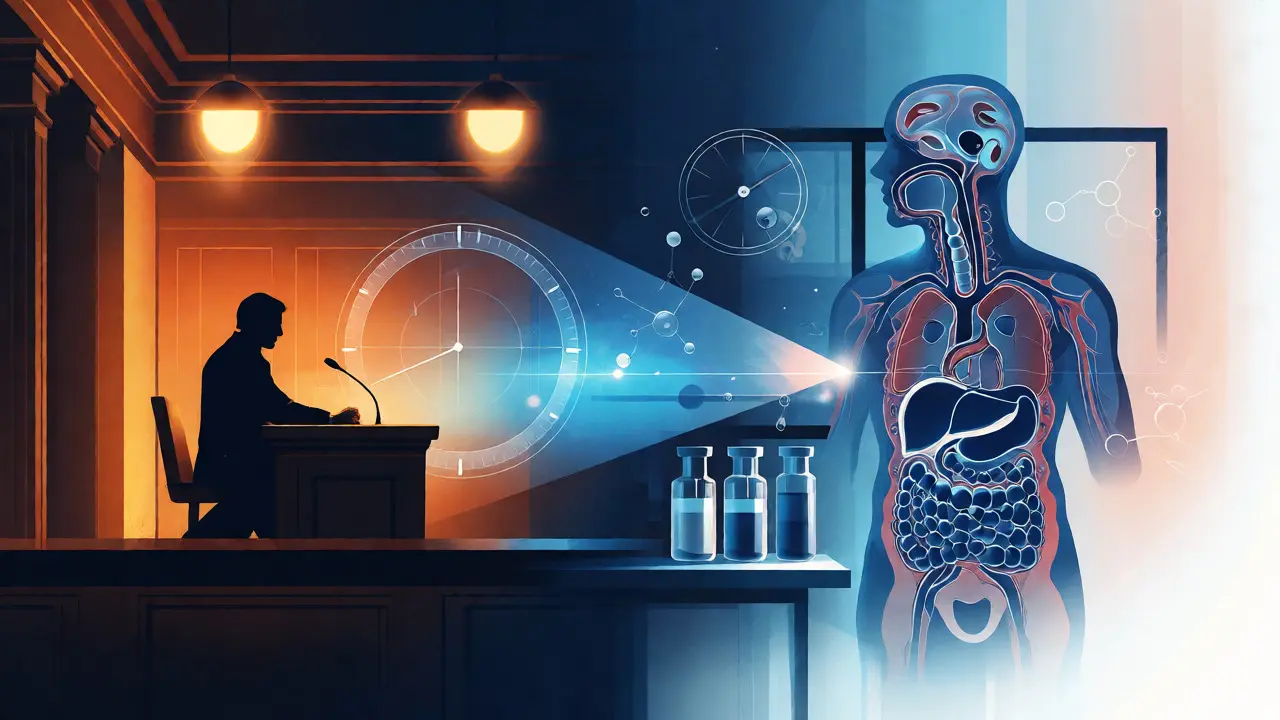
When the case goes to trial, the ME becomes an expert witness. Their testimony carries immense weight with juries. However, their credibility hinges on the quality of the information you provided. If you withheld a key detail-like the fact that the victim had a history of heart disease-and the defense brings it up, the ME’s opinion could be impeached.
Work with the prosecutor early to ensure the autopsy report aligns with the legal theory of the case. If you’re charging second-degree murder, the intent argument relies heavily on the severity and location of wounds. Ensure the ME documents these specifics clearly. Vague terms like "significant trauma" won’t hold up against a defense attorney asking for precise millimeter measurements of a skull fracture.
Troubleshooting Common Coordination Failures
Even with the best intentions, things go wrong. Here are three frequent issues and how to fix them:
- The Body Was Moved Prematurely: If paramedics moved the body before you photographed it, explain this to the ME immediately. Livor mortis (blood settling) can be fixed or blanchable depending on time since death. Moving the body alters this, potentially confusing the time-of-death estimate.
- Incomplete Evidence Handoff: Never assume the ME has the clothes. If you bagged the victim’s shirt, ensure the chain of custody form lists it as transferred to the morgue. Missing clothing means missing fiber evidence or gunshot residue patterns.
- Language Barriers: MEs speak science; cops speak procedure. Translate "blunt force trauma" into "the victim was hit with a baseball bat" when explaining scene dynamics, but keep the technical terms in the written brief.
How long does a full autopsy report take?
A preliminary report is often available within 24-48 hours, covering gross findings. However, the final comprehensive report, including histology and toxicology, typically takes 6 to 12 weeks. Complex cases involving rare toxins or extensive decomposition can take several months.
Can investigators observe the autopsy?
Yes, in most jurisdictions, lead investigators are permitted to observe the autopsy. This allows real-time clarification of injuries. However, policies vary by county and state. Always check local regulations before entering the morgue.
What if the Medical Examiner disagrees with my theory?
Disagreements are common. The ME focuses on physiological causes, while you focus on criminal intent. If they rule "accident" but you believe it was homicide, gather additional evidence (witnesses, video) to challenge the finding. You may also request a second opinion or independent review if the law permits.
Does the autopsy determine the exact time of death?
No. Autopsies provide a range based on rigor mortis, livor mortis, and body temperature. Environmental factors significantly affect these indicators. Use the autopsy range in conjunction with scene evidence (last known alive times, phone records) to narrow the window.
Who pays for the autopsy costs?
In homicide cases, the jurisdiction (city or county) typically covers the cost as part of the public health and legal infrastructure. For private autopsies requested by families in non-criminal deaths, the family bears the expense, which can range from $2,000 to $5,000+.