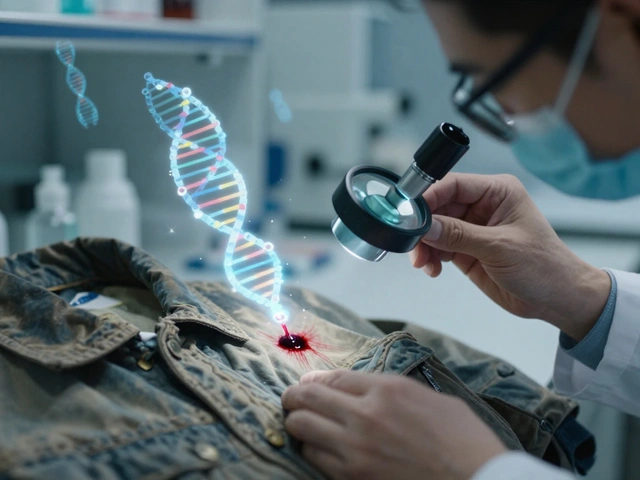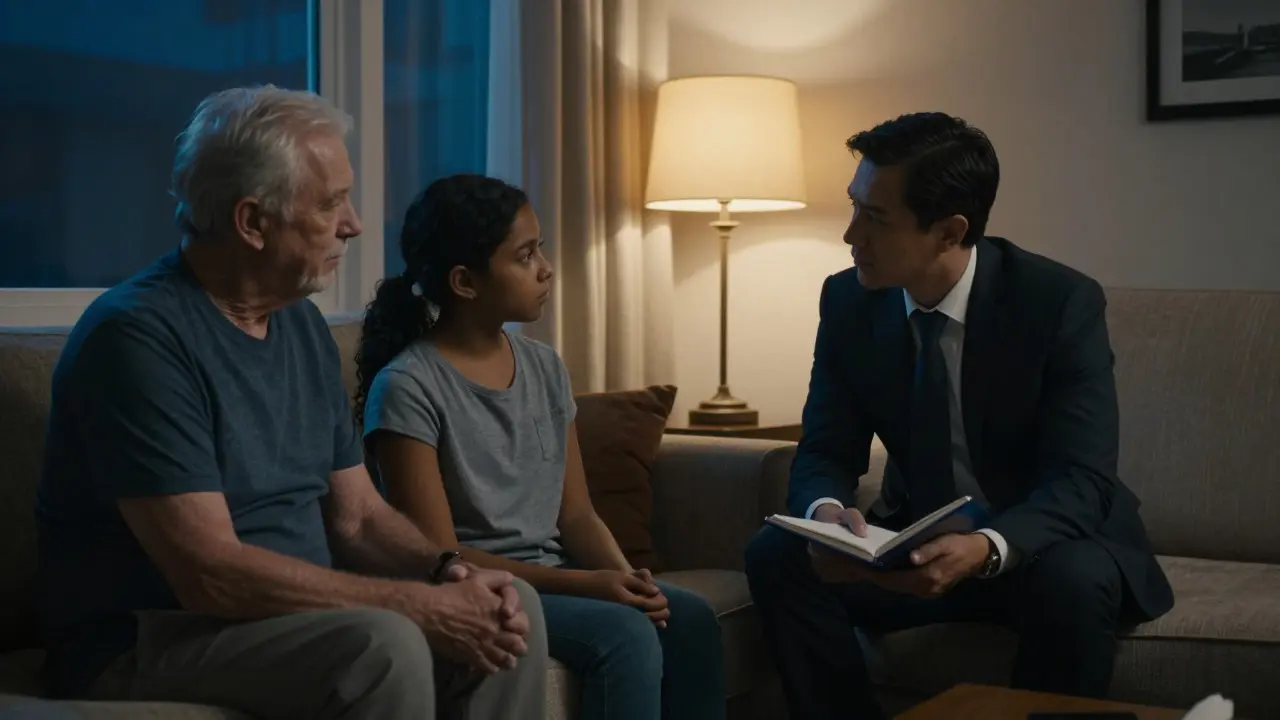
Imagine the phone rings at 2:00 AM. The voice on the other end is calm, professional, but the words are terrifying: "We need to talk about your son." For many families, this moment defines their reality for years. But if that officer doesn't understand how your culture handles silence, or what specific rituals must happen before a body is moved, that first conversation can cause more harm than good. In the context of missing persons cases, technical accuracy is only half the battle; the other half is human connection across cultural lines.
When a person goes missing, the clock starts ticking immediately. Law enforcement agencies often operate under strict protocols designed for efficiency. However, these standard procedures can clash violently with the values, beliefs, and social structures of diverse communities. A lack of cultural competence isn't just a soft skill issue; it can delay investigations, alienate witnesses, and deepen the trauma of grieving families. This guide breaks down how to bridge that gap, ensuring that every interaction respects the dignity of the family while keeping the investigation moving forward.
Why Culture Changes Everything in Missing Persons Cases
Culture is not just about ethnicity or nationality. It includes religion, socioeconomic status, language, disability, and even regional dialects. When a family reports a missing person, they bring their entire worldview into the interview room. If an investigator assumes that everyone processes information the same way, they miss critical clues.
Consider the concept of time. In some Western contexts, punctuality is a sign of respect. In others, relationships take precedence over schedules. If an investigator arrives exactly at 9:00 AM and leaves exactly at 10:00 AM without building rapport, a family from a collectivist culture might feel rushed and unheard. Conversely, if an investigator lingers too long without clear structure, a family accustomed to directness might interpret it as inefficiency or confusion.
Then there is the hierarchy of decision-making. In individualistic cultures, the parent makes the call. In many Asian, African, and Indigenous communities, elders or extended family members hold the final say. If you ask a young mother, "Do we have permission to search the house?" and she says yes, but her father-in-law disagrees later, the case stalls. Understanding who holds authority in the family unit is essential for getting accurate consents and reliable statements.
The First Contact: Setting the Tone
The initial contact sets the trajectory for the entire relationship. Whether it happens via phone, in person, or through a community liaison, the goal is to establish trust, not just extract data.
- Choose the right channel: Some families prefer face-to-face meetings for major updates. Others may find it less intrusive to start with a text or email for minor logistical questions. Ask them what works best for them early on.
- Use interpreters wisely: Never rely on children to translate legal or medical terms. Use certified interpreters who understand the nuance of the situation. If the family speaks a low-resource language, look for community volunteers who share that background.
- Respect physical space: Be mindful of personal space and touch. In some cultures, handshakes between men and women are avoided unless initiated by the woman. In others, a hug is expected. Watch for cues and mirror the family's comfort level.
A common mistake is assuming that silence means agreement. In many East Asian and Native American cultures, silence is a sign of respect and contemplation. If an investigator fills the silence with rapid-fire questions, the family may shut down. Learn to sit in the quiet. Let the family process. Often, the most important details emerge after a pause, not during one.
Navigating Religious and Spiritual Beliefs
Few topics are as sensitive as death and the afterlife. When a missing person is found, especially if deceased, religious protocols often dictate immediate actions that may conflict with forensic needs.
For Jewish families, burial should ideally happen within 24 hours. Autopsies are generally discouraged unless required by law, and when they are performed, the body must be treated with extreme care. For Muslim families, the body must be washed and buried facing Mecca. Christian traditions vary widely, but many prefer private viewings or specific prayers before transport. Indigenous communities may require ceremonies involving smoke, song, or specific items placed on the body.
If an investigator ignores these needs, the family may feel that their loved one is being treated as mere evidence rather than a human being. This perception can lead to resistance against further cooperation. To mitigate this, build a quick-reference guide of local religious leaders and practices. Knowing that a rabbi, imam, or elder is available to consult can speed up the process significantly.
| Cultural Group | Communication Style | Decision-Making | Post-Discovery Needs |
|---|---|---|---|
| Western Individualist | Direct, eye contact valued | Nuclear family head | Regular status updates, legal clarity |
| East Asian (e.g., Japanese, Chinese) | Indirect, high context, silence common | Elders or extended family | Respect for hierarchy, modesty in grief |
| Middle Eastern/Arab | Warm, relational, hospitality-focused | Patriarch or senior male | Private mourning spaces, gender-segregated visits |
| Native American/Indigenous | Story-based, spiritual connection | Tribal council or elders | Ceremonial rites, land-specific protocols |
The Role of Community Liaisons
Sometimes, the best communicator isn't the detective. It's the community liaison. These individuals act as bridges between law enforcement and the community. They speak the language, understand the history, and carry social capital that officers often lack.
In urban areas, liaisons might be social workers or faith leaders. In rural or tribal areas, they could be tribal police officers or respected community figures. Their job is to prepare the family for what to expect. If a liaison explains that an autopsy will take three days and why it's necessary, the family hears it from someone they trust, not an outsider in a badge.
Liaisons also help manage media pressure. Families often feel exposed when news crews camp outside their homes. A liaison can coordinate a single point of contact for press inquiries, protecting the family's privacy while still allowing the agency to release necessary facts.
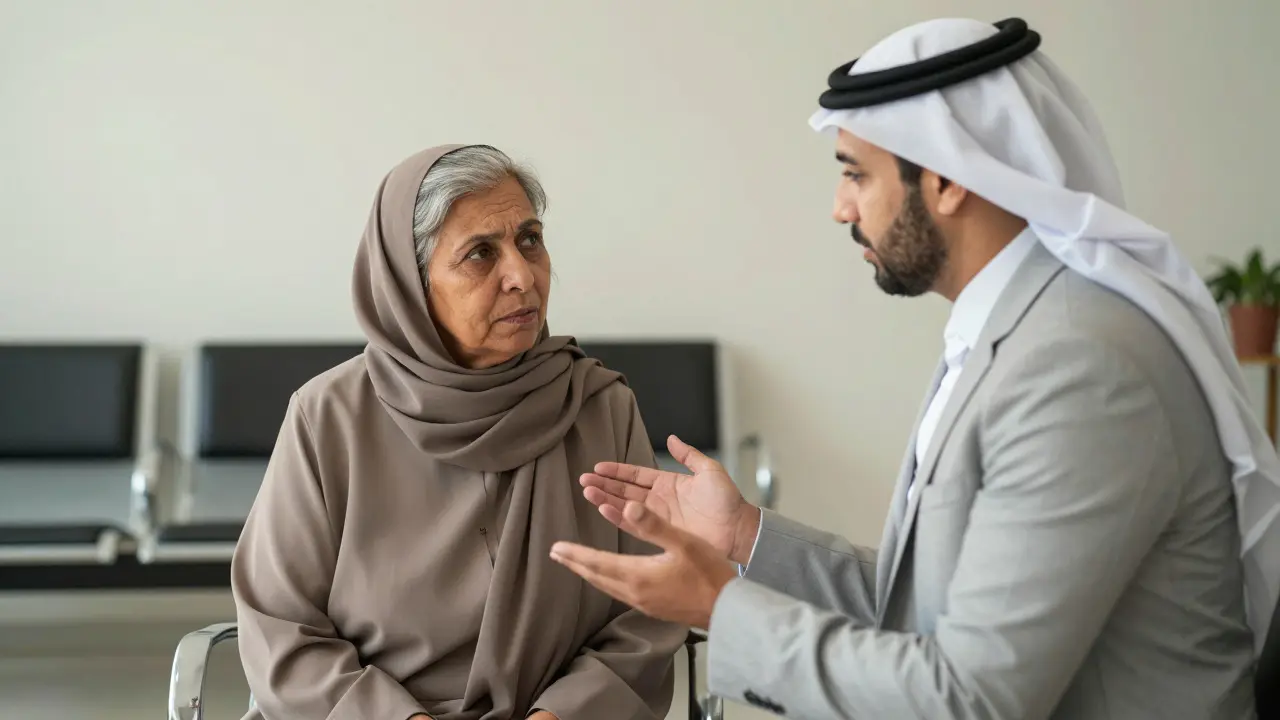
Practical Tools for Culturally Competent Investigators
You don't need to be an anthropologist to be culturally sensitive. You just need to be prepared. Here are practical steps to integrate into your daily workflow:
- Create a Family Profile Sheet: Include preferred names, pronouns, language, religious affiliation, key decision-makers, and any known cultural taboos. Update this sheet after every interaction.
- Learn Basic Phrases: Even knowing "thank you," "please wait," and "we are listening" in the family's language shows effort. It signals that you see them as people, not cases.
- Ask Open-Ended Questions About Rituals: Instead of guessing, ask: "Are there any specific ways you would like us to handle the remains?" or "Who else in your family needs to be included in these conversations?"
- Document Cultural Preferences: Note in the case file if the family requested a specific priest, if they needed separate interviews for men and women, or if they asked for no photos. This ensures consistency if another officer takes over the shift.
Technology can also help. Translation apps are useful for simple logistics, but for emotional conversations, use human interpreters. Video calls with distant relatives can be a lifeline, so ensure the technology is stable and accessible.
Handling Conflict and Misunderstandings
Miscommunications happen. Maybe you used a word that had a negative connotation in their dialect. Maybe you arrived late. Maybe you didn't invite the right person. When tension rises, stop and assess.
Don't get defensive. Acknowledge the friction. Say, "It seems we might have missed something. Can you help us understand what feels off?" This invites collaboration rather than confrontation. Often, once the family feels heard, the anger dissipates, and the focus returns to finding answers.
If a serious cultural breach occurs, consider bringing in a mediator. A trusted community leader can often smooth over rifts that an officer cannot fix alone. Remember, the goal isn't to be perfect; it's to be respectful and responsive.
Long-Term Support and Closure
The investigation doesn't end when the case is closed. For many families, the journey continues for years. Regular check-ins, even if just a brief note, show that the family hasn't been forgotten. Provide resources for grief counseling that align with their cultural background. Not all therapists are culturally competent either. Look for providers who specialize in multicultural grief.
Closure looks different for everyone. For some, it's the verdict in court. For others, it's a memorial service held according to tradition. Support both. By honoring their path to closure, you leave the door open for future cooperation, whether it's for witness testimony or simply maintaining community trust.
How do I know which cultural practices apply to a specific family?
Always ask the family directly. Do not assume based on surname or appearance. Use open-ended questions like, "Are there specific traditions we should be aware of regarding [topic]?" Document their answers in the case file for consistency.
What if the family refuses to cooperate due to cultural distrust?
Distrust often stems from past experiences with institutions. Bring in a community liaison or a trusted third party who shares the family's background. Build rapport slowly. Focus on shared goals, such as finding the missing person, rather than enforcing authority.
Is it okay to use children as translators?
Generally, no. Children may mistranslate complex legal or medical terms, and it places an unfair burden on them. Use certified interpreters whenever possible. If unavailable, use adult family members who are comfortable translating, but verify key points with follow-up questions.
How should investigators handle religious objections to autopsies?
Explain the necessity clearly and respectfully. Consult with the family's religious leader if possible. Offer alternatives where legally permitted, such as limited examinations or imaging first. Ensure the body is handled with dignity and returned promptly for ritual preparation.
What tools can help with language barriers in real-time?
Use certified remote interpreting services for accuracy. For simple logistics, translation apps can suffice. Always confirm understanding by asking the interpreter to paraphrase back. Avoid jargon and speak slowly and clearly.