Category: Forensics - Page 7
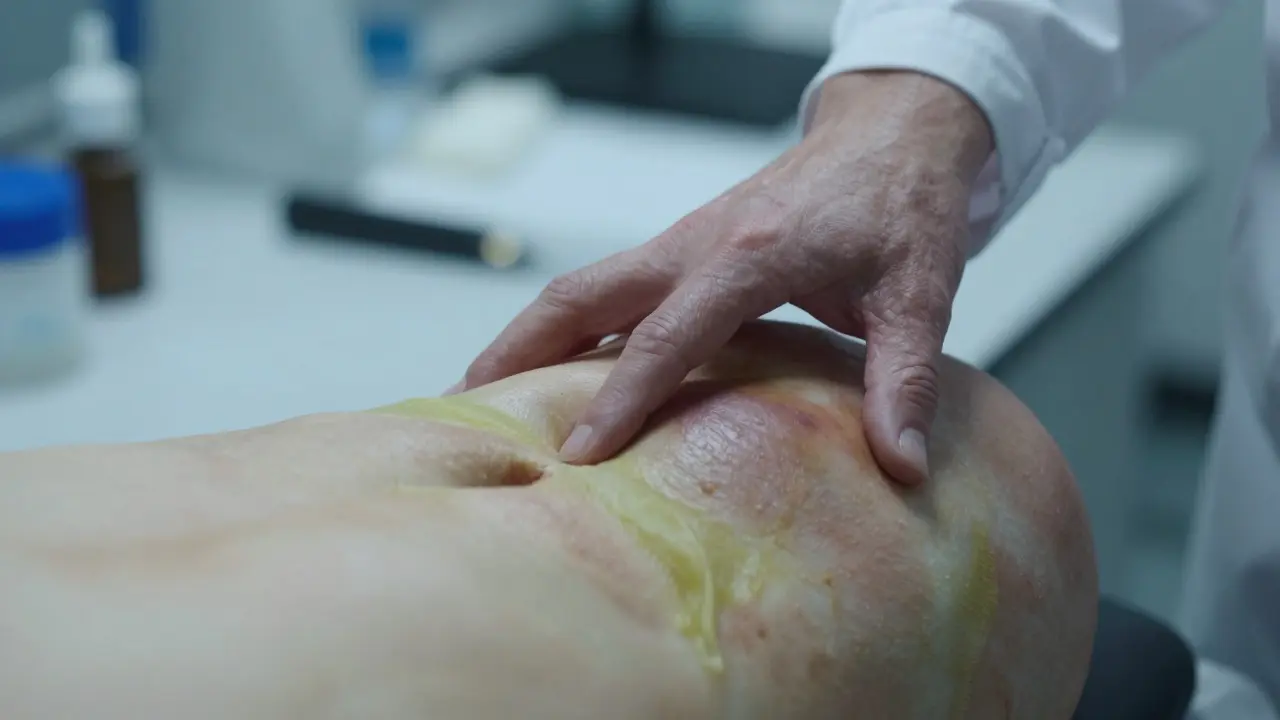
Forensic Decomposition Analysis: Understanding Progressive Changes in Time of Death Estimation
- By : Ian Brophy
- Date : Aug 23 2026
Explore the stages of human decomposition and how environmental factors influence time of death estimation. Learn about entomology, chemical markers, and best practices for accurate forensic analysis.
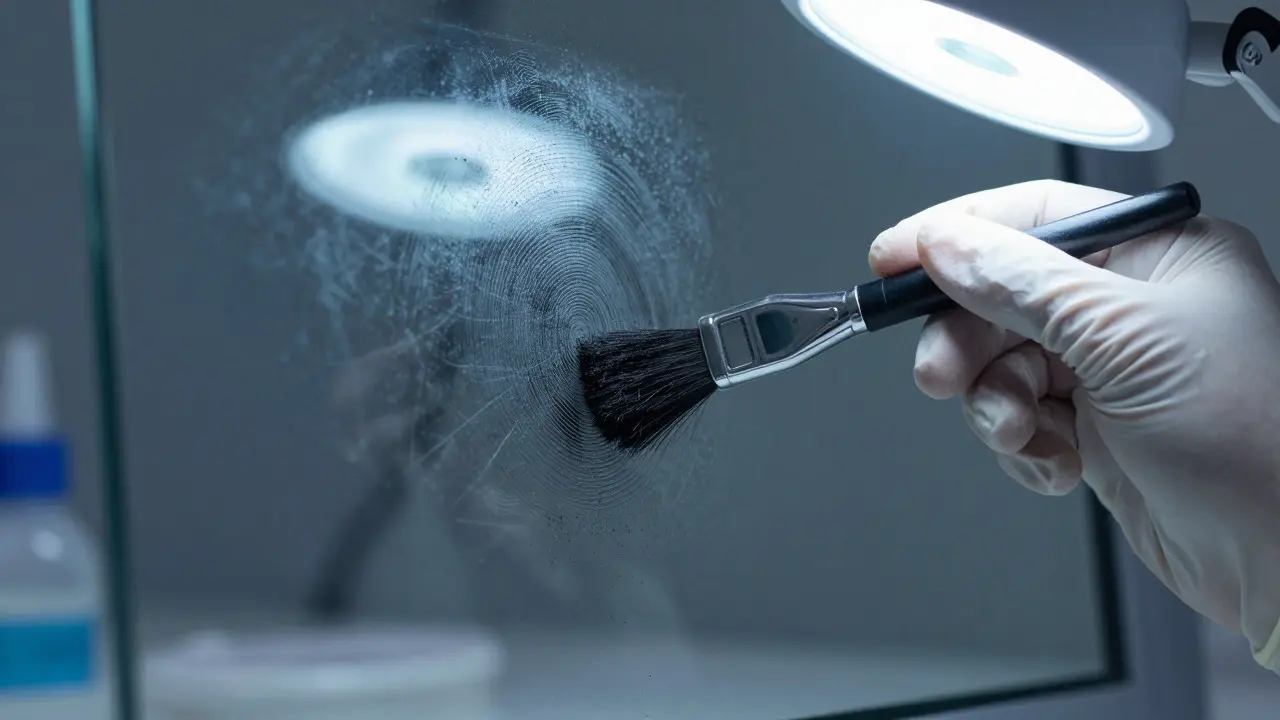
Fingerprint Powder Methods: A Practical Guide to Choosing the Right Technique
- By : Ian Brophy
- Date : Aug 23 2026
Learn how to choose the right fingerprint powder and brush for various surfaces. This guide covers surface compatibility, powder types, and common pitfalls to avoid.
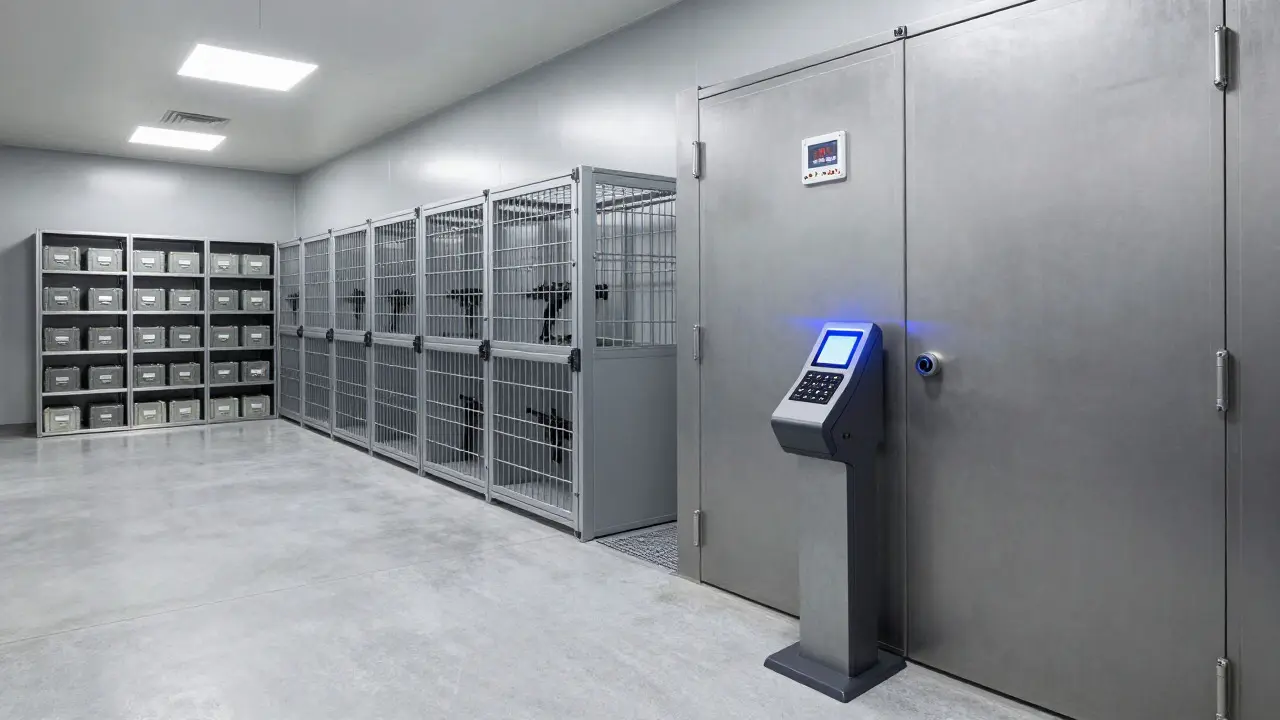
Storage Facility Requirements for Evidence Integrity: Chain of Custody Best Practices
- By : Ian Brophy
- Date : Aug 23 2026
Learn how to maintain evidence integrity through proper storage facility requirements. Covering chain of custody, environmental controls, and digital security to prevent case dismissals.
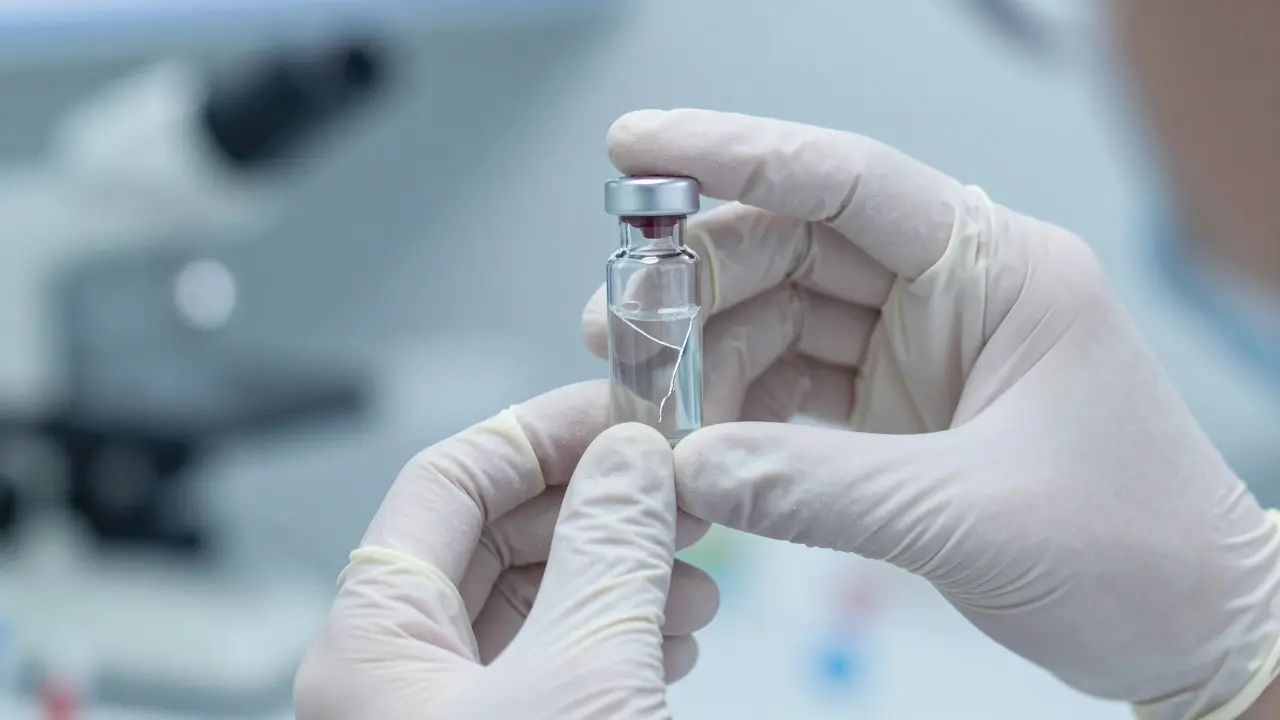
Forensic Conclusion Writing: How to Draw Evidence-Based Conclusions
- By : Ian Brophy
- Date : Aug 22 2026
Learn how to write strong, evidence-based conclusions for forensic reports. This guide covers logical structure, avoiding bias, and crafting clear statements that stand up in court.
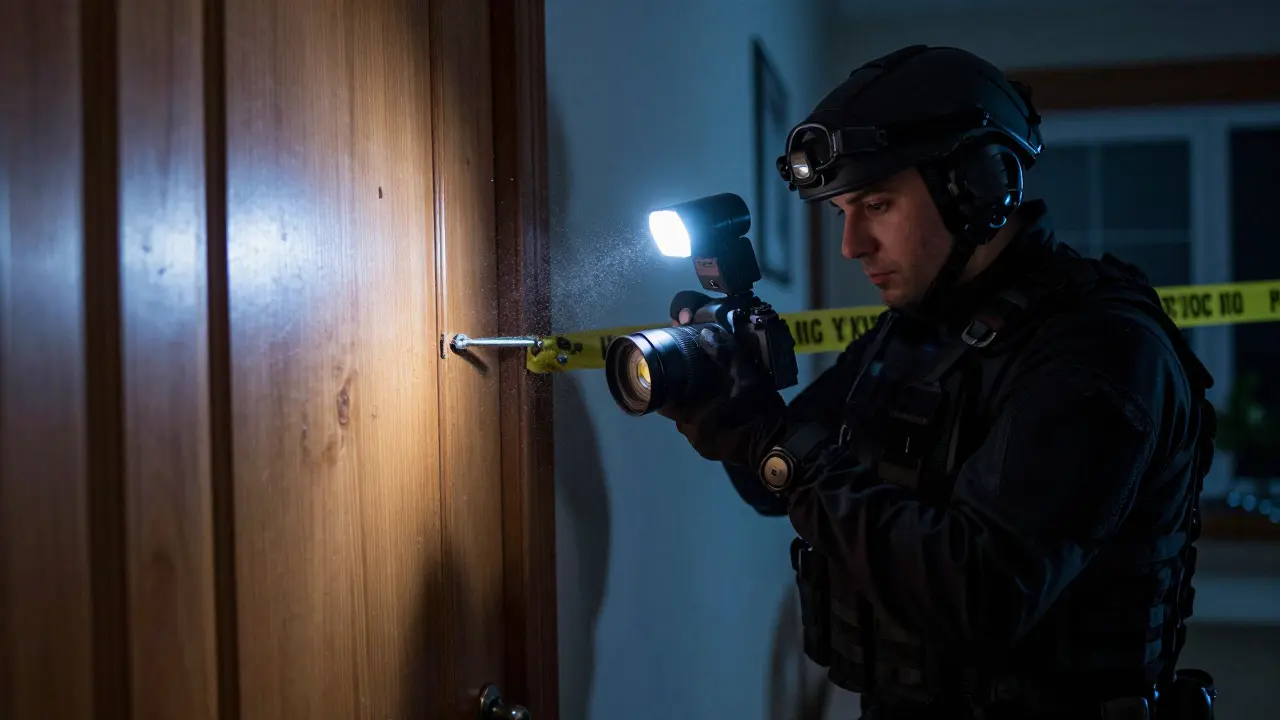
Digital Asset Management for Scene Images: A Forensic Cataloging Guide
- By : Ian Brophy
- Date : Aug 21 2026
Learn how to implement effective digital asset management for forensic scene images. Discover metadata standards, chain-of-custody best practices, and tools that ensure evidence integrity.
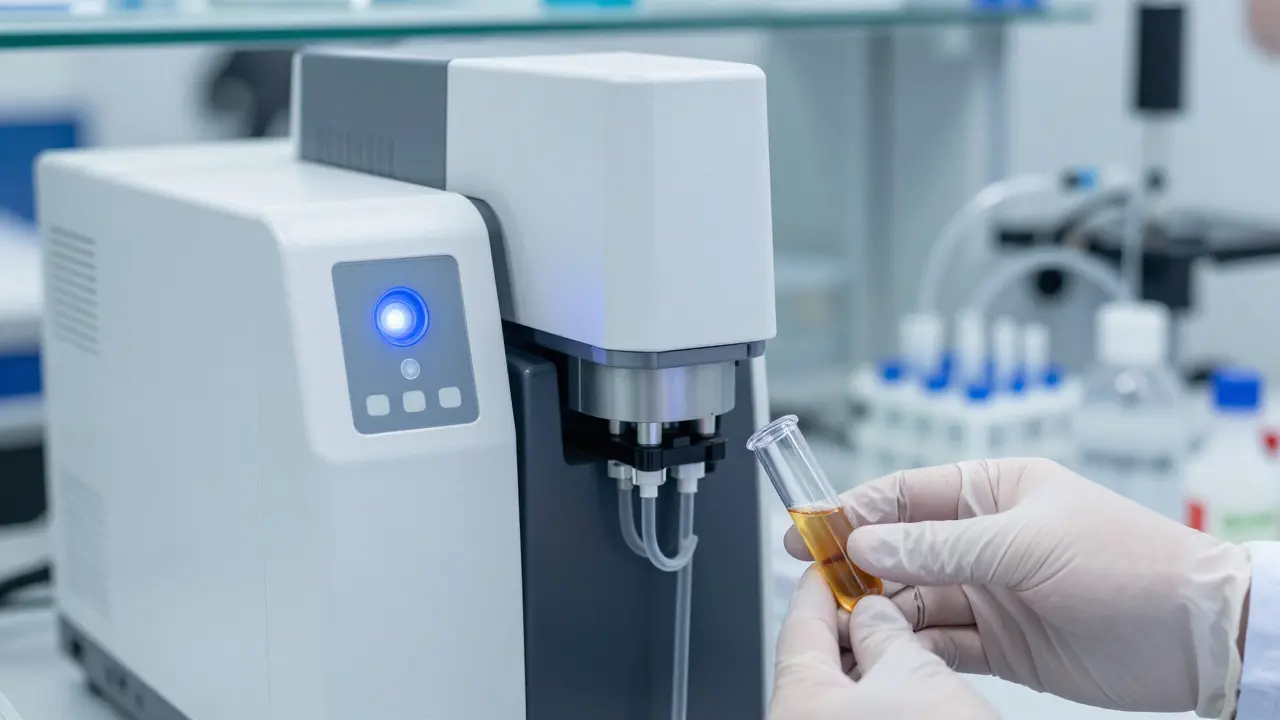
LC-MS/MS in Drug Analysis: Sensitivity and Selectivity Explained
- By : Ian Brophy
- Date : Aug 21 2026
Explore how LC-MS/MS revolutionizes drug analysis through superior sensitivity and selectivity. Learn about its role in forensic toxicology, validation requirements, and practical applications.
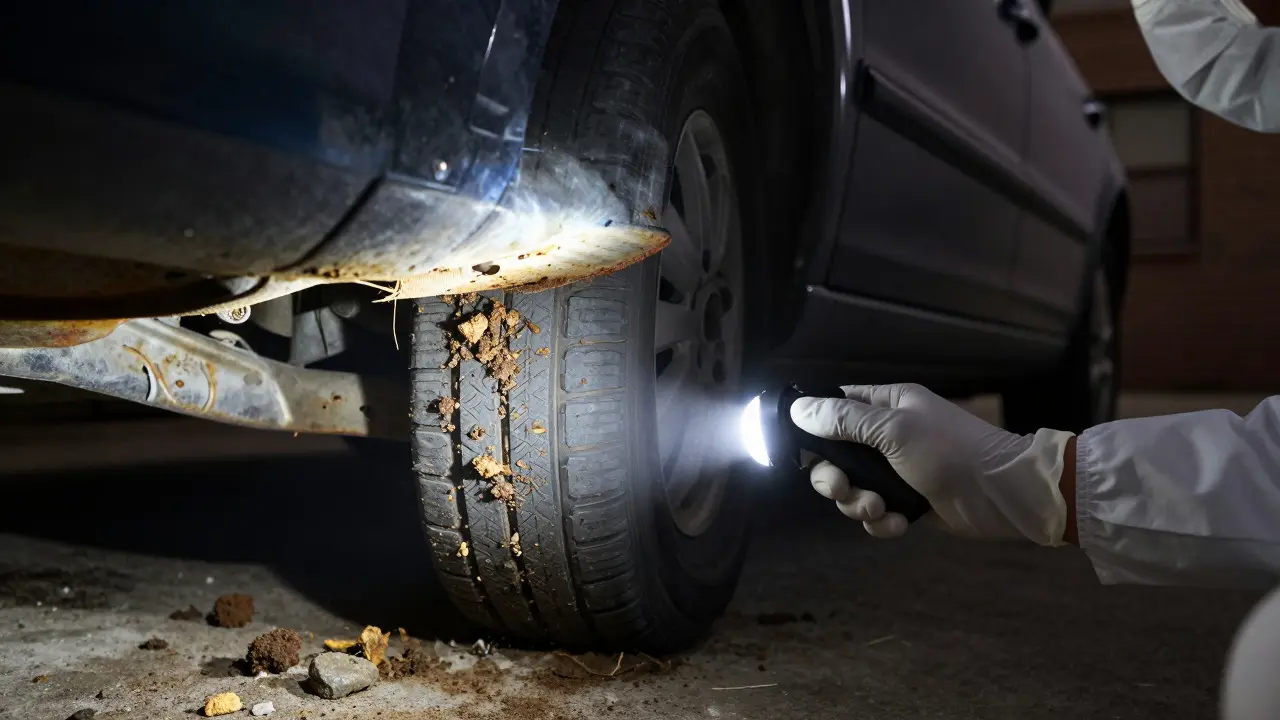
Trace Evidence from Vehicles: What to Look For
- By : Ian Brophy
- Date : Aug 21 2026
Learn how to identify and collect trace evidence from vehicles, including paint, fibers, soil, and biological traces. This guide covers best practices for preservation and common mistakes to avoid in forensic investigations.
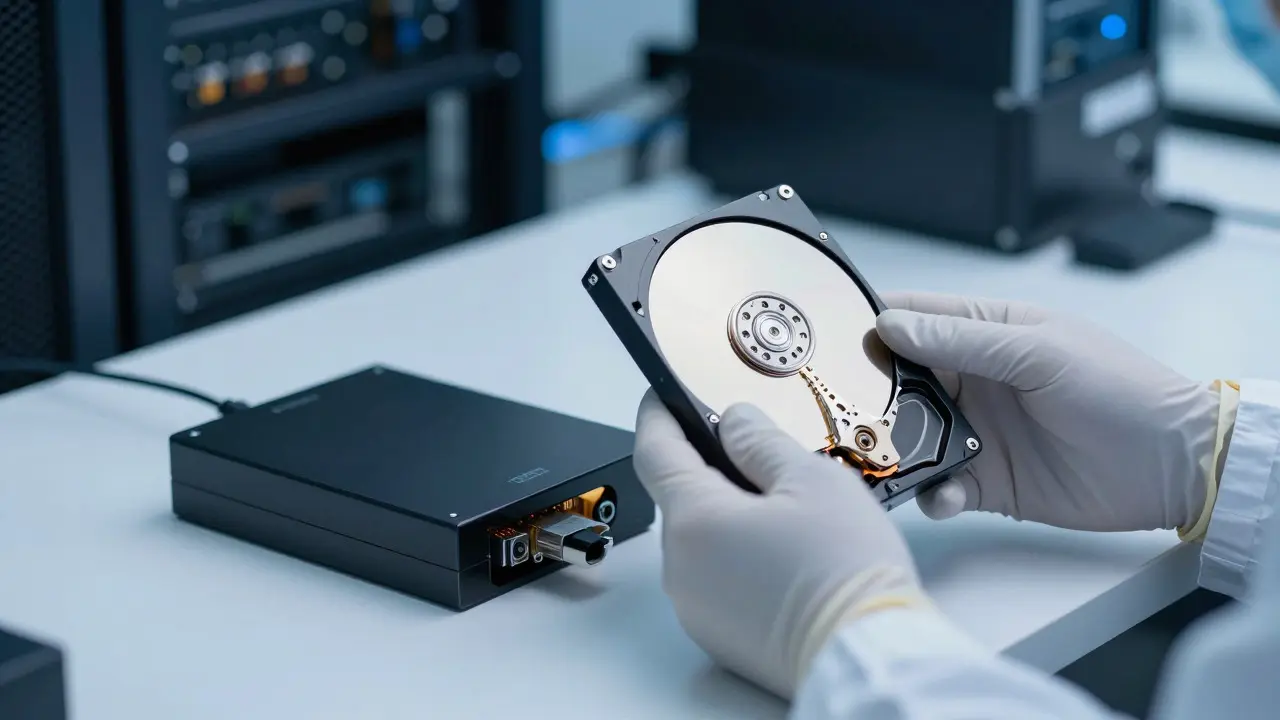
Forensic Imaging: Creating Bit-for-Bit Copies of Hard Drives
- By : Ian Brophy
- Date : Aug 20 2026
Learn how to create bit-for-bit forensic images of hard drives using write blockers and verified hash values to ensure legal admissibility.
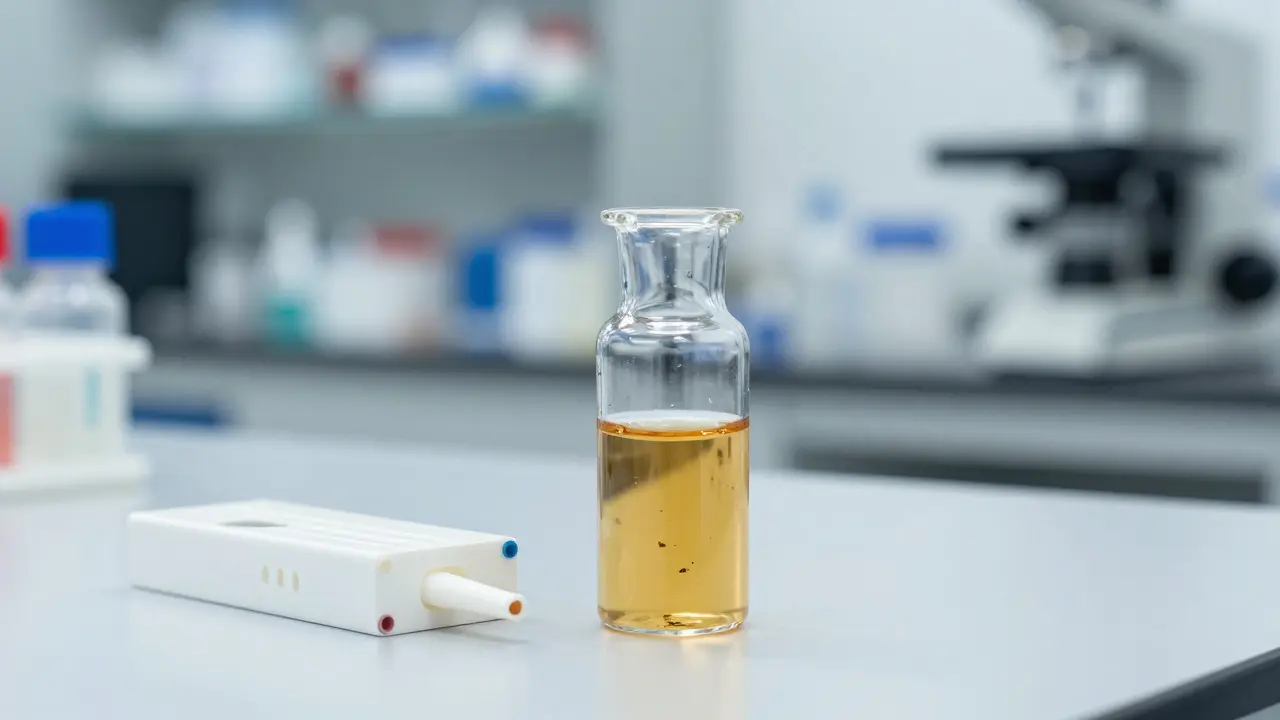
Solid-Phase Extraction: The Essential Guide to Sample Cleanup in Drug Testing
- By : Ian Brophy
- Date : Aug 20 2026
Learn how Solid-Phase Extraction cleans up drug samples for accurate testing. Covers sorbent selection, pH optimization, and validation metrics for forensic labs.
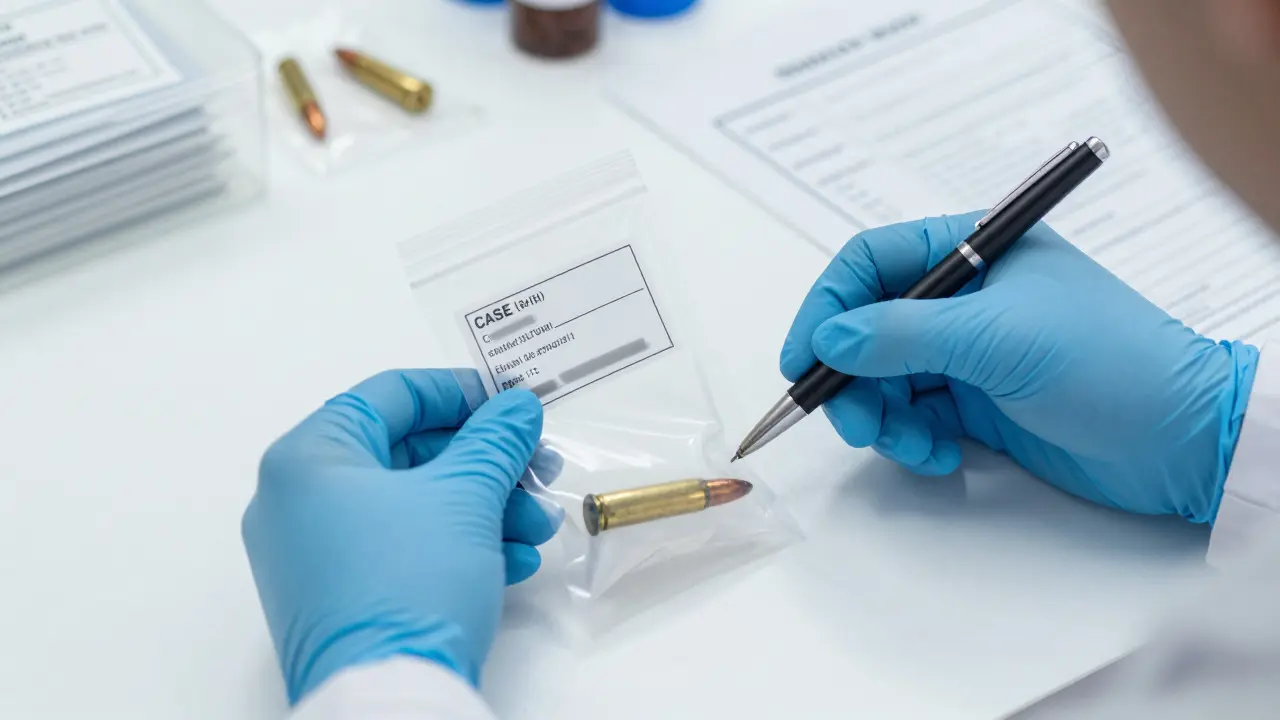
Forensic Reporting: How to Structure Exhibits and Appendices for Court
- By : Ian Brophy
- Date : Aug 19 2026
Learn how to distinguish between forensic exhibits and appendices. This guide covers proper labeling, structure, and common pitfalls to ensure your reports stand up in court.
CODIS Database: How DNA Matching Works in Criminal Cases
- By : Ian Brophy
- Date : Aug 18 2026
Discover how the CODIS database uses DNA profiles to solve crimes. Learn about its structure, matching types, and the impact on modern forensics.
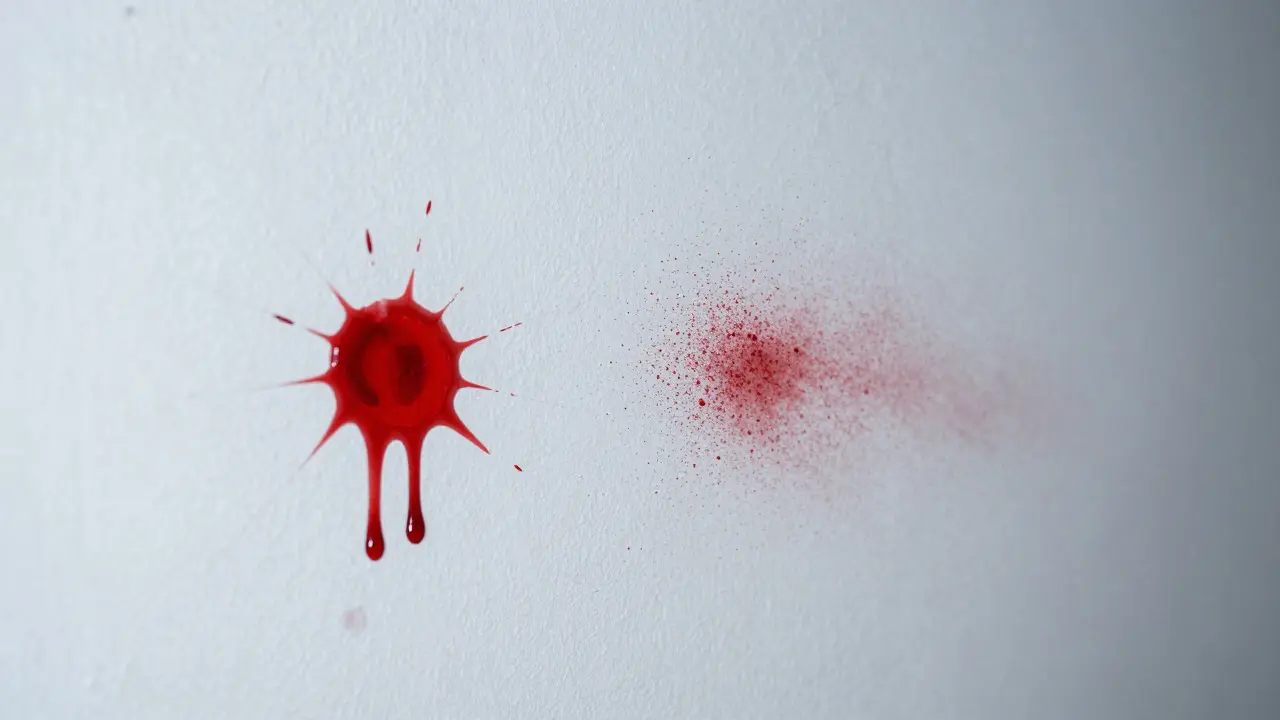
Back Spatter vs. Forward Spatter: Firearm Distinctions in Forensics
- By : Ian Brophy
- Date : Aug 18 2026
Learn how to distinguish between back spatter and forward spatter in firearm cases. Understand the physics, visual cues, and investigative value of these bloodstain patterns.