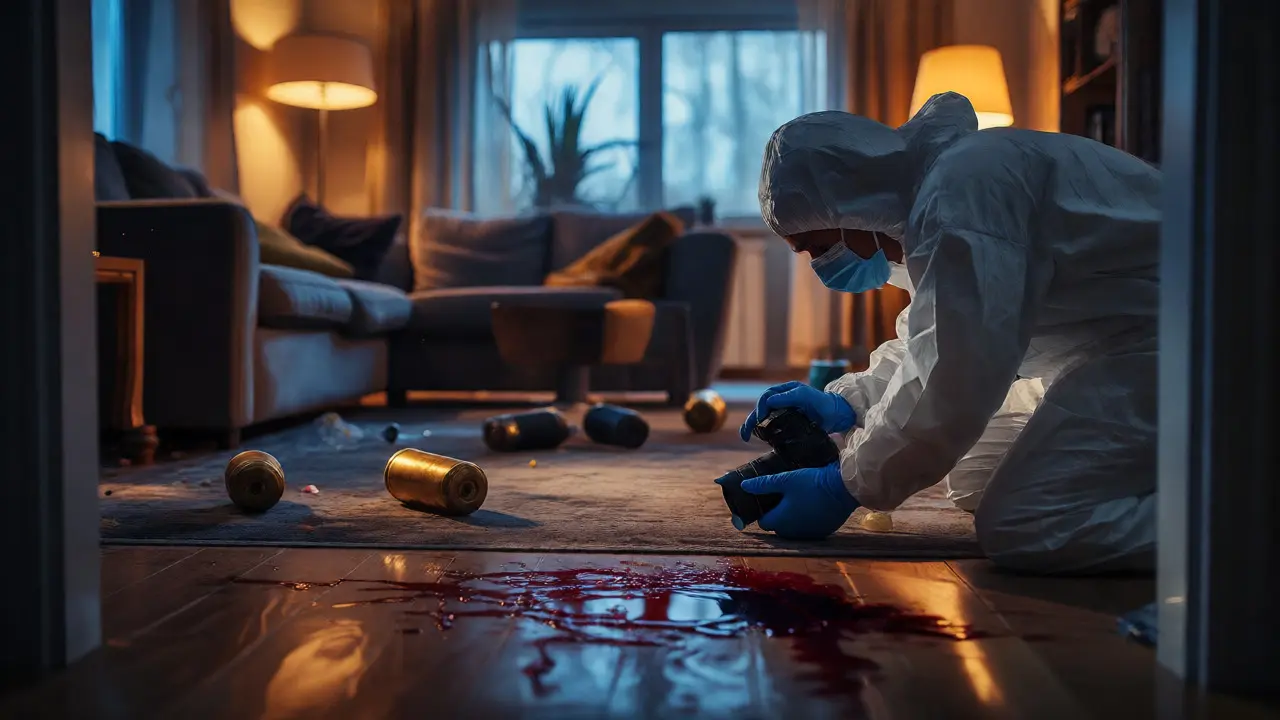
Imagine standing in a living room that looks like a tornado touched down. There is blood on the carpet, a broken vase near the door, and a single shell casing under the sofa. You have limited time before the family arrives or the weather turns. Do you swab the doorknob first? Or do you photograph the blood spatter pattern before it dries? This is scene triage, and getting it wrong can mean losing the case.
Unlike emergency medical triage, where you save lives, forensic triage saves truth. The goal isn't just to collect everything; it's to collect the right things in the right order so they remain admissible and intact. If you treat every item with equal priority, you waste critical resources. Here is how seasoned investigators prioritize homicide evidence when the clock is ticking.
Why Order Matters More Than Volume
New investigators often fall into the trap of "collecting everything." They bag hundreds of items, assuming the lab will sort it out. But labs are bottlenecks. Processing a DNA sample takes days; processing a fingerprint lift takes hours. If you fill their queue with low-value trash while high-value biological evidence degrades, you lose momentum.
Think about degradation factors. Biological evidence like blood, saliva, and hair breaks down quickly due to heat, humidity, and bacterial activity. Latent prints on porous surfaces fade as oils evaporate. Digital data on a phone battery dies if not preserved immediately. Prioritization is essentially a race against entropy. You need to identify which pieces of evidence are most fragile and most probative, then secure them first.
This approach also protects the integrity of the scene. Moving heavy furniture to get to a hidden weapon might disturb dust patterns or trace evidence elsewhere. By triaging, you plan your path through the scene to minimize contamination while maximizing yield.
The Four-Tier Priority System
To make decisions fast, use a four-tier system. This framework helps you categorize items based on urgency and value rather than just visibility.
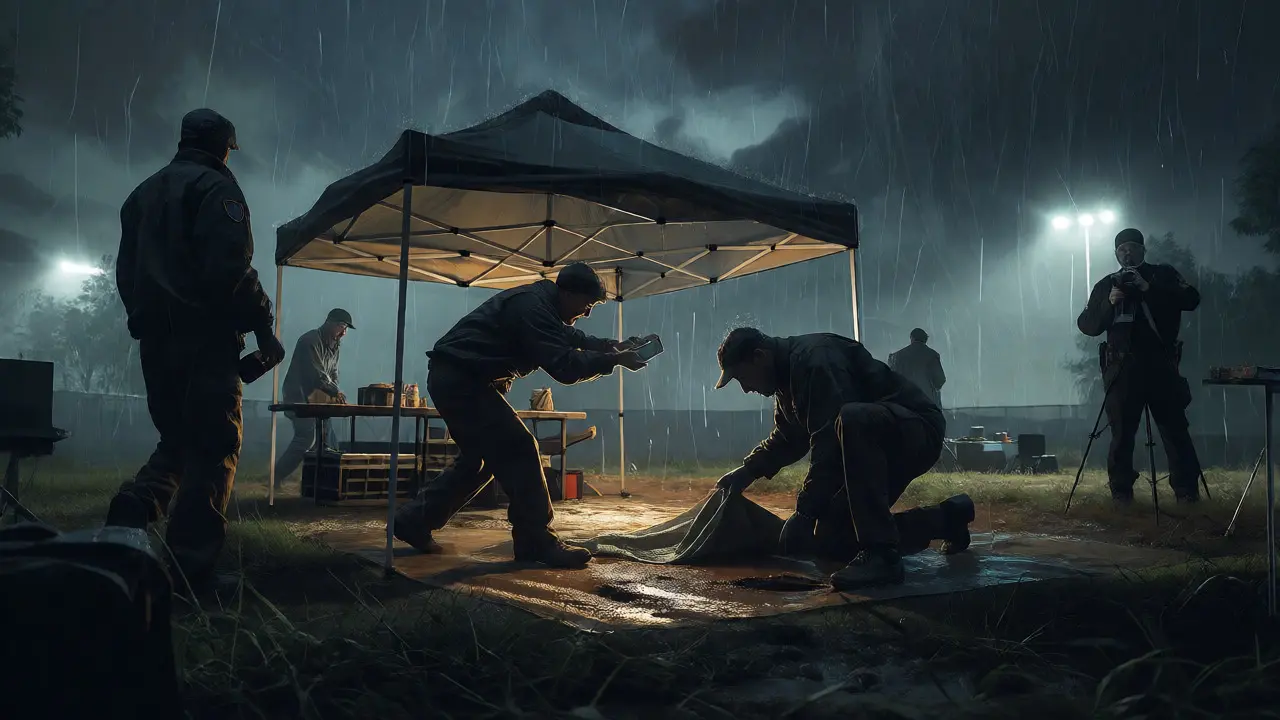
- Tier 1: Fragile and Time-Sensitive. These items degrade within minutes to hours. Examples include wet blood pools (which can be wiped away by wind or rain), open wounds (for swabbing), and digital devices with active screens. Also included here are items exposed to harsh weather conditions outdoors.
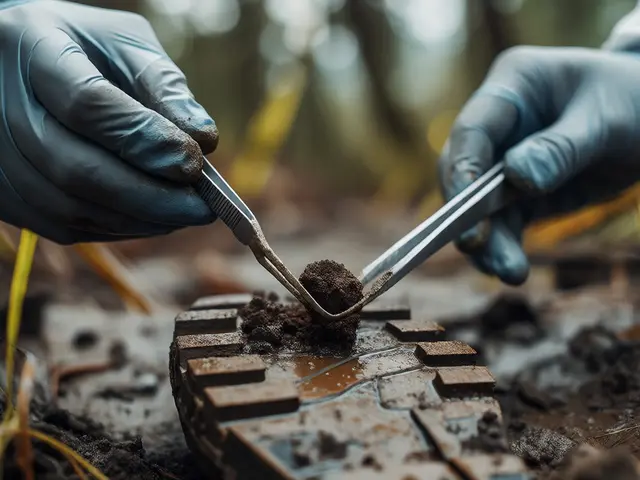
- Tier 2: High-Probative Value. These items directly link a suspect to the crime or define the event. Think weapons, shell casings, distinct footprints in mud, or handwritten notes. They don't degrade instantly, but they are crucial for building the narrative.
- Tier 3: Contextual and Trace Evidence. These help reconstruct the sequence of events. Fingerprints on light switches, fibers on clothing, or glass fragments on shoes. They require careful handling but aren't usually destroyed by waiting an hour longer.
- Tier 4: Background and Elimination Samples. Items needed to rule out innocent explanations. Standard fingerprints from family members, background soil samples, or control blood samples from the victim. Collect these last unless they are Tier 1 fragile.
Step-by-Step Execution Strategy
Once you've mentally sorted the scene, execute in this specific order to maintain chain of custody and prevent cross-contamination.
- Secure and Stabilize: Before touching anything, ensure the scene is safe. Check for secondary hazards like gas leaks or unstable structures. Document the initial state with wide-angle photos.
- Photograph Before Disturbing: Take overall, mid-range, and close-up photos of all Tier 1 and Tier 2 items. Use scale markers. Never move an item until its position relative to others is documented.
- Collect Tier 1 (Fragile): Swab blood, seal digital devices in Faraday bags to block signals, and protect outdoor evidence from weather using tents or tarps. If a body is present, cover it only after initial documentation to preserve temperature-related data.
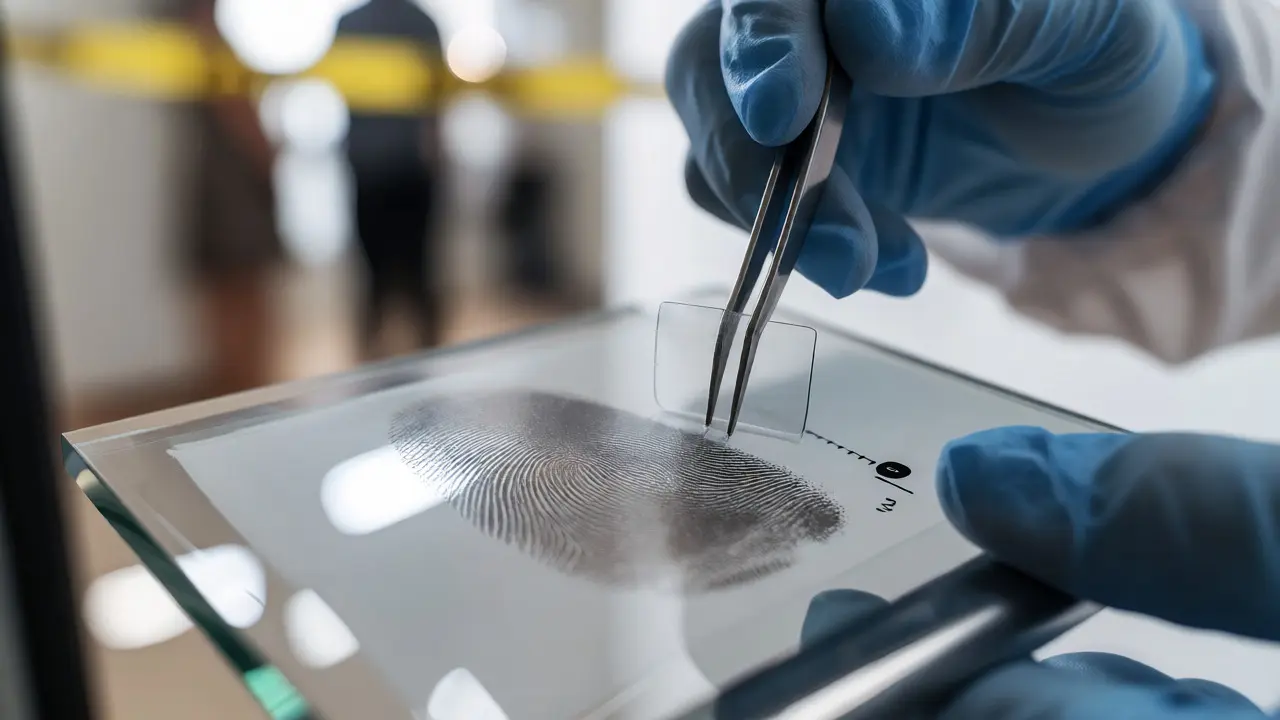
- Process Tier 2 (High Value): Lift latent prints from key touch points (door handles, weapon grips). Package weapons separately to avoid cross-transfer of residues. Ensure each item has a unique identifier linked to your photo log.
- Sweep for Tier 3 (Trace): Use alternate light sources to find fluids or fibers. Vacuum specific areas for hair and fiber collection. This step is meticulous and time-consuming, so it comes after the urgent items are secured.
- Gather Tier 4 (Elimination): Collect known standards. Get elimination prints from anyone who had legitimate access to the area. This prevents false positives later in the lab.
Common Pitfalls That Kill Cases
Even experienced teams make mistakes during triage. One major error is "tunnel vision," where investigators focus so much on the weapon that they miss the shoe print leading away from the scene. Another issue is poor packaging. Putting a wet bloody shirt in a plastic bag creates mold, destroying DNA. Always let biological evidence air-dry before packaging.
Also, beware of over-collection. Grabbing every piece of paper in a messy house overwhelms the analysis team. Use judgment. Does this receipt matter? Probably not, unless it places someone at a location at a specific time. If it doesn't answer a core question-who, what, when, where, why-leave it or flag it for lower-priority review.
Digital Evidence Integration
In modern homicides, digital evidence is often as important as physical evidence. A smartwatch recording heart rate spikes, a doorbell camera capturing the suspect, or a GPS history placing a phone at the scene can break a case wide open. Treat digital devices as Tier 1 items. Keep them powered off or in airplane mode to prevent remote wiping. If a device is locked, do not guess passwords; note the state and hand it to a digital forensics specialist.
| Evidence Type | Priority Tier | Primary Risk | Action Required |
|---|---|---|---|
| Wet Blood/Semen | 1 | Degradation/Drying | Swab and air dry immediately |
| Smartphone/Tablet | 1 | Remote Wipe/Battery Drain | Isolate signal, keep charged |
| Firearm/Shell Casing | 2 | Cross-contamination | Package separately, no cleaning |
| Latent Prints | 2/3 | Smudging/Evaporation | Lift before moving objects |
| Fibers/Hair | 3 | Loss via vibration/air | Vacuum carefully, label source |
| Elimination Prints | 4 | False Positives | Collect from authorized persons |
Documentation and Chain of Custody
Prioritization means nothing if you can't prove who held the evidence and when. Every transfer must be logged. Use a standardized form that includes date, time, collector name, description, and condition upon collection. If you skip a step because you were rushing to save a fragile sample, document the reason. Judges respect transparency. They penalize gaps in logic.
Remember, the scene tells a story. Your job is to capture that story without rewriting it. By triaging effectively, you ensure that the most critical chapters of that story survive to reach the courtroom.
What is the first thing to do at a homicide scene?
The first step is securing the perimeter to prevent contamination and ensuring officer safety. After that, conduct a preliminary walkthrough to identify obvious hazards and begin visual documentation before any physical evidence is moved or collected.
Why is digital evidence considered high priority?
Digital evidence is volatile. Devices can be remotely wiped, batteries can die causing data loss, and network connections can alter metadata. Isolating devices from networks and preserving their power state is critical to maintaining the integrity of the data.
How does weather affect evidence triage?
Rain, wind, and extreme temperatures accelerate the degradation of biological evidence and can wash away trace materials like footprints or tire marks. In bad weather, outdoor evidence moves to Tier 1 priority, requiring immediate protection with tents or tarps.
Can I collect evidence before photographing it?
Generally, no. Photographs establish the context and spatial relationship of evidence. Moving an item before documenting its position destroys the ability to reconstruct the scene accurately. Exceptions exist only for immediate life-saving measures or preventing imminent destruction of evidence.
What happens if I miss a piece of evidence during triage?
If evidence is missed, it may be lost forever, especially if the scene is released or cleaned. However, if discovered later, it can still be collected if the scene hasn't been altered. Proper triage reduces this risk by focusing attention on high-yield areas first.