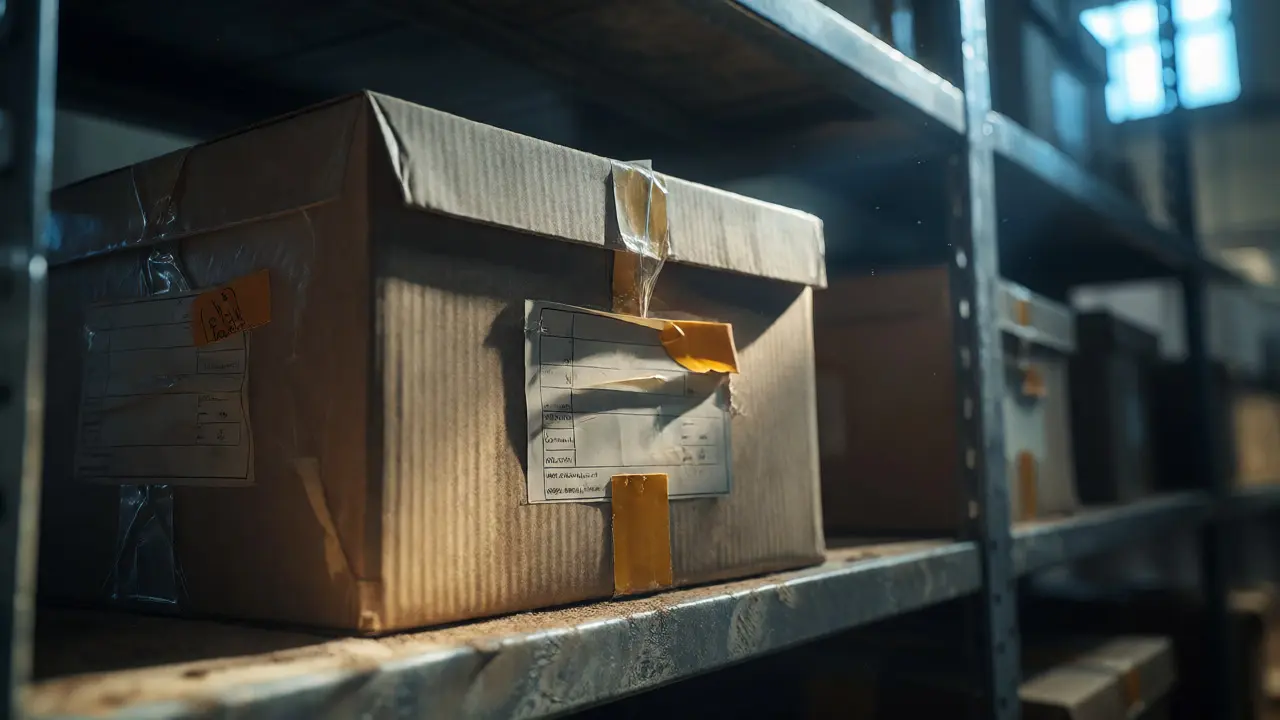
Imagine a sealed box in a police evidence locker, sitting there for fifteen years. Inside are packets of white powder labeled "Cocaine" from a bust that never went to trial because the suspect fled. The original lab report is yellowed, the handwriting barely legible. Back then, they used color tests and maybe a basic gas chromatograph. Today, we have tools that can identify a substance at parts per billion and distinguish between two synthetic cannabinoids that look identical under a microscope. Cold case drug evidence isn't just old paperwork; it's a time capsule of forensic limitations. When you pull these cases out of storage, you aren't just looking for drugs-you're looking for truth that technology couldn't provide decades ago.
Why bother reopening these files? Because the definition of what constitutes a controlled substance has shifted dramatically. In 2010, if a substance wasn't explicitly listed on the schedule, it might walk free. Now, with analog laws and emergency scheduling, those same compounds are illegal. But more importantly, our ability to detect impurities and cutting agents has skyrocketed. A packet labeled "Heroin" might actually contain fentanyl or nitazenes today, but ten years ago, the lab might have missed it entirely if they didn't run specific confirmatory tests. Reanalyzing this evidence with modern forensic tools can change charges, expose new trafficking routes, or even exonerate someone wrongly convicted based on poor initial analysis.
The Evolution of Detection Limits
Let's talk about sensitivity. In the 1990s and early 2000s, many labs relied heavily on immunoassay screening followed by GC-MS (Gas Chromatography-Mass Spectrometry). While GC-MS was the gold standard, it had limits. It required volatile compounds, meaning you often had to derivatize samples-chemically alter them-to make them fly through the machine. This process could introduce errors or miss non-volatile substances. Furthermore, detection limits were often in the microgram range. If your sample was tiny or degraded, you might get a "non-detect" when the drug was actually present.
Enter Liquid Chromatography-Tandem Mass Spectrometry (LC-MS/MS). Unlike GC, LC doesn't require volatility. You dissolve the sample, pump it through a column, and hit it with mass spec. This method is far superior for analyzing polar compounds, metabolites, and newer synthetic drugs like cathinones (bath salts) and synthetic opioids. Modern instruments can detect substances at nanogram levels. For cold cases, this means we can analyze trace residues left on packaging tape or inside a baggie that was previously deemed "empty." That residue profile can link a suspect to a specific batch of drugs, creating a fingerprint that wasn't visible before.
Identifying New Psychoactive Substances (NPS)
The biggest headache for forensic chemists over the last decade has been New Psychoactive Substances (NPS). These are designer drugs created to mimic traditional narcotics while evading legal schedules. Think of spice/K2 (synthetic cannabinoids) or MDPV (a synthetic stimulant). Ten years ago, many of these weren't in reference libraries. A lab might run a sample, see an unknown peak, and label it "unknown plant material" or "unidentified organic compound."
Today, our reference libraries are massive. We have spectral data for thousands of NPS variants. When you reanalyze a cold case sample from 2012, you might find it contains AB-FUBINACA, a potent synthetic cannabinoid that was banned later. Suddenly, a misdemeanor possession charge becomes a felony distribution charge. Or, conversely, you might discover the "methamphetamine" seized in 2015 was actually a novel research chemical that wasn't scheduled at the time, potentially overturning a conviction. This shift requires careful legal review, but the scientific clarity is undeniable.
| Feature | Legacy Method (GC-MS/Color Tests) | Modern Method (LC-MS/MS & High-Res MS) |
|---|---|---|
| Sensitivity | Microgram range (μg) | Nanogram/Picogram range (ng/pg) |
| Sample Prep | Derivatization often required | Direct injection or simple extraction |
| NPS Coverage | Limited library; frequent "Unknowns" | Extensive libraries for synthetic opioids/cannabinoids |
| Throughput | Slower due to prep steps | Faster automation and higher volume |
| Destructive? | Often destructive | Non-destructive options available (e.g., NIR, Raman) |
Preservation Challenges in Cold Cases
You can't just throw old evidence into a modern machine and expect perfect results. Time degrades everything. Organic materials break down. Moisture gets in. Light breaks chemical bonds. If a packet of cocaine was stored in a damp basement for twenty years, hydrolysis might have converted some of it into ecgonine methyl ester. A naive analyst might flag this as contamination or degradation product rather than the parent drug.
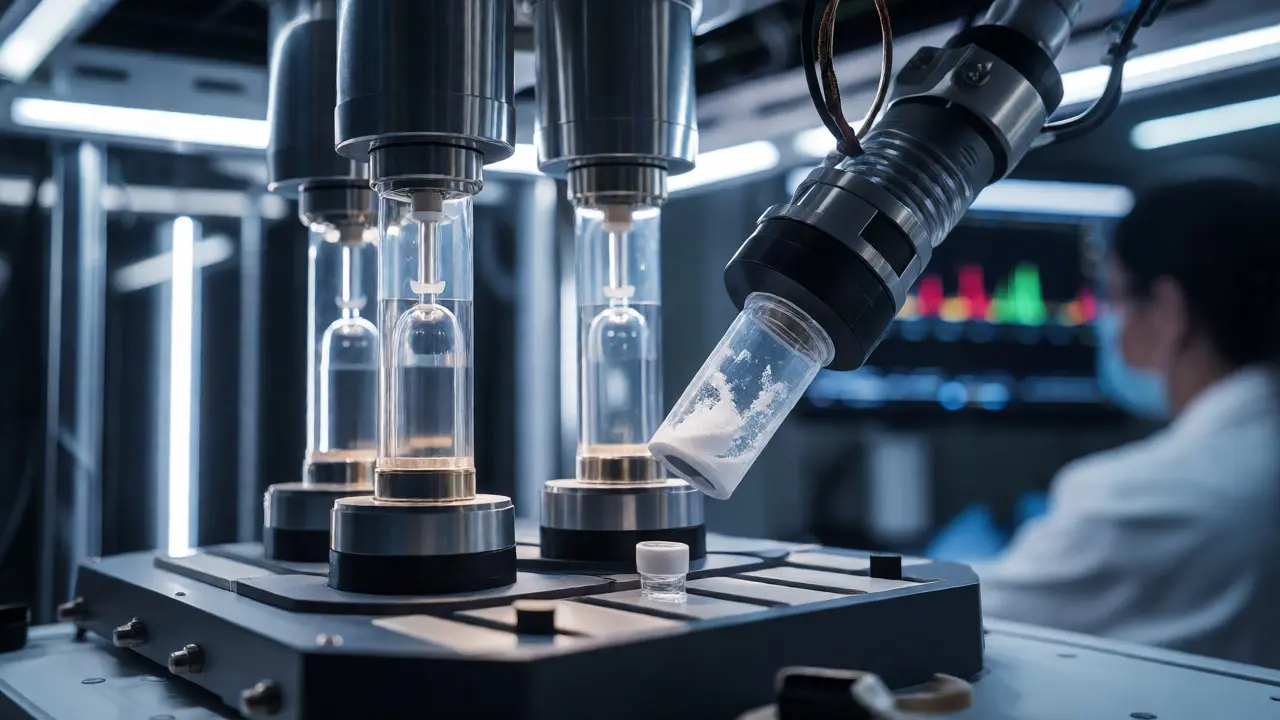
This is where validation protocols come in. Before retesting, you must assess the chain of custody. Was the seal intact? Is there mold? Did the packaging degrade? If the evidence is compromised, you need to use techniques that account for degradation products. High-Resolution Mass Spectrometry (HRMS) is particularly useful here because it provides exact mass measurements. Instead of just matching a fragment pattern, you determine the elemental composition of the molecule. This helps distinguish between actual drug degradation and contaminants introduced during storage.
From Chemistry to Context: Linking Cases
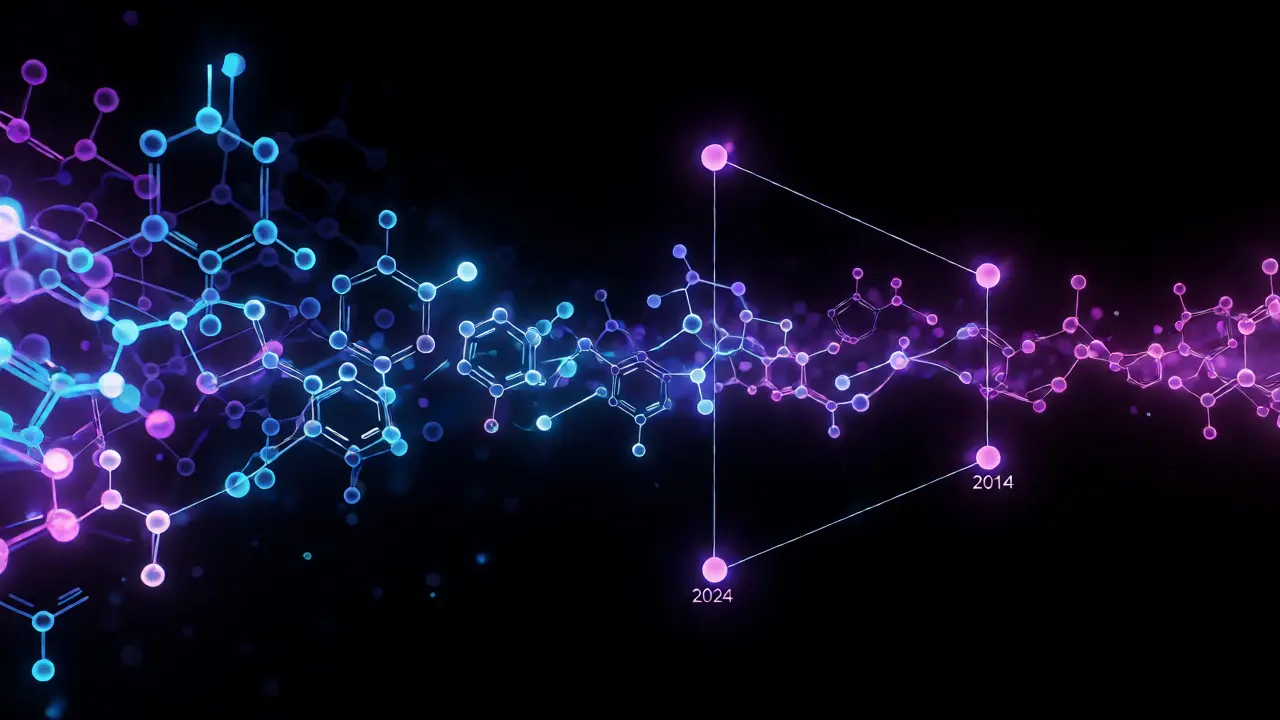
Reanalysis isn't just about identifying the drug; it's about connecting the dots. Modern tools allow us to analyze cutting agents-the stuff mixed with the drug to bulk it up. In the past, labs focused on the active ingredient. Now, we look at the full profile. If you find a specific ratio of levamisole (a common cocaine cutter) and phenacetin in a 2014 seizure, and you find the exact same ratio in a 2024 arrest, you have strong evidence linking two separate investigations to the same supplier.
This concept, known as profiling, turns isolated evidence packets into a network map. By reanalyzing cold cases, law enforcement can reconstruct historical supply chains. Maybe a local dealer thought he was buying from one source, but the chemical fingerprint reveals he was actually part of a larger international ring that only got busted recently. This contextual intelligence is invaluable for current investigations, turning dead-end files into live leads.
Legal and Ethical Implications
Just because you can test it, doesn't mean you should always release the results immediately. There are legal hurdles. Double jeopardy issues might arise if a person was acquitted based on flawed science. Conversely, statutes of limitation might bar prosecution even if new evidence emerges. Defense attorneys will scrutinize the methodology of any reanalysis. They'll ask: Was the lab accredited? Were the methods validated according to SWGDRUG (Scientific Working Group for the Analysis of Seized Drugs) guidelines? Did the analyst account for potential cross-contamination from other samples processed earlier?
Transparency is key. Labs must document every step of the reanalysis. If you use a new instrument that hasn't been fully validated for historical samples, you need to run control samples alongside the evidence. Showing your work builds trust. Courts are increasingly skeptical of "black box" technology. They want to know how the machine reached its conclusion. Providing raw data and detailed reports ensures that the reanalysis stands up to cross-examination.
Practical Steps for Reopening Files
If you're managing a backlog of cold case evidence, don't start randomly. Prioritize cases based on impact. Look for high-value seizures, cases involving violent crimes, or instances where the defendant is currently incarcerated. Start with a pilot program. Take fifty cases, retest them using LC-MS/MS, and compare the findings to the original reports. Track discrepancies. How often did the identity change? How often was a new substance found?
- Audit Storage Conditions: Check temperature logs and humidity records for the evidence room.
- Review Original Reports: Identify gaps in testing. Did they skip confirmatory analysis?
- Select Representative Samples: Don't test everything. Pick diverse geographic sources and time periods.
- Update Databases: Ensure your digital case management system can handle new data types and metadata.
- Communicate with Prosecutors: Discuss the implications of new findings before releasing results.
This systematic approach prevents overwhelming the lab and ensures resources are spent where they matter most. It also creates a standardized workflow that can be scaled up once the pilot proves successful.
The Future of Archived Evidence
We are moving toward an era where digital twins of physical evidence become possible. Imagine scanning a packet of drugs with hyperspectral imaging, recording its visual and chemical signature without opening it. Then, storing that data indefinitely. If better tools emerge in 2030, you don't need the physical sample anymore-you have the digital record. For now, though, physical reanalysis remains the gold standard.
The goal isn't just to catch criminals who slipped through the cracks. It's to refine our understanding of the drug market. Every reanalyzed cold case adds a data point to the historical timeline of drug trends. We can see how purity levels fluctuated during economic downturns, or how synthetic replacements entered the market after crackdowns on traditional supplies. This retrospective view helps predict future shifts, making us proactive rather than reactive.
Is cold case drug evidence still viable after 10+ years?
Yes, provided it was stored correctly. Most illicit drugs are stable organic compounds. However, moisture, light, and heat can cause degradation. Modern sensitive instruments like LC-MS/MS can often detect the parent compound or its stable degradation products, allowing for positive identification even in aged samples.
What is the primary advantage of LC-MS/MS over GC-MS for old evidence?
LC-MS/MS does not require the sample to be volatile, eliminating the need for derivatization which can destroy delicate compounds. It also offers higher sensitivity for polar substances and newer synthetic drugs that may not have been included in older GC libraries.
Can reanalysis overturn a previous conviction?
It can, but it depends on the legal context. If the original identification was wrong (e.g., misidentifying a non-controlled substance as a controlled one), it could support an appeal. However, statutes of limitation and double jeopardy rules vary by jurisdiction and may prevent retrial even with new evidence.
How do I prioritize which cold cases to reopen?
Focus on cases with significant sentencing disparities, unsolved homicides linked to drug activity, or large-scale trafficking operations. Also, prioritize cases where the original lab used outdated screening-only methods without confirmatory testing.
Does reanalysis cost more than new testing?
Not necessarily. The analytical time is similar, but administrative costs for retrieving and verifying chain of custody can add overhead. However, the value lies in resolving open cases or correcting errors, which can save judicial resources in the long run.