Category: Forensics - Page 10
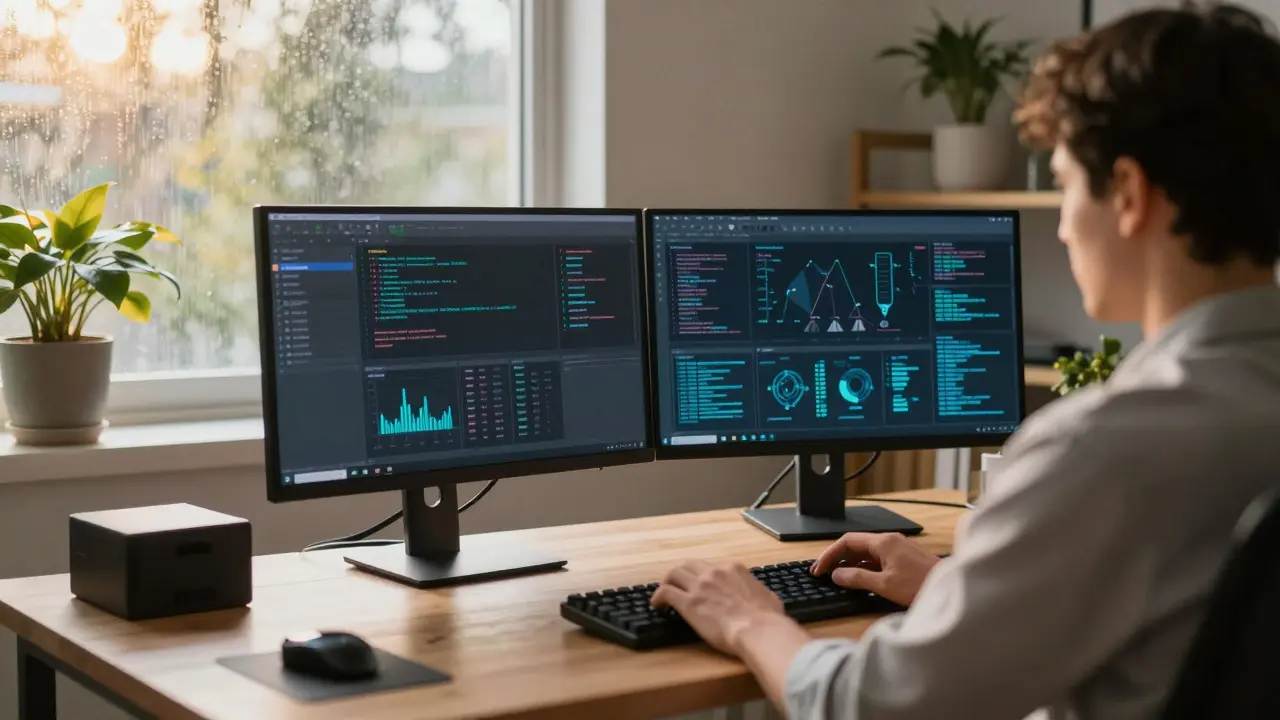
Remote and Hybrid Roles in Digital Forensics: 2026 Career Guide
- By : Ian Brophy
- Date : Aug 17 2026
Explore how remote and hybrid models are transforming digital forensics careers in 2026. Learn about eligible roles, necessary tech stacks, and tips to land your first remote position.
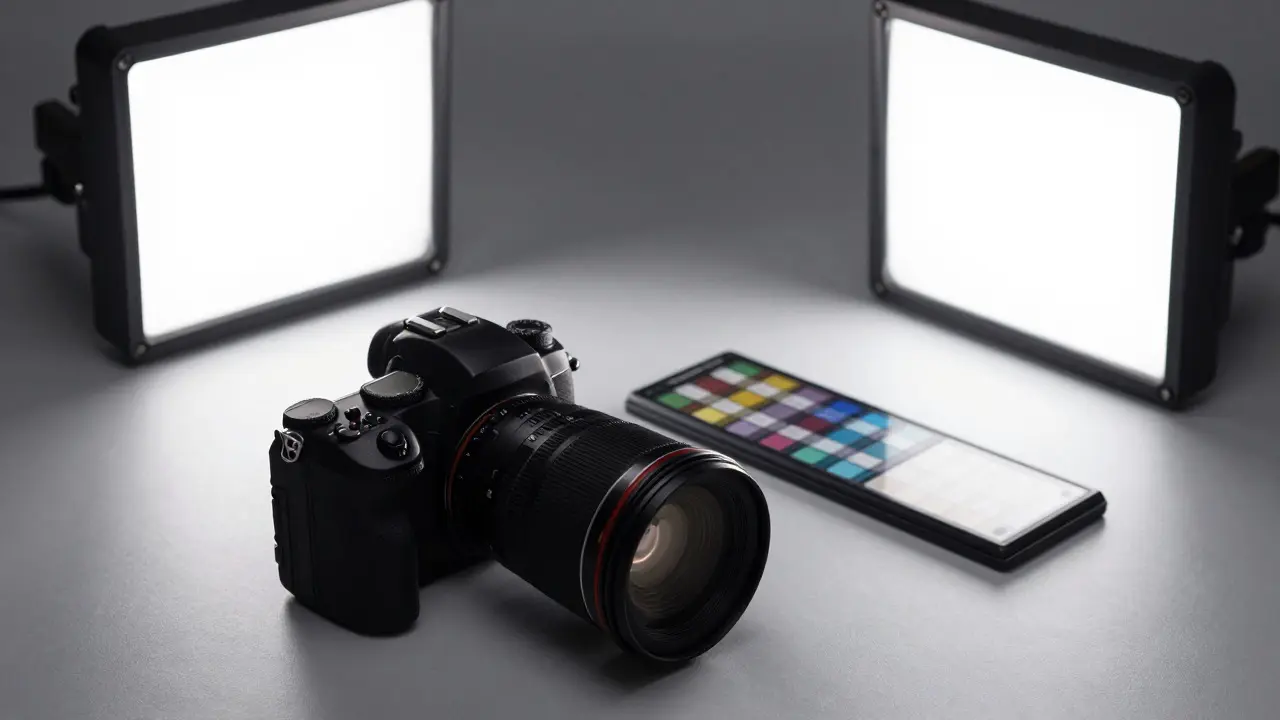
Witness Injury Photography: Standardized Clinical Techniques for Forensic Accuracy
- By : Ian Brophy
- Date : Aug 17 2026
Learn standardized clinical techniques for witness injury photography. Master the three-shot protocol, lighting setups, and equipment needed for forensically sound documentation.
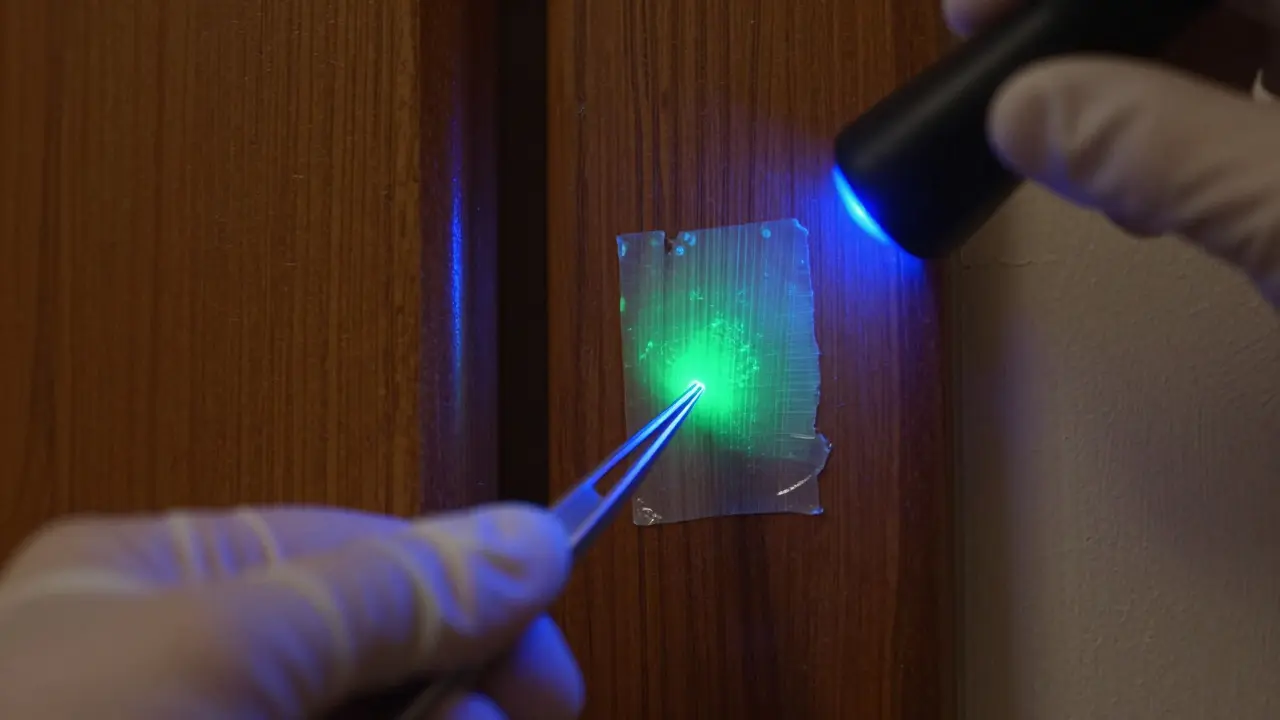
Adhesive Residue: The Hidden Evidence in Tape and Stickers
- By : Ian Brophy
- Date : Aug 17 2026
Discover how adhesive residue from tape and stickers serves as critical trace evidence in forensics. Learn about detection methods, chemical analysis, and real-world case examples.
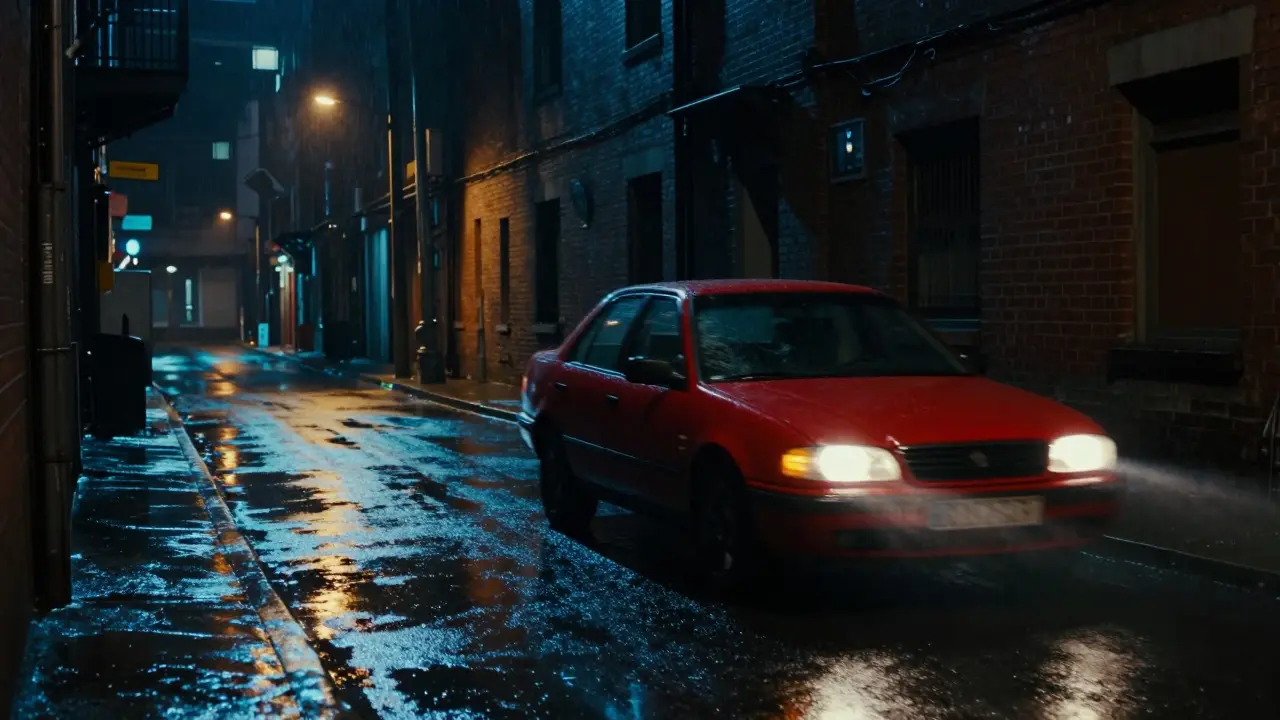
CCTV and ALPR: How Video Evidence Shapes Homicide Timelines
- By : Ian Brophy
- Date : Aug 17 2026
Discover how CCTV and ALPR technology combine to build precise timelines in homicide investigations, transforming raw data into courtroom-proof evidence.
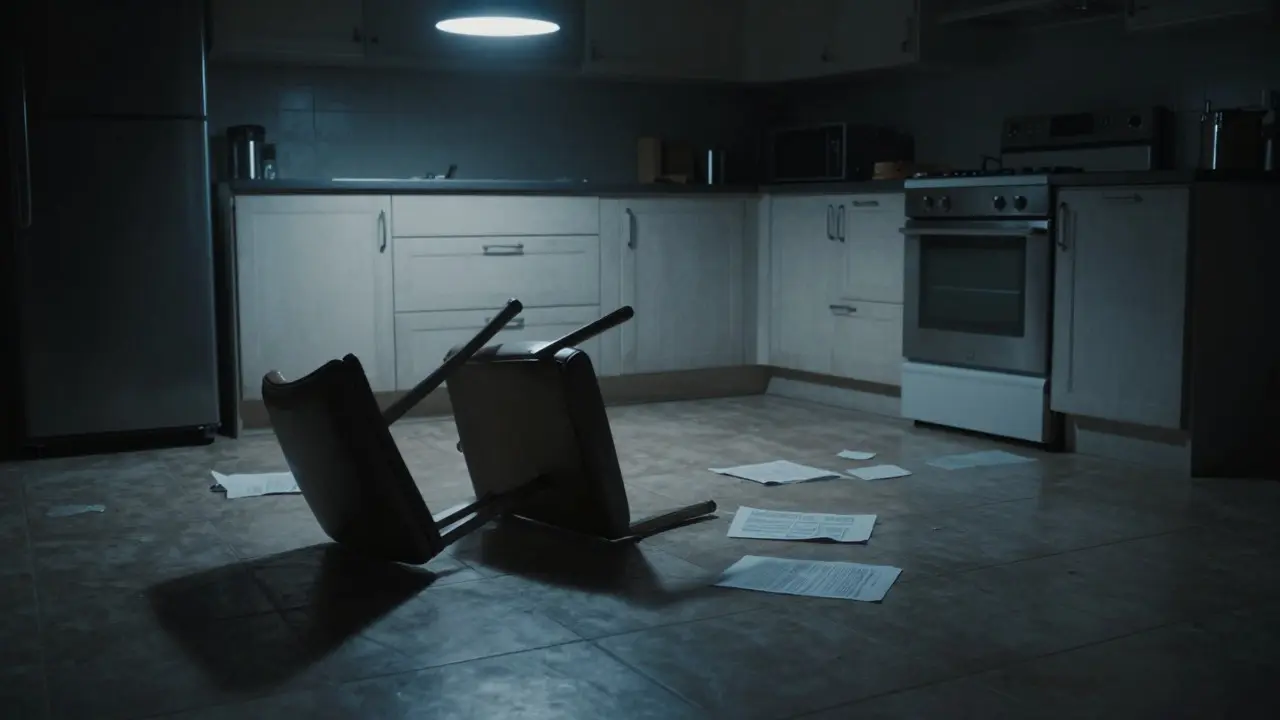
Domestic Homicide: Lethality Factors and Patterns Explained
- By : Ian Brophy
- Date : Aug 17 2026
A short summary for the article based on the topic. You need to write a summary with up to 5 sentences or 160 symbols that covers the provided topic. Try to write the most human text.
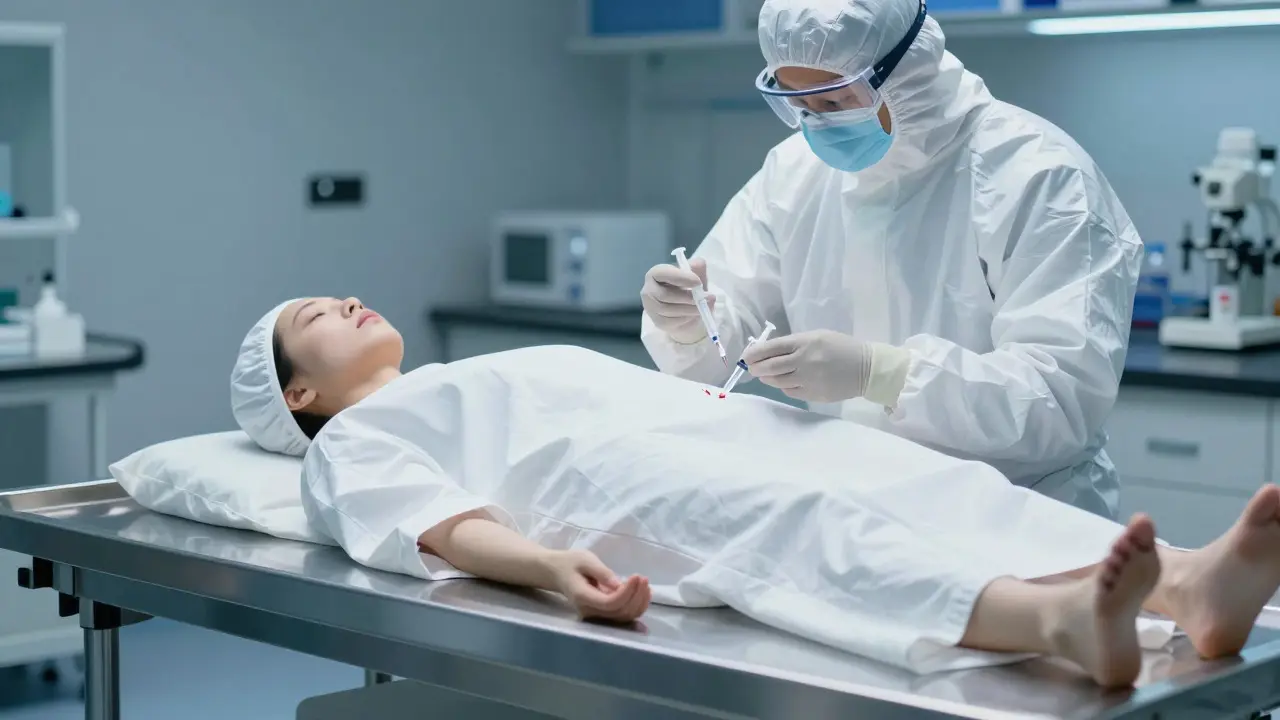
Toxicological Correlation: Integrating Autopsy and Lab Results in Forensic Pathology
- By : Ian Brophy
- Date : Aug 17 2026
Learn how forensic pathologists integrate autopsy findings with lab results to accurately determine cause of death. Discover key strategies for avoiding common errors in toxicological correlation.
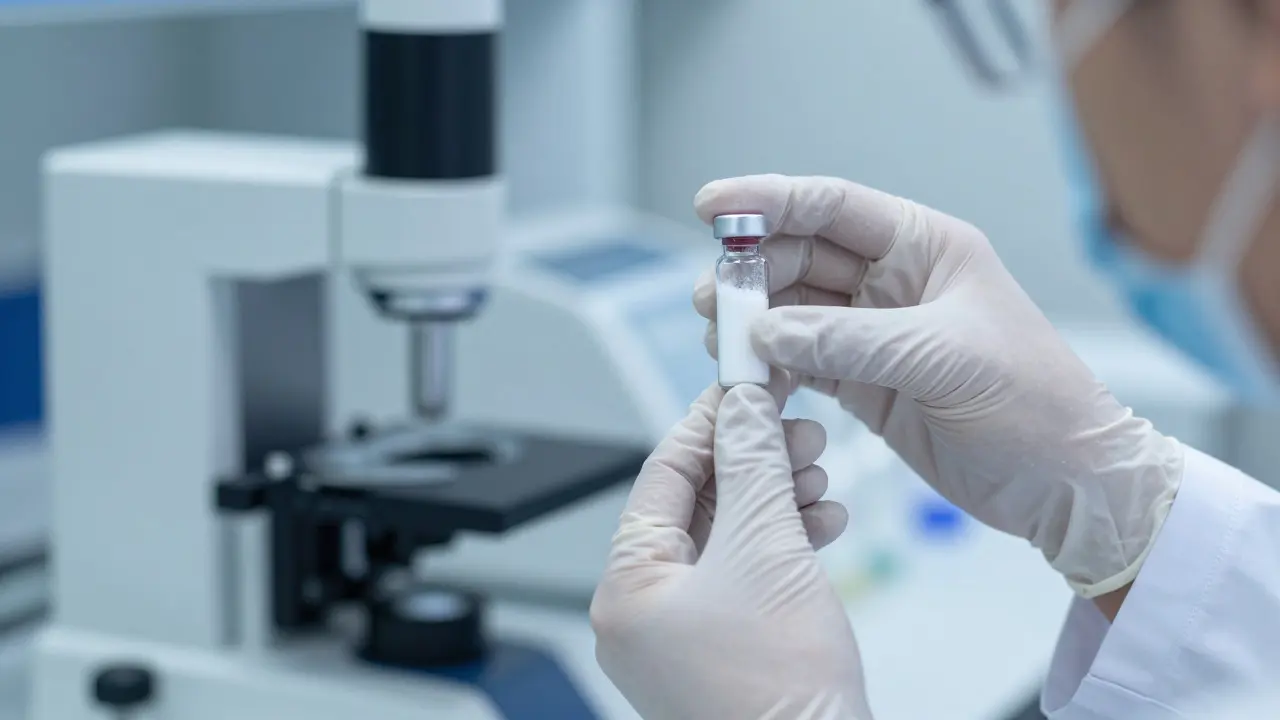
Mixture Analysis: How Labs Test Compounds with Multiple Drugs
- By : Ian Brophy
- Date : Aug 17 2026
Learn how forensic labs use chromatography and mass spectrometry to break down complex drug mixtures, identifying every component for accurate legal and toxicological results.
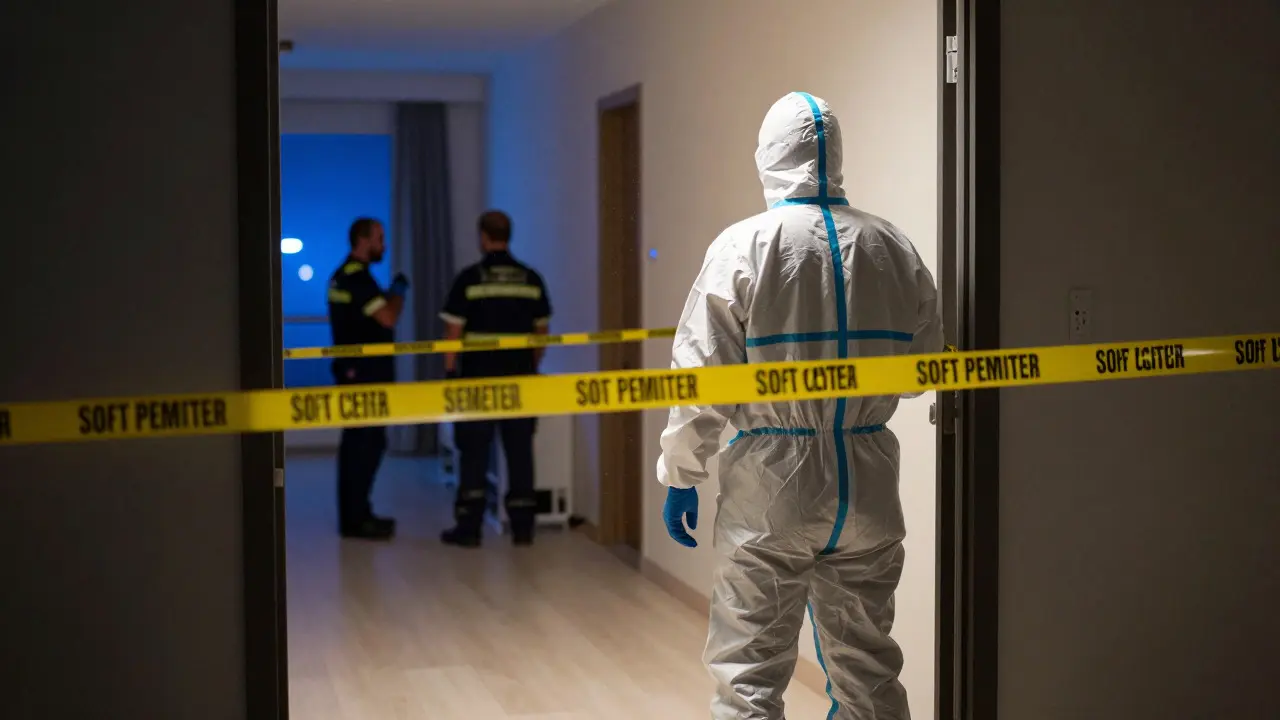
Preliminary Scene Assessment: How to Determine Investigation Scope
- By : Ian Brophy
- Date : Aug 17 2026
Learn how to conduct a preliminary scene assessment to define investigation scope. Covers perimeter setup, evidence triage, and coordination tips for effective crime scene management.
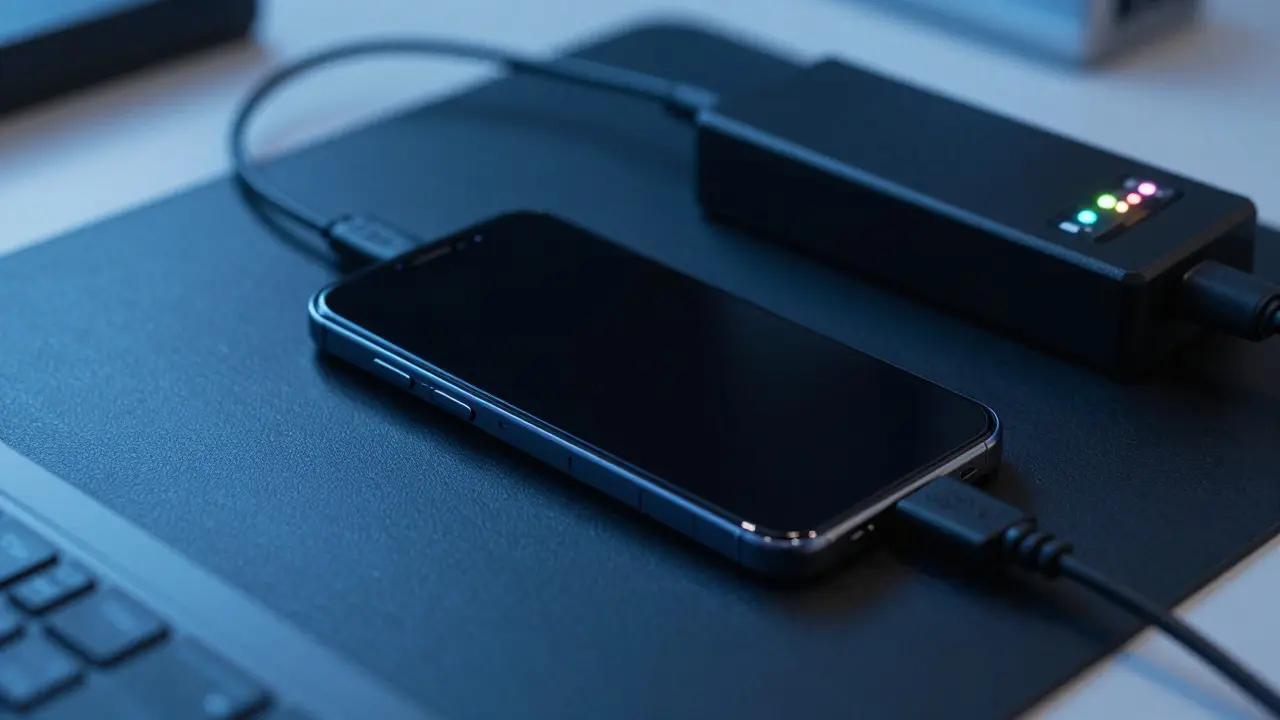
Chat Application Forensics: How to Recover Deleted Messages in 2026
- By : Ian Brophy
- Date : Aug 17 2026
Learn how to recover deleted messages from chat apps using forensic techniques. We cover data storage, metadata analysis, and legal admissibility for digital investigations.
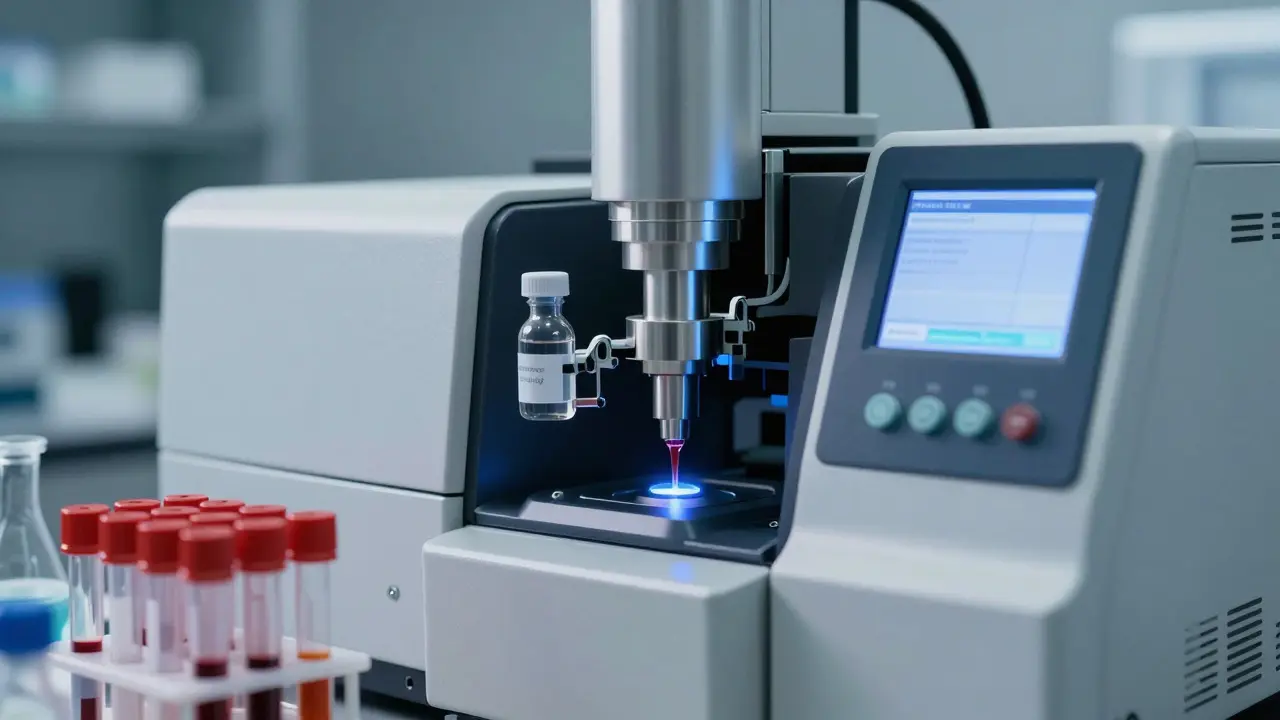
GC-MS Analysis: The Gold Standard in Forensic Toxicology
- By : Ian Brophy
- Date : Aug 17 2026
Discover why Gas Chromatography-Mass Spectrometry remains the gold standard in forensic toxicology. We break down the science, legal weight, and practical limitations of GC-MS in drug testing.
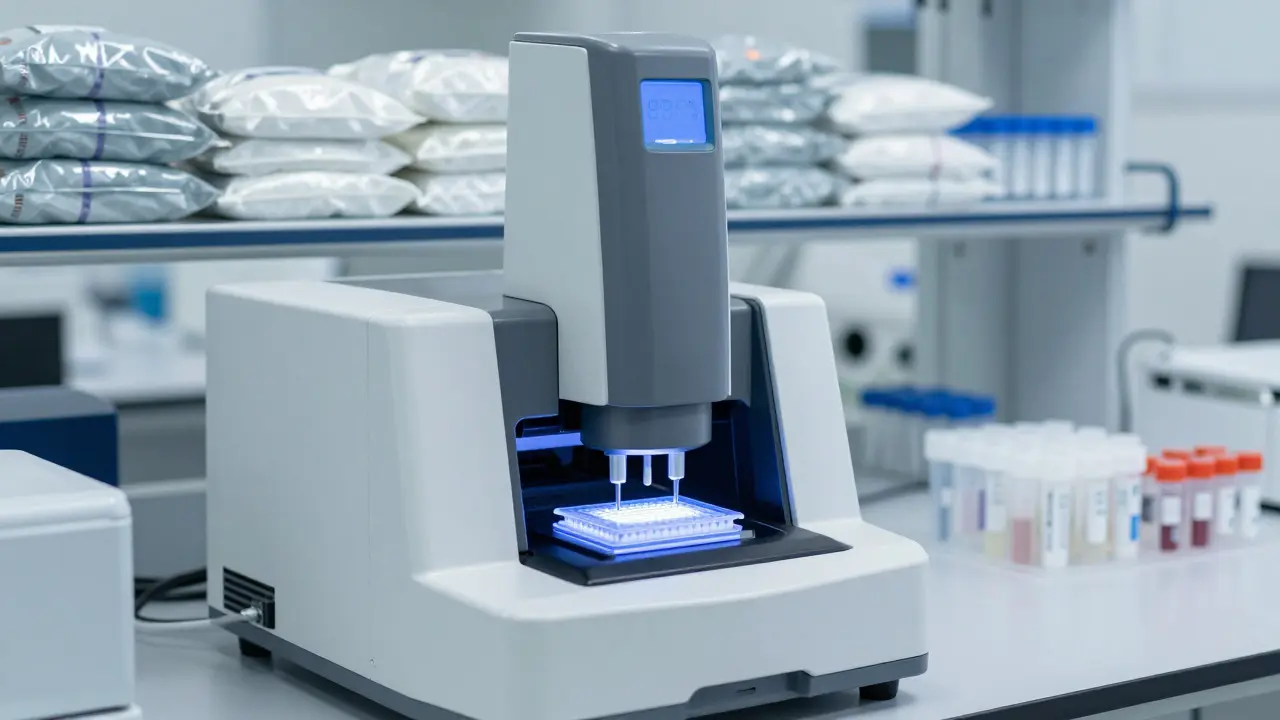
Forensic DNA Backlogs: Lab Capacity and Turnaround Solutions
- By : Ian Brophy
- Date : Aug 17 2026
Forensic DNA backlogs slow down justice. Learn how labs use automation, NGS tech, and workflow redesign to cut turnaround times and clear pending casework efficiently.
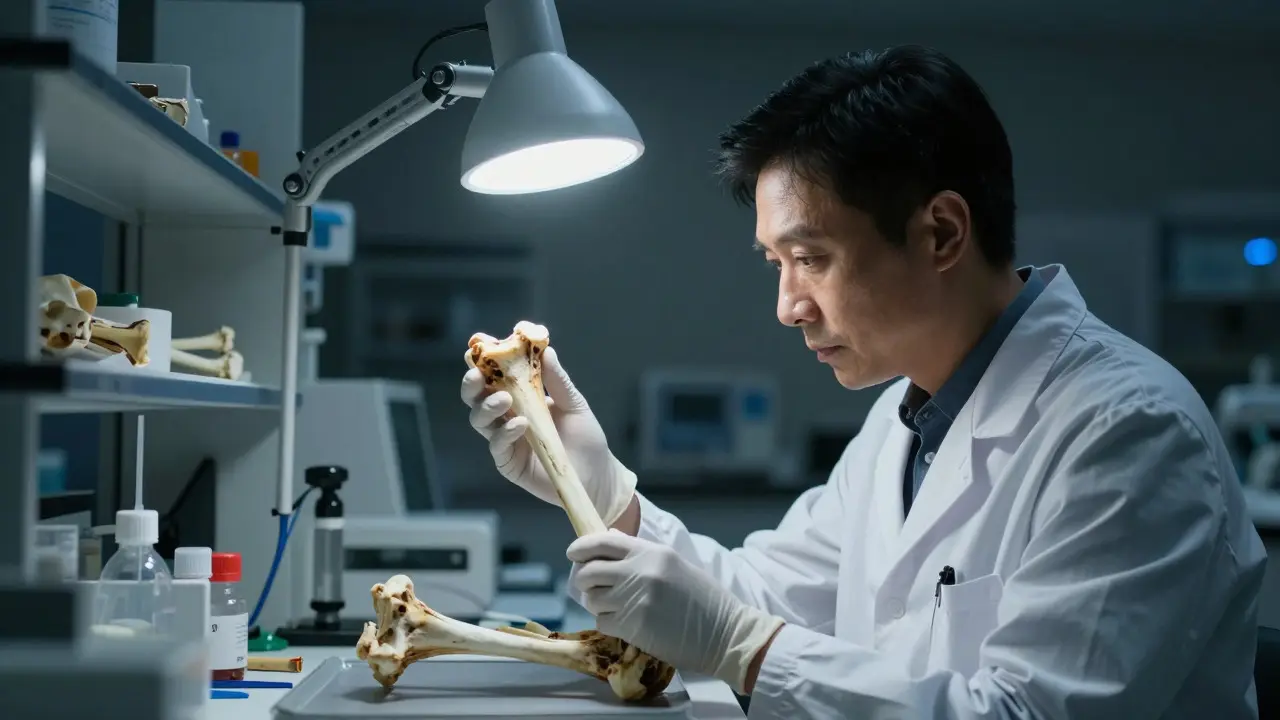
NamUs Database Guide: How to Search and Report Missing Persons
- By : Ian Brophy
- Date : Aug 17 2026
Learn how the NamUs database helps connect missing persons with unidentified remains. Discover how to search, report, and understand the forensic matching process.