Category: Forensics - Page 12
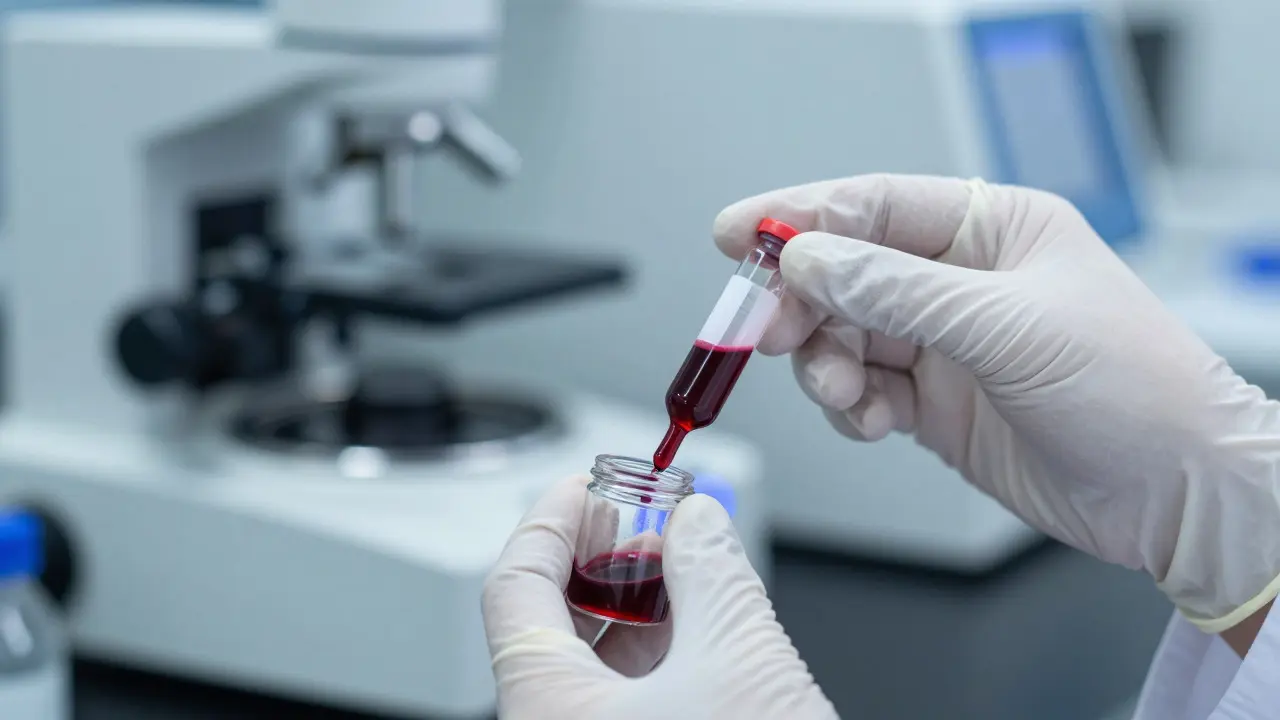
Postmortem Toxicology: Special Considerations and Pitfalls
- By : Ian Brophy
- Date : Aug 17 2026
Explore the complexities of postmortem toxicology, including pitfalls like postmortem redistribution, specimen selection, and legal admissibility. Learn how to interpret results accurately in death investigations.
Citations and References in Forensic Reporting: Scientific vs. Legal Sources
- By : Ian Brophy
- Date : Aug 17 2026
Learn how to properly balance scientific standards and legal authorities in forensic reports. This guide covers citation strategies, common pitfalls, and practical workflows for defensible documentation.
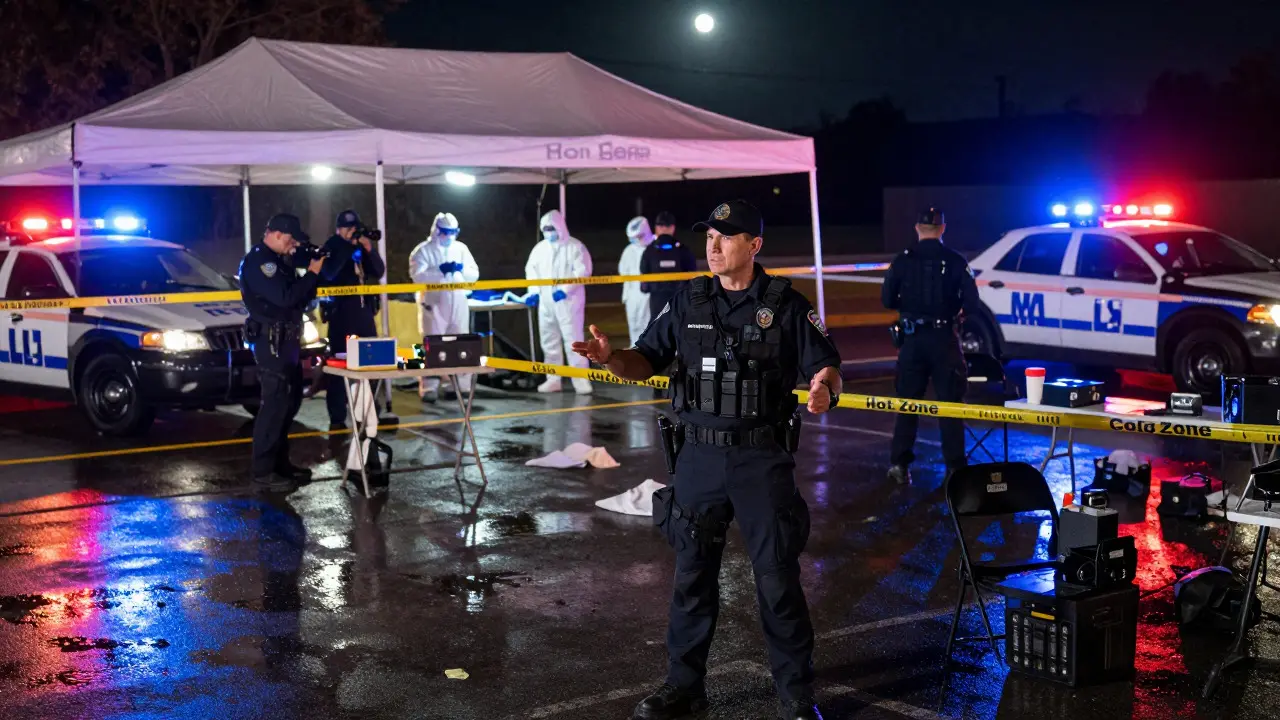
Personnel Management at Crime Scenes: Organization and Coordination Guide
- By : Ian Brophy
- Date : Aug 17 2026
Learn how to effectively manage personnel at crime scenes using zoning, clear roles, and the Incident Command System to preserve evidence and streamline investigations.
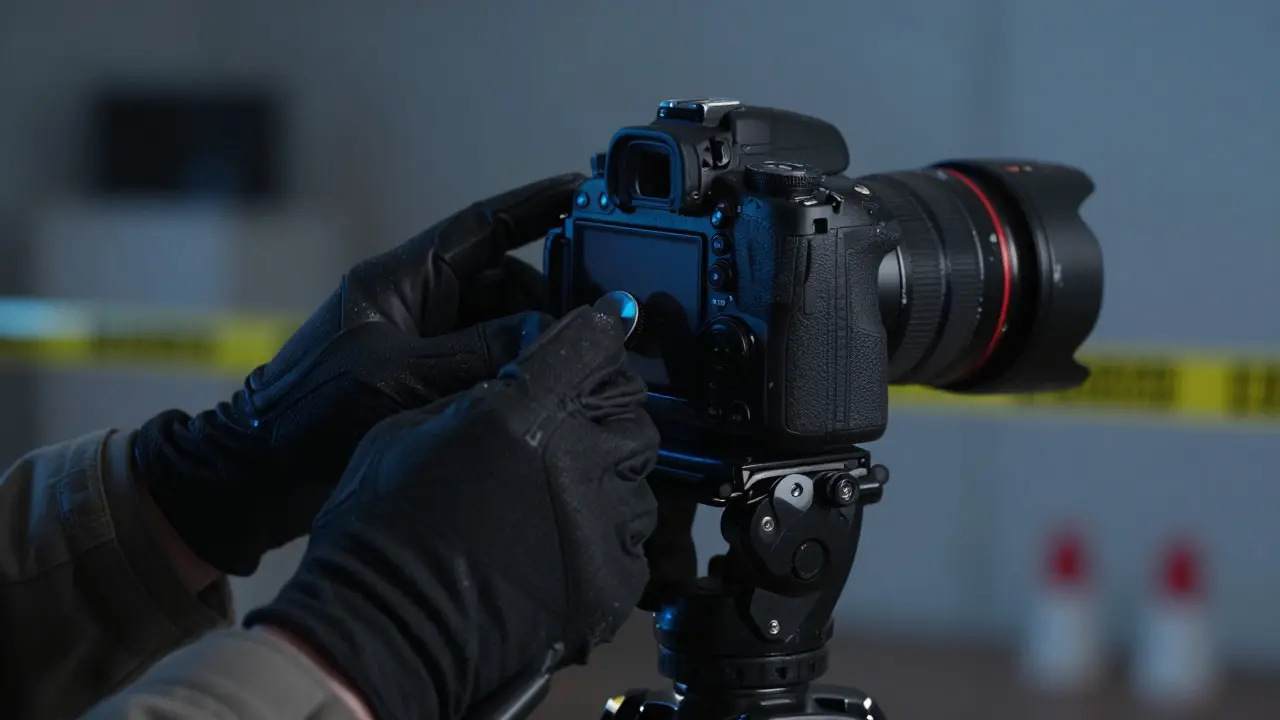
Low-Light Photography: Mastering Noise Reduction and Stability for Clear Evidence
- By : Ian Brophy
- Date : Aug 17 2026
Learn how to master low-light photography by balancing noise reduction and camera stability. Get practical tips on ISO settings, tripods, and post-processing for clear, professional results.

Velocity Classification in Bloodstain Patterns: A Forensic Guide
- By : Ian Brophy
- Date : Aug 17 2026
Learn how forensic experts classify bloodstains by velocity. Understand the differences between low, medium, and high-velocity patterns and their significance in crime scene reconstruction.
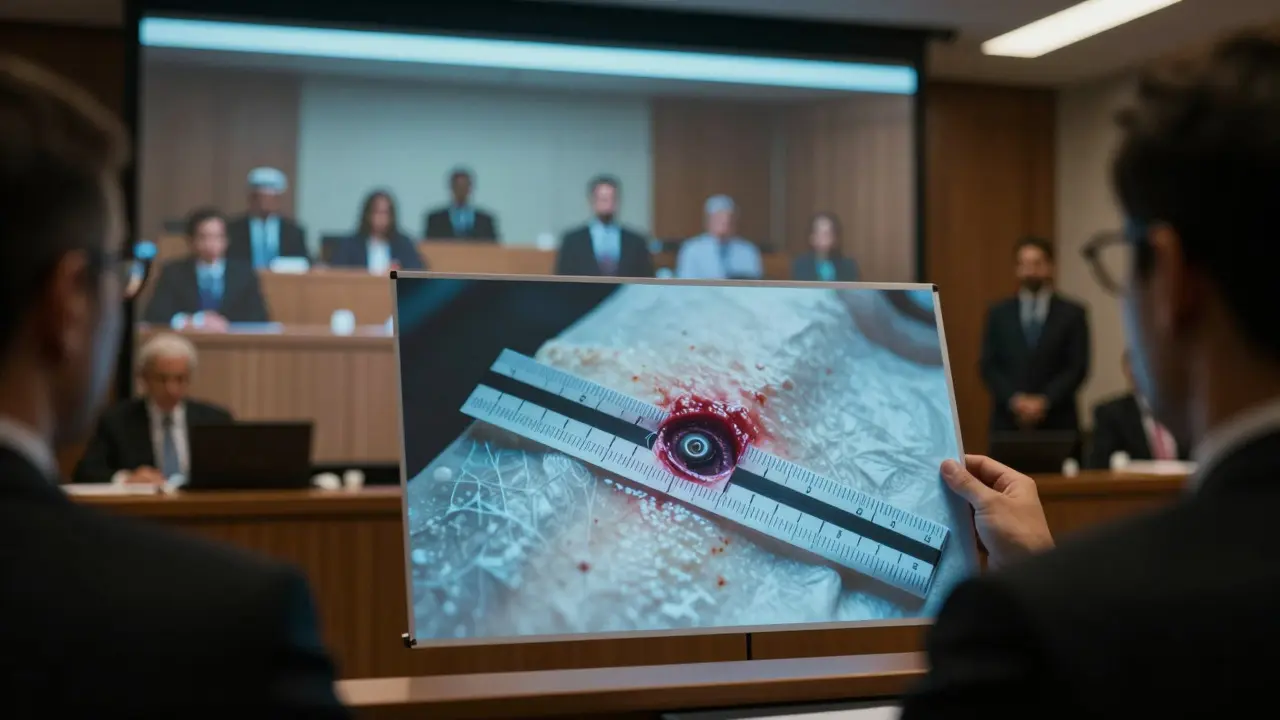
Crime Scene Photographs: Admissibility Standards & Legal Requirements
- By : Ian Brophy
- Date : Aug 17 2026
Learn how crime scene photographs meet legal admissibility standards. We cover relevance, authentication, chain of custody, and technical pitfalls that can exclude evidence.
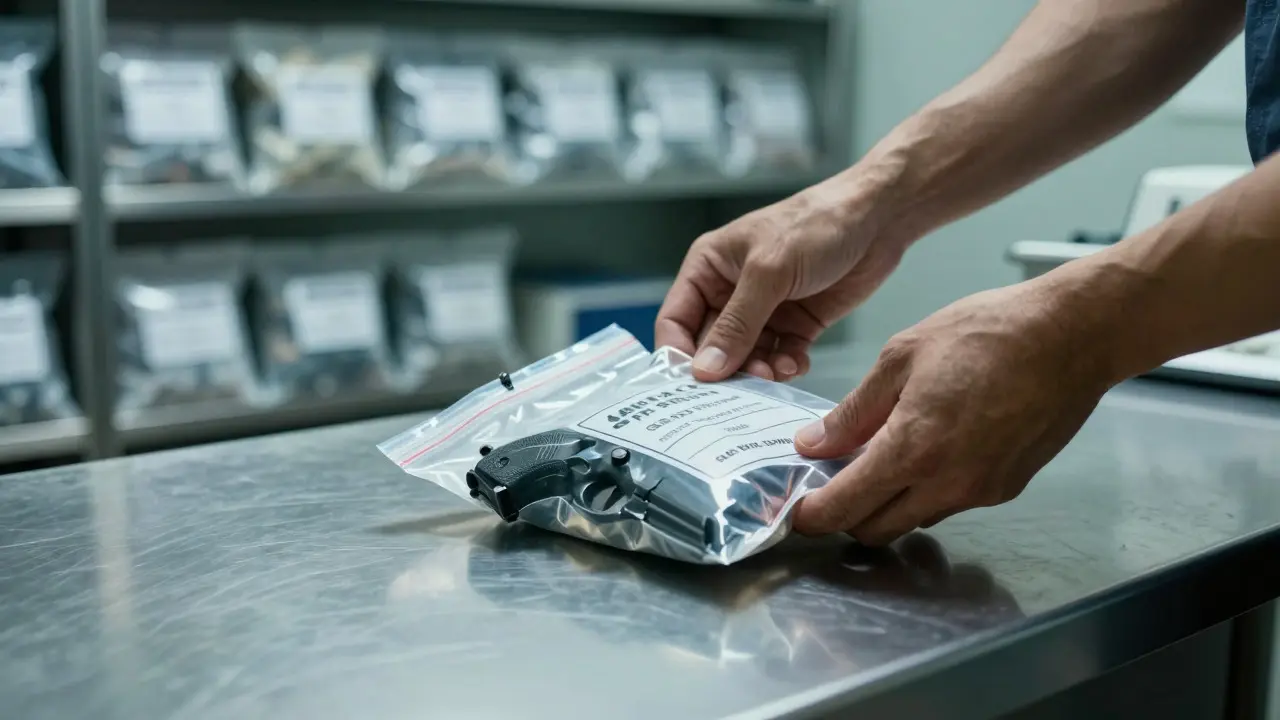
Temporary Custody: Short-Term Evidence Sign-Out Protocols
- By : Ian Brophy
- Date : Aug 17 2026
Master the protocols for temporary evidence custody. Learn how to maintain an unbroken chain of custody during short-term sign-outs to ensure admissibility in court.
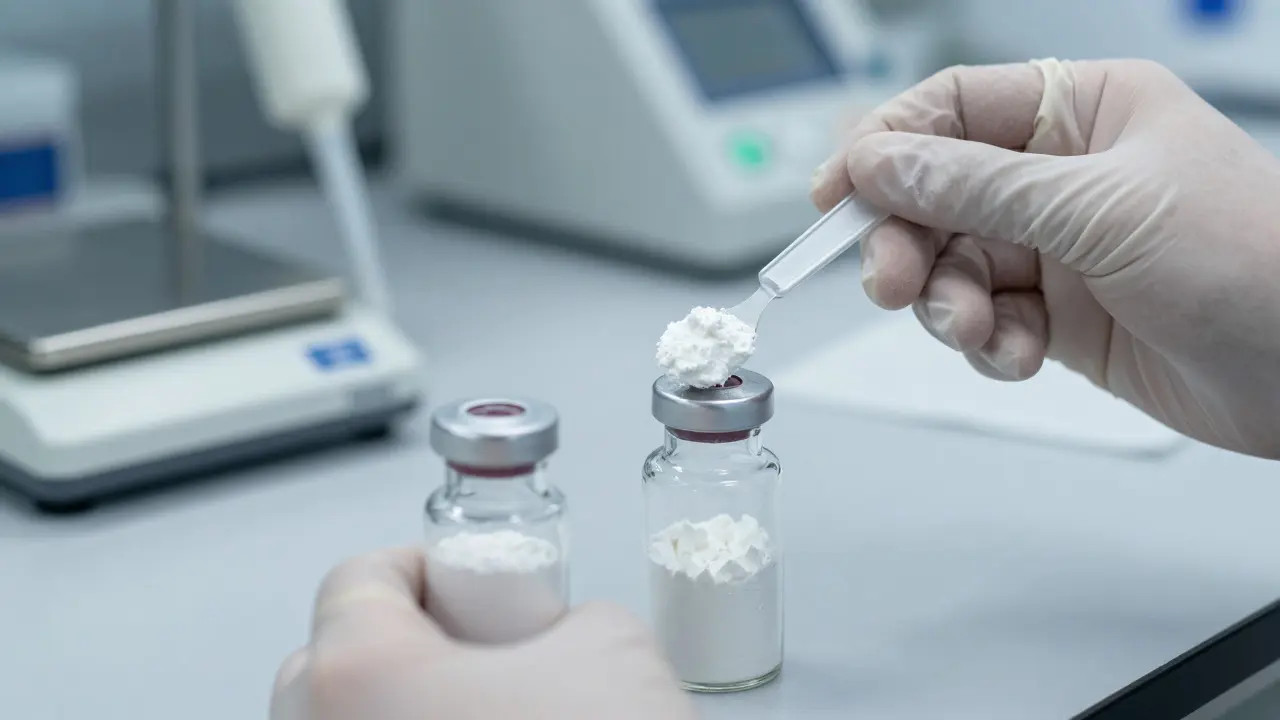
Chain Split and Re-Test Protocols for Defense Requests in Drug Analysis
- By : Ian Brophy
- Date : Aug 17 2026
Learn how chain split protocols allow defense teams to verify drug evidence. We cover re-test procedures, common pitfalls, and the impact on case outcomes.
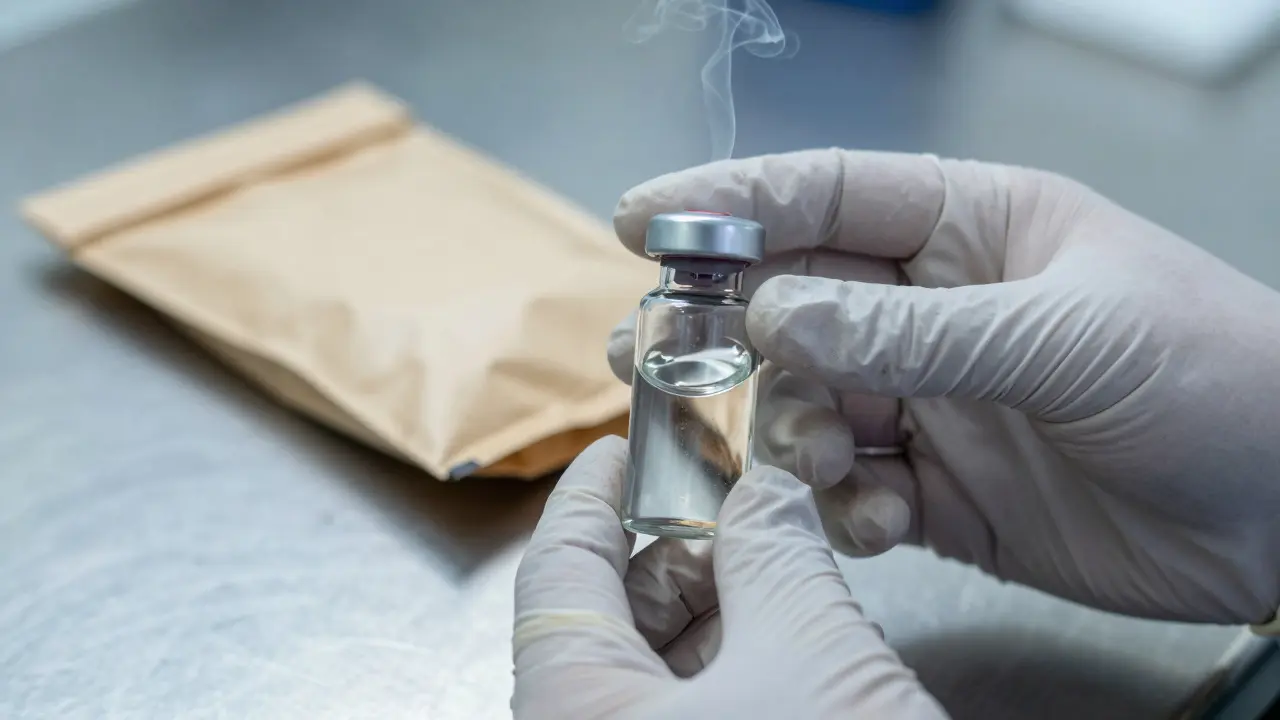
Drug Evidence Packaging: Handling Volatile and Odorous Substances
- By : Ian Brophy
- Date : Aug 17 2026
Learn how to properly package volatile and odorous drug evidence to prevent loss and contamination. Covers container selection, odor management, and chain of custody tips.
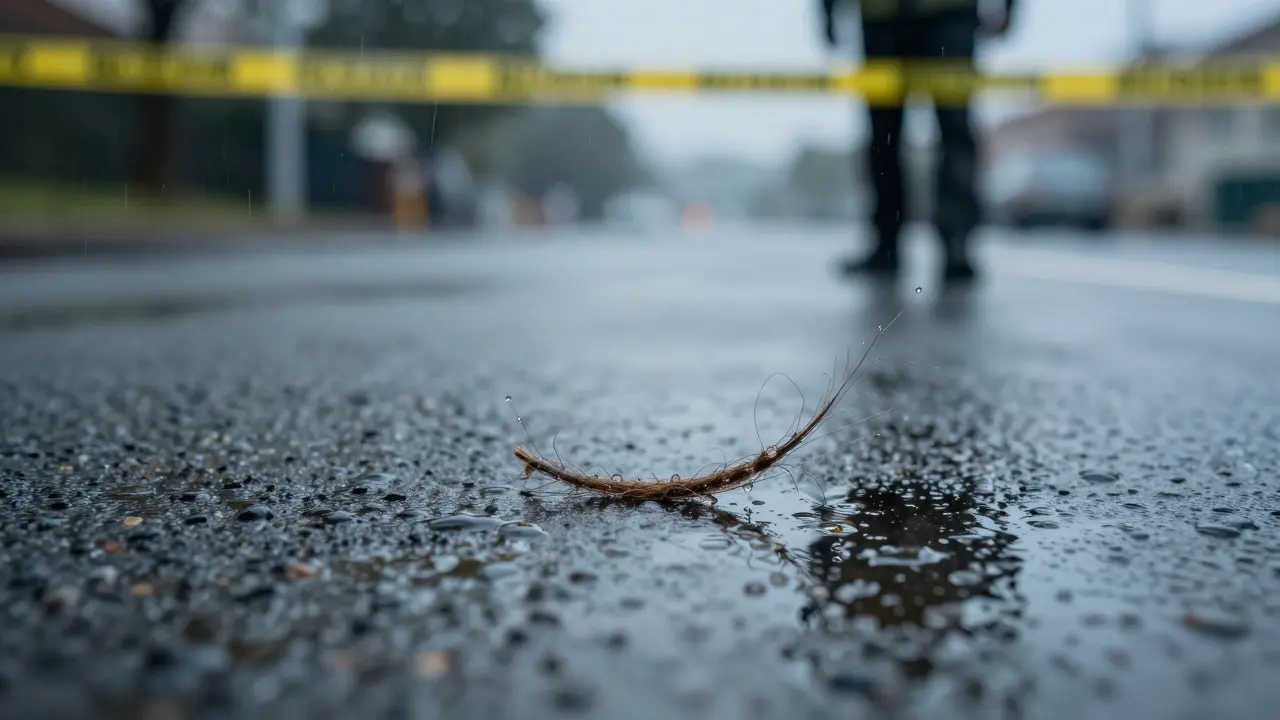
How Environmental Factors Affect Forensic DNA Recovery
- By : Ian Brophy
- Date : Aug 17 2026
Discover how heat, humidity, and sunlight impact forensic DNA recovery. Learn practical tips for preserving evidence and understanding degradation processes.
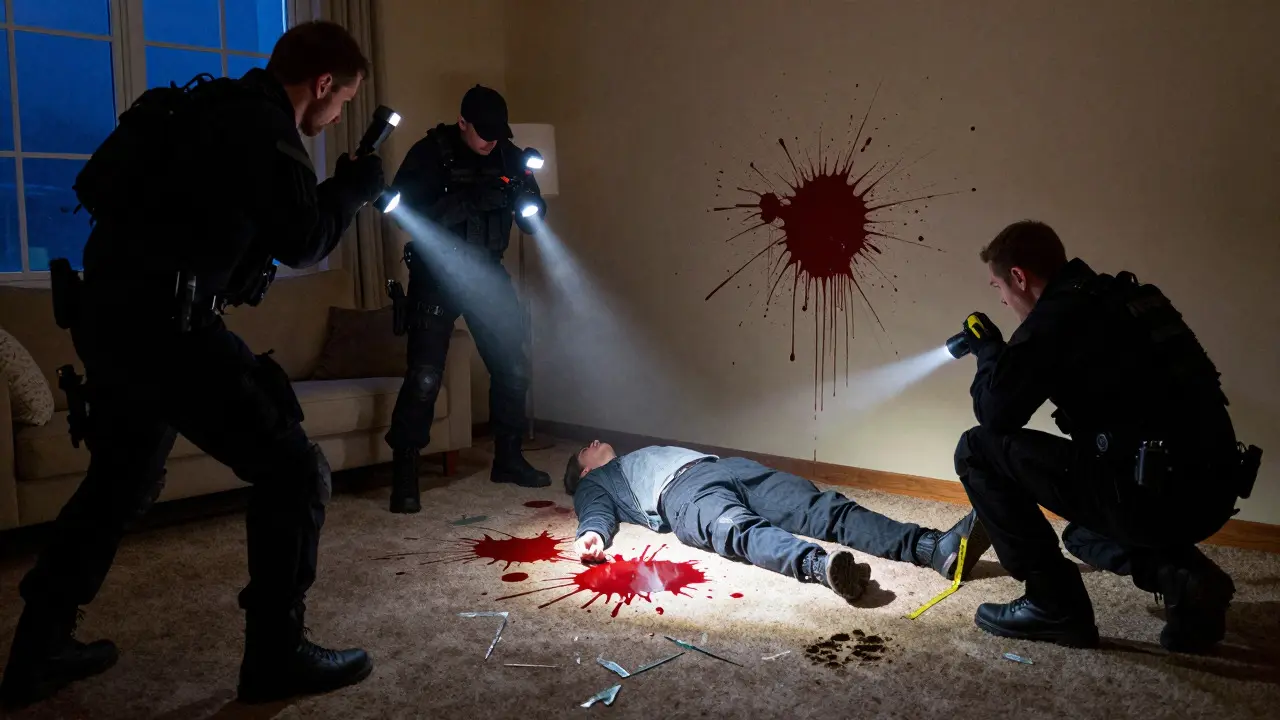
Scene Walkthrough Audio Narration: The Complete Guide to Verbal Documentation
- By : Ian Brophy
- Date : Aug 17 2026
Learn how to create effective scene walkthrough audio narration for crime scenes. This guide covers the three-part framework, critical elements to document, and common pitfalls to avoid for better verbal documentation.
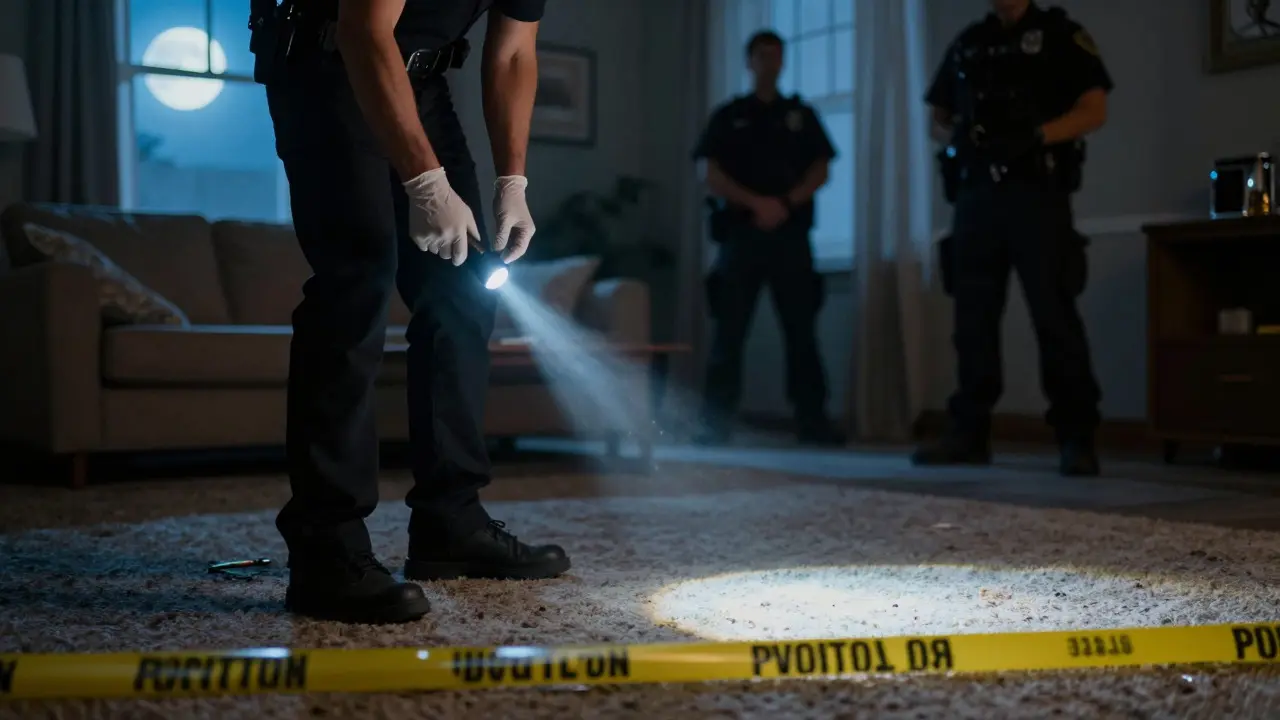
Post-Scene Review: Turning Crime Scene Mistakes into Better Process
- By : Ian Brophy
- Date : Aug 17 2026
Discover how to conduct effective post-scene reviews to catch evidence errors early. Learn practical steps to improve crime scene processing and reduce legal risks.