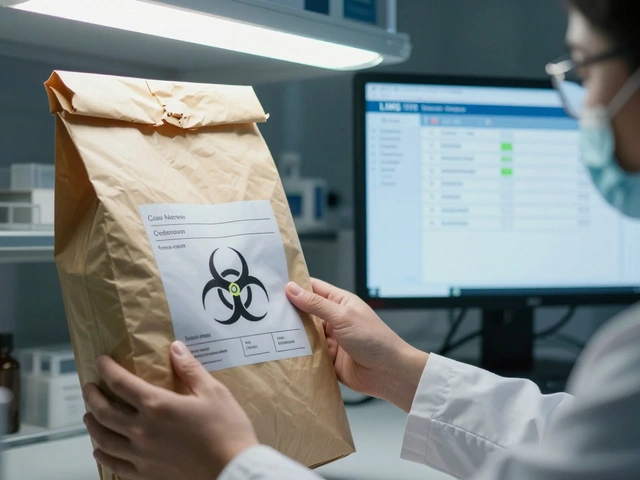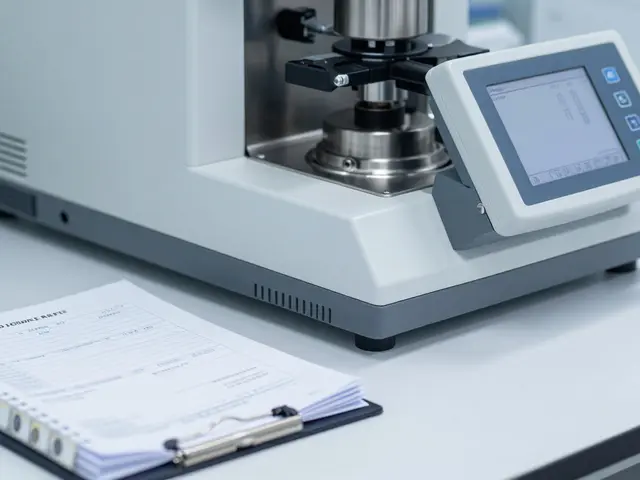
Most people picture forensic scientists in darkened crime labs, hunched over microscopes with a case file on the desk. But there’s another side to the field that rarely makes it onto TV screens: academic forensics. This is where teaching meets discovery, where students learn not just how to run tests, but how to question them. If you’re eyeing a career in this space, or looking to pivot from law enforcement into higher education, understanding these teaching and research opportunities could change your trajectory entirely.
The Dual Role of Academic Forensic Scientists
Academic forensics isn’t just about grading papers. It’s a hybrid role. You teach undergraduates the basics of evidence handling while simultaneously running experiments that might redefine how we analyze DNA or ballistics. Universities like Johns Hopkins University and Penn State have long-standing programs that blend classroom instruction with active lab work.
Why does this matter? Because the field evolves fast. A method taught in 2015 might be obsolete by 2026 due to new software or regulatory changes. Academics stay sharp by doing the research themselves. They don’t just relay facts; they generate them. For you, this means a job that keeps your brain engaged and your skills current.
Teaching Pathways: From Lecturer to Tenure
If you love explaining complex concepts, teaching offers stability and intellectual community. Most entry-level positions require a master’s degree, but tenure-track roles almost always demand a PhD. The path usually looks like this:
- Adjunct Instructor: Part-time, contract-based. Great for gaining experience without committing fully.
- Lecturer/Assistant Professor: Full-time teaching focus. Less pressure to publish, more on curriculum design.
- Tenured Professor: Job security and freedom to pursue niche research interests.
Don’t underestimate the impact of good teaching. Students who learn critical thinking in a forensic context often become better analysts in the field. One study from the American Academy of Forensic Sciences noted that graduates from research-intensive universities performed 15% better in competency exams than those from purely vocational programs.
Research Opportunities: Where Innovation Happens
Here’s where things get exciting. Academic labs are incubators for new techniques. While crime labs focus on routine processing, academic researchers tackle the unsolved problems. Think about it: Who develops the next generation of fingerprint analysis algorithms? Who studies how decomposition rates change in different urban environments?
| Research Area | Typical Focus | Key Technologies |
|---|---|---|
| Forensic Biology | DNA phenotyping, microbiome analysis | Next-Generation Sequencing (NGS) |
| Digital Forensics | Data recovery, cloud artifact analysis | AI-driven pattern recognition |
| Trace Evidence | Fiber comparison, soil chemistry | Mass spectrometry |
| Forensic Anthropology | Skeletal identification, taphonomy | 3D scanning, CT imaging |
Grants drive this work. Agencies like the National Institute of Justice fund projects that bridge theory and practice. If you secure a grant, you hire graduate assistants, buy equipment, and publish findings. That’s prestige-and funding-in one package.

Career Trajectories and Salary Expectations
Let’s talk money. Academic salaries vary wildly based on institution type. Public universities tend to pay less than private ones, but offer better benefits. Community colleges may pay even less but require only a master’s degree.
According to data from the Bureau of Labor Statistics, the median salary for postsecondary teachers in criminal justice fields hovers around $78,000 annually. However, senior professors at research-heavy institutions can earn upwards of $120,000. Add in summer teaching stipends and consulting fees, and the numbers climb further.
But here’s the catch: tenure is hard to get. It takes six to seven years of proving yourself through teaching evaluations, service committees, and publication records. Is it worth the grind? For many, yes. The autonomy to choose your research topics outweighs the stress.
Building Your Profile: What Hiring Committees Want
You don’t need to be a celebrity scientist to land a job. But you do need a coherent narrative. Did you work five years as a crime lab analyst before pursuing a PhD? That’s valuable. Practical experience grounds your teaching and informs your research questions.
Hiring committees look for three things:
- Teaching Philosophy: Can you make dry material engaging? Show them you’ve mentored students or developed unique curricula.
- Research Pipeline: Do you have ongoing projects? Even if unpublished, having active lines of inquiry signals productivity.
- Collaborative Spirit: Academia thrives on partnerships. Mention any joint grants or interdisciplinary work.
Networking matters too. Attend conferences like those hosted by the International Association for Identification. Meet department chairs. Learn what gaps exist in their programs. Maybe they need someone strong in digital forensics because their current faculty lacks that expertise.

Challenges and Realities of Academic Life
It’s not all sabbaticals and library quiet time. Grant rejections sting. Student evaluations can feel personal. And administrative duties-committee meetings, budget reports-eat up hours you’d rather spend in the lab.
Also, consider location. Many top forensic programs are clustered in major cities or specific regions known for law enforcement activity. Moving for a job might mean uprooting family. Weigh the professional gains against personal costs carefully.
Yet, the reward is tangible. You shape the next generation of investigators. You contribute knowledge that might exonerate an innocent person or convict a guilty one. In a world hungry for truth, that’s no small thing.
How to Get Started Today
If you’re still in school, seek out undergraduate research assistantships. Ask professors if you can help with their projects. It’s low-risk, high-reward exposure to academic life.
If you’re already working in the field, consider part-time adjunct teaching. It lets you test the waters without quitting your day job. Volunteer to guest lecture at local colleges. Build relationships with department heads.
And keep publishing. Even short notes in journals like the Journal of Forensic Sciences count. Visibility leads to invitations, collaborations, and eventually, job offers.
Do I need a PhD to teach forensic science?
Not necessarily. Community colleges and some four-year institutions hire instructors with master’s degrees, especially if you have significant practical experience. However, tenure-track positions at research universities typically require a doctorate.
What is the difference between academic and applied forensics?
Applied forensics focuses on solving specific cases using established methods. Academic forensics involves developing new methods, validating existing ones, and educating future practitioners. Academics often consult on cases but prioritize broader scientific contribution.
Are there online teaching opportunities in forensic science?
Yes, many universities now offer online forensic science programs. These create demand for remote instructors who can manage virtual labs and asynchronous discussions. Check platforms like Coursera or university-specific online portals for openings.
How much funding is available for forensic research?
Funding varies widely. Federal grants from agencies like NIJ can range from $50,000 to over $500,000 depending on project scope. Smaller internal university grants often support pilot studies ranging from $5,000 to $20,000.
Can I balance a full-time crime lab job with academic teaching?
Many professionals do this successfully by teaching evening or weekend classes. Adjunct roles are designed for flexibility. Just ensure your employer allows outside employment and that you have the energy to sustain both commitments.