Imagine a defendant sitting in a cell for twenty years, only to discover that the DNA evidence used to convict them was mishandled or misinterpreted. This isn't a movie plot; it's a reality for a significant number of homicide cases where post-conviction reassessment has become the primary tool for justice. Homicide case reviews are not just bureaucratic checklists; they are rigorous, often decade-long investigations into whether the state made a critical error in identifying a killer. For families, lawyers, and forensic scientists, understanding how these reviews work is the difference between hope and despair.
What Is a Post-Conviction Reassessment?
Post-conviction reassessment is a formal process where legal teams and forensic experts re-examine evidence from closed homicide cases to identify errors, new evidence, or changed scientific standards. Unlike an appeal, which argues legal procedure, a reassessment digs into the factual accuracy of the original trial. It asks: "Did we look at the right things? Did we interpret them correctly with today's knowledge?"
This process typically involves three key players: the defense attorney (or Innocence Project-style organization), the forensic laboratory, and sometimes an independent expert witness. The goal is not always to prove innocence immediately but to determine if the case warrants a new trial or a different verdict. In Oregon, for example, the legal framework allows for motions for post-conviction relief if new evidence emerges that could not have been discovered earlier through due diligence.
The Core Components of a Homicide Review
A thorough homicide case review focuses on specific high-risk areas where errors are most common. These are the pillars of any successful reassessment:
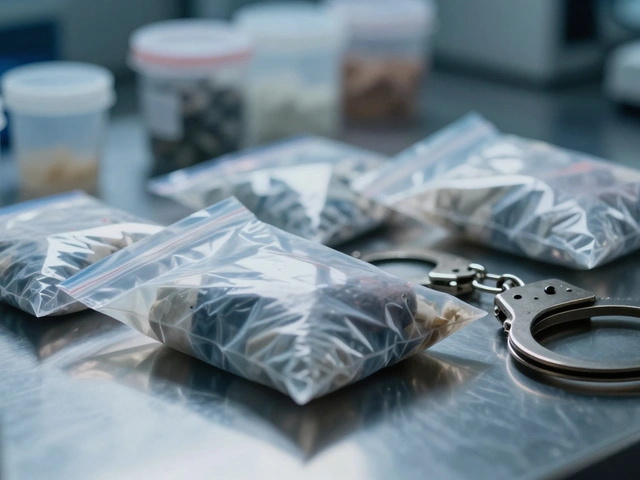
- Forensic Evidence Integrity: Checking chain of custody logs to ensure physical evidence wasn't swapped, degraded, or contaminated. A single break in the chain can invalidate a match.
- Witness Credibility: Re-interviewing eyewitnesses to see if their memories have shifted or if leading questions influenced their initial statements. Eyewitness testimony is notoriously fallible, especially under stress.
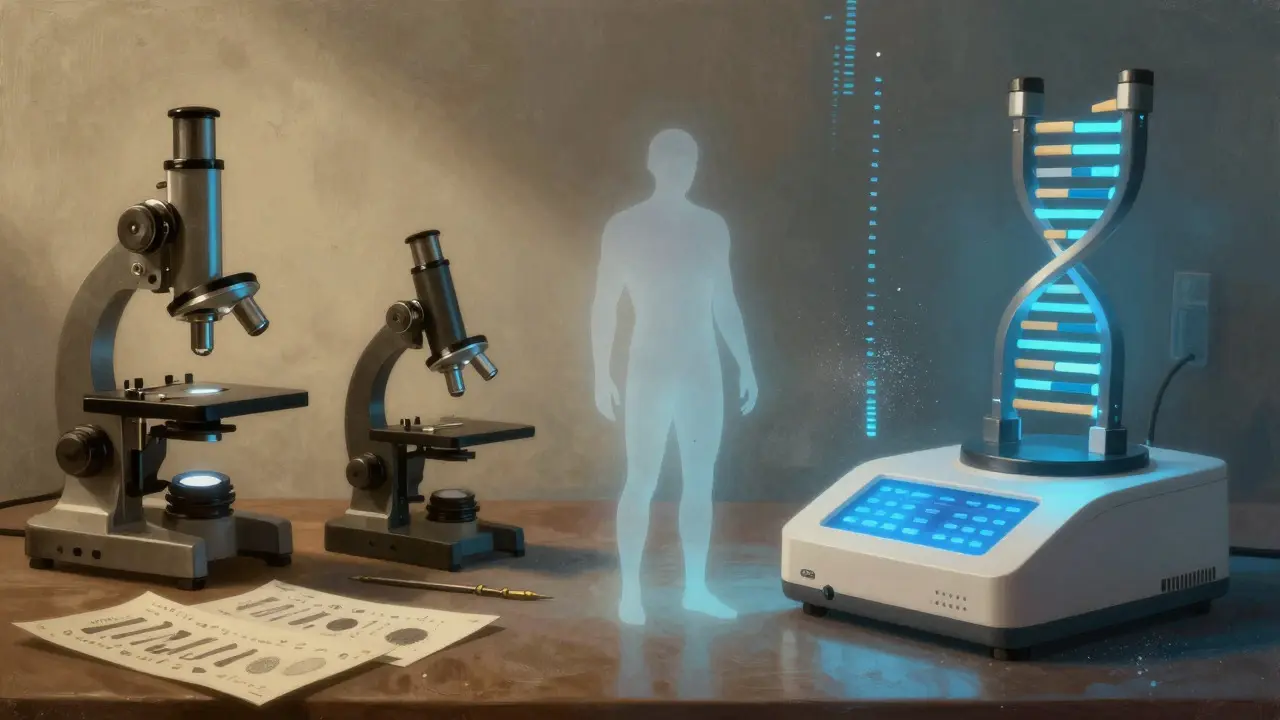
- Scientific Methodology: Evaluating whether the forensic techniques used in 1995 are still considered valid in 2026. Hair microscopy, for instance, has largely been replaced by DNA analysis, rendering old hair-match convictions vulnerable.
- Prosecutorial Conduct: Reviewing discovery files to see if exculpatory evidence (Brady material) was withheld from the defense.
Why Forensic Science Drives Most Reassessments
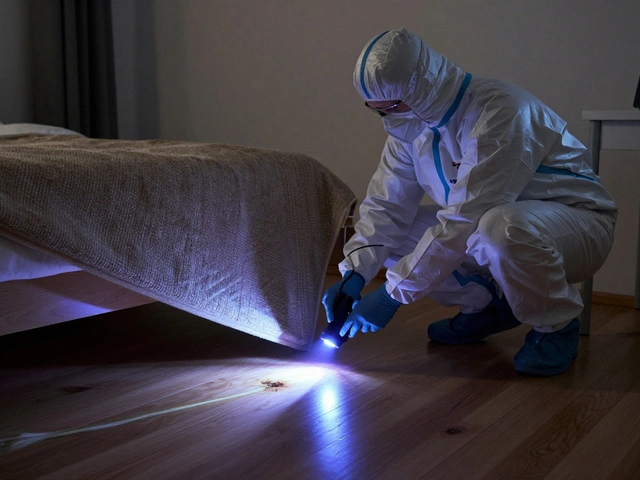
Most successful post-conviction reassessments hinge on forensic science. The field has evolved rapidly, creating a gap between what was accepted decades ago and what is known now. Take bite mark analysis, for example. Once considered reliable enough to send people to death row, it is now widely criticized for lacking statistical validity. When a case relies heavily on such subjective methods, a modern review often finds no objective basis for the identification.
DNA technology offers the clearest path to exoneration. Advances in touch DNA and Y-STR profiling allow labs to extract profiles from items previously deemed too degraded. If a new lab can pull a partial profile from a cigarette butt that matches someone other than the convicted person, the case opens up instantly. This is why forensic laboratories must maintain strict quality management protocols; a single contamination event during a re-test can ruin the integrity of the entire review.
The Step-by-Step Process of a Review
Getting a case reopened is not a quick fix. It follows a structured, often slow, legal and scientific pathway:
- Case Audit: The reviewing team gathers all trial transcripts, exhibits, and lab reports. They map out every piece of evidence presented to the jury.
- Gap Analysis: Experts identify weaknesses. Was the blood type test outdated? Was the fingerprint comparison done by a single examiner without blind verification?
- Independent Testing: New tests are ordered on preserved evidence. This might include STR DNA extraction, serological testing, or digital image enhancement of surveillance footage.
- Expert Report: A forensic scientist writes a detailed report comparing the old findings with the new data. This document becomes the core of the legal motion.
- Legal Filing: The attorney files a motion for post-conviction relief or a writ of habeas corpus, citing the new scientific evidence.
Comparing Appeal vs. Reassessment
Many people confuse appeals with case reviews. While related, they serve different purposes. An appeal argues that the judge made a mistake in law (e.g., admitting inadmissible hearsay). A reassessment argues that the facts were wrong because the evidence was misread or incomplete. Here is how they differ in practice:
| Feature | Standard Appeal | Post-Conviction Reassessment |
|---|---|---|
| Primary Focus | Legal errors and procedural fairness | Factual accuracy and scientific validity |
| Evidence Scope | Limited to trial record | Can introduce new physical evidence |
| Timeline | Months to 2 years | Years to decades |
| Success Rate | Low (~10-15%) | Very Low but High Impact |
Challenges in Modern Homicide Reviews
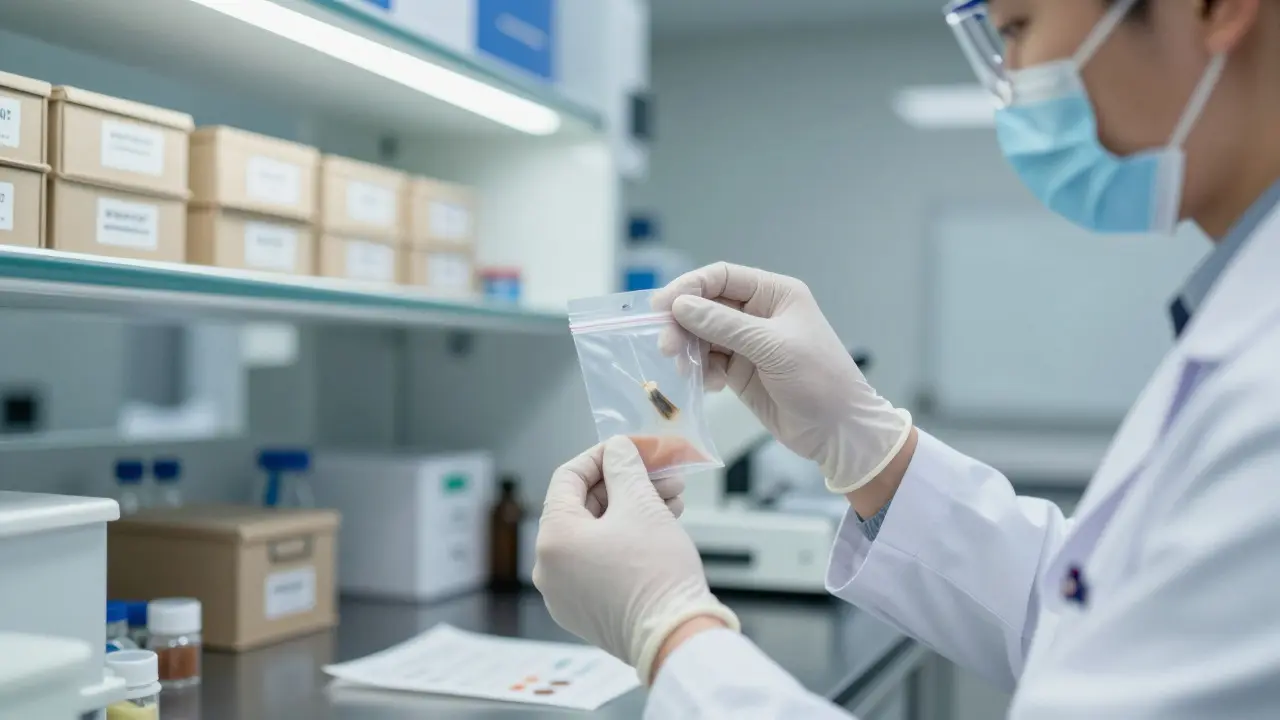
Despite the potential for justice, hurdles remain. Evidence preservation is the biggest enemy. If a crime scene cleanup crew disposed of a shirt in 1998, there is nothing to test in 2026. Digital records also pose challenges; early digital forensics lacked the metadata tracking standards we use today, making it hard to verify the authenticity of old computer files. Furthermore, bias can creep into the review process. If the same police department that investigated the case is asked to provide records, transparency issues can arise. Independent oversight is crucial to maintaining public trust in the outcome.
Best Practices for Successful Reassessments
To maximize the chance of a fair review, certain best practices should be followed by both legal teams and forensic labs:
- Blind Verification: When re-testing fingerprints or DNA, examiners should not know who the suspect is. This prevents confirmation bias.
- Full Chain of Custody Documentation: Every hand-off of evidence must be logged with timestamps and signatures. Gaps create reasonable doubt.
- Interdisciplinary Teams: Combine legal minds with forensic scientists and historians. Lawyers understand the rules; scientists understand the data; historians understand the context of the era.
- Transparent Reporting: Publish the methodology used in the re-test so other experts can scrutinize the work.
FAQs About Homicide Case Reviews
How long does a post-conviction reassessment take?
There is no fixed timeline. Simple document reviews might take six months, but cases requiring new DNA testing or international expert consultations can take three to five years. The complexity of the evidence and the court's schedule are the main factors.
Can a case be reviewed if the defendant is already executed?
Yes, though it cannot change the outcome for the deceased. Post-mortem reviews help clear the family's name, guide future policy changes, and sometimes reveal patterns of misconduct that affect other open cases. Many states conduct these reviews to improve systemic integrity.
What role do forensic labs play in these reviews?
Forensic labs are central. They must preserve evidence properly for decades. During a review, they often re-analyze samples using current technology. Their accreditation status and adherence to quality management standards directly impact the admissibility of new findings.
Is eyewitness testimony ever overturned in a review?
Frequently. Memory is reconstructive, not recording. In many wrongful convictions, witnesses initially identified the wrong person due to stress or suggestive lineups. Reviews often re-interview witnesses to assess consistency over time, which can undermine the original testimony's weight.
Where can I find resources for a homicide case review?
Look for non-profit organizations dedicated to wrongful conviction reform, local bar association committees on criminal law, and accredited forensic laboratories that offer independent consulting services. University law clinics also frequently take on complex post-conviction cases.