Category: Forensics - Page 13
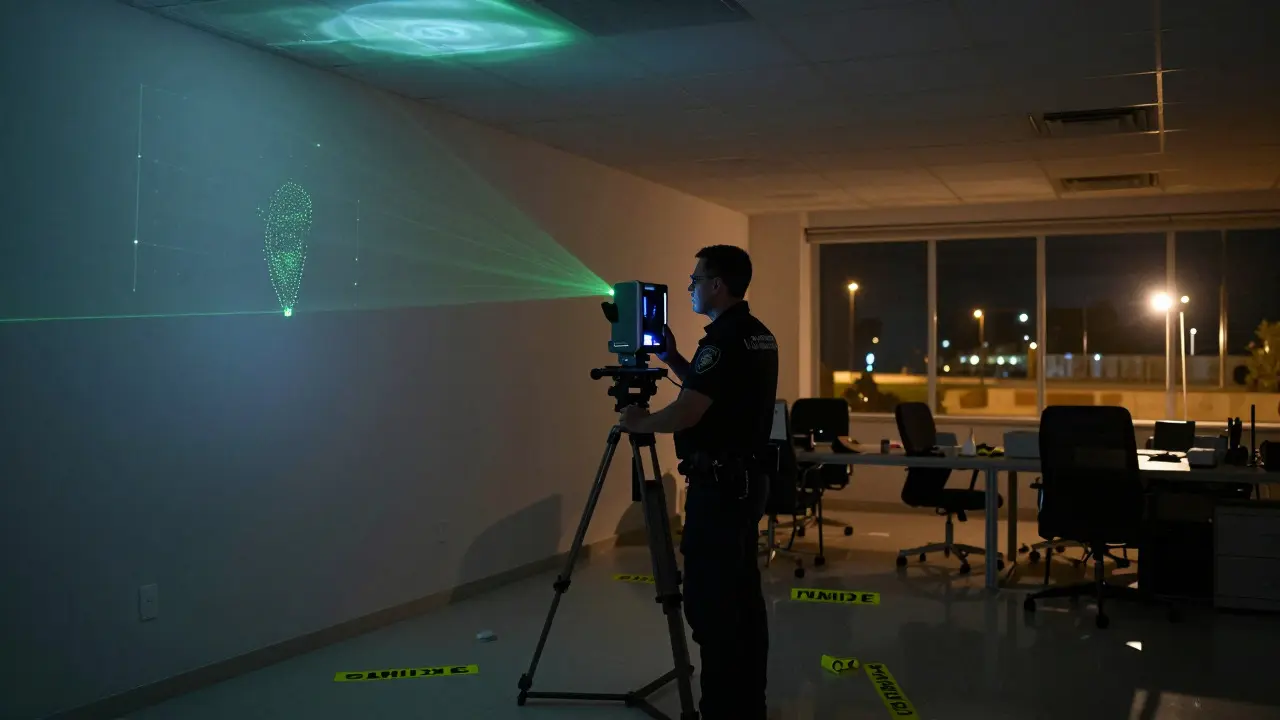
3-D Photography: How Modern Scene Reconstruction Works
- By : Ian Brophy
- Date : Aug 17 2026
Discover how 3-D photography transforms scene investigation using LiDAR and photogrammetry. Learn about hardware choices, accuracy metrics, and practical applications in forensics.
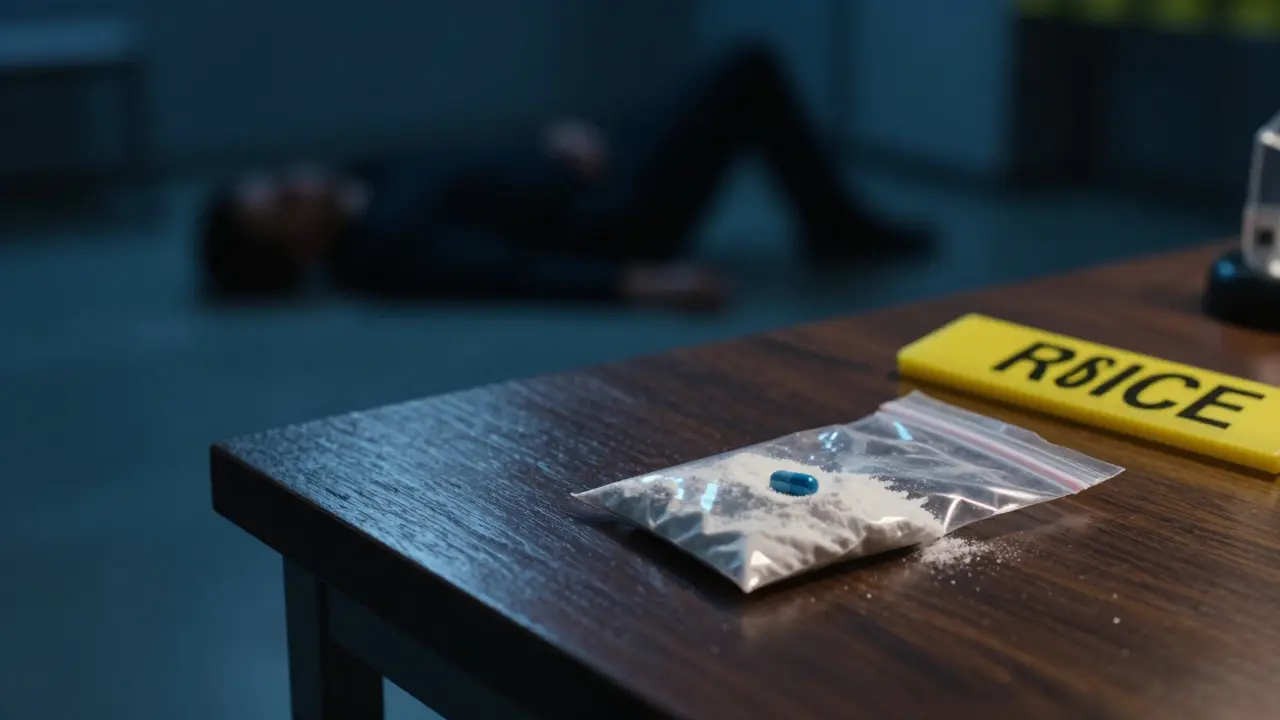
Opioid Detection Guide: Morphine, Oxycodone, and Fentanyl Testing Methods
- By : Ian Brophy
- Date : Aug 17 2026
Explore how forensic toxicologists detect opioids from morphine to fentanyl. Learn about the limitations of immunoassays, the power of LC-MS/MS, and the challenges of identifying synthetic analogs in legal cases.
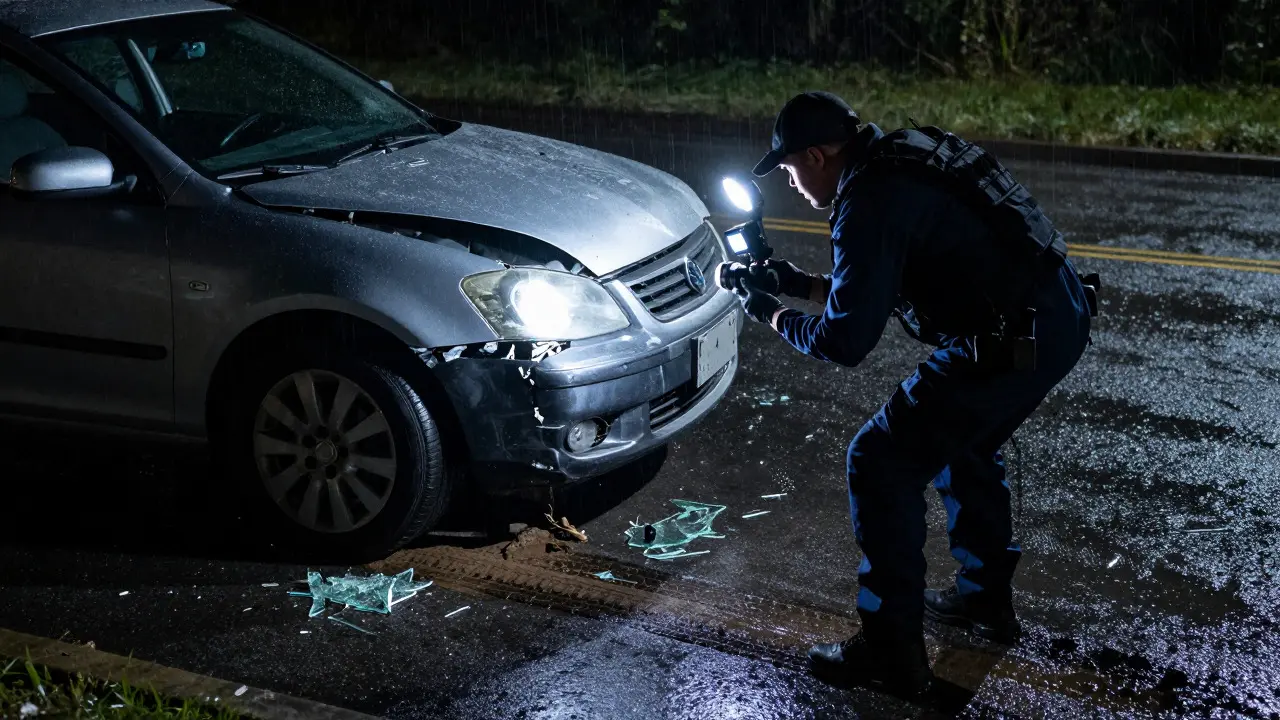
Vehicle Evidence Handling: The Complete Collection Checklist for Forensic Teams
- By : Ian Brophy
- Date : Aug 17 2026
A practical guide for forensic teams on collecting physical and digital evidence from vehicles. Learn proper chain of custody, handling techniques, and common mistakes to avoid.
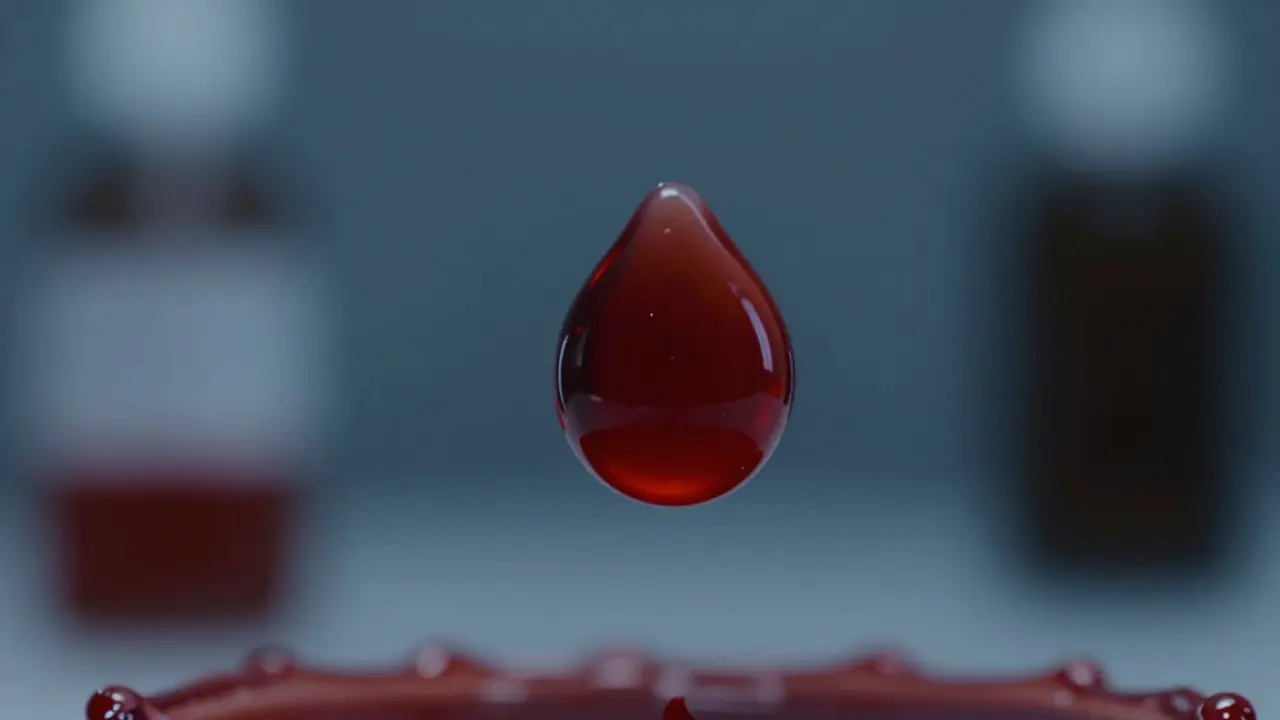
How Bloodstains Form: The Physics and Biology Behind Patterns
- By : Ian Brophy
- Date : Aug 17 2026
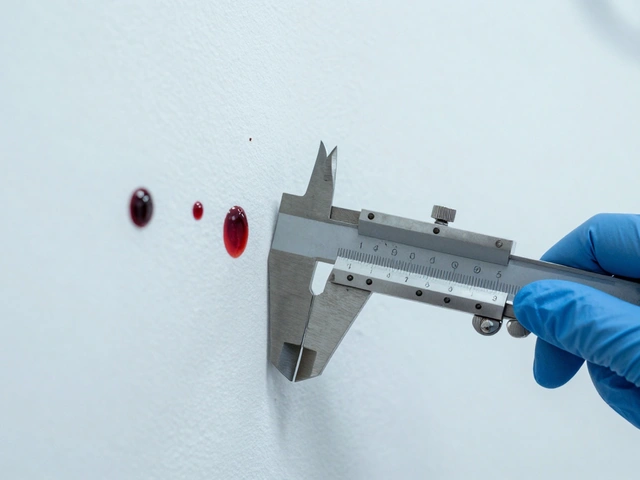
Discover how physics and biology combine to create bloodstain patterns. Learn about impact angles, surface tension, and how forensics uses these principles to reconstruct crime scenes.
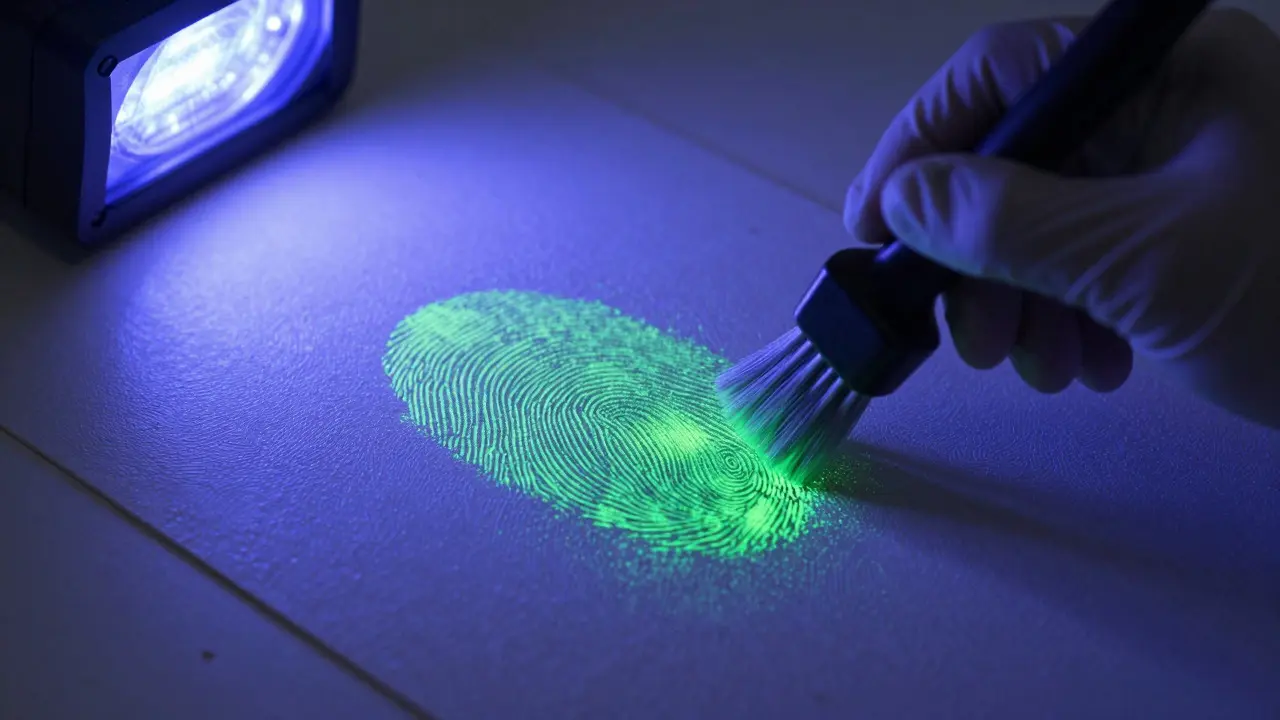
Fingerprint Examination on Difficult Surfaces: Techniques for Non-Porous and Textured Materials
- By : Ian Brophy
- Date : Aug 17 2026
Learn how to recover latent fingerprints from challenging surfaces like textured plastic, rough concrete, and wet metals. Explore advanced techniques including cyanoacrylate fuming, RTI, and chemical processing.
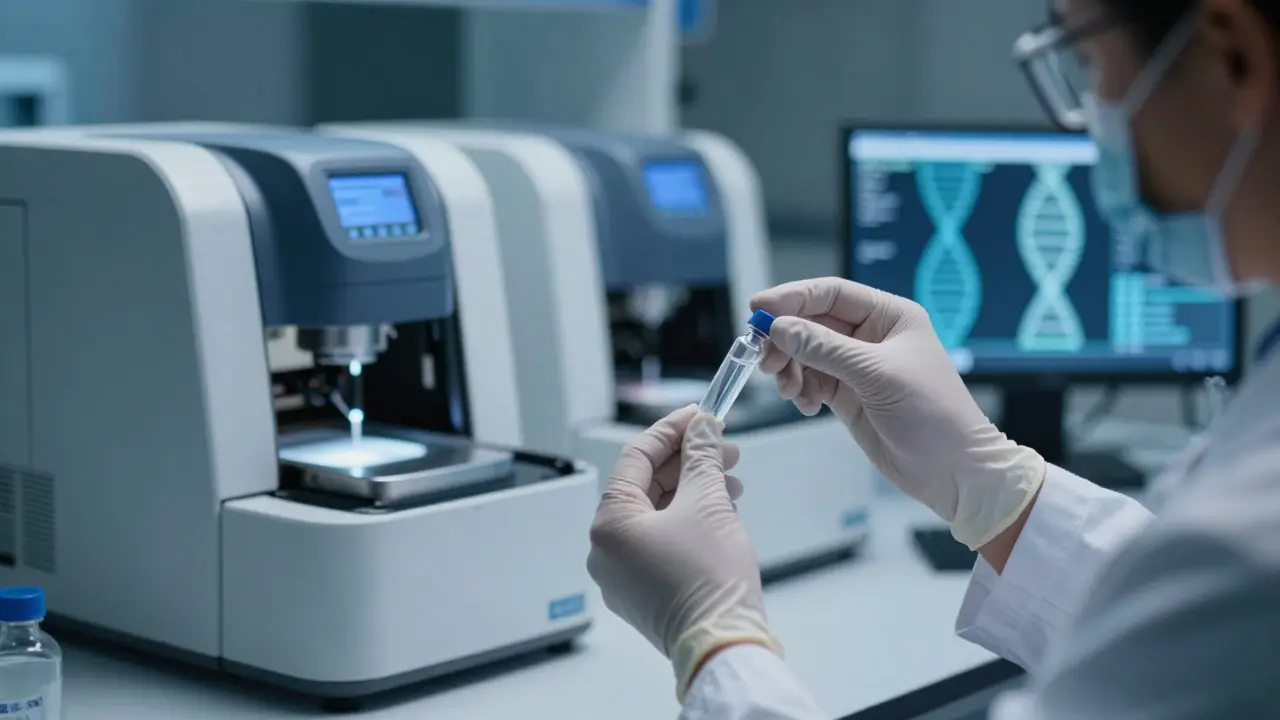
Kinship Analysis in Forensic DNA: How It Works and Why It Matters
- By : Ian Brophy
- Date : Aug 17 2026
Learn how kinship analysis uses DNA to identify missing persons and solve cold cases. We explain likelihood ratios, common pitfalls, and why this method works even with degraded samples.
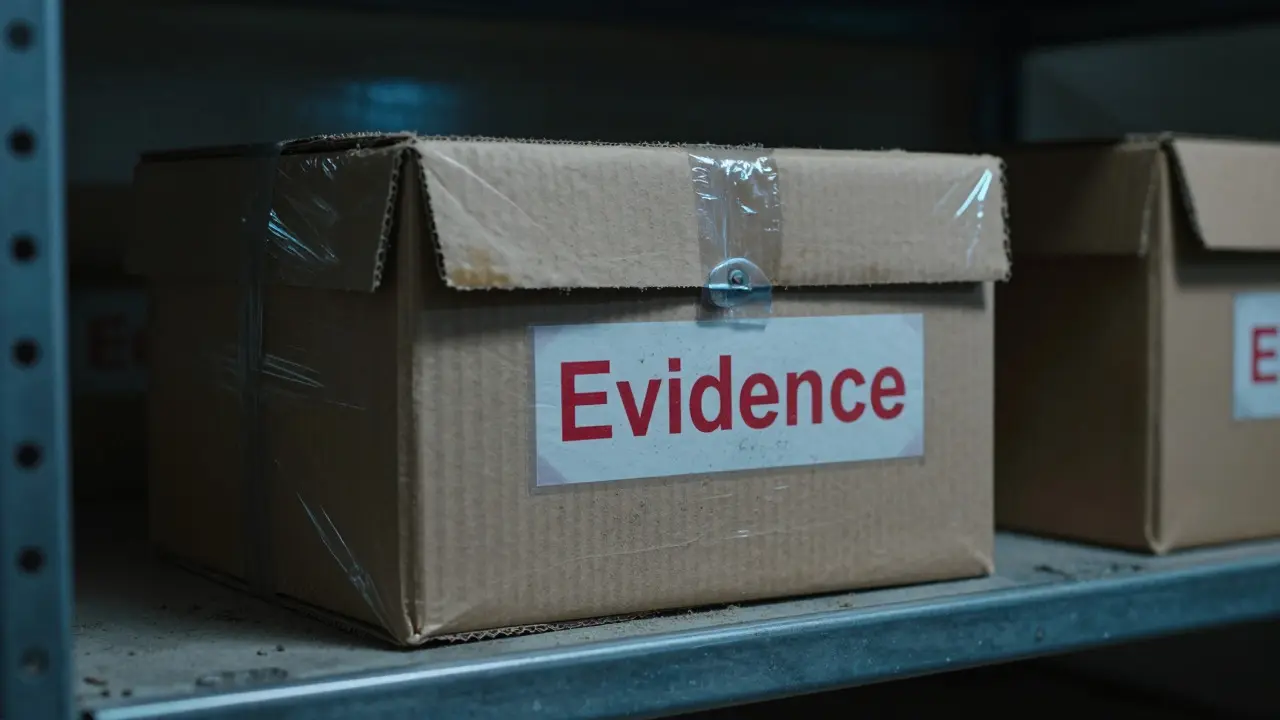
Chain of Custody in Cold Cases: Preserving Evidence Integrity Over Decades
- By : Ian Brophy
- Date : Aug 17 2026
Reviving cold cases requires more than just new tech; it demands rigorous reconstruction of evidence history. Learn how to handle degraded items, fill documentation gaps, and ensure legal admissibility after decades of storage.
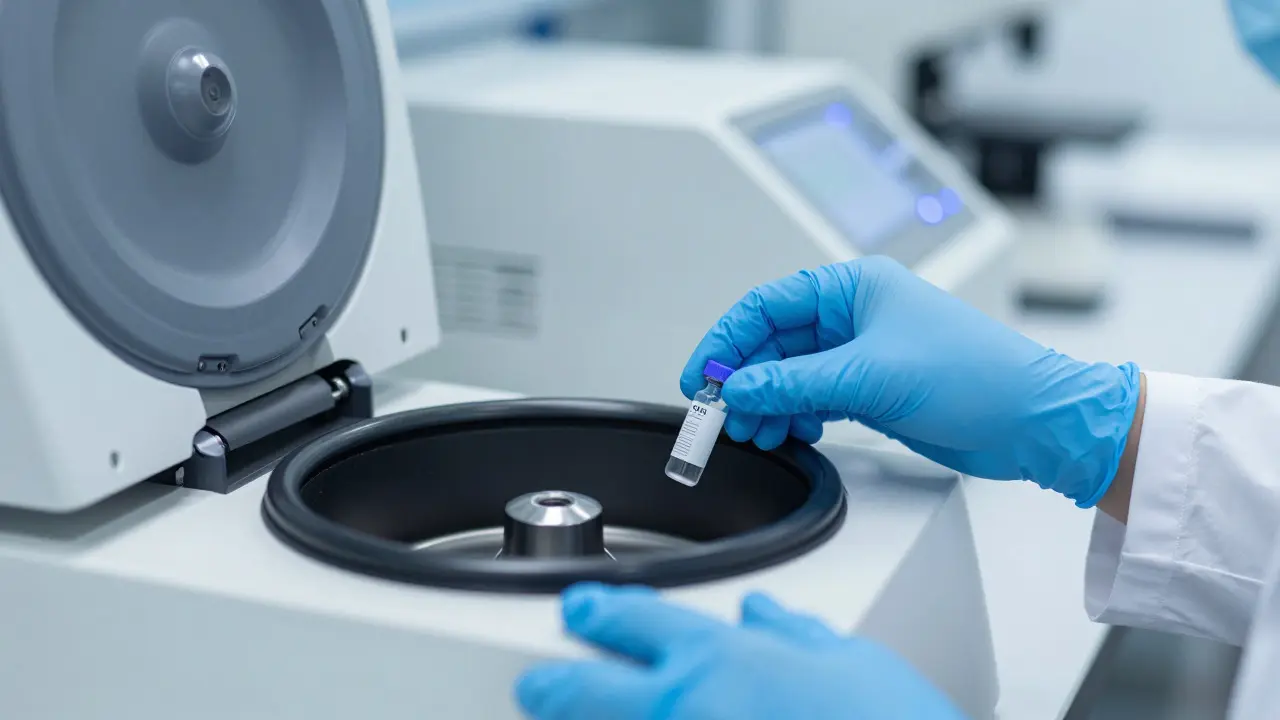
DNA Population Genetics: Decoding Probability Statements in Forensics
- By : Ian Brophy
- Date : Aug 17 2026
Demystify the math behind forensic DNA matches. Learn how population genetics determines probability statements, the difference between RMP and Likelihood Ratios, and common pitfalls in court.
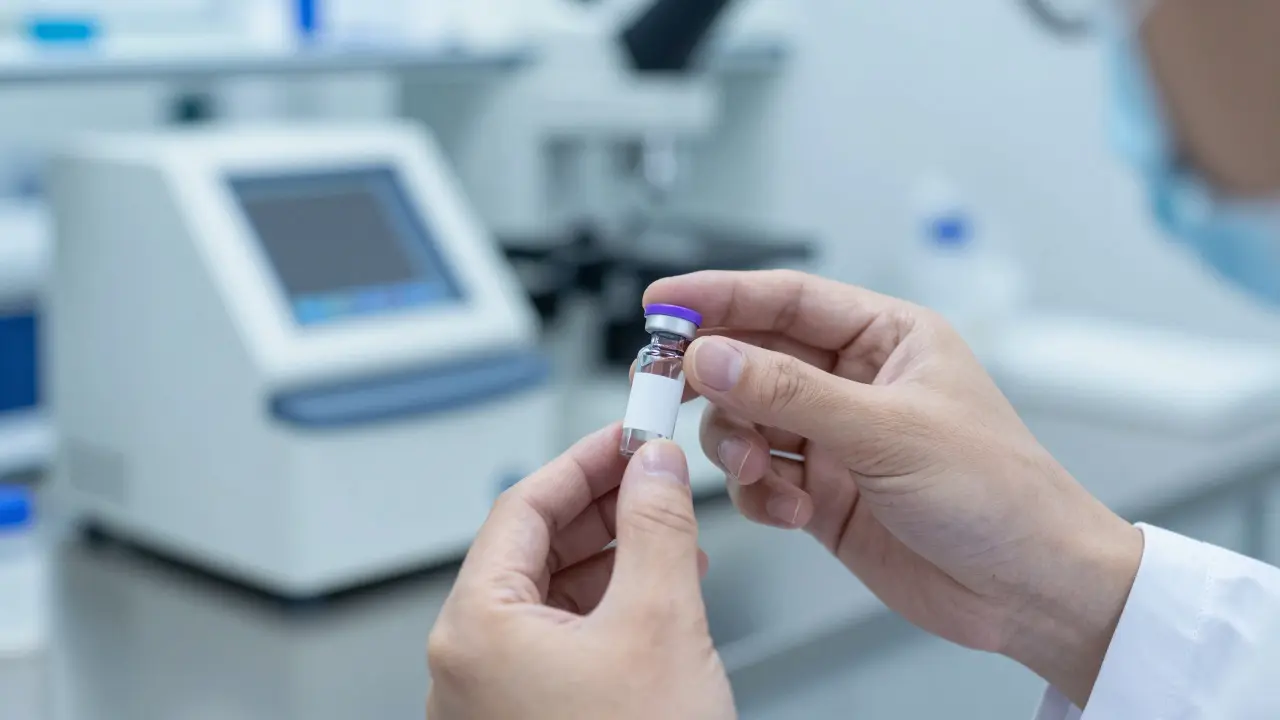
Forensic Methodology: How to Explain Analysis Procedures Clearly
- By : Ian Brophy
- Date : Aug 17 2026
Learn how to write clear, credible forensic methodology sections. Discover best practices for documenting analysis procedures to ensure reproducibility and win court confidence.

DNA Evidence Standards: Admissibility Requirements in Court
- By : Ian Brophy
- Date : Aug 17 2026
Learn how DNA evidence meets legal admissibility standards through Frye and Daubert tests, chain of custody rules, and lab quality controls.
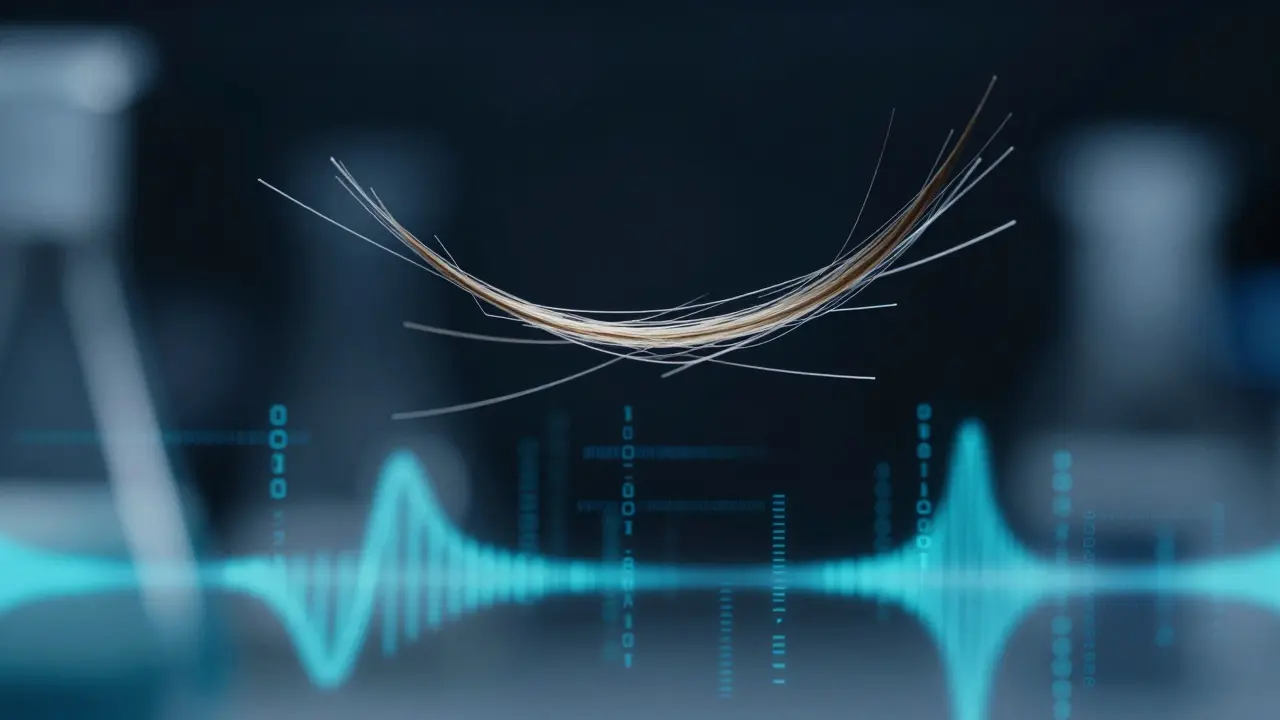
Probabilistic Genotyping: How to Interpret Complex DNA Profiles in Forensics
- By : Ian Brophy
- Date : Aug 17 2026
Learn how probabilistic genotyping transforms forensic DNA analysis. This guide explains the stats, software, and legal implications of interpreting complex mixtures.
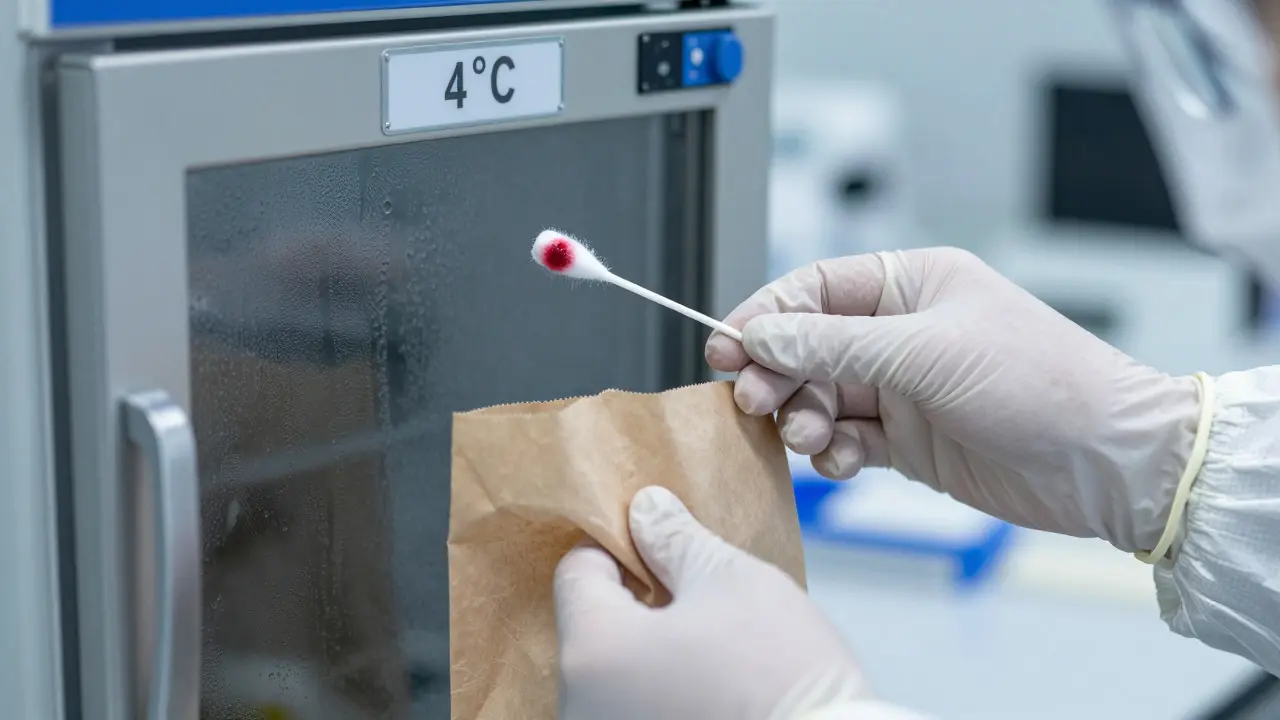
Refrigerated vs. Frozen Storage: Evidence Preservation Rules for Forensic Teams
- By : Ian Brophy
- Date : Aug 17 2026
Learn the exact rules for storing forensic evidence. Discover when to refrigerate versus freeze biological samples to prevent DNA degradation and ensure court admissibility.