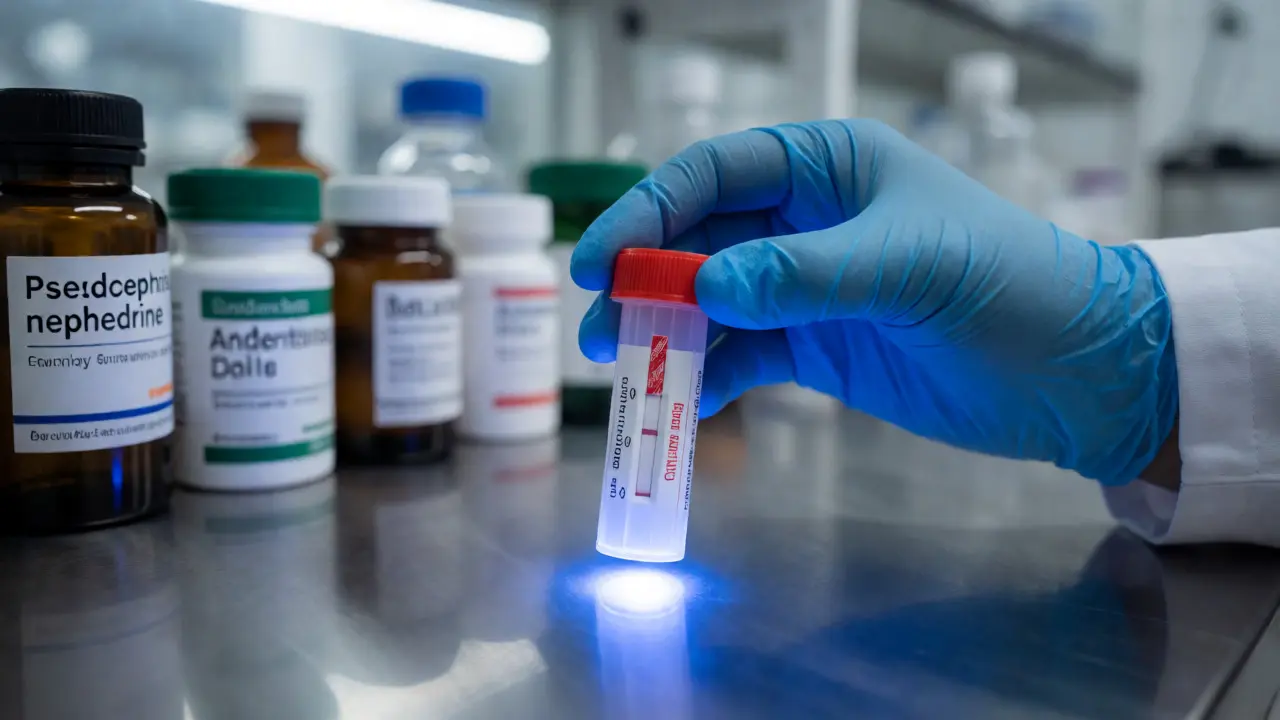
You walk into a workplace screening or a hospital ER. The urine cup glows under the UV light, and the test strip shows a line where there shouldn't be one. Positive for amphetamines. But you haven’t touched any stimulants in years. You’re not high; you’re just taking medication for ADHD or maybe fighting off a stubborn sinus infection. This isn’t a conspiracy theory or a lab error in the traditional sense. It’s cross-reactivity, a phenomenon where an antibody binds to a substance that is structurally similar but chemically distinct from the target analyte. In the world of forensic toxicology, the application of chemistry to legal questions regarding drugs and poisons, this is the silent saboteur of accuracy.
If you’ve ever questioned why a positive result didn’t match your life, or if you work in HR trying to make sense of confusing reports, understanding cross-reactivity is non-negotiable. It’s the difference between firing a loyal employee for cause and realizing they simply took their prescribed antihistamine. Let’s break down how this happens, which drugs are notorious for causing it, and what steps actually fix the problem.
The Science Behind the Mistake
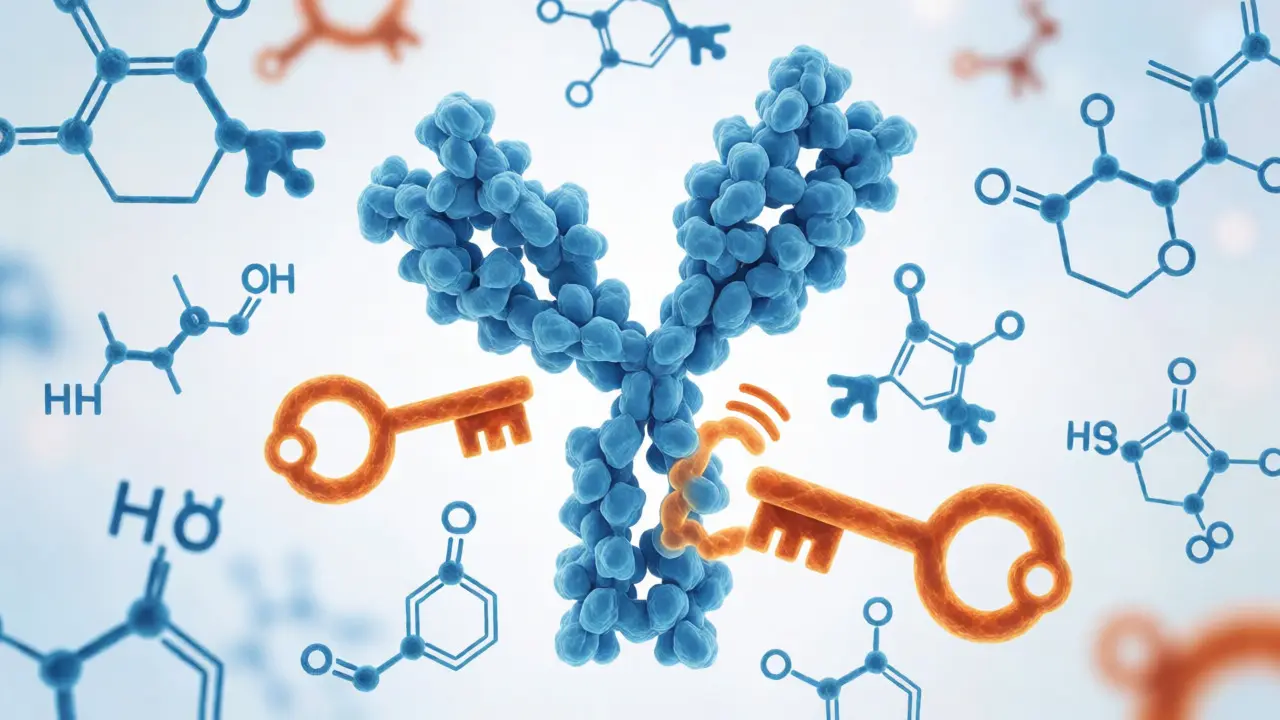
To get why tests fail, you have to look at how they work. Most initial drug screens use immunoassays, laboratory techniques that rely on the binding of antibodies to specific antigens to detect substances. Think of an antibody as a lock and the drug molecule (the antigen) as a key. Ideally, only the correct key fits perfectly. But biology is messy. Many drugs share similar chemical structures-think of them as keys with slightly different teeth but the same overall shape.
When an antibody is designed to catch morphine, it might also grab onto codeine because they look alike. Or worse, it might grab something completely unrelated that just happens to fit loosely into the binding site. This is cross-reactivity. The test doesn’t know the difference; it just knows something stuck to the hook. If the concentration of this "look-alike" substance is high enough, the test flips to positive. It’s not that the test is broken; it’s that the tool is too blunt for the job of definitive identification.
This is why initial screenings are rarely final proof in court. They are designed for sensitivity-catching anything that *might* be a drug-rather than specificity. Specificity comes later, with more advanced tools like mass spectrometry, but we’ll get to that. For now, understand that a positive screen is a red flag, not a conviction.
Common Culprits: What Triggers False Positives?
Not all drugs are equal offenders when it comes to cross-reactivity. Some classes are notorious for triggering false alarms on standard panels. Here is a breakdown of the usual suspects based on current clinical data and laboratory standards.
| Target Drug Class | Common Cross-Reacting Substances | Context/Notes |
|---|---|---|
| Amphetamines | Pseudoephedrine, Labetalol, Trazodone, Bupropion | Decongestants and antidepressants are frequent triggers. |
| Opiates | Rifampin, Poppy Seeds, Dextromethorphan | Eating bagels can trigger opiate tests due to seed residue. |
| Cannabinoids (THC) | Dronabinol, NSAIDs (Ibuprofen/Naproxen), PPIs | High doses of over-the-counter painkillers can interfere. |
| Benzodiazepines | Sertraline, Oxcarbazepine, Zolpidem | Antidepressants and sleep aids often mimic benzo structures. |
| PCP | Diphenhydramine, Venlafaxine, Tramadol | Allergy meds and certain antidepressants show up here. |
Take amphetamines, for instance. If you take bupropion, an antidepressant and smoking cessation aid known by the brand name Wellbutrin, you have a significant chance of testing positive for amphetamines on a standard immunoassay. Why? Because bupropion’s chemical structure resembles amphetamine closely enough to fool the antibody. Similarly, pseudoephedrine, a common decongestant found in cold medicines, is a classic offender. If you had a head cold last week and took Sudafed, your pre-employment drug screen might flag you for methamphetamine use unless you disclose the medication.
Then there’s the poppy seed issue. Eating a handful of bagels before a test can lead to a positive result for opiates. While modern cutoff levels have been raised to mitigate this, heavy consumption still poses a risk. These aren’t rare edge cases; they are everyday scenarios that trip up unprepared individuals.
Why Initial Screens Are Just the Beginning
You might ask, "If these tests are so prone to error, why do companies use them?" The answer is cost and speed. An immunoassay costs pennies and gives results in minutes. Confirmatory testing costs dollars and takes days. In a large workforce, screening everyone with gas chromatography-mass spectrometry (GC-MS) would bankrupt the budget. So, the industry uses a two-step process.
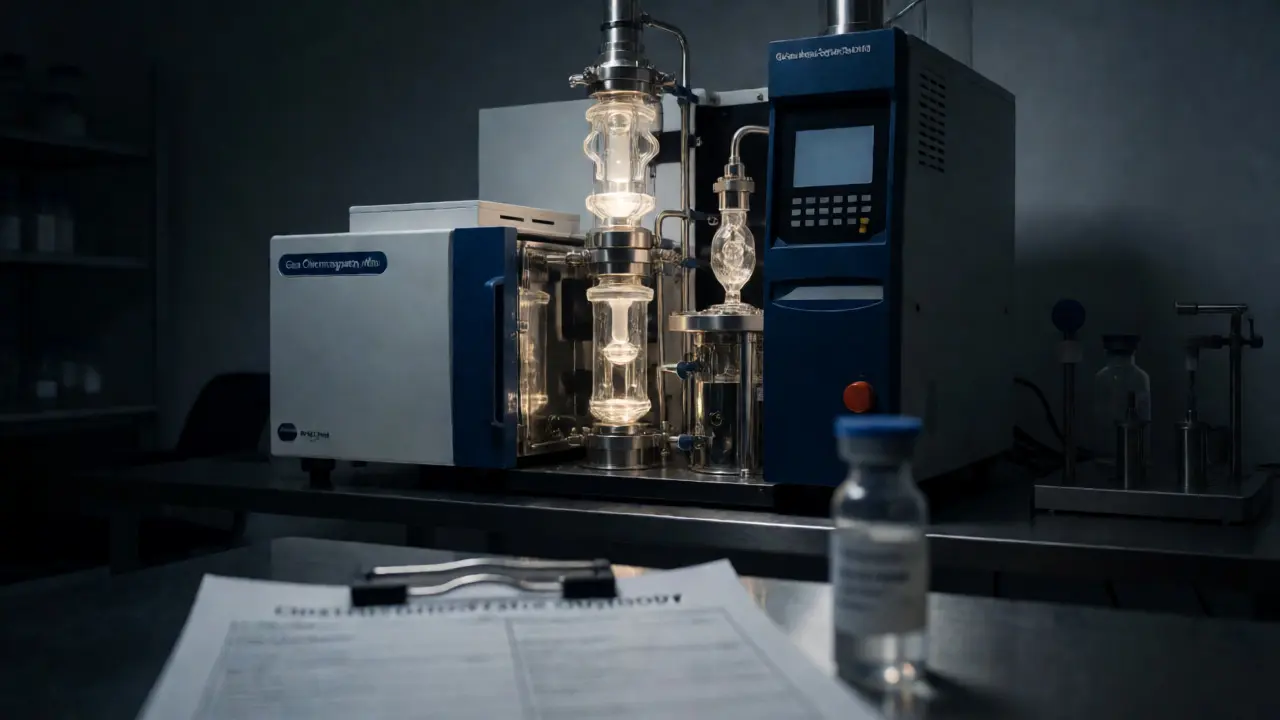
Step one is the screen. It’s broad, fast, and cheap. It casts a wide net. Step two is confirmation. If the screen is positive, the sample goes to a lab for Gas Chromatography-Mass Spectrometry (GC-MS) or Liquid Chromatography-Tandem Mass Spectrometry (LC-MS/MS). These methods separate molecules by weight and charge, identifying the exact substance present.
Here’s the critical distinction: Immunoassays tell you what might be there. Mass spectrometry tells you what is there. A GC-MS test won’t confuse bupropion with amphetamine. It sees the molecular fingerprint and says, "Nope, that’s bupropion." This is why you never should accept a positive initial screen as final without demanding a confirmatory test. If an employer tries to fire you based solely on a dipstick result, they are skipping the science.
Navigating the Process: Your Rights and Steps
So, you’ve got a positive screen. What now? Don’t panic, but don’t stay passive either. The process matters as much as the result.
- Disclose Medications Early: Before the test, list every prescription, over-the-counter drug, and supplement you’ve taken in the last 7-10 days. Bring bottles if possible. This creates a paper trail showing you weren’t hiding anything.
- Request Confirmation: If the screen is positive, explicitly request a confirmatory test using GC-MS or LC-MS/MS. Do not sign any admission of guilt until this step is complete.
- Review the Chain of Custody: Ensure the paperwork follows the sample from collection to lab. Gaps in custody can invalidate results, though this is rarer than cross-reactivity issues.
- Consult a Medical Review Officer (MRO): An MRO is a physician who reviews positive results. They will contact you to discuss medications. Be honest. If you explain you’re on bupropion, they can override the positive result if the confirmatory test agrees.
It’s worth noting that some employers have strict policies about herbal supplements. St. John’s Wort, for example, can interact with various assays. Always treat supplements like drugs in the context of testing.
Prevention and Best Practices for Labs
For those running the labs or managing HR departments, reducing false positives isn’t just nice-to-have; it’s operational necessity. High rates of false positives increase administrative costs and lower morale.
- Use Specific Assays: Newer immunoassay kits are designed with higher specificity. Ask your lab vendor about the cross-reactivity profiles of their current kits.
- Set Appropriate Cutoff Levels: Raising the detection threshold slightly can reduce noise from low-level cross-reactants, though this risks missing low-concentration true positives. Balance is key.
- Train Collectors: Ensure collectors know which medications commonly cause interference. They can prompt donors to provide detailed histories.
- Automate Where Possible: Automated liquid handling reduces human error in pipetting, which can sometimes exacerbate assay variability.
Also, consider the matrix. Urine is the most common specimen, but oral fluid and hair have different cross-reactivity profiles. Oral fluid, for instance, reflects recent use and may have fewer metabolites interfering, but it has its own set of challenges with pH and viscosity affecting the assay.
The Legal and Ethical Weight of Accuracy
In forensic contexts, such as DUI arrests or criminal probation checks, the stakes are even higher. A false positive could mean jail time or loss of parental rights. Courts generally require confirmatory testing for evidence to be admissible. However, the burden of proof often falls on the individual to challenge the result.
This places a premium on transparency. Laboratories must adhere to standards set by organizations like SAMHSA (Substance Abuse and Mental Health Services Administration). Their guidelines dictate cutoff levels and confirmatory methods specifically to minimize the impact of cross-reactivity. Ignoring these standards isn’t just bad practice; it’s legally risky.
Ultimately, cross-reactivity reminds us that science is probabilistic, not absolute. Tests are tools, and like any tool, they have limitations. Recognizing these limits protects employees, patients, and the integrity of the justice system. It turns a binary "positive/negative" into a nuanced conversation about chemistry and context.
Can ibuprofen really cause a false positive for THC?
Yes, especially in older immunoassay kits. High doses of non-steroidal anti-inflammatory drugs (NSAIDs) like ibuprofen and naproxen have been documented to cross-react with cannabinoid assays. Modern tests have improved specificity, but it remains a possibility, particularly if the donor consumes large amounts of OTC pain relievers.
What is the difference between sensitivity and specificity in drug testing?
Sensitivity is the ability of a test to correctly identify those with the disease (or drug presence)-it minimizes false negatives. Specificity is the ability to correctly identify those without the condition-it minimizes false positives. Initial screens prioritize sensitivity to catch all potential users, while confirmatory tests prioritize specificity to ensure accuracy.
Do poppy seeds still cause positive opiate tests?
They can, but less frequently than in the past. The federal cutoff level for opiates was raised from 300 ng/mL to 2000 ng/mL in part to account for poppy seed consumption. However, eating a large quantity of unwashed poppy seeds shortly before testing can still exceed this threshold, leading to a positive screen that requires confirmation.
How long does cross-reactivity last after stopping medication?
It depends on the half-life of the cross-reacting substance. For example, pseudoephedrine clears relatively quickly (within 24 hours), while some antidepressants like fluoxetine can linger in the system for weeks. Generally, if you stop the interfering medication, the false positive risk diminishes as the substance is metabolized and excreted.
Is GC-MS always accurate?
GC-MS is considered the gold standard for confirmation because it identifies unique molecular fragments. It is highly specific. However, it is not infallible. Sample contamination, degradation during storage, or extremely low concentrations below the limit of quantification can affect results. Still, it is far more reliable than immunoassays for distinguishing between structurally similar compounds.