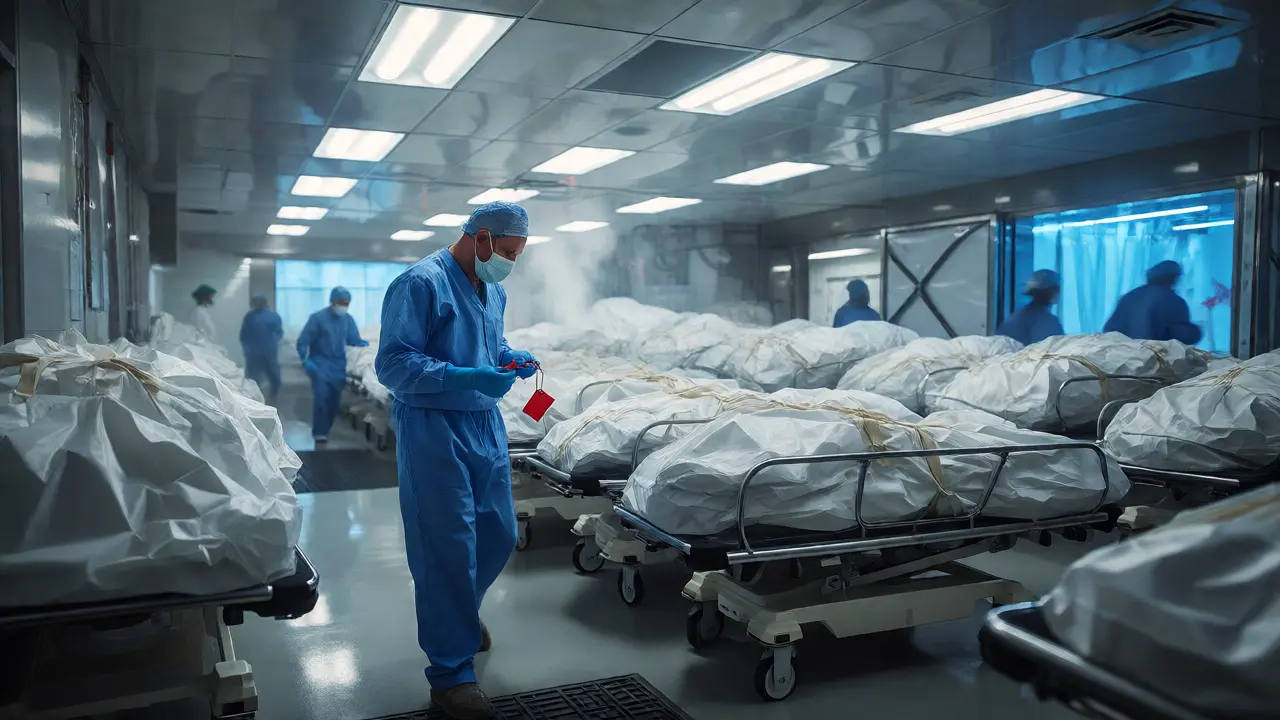
Imagine a ferry capsizing in the Pacific Northwest. Within hours, hundreds of bodies arrive at a local county morgue that normally handles ten cases a week. The air conditioning hums, but the temperature is rising. The pathologists are exhausted. This isn't just a medical crisis; it's a logistical nightmare. If you don't have a system, you lose identities, you lose evidence, and you lose dignity for the families waiting outside.
Mass Fatality Autopsy Operations is the coordinated process of managing, identifying, and documenting deceased individuals following a large-scale incident where the number of casualties exceeds local resources. It’s not about doing more autopsies faster; it’s about doing fewer autopsies smarter. The goal shifts from finding every microscopic cause of death to establishing identity and ruling out foul play efficiently.
The Shift from Clinical to Disaster Mode
In a standard hospital setting, an autopsy answers the question: "What killed this person?" In a mass fatality event (MFE), the primary question changes to: "Who is this person?" and "Did someone else kill them?" This distinction dictates everything from staffing to paperwork. You cannot perform a full, three-hour clinical autopsy on 200 bodies in two days with five pathologists. You will drown in data before you finish the first batch.
This requires a mindset shift. You are no longer just doctors; you are part of a chain of custody. Every tag, every photo, and every DNA swab must survive the chaos. The National Disaster Medical System (NDMS) and the Federal Emergency Management Agency (FEMA) provide frameworks, but local jurisdictions often improvise. The key is recognizing when to stop treating the body like a patient and start treating it like evidence.
Triage: Sorting the Dead
Triage in emergency medicine saves lives. Triage in mortuary science saves time and resources. You need a rapid assessment protocol immediately upon arrival. Not every body needs a full post-mortem examination. Some deaths are obvious-crush injuries, drowning, or burns so severe that identity relies solely on dental records or DNA. Others might look traumatic but could be natural deaths occurring during the stress of evacuation.
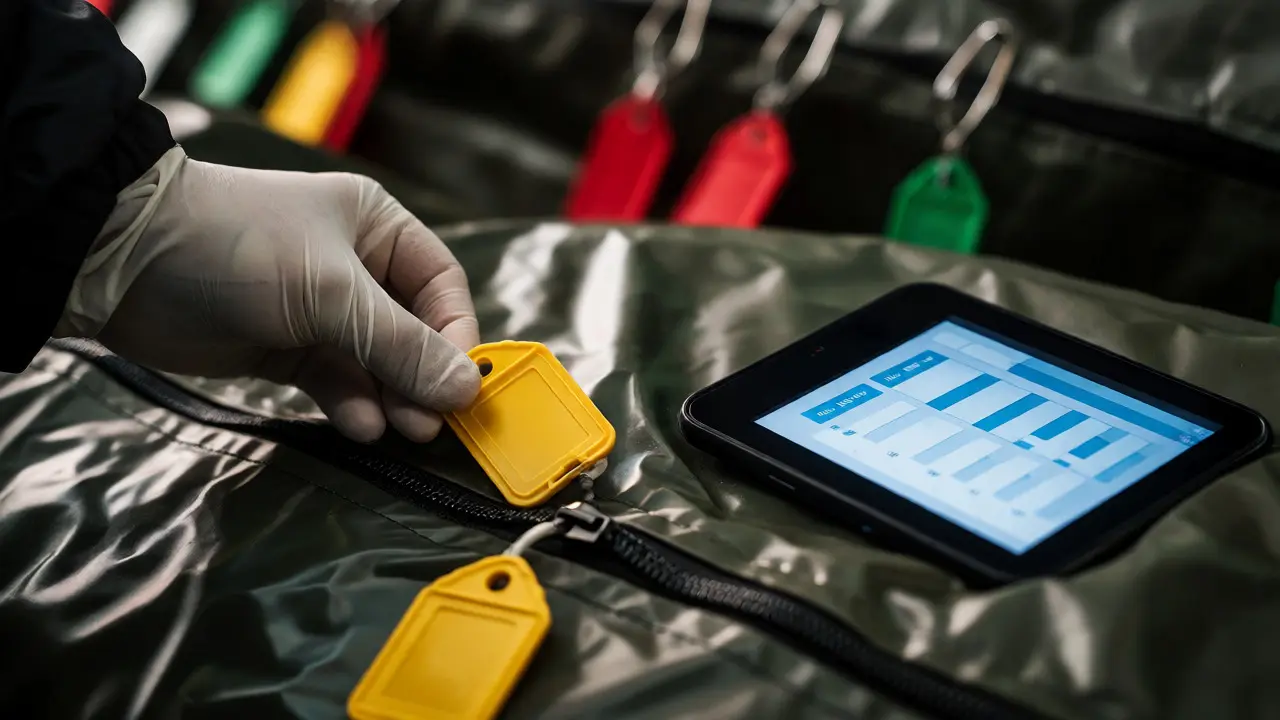
Use a color-coded tagging system right at the receiving dock. Here is a practical approach used by many major metropolitan areas:
- Red Tag (Priority Identification): Body is intact enough for visual ID or fingerprinting. High likelihood of being a homicide or suspicious death requiring forensic pathology review.
- Yellow Tag (Delayed Identification): Significant trauma or decomposition. Requires advanced methods like dental comparison or DNA. Needs stabilization before processing.
- Green Tag (Clearance): Obvious accidental death (e.g., clear signs of massive trauma consistent with the incident mechanism). Minimal internal exam needed if external documentation is complete.
This sorting happens before the body enters the refrigeration unit. If you let everything pile up unsorted, you create a bottleneck. A trained team can sort fifty bodies in an hour using this method. Without it, you’re guessing.
Logistics: The Cold Chain and Space
Space is your scarcest resource. Most county morgues hold 10-20 bodies. During an MFE, you might have 500. Where do they go? You need mobile refrigerated trailers, often called "cold storage units." These aren't optional extras; they are critical infrastructure. But space isn't just about floor area; it's about workflow flow.
You need distinct zones: Intake, Examination, Storage, and Release. Never mix clean tools with contaminated ones. Set up a linear flow so bodies move from dirty to clean without backtracking. If a body goes from Intake to Exam and back to Intake because a tag fell off, you’ve compromised the chain of custody.
| Resource Category | Standard Capacity | Surge Requirement (100+ Bodies) | Critical Action |
|---|---|---|---|
| Refrigeration | Fixed morgue capacity | Mobile trailers + backup generators | Verify power redundancy within 4 hours |
| Personnel | Local Medical Examiner staff | Disaster Mortuary Operational Response Teams (DMORT) | Activate mutual aid agreements early |
| Documentation | Paper-based charts | Digital tablets with offline capability | Sync data when connectivity returns |
| Identification | Fingerprints/Dental | Add DNA sampling & Antemortem interviews | Establish family collection center |
Power failure is a real threat. In Portland, we worry about earthquakes disrupting grids. If the cooling stops, decomposition accelerates, and DNA degrades. Always assume the grid will fail. Have diesel generators tested and fueled. Also, consider biohazard safety. With hundreds of bodies, the risk of infectious disease transmission increases, though typically lower than public perception suggests. Standard precautions are usually sufficient, but PPE compliance drops as fatigue sets in. Supervisors must enforce mask and glove usage strictly.
The Human Factor: Staff Burnout
Let’s talk about the people doing the work. Pathologists, technicians, and support staff face extreme psychological stress. They are handling victims who may look like neighbors or friends. Compassion fatigue is real. You cannot run a 24-hour operation with fresh eyes indefinitely. Rotate shifts every 6-8 hours. No one should work more than 12 hours straight.
Provide mental health support on-site. It sounds corporate, but having a counselor available reduces errors. When people are tired, they mislabel samples. They skip photos. They rush descriptions. In a legal context, a rushed description can mean the difference between a closed case and a lawsuit. Treat your staff like critical equipment. Keep them fed, hydrated, and rested.
Integration with Law Enforcement
Police and forensic pathologists often speak different languages. Police want suspects; pathologists want causes of death. In an MFE, these goals can conflict. If police seal a scene or take bodies away too quickly for investigation, the medical examiner loses the chance to document crucial contextual evidence.
Establish a Joint Information Center (JIC) early. Ensure the Medical Examiner has direct access to law enforcement databases for missing persons reports. Don’t wait for the police to send you a list. Push your data to them. Use standardized forms like the FEMA Form 5037-2 for antemortem data collection. This form asks families specific questions about scars, tattoos, and dental work. Get this filled out correctly, or you’ll be comparing vague memories against ambiguous radiographs later.
Technology and Data Management
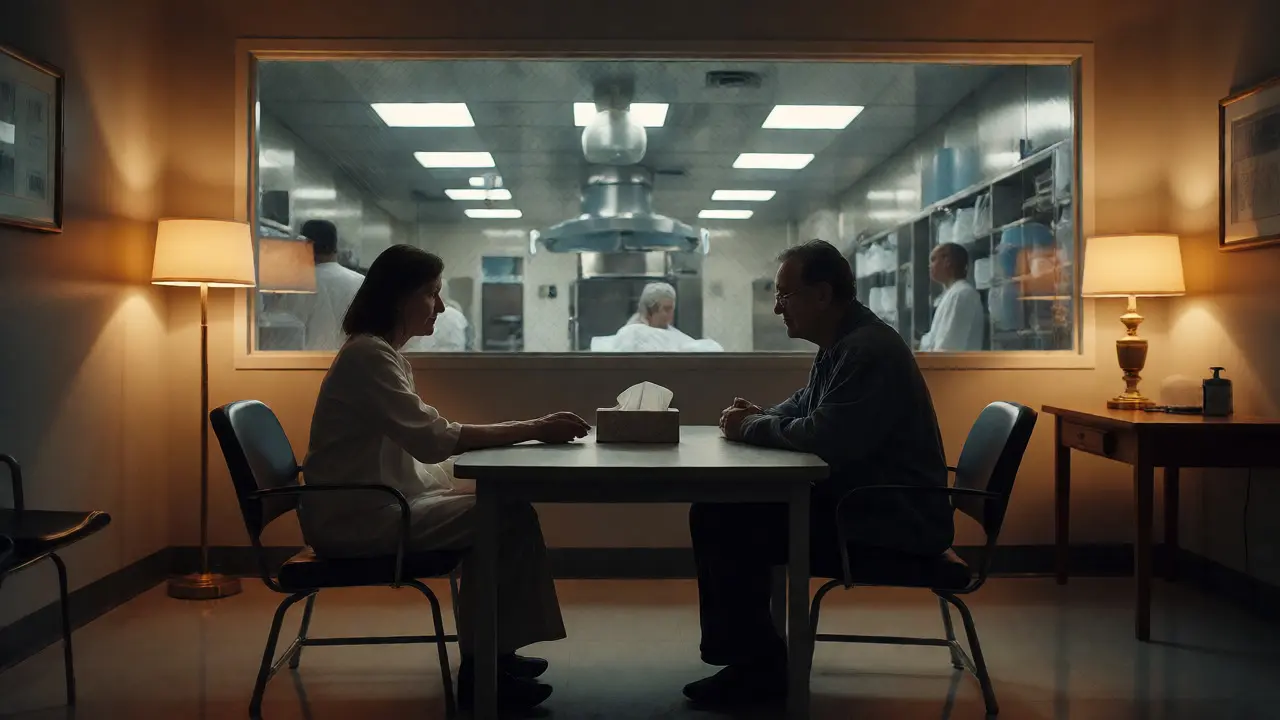
Paper dies in water damage. Digital systems fail without internet. Plan for both. Use ruggedized tablets for initial intake. Take high-resolution photos of all unique identifiers immediately. Upload these to a secure cloud server as soon as possible. If the local server crashes, the cloud backup saves your job.
Consider using biometric scanners if available. Fingerprinting decomposed bodies is difficult but possible with proper technique. Dental radiography remains the gold standard for quick ID if records are accessible. For unknowns, DNA is the ultimate tiebreaker, but it’s slow. Do not rely on DNA for initial sorting. Use it for final confirmation only after other methods fail.
Release and Family Communication
The end game is releasing the body to the family. This is where logistics meet empathy. Families are grieving and confused. They need clear information, not jargon. Create a dedicated release area separate from the working morgue. It should be quiet, private, and comfortable.
Train staff on how to communicate uncertainty. Saying "We haven't identified him yet" is better than giving a wrong name. Provide regular updates. If the process takes three days, say so upfront. Manage expectations. A smooth release process reflects well on the entire agency. A chaotic one leaves families traumatized and distrustful.
Key Takeaways
- Redefine Goals: Prioritize identification over detailed pathological findings in the initial phase.
- Triage Aggressively: Sort bodies by identification difficulty and investigative priority immediately upon arrival.
- Secure Infrastructure: Backup power and mobile refrigeration are non-negotiable for maintaining sample integrity.
- Protect Personnel: Enforce shift limits and provide mental health support to prevent operational errors due to fatigue.
- Bridge Gaps: Establish direct communication channels with law enforcement to align investigative and medical objectives.
How long does a mass fatality autopsy take compared to a standard one?
A standard clinical autopsy can take 2-4 hours. In a mass fatality scenario, the focus shifts to rapid external examination and limited internal checks if necessary. This can reduce the time per body to 15-30 minutes, depending on the complexity of identification required. The goal is throughput, not comprehensive medical analysis.
Do all bodies in a mass fatality event require a full autopsy?
No. Many jurisdictions allow for external-only examinations if the cause of death is obvious and consistent with the incident (e.g., clear blunt force trauma in a building collapse). Full autopsies are reserved for suspicious deaths, unclear causes, or cases where identity cannot be established through other means.
What is the biggest logistical challenge in mass fatality operations?
Space and cold storage are often the most immediate physical challenges. However, the most complex challenge is usually data management-keeping track of which body belongs to which set of antemortem data and ensuring chain of custody across multiple agencies and locations.
How does decomposition affect mass fatality identification?
Decomposition makes visual identification impossible and complicates fingerprinting. It forces reliance on dental records and DNA. Rapid refrigeration is critical to slow decomposition. If bodies are warm, enzymes break down tissues quickly, destroying valuable evidence like fingerprints and soft tissue markers.
Who leads the operation during a mass fatality event?
The Medical Examiner or Coroner typically leads the mortuary operations. However, overall incident command follows the Incident Command System (ICS) structure, where the Fire Department or Police Chief may serve as the Incident Commander. Coordination between these roles is essential for success.