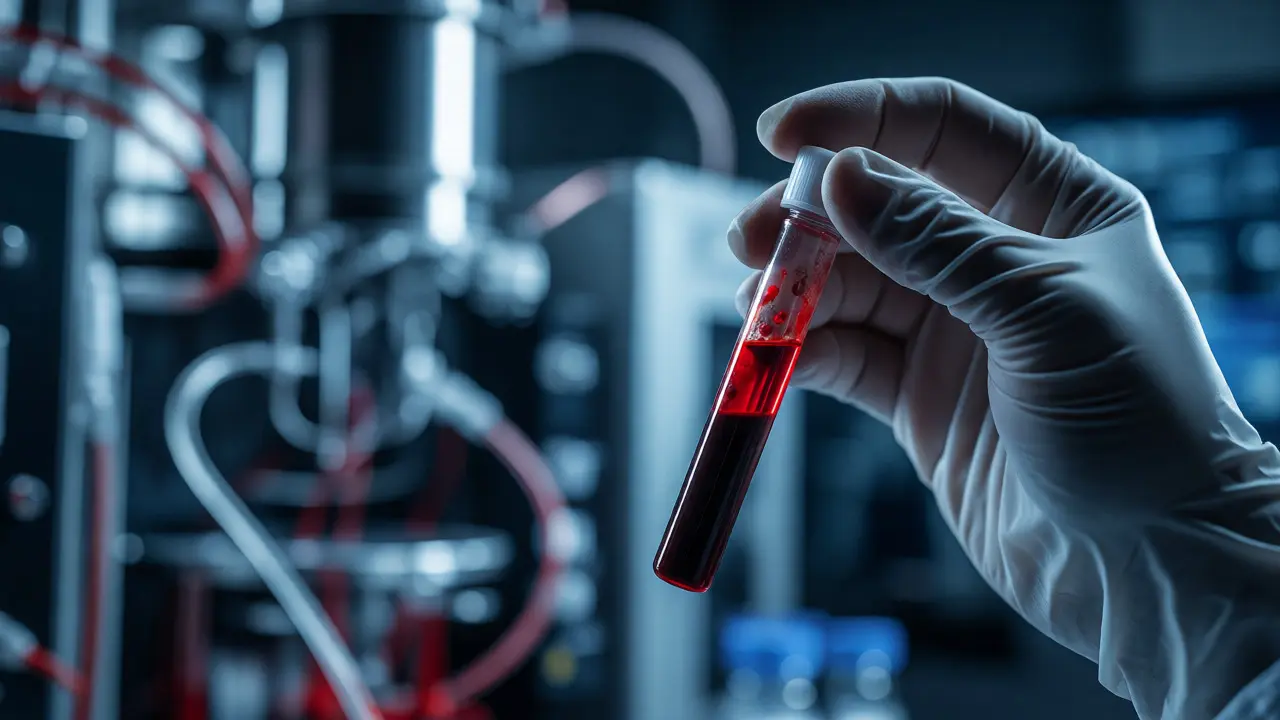
Imagine a driver is pulled over for erratic behavior. The officer suspects impairment and requests a blood test. Weeks later, the lab report comes back positive for THC-COOH, a non-psychoactive metabolite of marijuana. Does this mean the driver was high at the wheel? Or did they smoke a joint three days ago while perfectly sober? This specific confusion lies at the heart of forensic toxicology, specifically the critical distinction between detecting an active parent drug versus its inactive metabolites.
If you are involved in legal proceedings, laboratory work, or simply want to understand how drug tests actually work, grasping this difference is non-negotiable. It’s the line between a DUI conviction and a dismissed charge. It’s the difference between knowing someone took a pill recently versus knowing they took it last week. Let’s break down why distinguishing between these two entities is so difficult, yet so vital.
The Biological Reality: What Are We Actually Measuring?
To understand the challenge, you first need to know what happens when a substance enters the body. When you ingest a drug, your body doesn’t just keep it as-is. It tries to get rid of it. This process is called metabolism, primarily occurring in the liver via enzymes like CYP450.
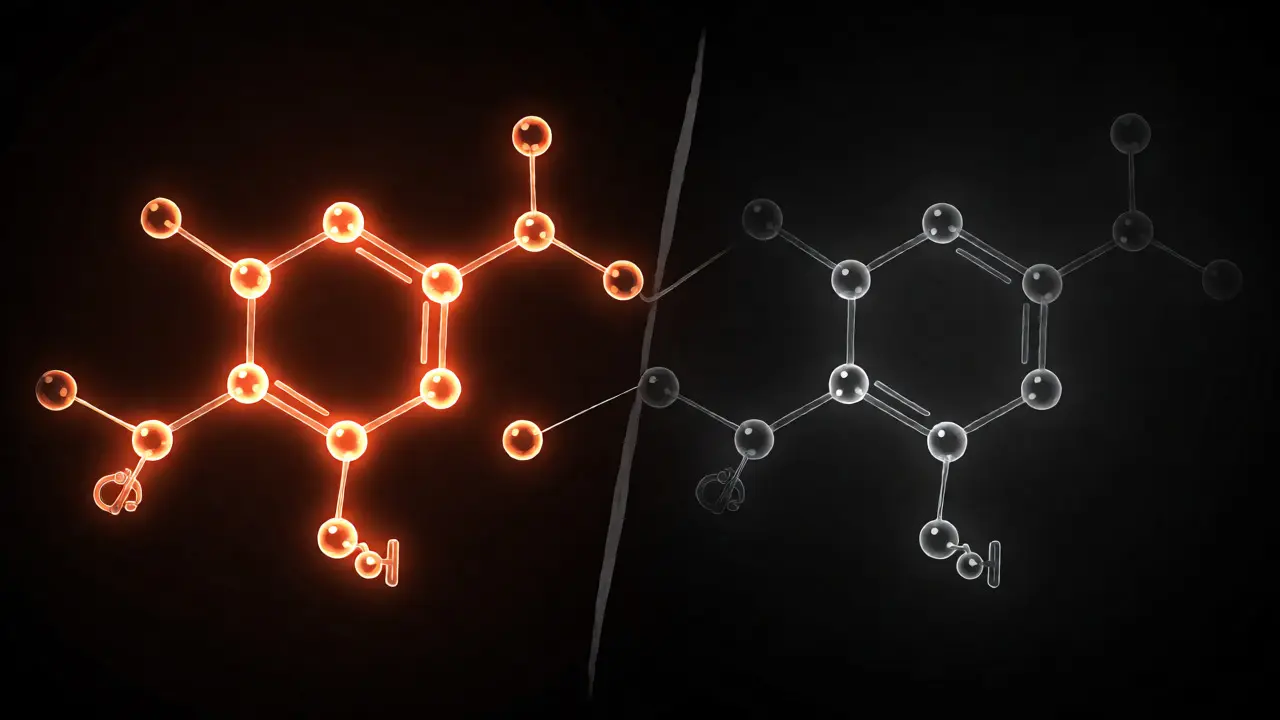
The original molecule that you ingested is known as the parent compound or active drug. This is usually the form that binds to receptors in your brain and produces the psychoactive effect-the "high" or the pain relief. As the body breaks it down, it creates byproducts called metabolites. Some metabolites remain active (like norcodeine from codeine), but many are inactive waste products destined for excretion through urine or feces.
In forensic science, we aren't just looking for "drugs." We are looking for specific chemical signatures. A standard immunoassay screen might flag a class of drugs, but confirmation requires identifying the exact molecule using techniques like Liquid Chromatography-Tandem Mass Spectrometry (LC-MS/MS). Here is where the interpretation gets tricky: finding the parent drug suggests recent use and potential impairment. Finding only the metabolite suggests past use, but not necessarily current impairment.
Why Timing Matters More Than Presence
The biggest hurdle in interpreting toxicology results is time. Drugs have different half-lives, which is the time it takes for the concentration of the drug in your blood to reduce by half. If a case involves a fatal overdose, the presence of the parent drug is often the smoking gun. But in traffic accidents or workplace screenings, the timeline is murkier.
Consider alcohol. Ethanol is both the parent drug and is rapidly metabolized into acetaldehyde and then acetate. Because ethanol clears relatively quickly, a positive result usually indicates recent consumption. However, with longer-lasting substances like benzodiazepines or opioids, the story changes. Diazepam, for example, has a very long half-life. Its metabolites can linger in the system for weeks after the active effects have worn off.
| Entity Type | Primary Indicator | Typical Duration in Blood | Impairment Correlation |
|---|---|---|---|
| Parent Compound | Recent ingestion / Acute toxicity | Hours to Days | High correlation with active effects |
| Inactive Metabolite | Past exposure / Chronic use | Days to Weeks | Low or no correlation with current state |
| Active Metabolite | Ongoing effect / Slow clearance | Variable | Moderate to High, depends on potency |
This table highlights a crucial point: a positive test isn't binary. It’s a spectrum of probability based on which molecule you found. In court, defense attorneys will argue that a metabolite-only result proves their client wasn't impaired. Prosecutors will counter that some metabolites retain activity. The truth usually sits in the middle, requiring expert testimony to explain the pharmacokinetics to a jury.
The Challenge of Matrix Selection: Blood vs. Urine
Where you look matters just as much as what you look for. Forensic toxicologists typically analyze blood, urine, hair, or oral fluid. Each matrix tells a different part of the story.
Blood is the gold standard for determining current impairment because it reflects circulating levels. If you find the parent drug in blood, it’s likely still acting on the central nervous system. However, blood samples degrade quickly and require careful chain-of-custody handling.
Urine is easier to collect and store, but it lags behind blood. Urine contains high concentrations of metabolites because that’s how the body excretes them. A urine test might show massive amounts of THC-COOH even if the person hasn’t smoked in days. Using urine alone to prove impairment is scientifically weak. It proves exposure, not intoxication.
Hair analysis offers a historical record. Drugs incorporate into the hair shaft as it grows. This helps establish chronic use patterns but fails completely at pinpointing acute events. You cannot determine if a hair sample came from a single binge or steady daily use without additional context.
Case Study: The Opioid Crisis Complication
Let’s look at a real-world scenario involving opioids, a major driver of modern forensic caseloads. Take fentanyl. It is extremely potent and has a short half-life. If a victim dies from a suspected overdose, finding fentanyl in the blood is strong evidence of cause of death. But what about its metabolite, norfentanyl?
Norfentanyl is inactive. Finding it confirms fentanyl was consumed, but it doesn’t tell you how much fentanyl was present at the time of death. Conversely, consider hydrocodone. It metabolizes into hydromorphone, which is also active and more potent than the parent drug. If you detect hydromorphone but no hydrocodone, did the patient take hydromorphone directly, or did their body convert a large dose of hydrocodone? Without knowing the ratio of parent to metabolite, you can’t reconstruct the dosage accurately.
This ambiguity leads to "interpretation challenges." Labs must quantify both compounds. If the ratio of metabolite to parent is unusually high, it might suggest rapid metabolism due to genetic factors (pharmacogenomics) or enzyme induction from other medications. Ignoring these nuances can lead to wrongful conclusions about intent or capacity.
Technological Solutions and Limitations
How do labs tackle these issues? Modern instrumentation has improved specificity significantly. Older methods like gas chromatography-mass spectrometry (GC-MS) were great but required derivatization for some drugs. Today, LC-MS/MS allows for simultaneous quantification of dozens of analytes, including both parents and metabolites, in a single run.
However, technology isn’t magic. Sample preparation remains a bottleneck. Hemolysis (ruptured red blood cells) in blood samples can interfere with detection. Lipemia (fatty blood) can clog instruments. And let’s not forget synthetic cannabinoids-"spice" or "K2." These compounds are designed to evade standard screens. Their metabolites are often unknown until new research identifies them. By the time a lab updates its library to catch a new synthetic metabolite, thousands of cases may have been misclassified.
Furthermore, cut-off levels play a huge role. Many jurisdictions set arbitrary thresholds for positivity. If the cutoff for a parent drug is too low, you get false positives from environmental contamination or passive exposure. If it’s too high, you miss users who are impaired but have cleared the bulk of the drug. Setting these limits requires balancing sensitivity with specificity, a constant tug-of-war in laboratory quality management.

Legal Implications: Per Se Laws vs. Impairment Standards
The law doesn’t always align with the science. Some states have "per se" laws, meaning any detectable amount of a controlled substance in the blood constitutes a crime, regardless of impairment. Others require proof of actual impairment. This legal framework dictates how toxicology reports are interpreted.
In per se jurisdictions, the mere presence of a metabolite might trigger a penalty, even if the person feels fine. This is controversial because it criminalizes history rather than behavior. In impairment-based systems, the defense can argue that the detected substance was inactive. Expert witnesses become crucial here. They must translate complex pharmacokinetic data into understandable concepts for judges and juries.
For example, in a DUI case involving marijuana, many states are moving toward defining "impairment" rather than just "presence." Since THC (the parent) clears blood quickly but THC-COOH (metabolite) stays long, relying on metabolite levels for impairment charges is scientifically flawed. Courts are increasingly demanding that prosecutors prove the presence of the active THC, not just its leftovers.
Best Practices for Accurate Interpretation
If you are reviewing a toxicology report, don’t just look for "Positive" or "Negative." Look for the numbers. Ask yourself:
- Which molecules were found? Was it the parent, the metabolite, or both?
- What were the concentrations? Compare them to therapeutic ranges or known lethal doses.
- What is the time gap? How long between ingestion and sample collection?
- Are there confounding factors? Did the subject take other medications that inhibit or induce metabolic enzymes?
A good toxicologist doesn’t just report data; they provide context. They calculate ratios. They consider the patient’s medical history. They acknowledge uncertainty. In forensic science, admitting what you don’t know is often more valuable than forcing a definitive answer that the data doesn’t support.
Understanding the interplay between active drugs and metabolites transforms a simple lab result into a powerful narrative about human behavior and biology. It reminds us that chemistry is dynamic, not static. Every molecule tells a story of time, metabolism, and physiological response. Getting that story right requires precision, expertise, and a healthy respect for biological complexity.
Does a positive metabolite test always mean I was impaired?
No. Most metabolites are inactive byproducts of digestion. For many drugs, especially cannabis and benzodiazepines, metabolites can remain in your system for days or weeks after the psychoactive effects have worn off. A positive metabolite test confirms past use, not necessarily current impairment.
Why is blood preferred over urine for DUI cases?
Blood reflects current circulation levels, making it a better indicator of immediate impairment. Urine accumulates metabolites over time, creating a lag. A person could have a negative blood test (sober now) but a positive urine test (used recently). Therefore, blood provides a more accurate snapshot of the driver's state at the time of driving.
Can genetics affect how drugs are metabolized?
Yes, absolutely. Variations in CYP450 enzymes mean some people are "fast metabolizers" and others are "slow metabolizers." A slow metabolizer might retain higher levels of the active parent drug for longer, increasing impairment risk, while a fast metabolizer might clear it quickly but accumulate potentially toxic metabolites faster. This makes universal cutoff levels problematic.
What is the difference between qualitative and quantitative testing?
Qualitative testing answers "yes/no" questions (is the drug present?). Quantitative testing measures "how much" (concentration in ng/mL). In forensic contexts, quantitative data is essential for interpreting impairment, comparing against legal thresholds, and understanding the severity of exposure.
Do all drugs have active metabolites?
No. Many drugs produce inactive metabolites that serve only as waste products. However, some drugs rely entirely on their metabolites for efficacy (prodrugs). Codeine is a classic example; it converts to morphine in the body. Without this conversion, codeine has little pain-relieving effect. Interpreting these cases requires knowing the specific metabolic pathway.