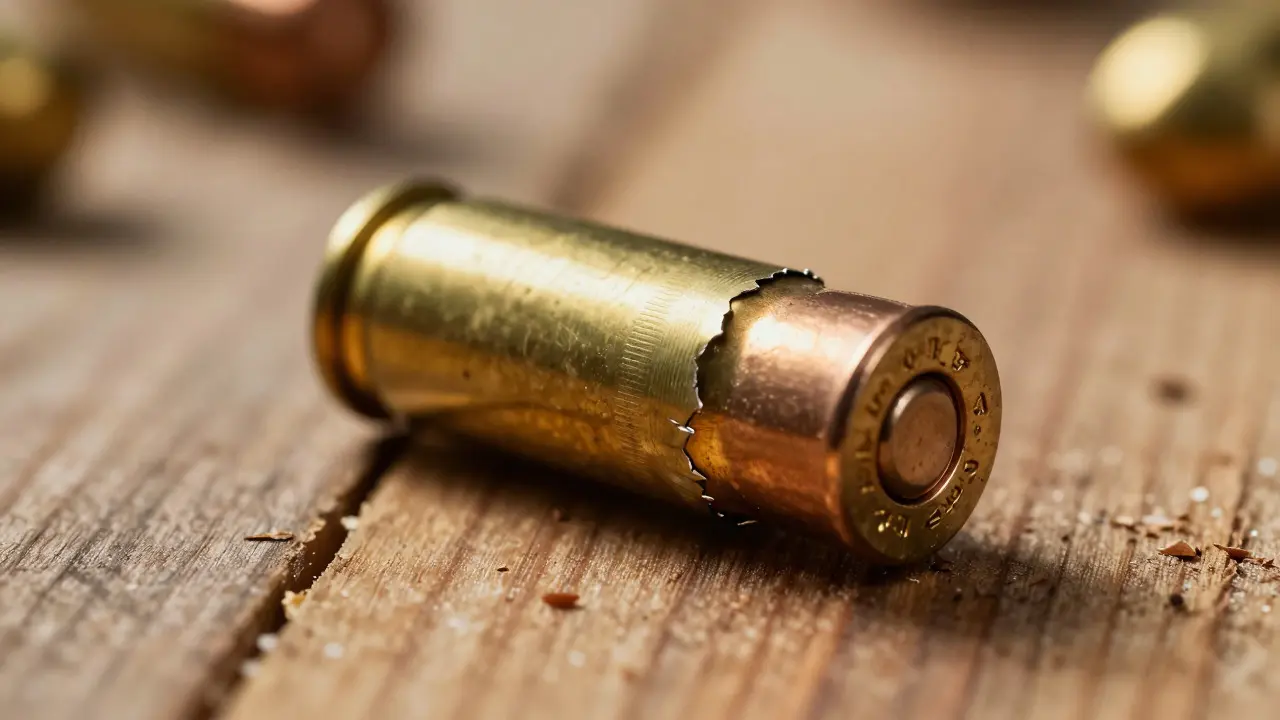
Imagine a crime scene where the only physical evidence linking a suspect to a victim is a single, mangled piece of lead. It’s crumpled like a foil wrapper, or it has a strange, angular twist that doesn’t match any standard mold. To the untrained eye, it looks useless. But in the world of forensic ballistics is the scientific study of projectiles in flight, at rest, and after impact, this damaged object is often the key to solving the case. The problem? Deformation and ricochets are major confounding factors is variables that distort the relationship between cause and effect in an investigation. They can erase the very tool marks needed for a positive identification, leading to false negatives or, worse, false positives if not handled correctly.
This isn't just about theory. Every year, hundreds of cases hinge on whether a fragment from a car door or a brick wall can be matched back to a specific firearm. Understanding how these two specific types of damage work-and how they differ-is critical for investigators, lab technicians, and legal teams. We need to look past the obvious "it's broken" conclusion and understand the physics behind the breakage.
The Physics of Deformation: When Bullets Hit Soft Targets
Most people assume bullets stay rigid until they hit something hard. In reality, bullet deformation is the change in shape of a projectile due to impact forces happens constantly, even in soft tissue. When a full metal jacket (FMJ) round hits bone, skin, or clothing, the kinetic energy transfers into the projectile. If the force exceeds the structural integrity of the casing or the core, the bullet mushrooms, tumbles, or fragments.
For forensics, the danger lies in the loss of striations. Tool marks-the microscopic scratches left by the rifling lands of the gun barrel-are usually located on the smooth surface of the bullet. If that surface crushes inward, those unique fingerprints vanish. A deformed bullet might still retain enough of its original geometry for a comparison, but as the deformation increases, the reliability of the match drops significantly. This is why examiners often rely on the base of the bullet or the ogive (the tip) if the mid-section is destroyed.
Consider a common scenario: a .45 caliber round hitting a wooden doorframe. The wood splinters, and the bullet flattens against the grain. The examiner pulls out a pancake-shaped slug. Can it be identified? Often, yes, because the base markings remain intact. But if the bullet hits a car bumper made of plastic and steel, it might shatter completely. Now you’re dealing with fragments, which is a whole different ballgame requiring statistical analysis rather than direct visual matching.
Ricochets: The Unpredictable Bounce
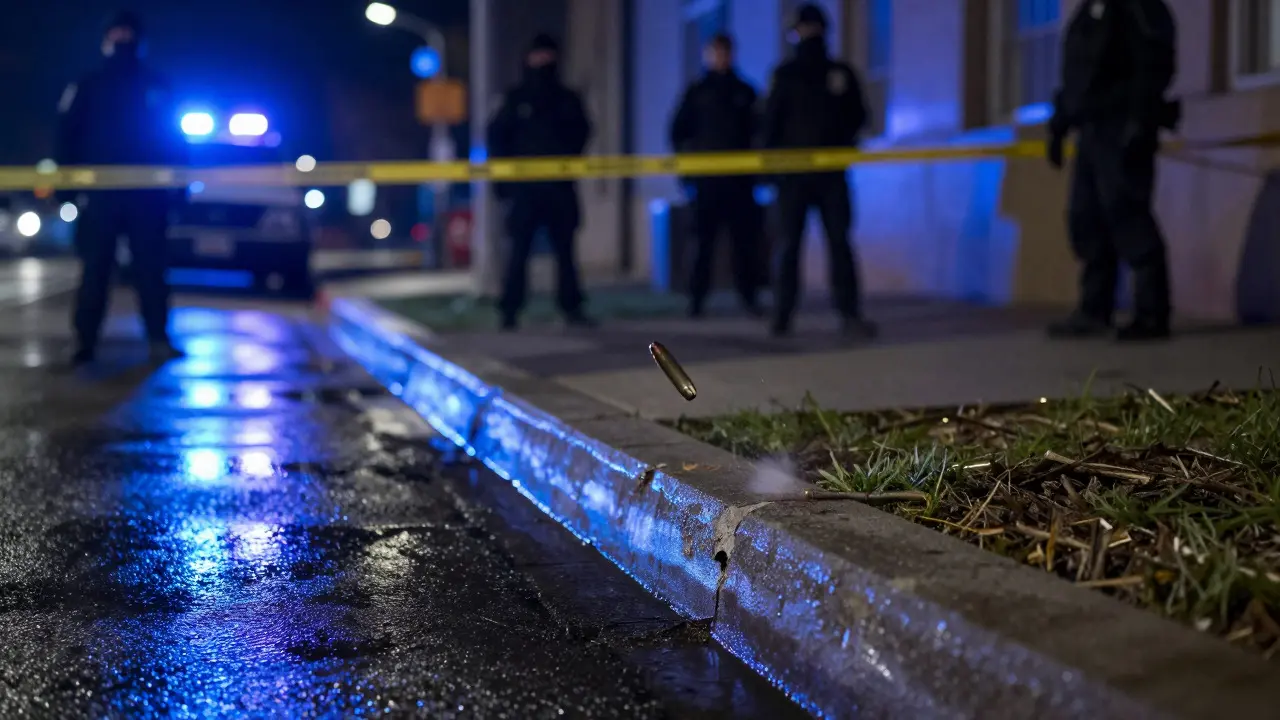
If deformation is about crushing, ricochet is about chaos. A ricochet is the deflection of a projectile off a surface without penetration occurs when a bullet strikes a surface at a shallow angle, typically less than 15 degrees relative to the surface plane. Unlike a direct hit, a ricochet doesn't just deform the bullet; it changes its trajectory entirely.
The forensic nightmare here is twofold. First, the bullet picks up new marks from the ricochet surface. If it bounces off a concrete curb, it might scrape off some of its original rifling marks and replace them with concrete abrasions. Second, the bullet tumbles violently. Tumbling destroys the alignment of the tool marks. A bullet that was spinning cleanly out of the barrel is now rotating erratically, smearing the evidence across its entire surface.
There’s also the issue of velocity loss. A ricochet can reduce a bullet’s speed by 30% to 50%, depending on the angle and material. This means the bullet might not penetrate deeply into the final target, leaving it lodged in a way that preserves more external detail than a high-velocity penetration would. However, that preserved detail is often distorted. Distinguishing between a mark caused by the gun barrel and a mark caused by the concrete bounce requires expert knowledge of surface hardness and angle of incidence.
Comparing the Two: Deformation vs. Ricochet Damage
To make sense of this, let’s look at how these two factors compare in a real-world investigative context. They affect the evidence differently, and knowing the difference helps determine what kind of analysis is feasible.
| Factor | Primary Cause | Effect on Tool Marks | Typical Recovery State | Forensic Challenge |
|---|---|---|---|---|
| Deformation | Direct impact with resistance | Crushes or obscures striations | Mushroomed, flattened, or fragmented | Loss of surface area for comparison |
| Ricochet | Shallow angle strike on hard surface | Scratches, abrades, and adds foreign marks | Tumbled, spun, with secondary surface damage | Distinguishing original marks from bounce marks |
| Combined Effect | Ricochet followed by penetration | Severe distortion and mixed marking patterns | Irregular shape, multiple damage zones | High risk of misidentification or inconclusive results |
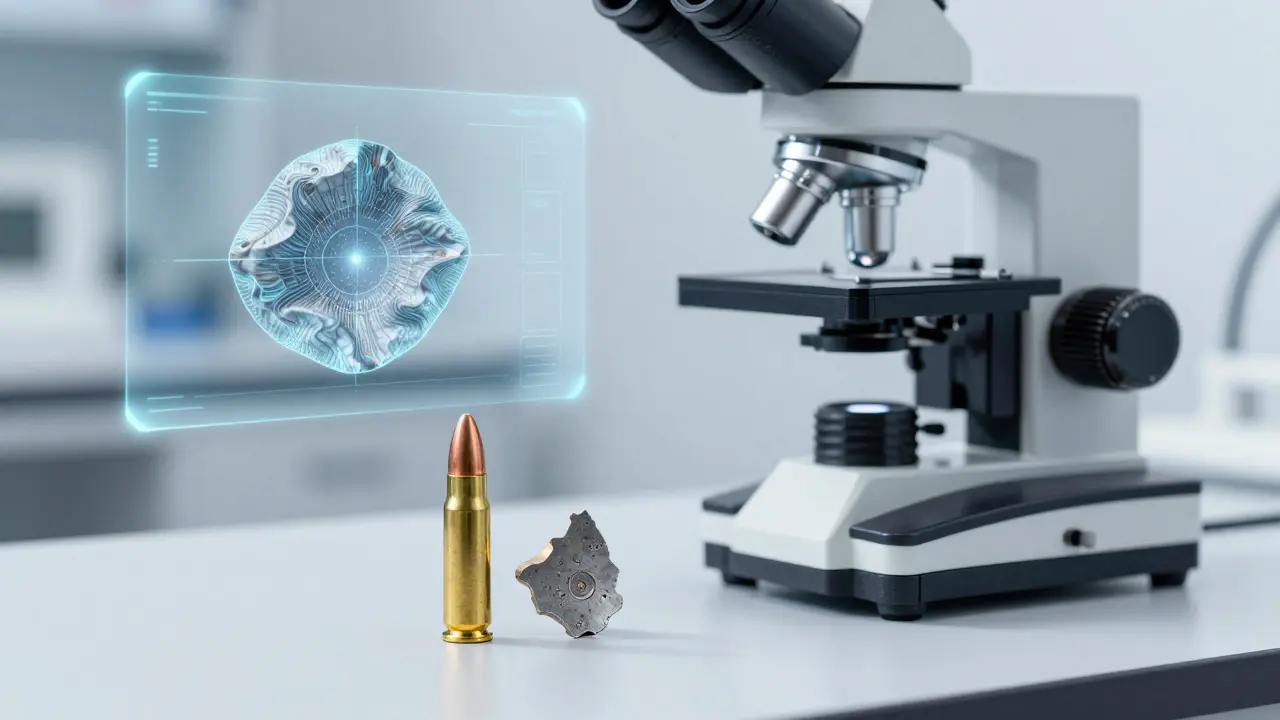
Notice the row for "Combined Effect." This is where most difficult cases live. A bullet ricochets off a sidewalk, tumbles, then hits a person. The resulting slug is a mess of concrete scratches and tissue-induced deformation. In these cases, examiners must isolate specific zones of the bullet that appear undamaged by either factor. This often requires 3D imaging technology to map the surface topography before making a decision.
How Examiners Handle the Mess
So, how do we get a verdict from a crumpled piece of metal? The process starts with documentation. Before touching the bullet, photographers capture high-resolution images from multiple angles. Then, the bullet is cleaned carefully-too much cleaning removes evidence, too little leaves debris that blocks the view of striations.
Next comes the comparison microscope. The examiner places the questioned bullet next to a test-fired bullet from a suspect weapon. They look for individual characteristics: unique scratches, pits, or wear patterns on the rifling lands. With a deformed bullet, they might focus on the base, which rarely deforms unless the cartridge case ruptures. With a ricocheted bullet, they look for areas where the rifling marks are continuous and unbroken by the bounce.
If the visual match is weak, they might use computer-assisted systems like IBIS (Integrated Ballistic Identification System). These databases store images of millions of bullets. While they aren't definitive proof on their own, they can narrow down the search field. For example, if a deformed bullet shares a rare manufacturing defect with a batch of ammunition fired from a specific type of gun, that narrows the suspects considerably.
Common Pitfalls and Mistakes
Even experienced professionals can trip up here. One common mistake is assuming that a deformed bullet is automatically "inconclusive." Sometimes, 80% of the bullet is crushed, but the remaining 20% contains enough unique features for a strong match. Conversely, another mistake is forcing a match on a ricocheted bullet where the marks are actually from the concrete, not the gun. This leads to wrongful accusations.
Another pitfall is ignoring the angle of impact. If you don't know the angle at which the bullet hit the wall, you can't accurately predict how it deformed. Using a ruler to measure the hole size doesn't account for the oblique entry, which creates an elliptical wound and asymmetric deformation. Modern software can model this, but it requires accurate scene data.
Best Practices for Field Investigators
Before the bullet ever reaches the lab, the field team sets the stage. Here are practical steps to preserve evidence quality:
- Document the Path: Use laser rangefinders and photogrammetry to map the likely trajectory. Knowing where the bullet bounced helps the lab understand the sequence of events.
- Collect All Fragments: Don't just grab the main slug. Collect every tiny piece of lead nearby. Even small fragments can contain unique tool marks.
- Note Surface Conditions: Describe the surfaces the bullet may have hit. Was it wet concrete? Dry wood? Metal? This context is vital for interpreting the damage.
- Avoid Contamination: Use nitrile gloves and tweezers. Oils from fingers can obscure microscopic details under the microscope.
By treating the bullet as a complex record of its journey, rather than just a piece of metal, you give the forensic examiner the best chance of extracting the truth from the chaos.
Can a fully deformed bullet still be identified?
Yes, but it is difficult. Examiners often rely on the base of the bullet or the ogive (tip), which may retain tool marks even if the mid-section is crushed. If no clear marks remain, the case may be deemed inconclusive for direct matching, though statistical analysis of fragments might still provide leads.
What is the maximum angle for a ricochet to occur?
Generally, a ricochet occurs when the angle of impact is less than 15 degrees relative to the surface. At steeper angles, the bullet is more likely to penetrate or deform significantly rather than bounce. However, surface hardness and bullet type play significant roles in this threshold.
Do ricochets always destroy tool marks?
Not always. While ricochets often add new scratches and cause tumbling, some areas of the bullet may escape significant damage. Experienced examiners can distinguish between original rifling marks and secondary abrasion marks based on depth, direction, and consistency.
How does bullet fragmentation affect identification?
Fragmentation makes direct one-to-one matching nearly impossible. Instead, examiners use statistical methods to analyze the distribution of fragments and compare their sizes and shapes to known behaviors of specific ammunition types. It shifts the focus from identifying a specific gun to identifying a specific type of weapon or ammunition.
What role does 3D imaging play in analyzing damaged bullets?
3D imaging allows non-contact measurement of the bullet's surface topography. It helps identify areas that are flat versus curved, revealing where tool marks might be hidden or distorted. This digital model can be rotated and analyzed from any angle, providing a clearer picture than traditional 2D photography.