Forensic science isn’t done in a vacuum. Whether you’re analyzing DNA in a lab, reconstructing car crashes, or examining forged documents, your work only matters if it’s grounded in solid science-and that means staying connected. The best forensic scientists aren’t just experts in their field; they’re part of a global network of professionals who share research, debate standards, and push the field forward. If you’re not actively networking, you’re missing out on job opportunities, mentorship, and the latest methods that could make your work more accurate-and more credible in court.
Why Networking Matters in Forensic Science
Unlike other fields where you might work alone for months, forensic science thrives on collaboration. A mistake in one lab can ripple across cases, jurisdictions, and even trials. That’s why standards matter-and standards don’t appear out of nowhere. They’re built by people talking to each other, sharing data, and agreeing on best practices. Joining a professional association isn’t just about getting a certificate or a free t-shirt. It’s about becoming part of the conversation that shapes how evidence is collected, analyzed, and presented.
Think about it: if you’re a trace evidence analyst and you hear about a new technique for lifting latent prints from wet surfaces at a conference, you can test it in your lab next week. If you’re stuck on a complex case and need a second opinion, you can reach out to someone in your association’s private forum. These aren’t hypothetical benefits. They happen every day in real labs across the country.
Global Leaders: International Associations
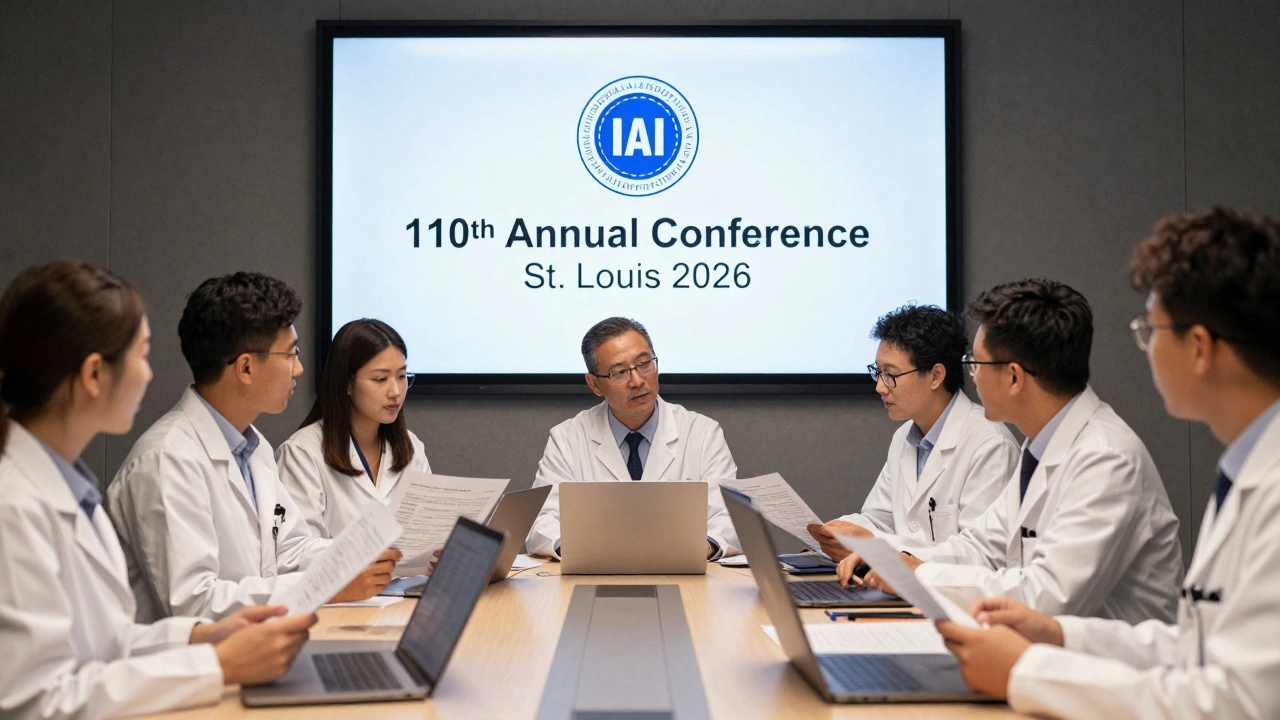
If you want to see the big picture, start with the global players. The International Association for Identification (IAI) is the oldest and largest forensic association in the world, founded in 1915, with over 7,000 members in 70 countries. Their annual conference-the 110th is scheduled for August 2026 in St. Louis-isn’t just a meeting. It’s the single biggest gathering of physical evidence experts on the planet. You’ll find fingerprint analysts, footwear impression specialists, and arson investigators all under one roof, sharing case studies and new technologies.
Then there’s the American Academy of Forensic Sciences (AAFS) is a multidisciplinary organization with over 6,500 members worldwide, divided into 12 sections covering everything from forensic pathology to digital forensics. The AAFS Annual Scientific Meeting is the largest forensic science event in the U.S., drawing researchers, practitioners, and educators from across the globe. If you’re serious about your career, attending this meeting at least once is non-negotiable.
For those focused on international standards, the European Network of Forensic Science Institutes (ENFSI) is a coalition of forensic institutes from over 30 countries, working to harmonize methods and share quality control protocols across borders. While it’s Europe-based, its influence reaches North America through collaborative research projects and joint training initiatives.
Regional Networks: Where the Real Connections Happen
While big conferences get the headlines, some of the most valuable networking happens closer to home. Regional associations are where you build long-term relationships-with colleagues who work the same types of cases, use the same equipment, and face the same budget constraints.
The California Association of Criminalists (CAC) is a powerhouse with over 500 members from state, local, and federal labs. Founded in 1954, it runs quarterly meetings, online forums, and an annual symposium that draws experts from across the West Coast. If you’re in California-or planning to move there-joining CAC is one of the smartest career moves you can make.
Other regional groups like the Mid-Atlantic Association of Forensic Scientists is and the Northeastern Association of Forensic Scientists (founded in 1975) regularly host workshops on emerging issues like synthetic drug analysis, digital evidence recovery, and court testimony skills. These aren’t flashy events, but they’re where you learn what’s actually working in the trenches-not just what’s trending in journal articles.
Specialized Groups: Find Your Niche
Not every forensic scientist needs to attend the same events. If you specialize in document examination, your best network isn’t the DNA analysts-it’s other document examiners. That’s where specialized associations shine.
The American Society of Questioned Document Examiners (ASQDE) is the oldest and most respected group for handwriting and document analysis professionals, founded in 1942. Its members include examiners from the FBI, Secret Service, and private labs worldwide. Their annual meeting includes live case reviews, where members present real documents and debate interpretations under peer scrutiny. It’s like a courtroom without the judge-just pure forensic debate.
For those in accident reconstruction, the National Association of Professional Accident Reconstruction Specialists is the go-to group for professionals who analyze vehicle crashes, skid marks, and impact dynamics. They offer certification pathways and access to proprietary software databases. If you’re working on a high-profile crash case and need to validate your methodology, this is where you’ll find the experts who’ve seen it all.
The Forensic Expert Witness Association (FEWA) is a unique group focused on helping forensic professionals navigate the legal system. They train members on how to testify effectively, handle cross-examination, and maintain credibility under pressure. Many forensic scientists are brilliant analysts-but struggle when asked to explain their work to a jury. FEWA fixes that.
Standards and Quality: The Hidden Network
Behind every reliable forensic result is a system of standards. And those standards? They’re built by associations working with NIST and the Organization of Scientific Area Committees for Forensic Science (OSAC). Nine major associations-including IAI, AAFS, and ASCLD-have formal roles on OSAC’s standards boards. That means when a new protocol for bloodstain pattern analysis is drafted, it’s reviewed by the very people who use it every day.
Membership in these associations gives you direct access to the standards development process. You can comment on draft documents, attend public meetings, and even volunteer to help test new methods. This isn’t just networking-it’s influence. And influence means your voice shapes how evidence is handled in courts nationwide.
Events to Mark on Your Calendar in 2026
Here’s a quick snapshot of key events coming up this year:
- August 10-15, 2026 - IAI 110th Annual Conference in St. Louis, Missouri. Focus: physical evidence, fingerprints, toolmarks, and footwear analysis
- February 14-19, 2026 - AAFS Annual Scientific Meeting in San Diego, California. Focus: multidisciplinary research, new technologies, and forensic education
- September 2026 - Chartered Society of Forensic Sciences Webinars on digital open source investigations and forensic entomology
- October 2026 - ASCLD Annual Conference on laboratory management, accreditation, and quality assurance
Many of these events offer student discounts, virtual attendance options, and even travel grants. Don’t assume you can’t afford it-ask. Most associations want you there.
How to Get Started
Don’t try to join everything at once. Start with one association that matches your specialty. If you work in a crime lab, join your regional group. If you’re a document examiner, go straight to ASQDE. If you’re early in your career, AAFS has scholarships and mentorship programs designed for students and new professionals.
Once you’re in, show up. Attend a webinar. Ask a question on the forum. Volunteer to help organize a local meeting. The more you engage, the more people will recognize your name-and the more doors will open.
Networking isn’t about collecting business cards. It’s about building relationships with people who understand your work. And in forensic science, that’s the only thing that makes your expertise truly valuable.
Do I need to join multiple forensic associations?
Not necessarily. Start with one that aligns with your discipline and career stage. For example, if you’re a DNA analyst in a state lab, joining your regional association and AAFS is usually enough. If you specialize in questioned documents, ASQDE is your priority. Over time, you can add others based on your interests and goals.
Are these associations only for U.S. professionals?
No. While many are based in the U.S., organizations like AAFS, IAI, ENFSI, and CSFS have international memberships. Forensic scientists from Canada, Australia, the UK, and beyond regularly attend U.S. conferences and participate in global standards projects. Membership is often open to anyone with a professional interest in forensic science.
Can students join forensic associations?
Yes. Most associations offer reduced membership rates for students, and some even provide free access to journals, webinars, and conference registration. AAFS and IAI both have student chapters and mentorship programs designed to help future forensic professionals build connections early.
What’s the difference between ASCLD and AFQAM?
ASCLD focuses on leadership and management for crime lab directors-think policy, funding, and operations. AFQAM is more specialized, targeting quality assurance managers who ensure labs meet accreditation standards like ISO 17025. If you’re in charge of lab compliance, AFQAM is your go-to group.
Are there virtual options for networking if I can’t travel?
Absolutely. The Chartered Society of Forensic Sciences, AAFS, and many regional groups now offer live-streamed webinars, online discussion forums, and virtual networking sessions. Some even provide on-demand access to past sessions. You don’t need to fly to St. Louis to learn from the experts-just log in.
Next Steps
Start today. Visit the website of one association that matches your field. Read their mission statement. Look at their upcoming events. Then send them an email or message asking how to join. You don’t need to be an expert to belong-you just need to show up.
Forensic science moves fast. The people who stay ahead aren’t the ones with the fanciest equipment-they’re the ones who talk to others, ask questions, and keep learning. Your next breakthrough might come from a conversation you have at a conference, a forum post, or a webinar you watch on a Tuesday night. Don’t wait to be invited. Be the one who shows up.