You find a body. No obvious trauma. No gunshot wounds, no stab marks, no signs of struggle. The scene looks peaceful, maybe too peaceful. But something feels off. Was it a heart attack? An overdose? Or did someone slip a dose of fentanyl into a drink that looked like water? This is where Forensic Toxicology steps in. It’s not just about finding drugs; it’s about translating chemical traces into legal and medical truth. If you’ve ever wondered how investigators determine if a person died from natural causes or foul play involving chemicals, this guide breaks down exactly how the science works, what they test for, and why the results can sometimes be confusing.
What Forensic Toxicology Actually Does
At its core, forensic toxicology is the application of toxicological principles to legal matters. While clinical toxicology focuses on treating living patients-getting them out of an emergency room alive-forensic toxicology often deals with the dead. The goal isn’t treatment; it’s reconstruction. We need to figure out what was in the body at the time of death and whether those substances contributed to the demise.
This field sits at the intersection of chemistry, pharmacology, and law. A forensic toxicologist doesn’t just hand over a list of chemicals found in a sample. They interpret data. For example, finding cocaine in a system doesn’t automatically mean overdose. People use cocaine recreationally without dying. Finding it in high concentrations, combined with specific metabolites and other factors, tells a different story. The job is to distinguish between therapeutic levels, recreational use, abuse, and lethal toxicity.
The Biological Matrix: Where Do They Look?
When a coroner orders a toxicology screen, the lab doesn’t just grab a vial of blood and call it a day. Different fluids and tissues tell different stories. Choosing the right matrix is critical because drugs distribute differently throughout the body after death.
Blood is the gold standard for determining impairment at the time of death. It reflects circulating levels of drugs and alcohol. However, blood is tricky. After death, bacteria in the gut can produce ethanol, creating false positives for alcohol. Also, some drugs undergo "postmortem redistribution," meaning their concentration in central blood vessels (like the heart) can rise significantly compared to peripheral blood (from the femoral vein). Smart labs always collect both central and peripheral blood samples to spot these discrepancies.
Urine is excellent for detecting past exposure. Drugs and their metabolites concentrate in urine, making it easier to detect substances that might have been cleared from the blood hours earlier. If you want to know if someone used opioids three days before dying, urine is your best bet. But it’s poor for determining acute impairment. You can’t say someone was "high" based solely on a urine test.
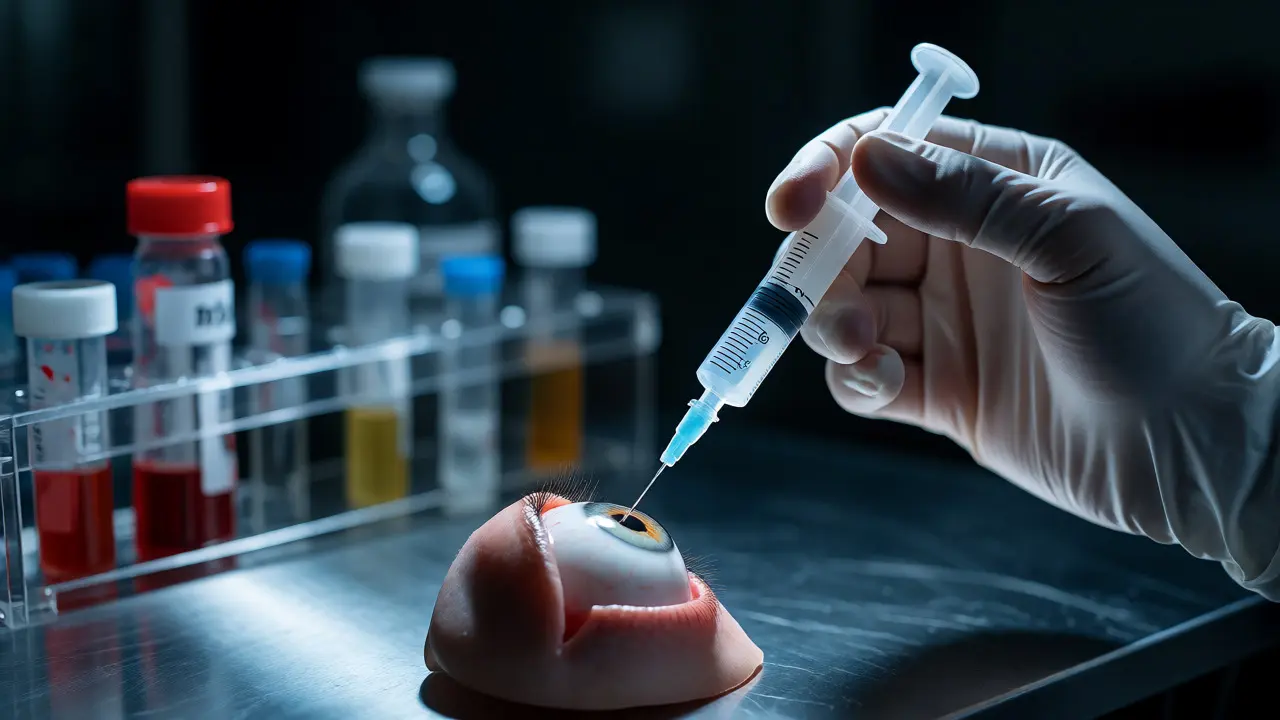
Vitreous Humor, the gel-like fluid inside the eye, is surprisingly stable. Because the eye is sealed off from the rest of the body, vitreous humor resists bacterial contamination better than blood. This makes it ideal for measuring electrolytes and glucose levels, which can help diagnose conditions like diabetic ketoacidosis or dehydration as contributing factors to death.
Hair offers a historical record. As hair grows, it traps drugs and their metabolites in the keratin structure. A segment of hair can reveal drug use over months. This is invaluable when trying to establish a pattern of chronic abuse versus a single accidental ingestion. However, external contamination (like smoke or sweat) can skew results, so labs must wash samples rigorously.
How the Science Works: From Sample to Signal
Once the samples arrive at the lab, they don’t just look pretty under a microscope. They go through rigorous chemical processing. The process generally follows two stages: screening and confirmation.
Screening Tests are fast but prone to errors. Immunoassays are common here. These tests use antibodies that bind to specific drug molecules. If the antibody binds, it triggers a color change or fluorescence. It’s quick and cheap, perfect for ruling out large groups of people. But immunoassays aren’t perfect. Cross-reactivity happens. Sometimes, a non-drug molecule looks similar enough to the target drug that the test flags it as positive. Think of it like a metal detector going off because of a belt buckle instead of a gun.
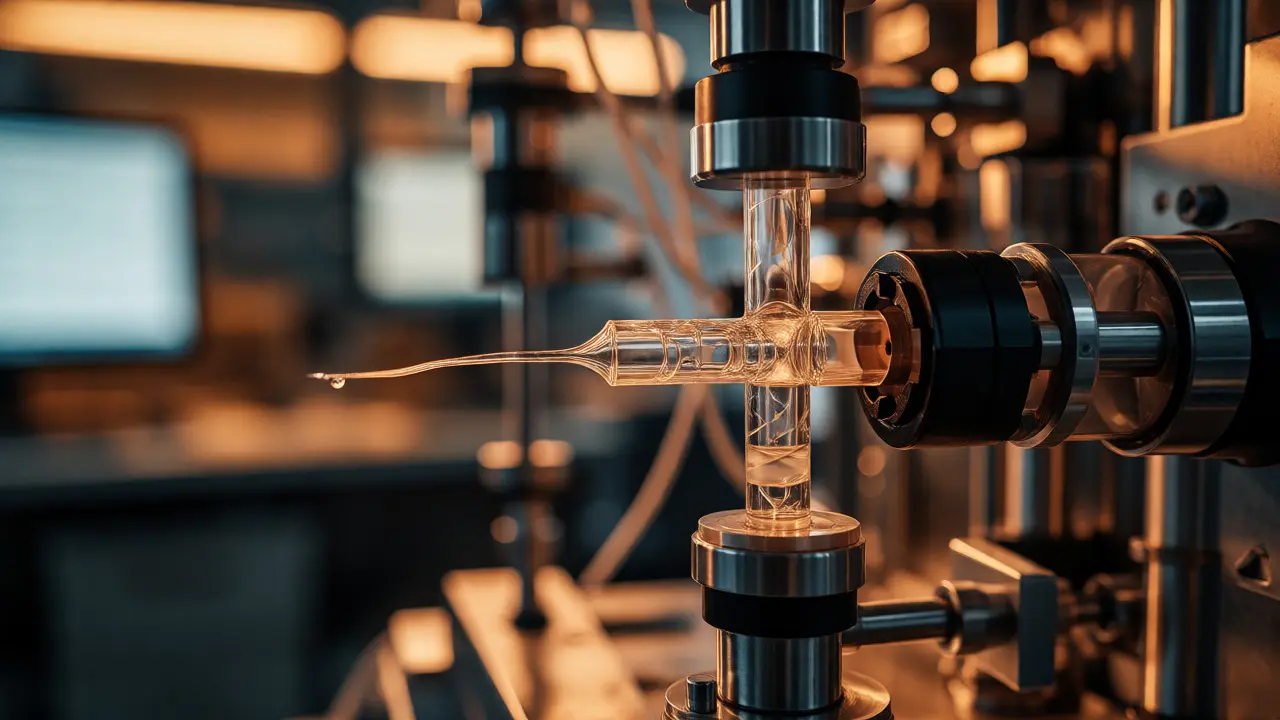
If a screening test comes back positive, the sample moves to Confirmatory Testing. This is where the heavy machinery comes in. The most common method is Gas Chromatography-Mass Spectrometry (GC-MS) or Liquid Chromatography-Tandem Mass Spectrometry (LC-MS/MS).
Here’s how GC-MS works in plain English: First, the sample is vaporized. Then, it’s pushed through a long, thin column heated to specific temperatures. Different chemicals travel through the column at different speeds based on their size and polarity. This separates the mixture into individual components. As each component exits the column, it enters the mass spectrometer. The machine blasts the molecules with electrons, breaking them into fragments. These fragments create a unique fingerprint pattern. By comparing this pattern against a library of known standards, the lab can identify the exact substance and measure its quantity with extreme precision.
| Matrix | Best Used For | Limitations | Stability |
|---|---|---|---|
| Blood (Peripheral) | Determining impairment at time of death | Susceptible to postmortem changes and bacterial fermentation | Moderate |
| Urine | Detecting recent past use (hours to days) | Does not reflect current impairment; dilution issues | High |
| Vitreous Humor | Electrolytes, glucose, stable drug levels | Limited volume; difficult to collect in decomposed bodies | Very High |
| Hair | Chronic use history (months) | External contamination risk; slow growth rate | Very High |
| Tissue (Liver/Kidney) | Long-term storage of lipophilic drugs | Hard to correlate with blood levels; requires autopsy | High |
The Challenge of Postmortem Redistribution
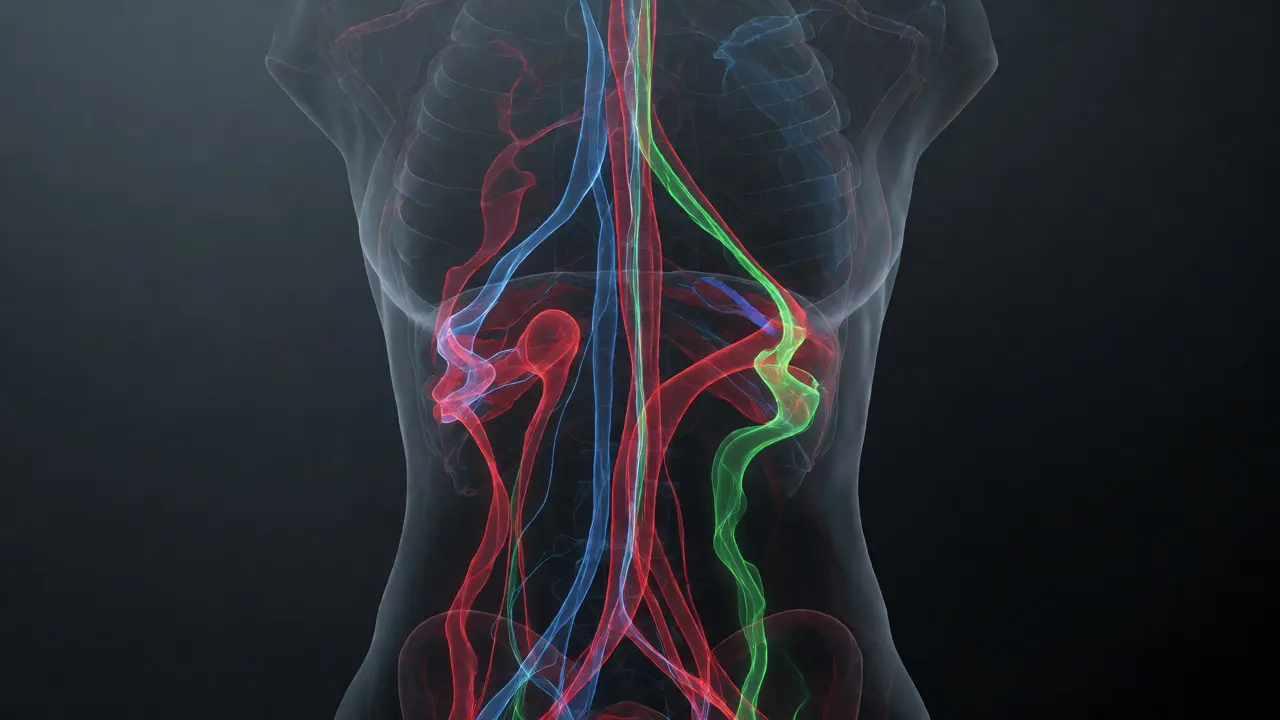
If there’s one concept that trips up students and even some lawyers, it’s postmortem redistribution (PMR). When a person dies, circulation stops. Cells break down. Membranes lose their integrity. Drugs that were stored in fatty tissues or organs can leak back into the bloodstream. This means the concentration of a drug in blood taken from the heart might be twice as high as it was when the person was alive.
Fentanyl is notorious for this. It’s highly lipophilic (fat-loving), meaning it hides in fat tissue. After death, it migrates into the blood. If a pathologist only takes a heart blood sample, they might conclude the victim had a massive overdose. But if they compare it to femoral blood, the level might be much lower, suggesting the death was due to another cause, or that the PMR effect exaggerated the numbers. Good toxicologists know which drugs have high PMR potential and adjust their interpretation accordingly. They rely on reference ranges specifically developed for postmortem cases, not just clinical ones.
Common Substances and Their Markers
Not all drugs behave the same way. Here’s a quick look at some frequent offenders and what toxicologists look for:
- Ethanol (Alcohol): Measured in grams per deciliter (g/dL). Levels above 0.08 are legally impaired in many places, but tolerance varies wildly. Chronic alcoholics can function at 0.30 g/dL, while novices might black out at 0.15. Toxicologists also check for methanol or ethylene glycol (antifreeze) if the history suggests ingestion of non-beverage alcohols.
- Opioids: This includes heroin, morphine, oxycodone, and fentanyl. Labs look for parent compounds and metabolites. For heroin, they look for 6-monoacetylmorphine (6-MAM), which is unique to heroin metabolism. Fentanyl analogs are particularly dangerous because they are potent in microgram quantities, requiring sensitive LC-MS/MS equipment to detect.
- Cocaine: Cocaine itself has a short half-life. It quickly breaks down into benzoylecgonine. Benzoylecgonine stays in the system longer, so it’s the primary marker for detection. However, high levels of cocaine in blood suggest recent use, possibly within minutes to hours of death.
- Benzodiazepines: Drugs like Xanax, Valium, and Ativan. These are common in polydrug overdoses. They depress the respiratory system, especially when mixed with opioids or alcohol. Toxicologists must differentiate between prescribed therapeutic levels and supratherapeutic doses.
- New Psychoactive Substances (NPS): Also known as "designer drugs." These are synthetic cannabinoids, cathinones (bath salts), and novel opioids. Because they are constantly changing chemically, they often don’t show up on standard immunoassay screens. They require targeted testing using high-resolution mass spectrometry.
Interpreting Results: Context Is King
A number on a lab report is meaningless without context. A toxicologist acts as a detective, piecing together clues. Let’s say a case involves a 40-year-old male found unresponsive in his apartment. The toxicology report shows: * Ethanol: 0.15 g/dL * Morphine: 0.2 mg/L * Diazepam: 0.5 mg/L
Is this fatal? Maybe, maybe not. The toxicologist looks at the autopsy findings. Did the lungs show pulmonary edema (fluid buildup)? That’s consistent with opioid overdose. Did the stomach contain undigested pills? That suggests rapid ingestion. What was the victim’s tolerance? Did he have prescriptions for morphine and diazepam? If yes, he might have tolerated those levels. If he was opioid-naive, those levels could be lethal. The final opinion combines the chemical data with the anatomical findings and the investigative background.
Another critical factor is co-ingestion. Alcohol potentiates the effects of benzodiazepines and opioids. A "therapeutic" dose of painkillers can kill someone who has also consumed several beers. Toxicologists assess synergistic effects, not just additive ones.
Quality Control and Legal Standards
In court, a toxicology report can make or break a case. Therefore, labs adhere to strict quality control measures. Every batch of tests includes blanks (samples with no drugs) and controls (samples with known amounts of drugs). If the control fails, the whole batch is rejected.
Chain of custody is equally vital. From the moment the blood tube is labeled at the morgue to the moment the analyst pipettes it, every transfer must be documented. If the chain is broken, defense attorneys will argue contamination or tampering. In Portland, as elsewhere, jurisdictions follow guidelines set by organizations like the American Academy of Forensic Sciences (AAFS) and the Society of Forensic Toxicologists (SOFT). These bodies publish recommended practices for sampling, storage, and analysis to ensure reliability.
Future Trends in Forensic Toxicology
The field is evolving rapidly. One major trend is the shift toward LC-MS/MS as the primary screening tool, replacing older immunoassays. It’s more expensive and slower, but it catches more drugs, including NPS, in a single run.
Another development is point-of-care testing. Portable devices are being developed that can give preliminary results at the crime scene. While not yet accurate enough for court, they help first responders prioritize cases. Additionally, research into biomarkers for chronic stress or long-term substance abuse via epigenetic markers in hair is gaining traction. This could allow investigators to see not just what was taken, but how the body reacted physiologically over time.
Key Takeaways
- Context Matters: A positive drug test doesn’t equal overdose. Tolerance, timing, and autopsy findings are crucial.
- Sample Choice is Critical: Peripheral blood is preferred over heart blood to avoid postmortem redistribution errors.
- Confirmation is Mandatory: Screening tests are presumptive; only chromatography-mass spectrometry provides definitive identification.
- Polydrug Use is Common: Most fatalities involve multiple substances interacting synergistically.
- New Drugs Pose Challenges: Synthetic opioids and cannabinoids require advanced analytical techniques to detect.
Can you still detect drugs in a body that has been decomposed?
Yes, though it becomes more challenging. Some drugs, like cocaine and certain opioids, are relatively stable. However, others degrade quickly. In advanced decomposition, labs may rely on alternative matrices like bone marrow or muscle tissue, which can preserve drugs longer than blood. Hair remains a viable option for detecting chronic use patterns, provided the hair follicles are intact.
Why do toxicology results take so long?
Proper forensic toxicology involves multiple steps: extraction, purification, screening, and confirmation. Each step requires precise instrumentation and quality control checks. Confirmatory testing using GC-MS or LC-MS/MS is time-consuming because it separates complex mixtures. Additionally, labs often face backlogs due to high caseloads. Rushing the process risks inaccurate results, which can have serious legal consequences.
Does a negative toxicology result mean the person wasn't taking drugs?
Not necessarily. It depends on the timing of the last dose and the sensitivity of the test. Some drugs clear the blood very quickly. If the person took a drug shortly before death, it might not have distributed fully into the blood yet. Conversely, if they stopped taking a drug days prior, it might be gone from the blood but still present in urine or hair. Always consider the full clinical and investigative picture.
What is the difference between forensic and clinical toxicology?
Clinical toxicology focuses on treating living patients to save lives, emphasizing rapid turnaround times for immediate medical decisions. Forensic toxicology focuses on legal questions regarding the deceased or impaired individuals, emphasizing accuracy, documentation, and admissibility in court. Forensic labs typically perform more extensive confirmatory testing and adhere to stricter chain-of-custody protocols.
Can prescription medications cause a positive drug test?
Yes. Many prescription medications are chemically identical or similar to illicit drugs. For example, codeine is an opioid, and legitimate prescriptions for it will test positive for opiates. Benzodiazepines like alprazolam are commonly prescribed and will appear on toxicology screens. The key distinction in forensic cases is often the level of the drug and the presence of specific metabolites that indicate abuse rather than therapeutic use.