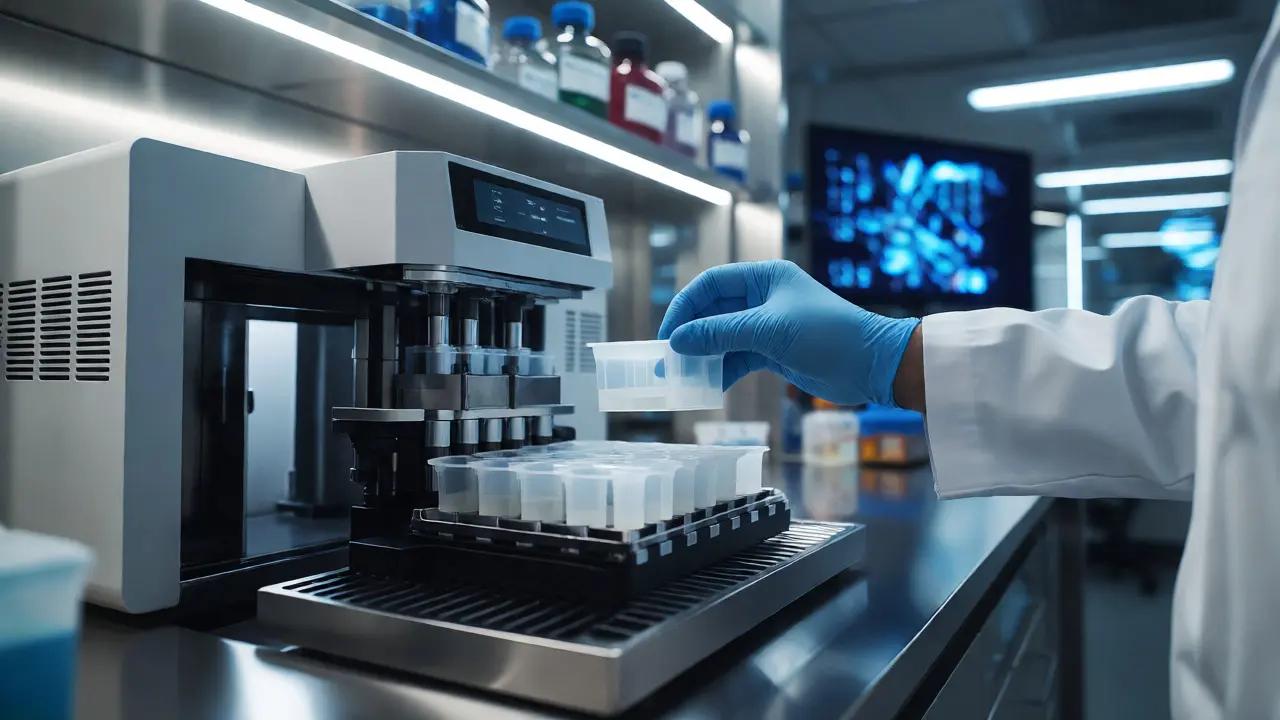
You walk into a crime scene or an emergency room, and the question isn't just "who did it?" but "what was in their system?" Toxicology screening is the critical first step in answering that. It’s not about finding every single molecule; it’s about casting a wide net to catch the most likely suspects-drugs of abuse, poisons, and metabolic byproducts. But here’s the catch: a positive screen doesn’t mean you’ve got your smoking gun. It means you have a lead. Understanding what these tests actually detect-and where they fail-is the difference between a solid case and a courtroom disaster.
The Two-Tier Approach: Why We Don’t Start with Precision
Think of toxicology like airport security. You don’t open every suitcase at the gate. You run them through an X-ray machine (the screen) first. If something looks suspicious, you pull it aside for a manual inspection (the confirmation test). In the lab, this two-tier system is non-negotiable. The goal of the initial screen is speed and sensitivity. We want to catch as many potential positives as possible, even if it means some false alarms. Confirmation tests are slower and more expensive, so we only use them when necessary.
This approach saves time and resources. Imagine running a high-resolution mass spectrometer on every single urine sample from a DUI stop. It would bankrupt the lab before lunch. Instead, we use immunoassays-tests that rely on antibodies binding to specific drug molecules-to flag samples that need a closer look. This workflow ensures that when we do spend the big bucks on confirmation, we’re looking at a sample that has a high probability of containing the substance in question.
Immunoassays: The Workhorse of Initial Detection
Immunoassays are the backbone of modern drug screening. These tests exploit the body’s immune response logic. Antibodies are designed to latch onto specific shapes, like a key fitting into a lock. When a drug molecule enters the mix, it competes with a labeled version of itself for those antibody spots. The result changes color or fluorescence, giving us a quick yes-or-no answer.
Most standard panels cover the "big five": opioids, amphetamines, cannabinoids (THC), cocaine metabolites, and PCP. But technology evolves. Newer synthetic cannabinoids, often sold as "spice" or "K2," can slip past older assays because their chemical structures differ slightly from natural THC. Similarly, synthetic cathinones (bath salts) are notorious for causing false negatives in basic screens. If you’re relying on a cheap dipstick for a complex overdose case, you might miss the real culprit entirely.
| Drug Class | Typical Cut-Off | Detection Window (Urine) | Common Interferences |
|---|---|---|---|
| Opiates | 300 | 1-3 days | Poppy seeds, cough syrup |
| Amphetamines | 500 | 2-4 days | Decongestants, ADHD meds |
| Cannabinoids | 50 | 3-30+ days | Lipid-rich foods, NSAIDs |
| Cocaine | 150 | 2-4 days | Rare, mostly local anesthetics |
| PCP | 25 | 7-14 days | Dextromethorphan, Venlafaxine |
Beyond Urine: Choosing the Right Matrix
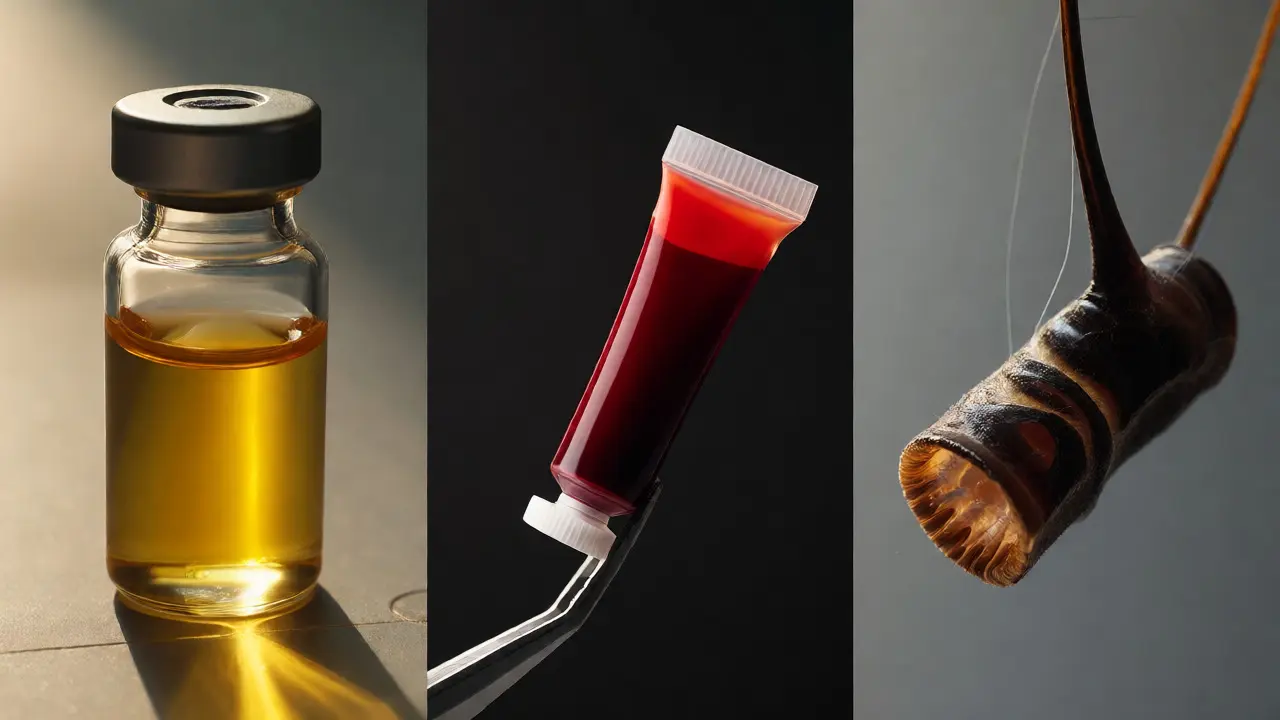
Urine is popular because it’s easy to collect and drugs stay there longer. But it’s not always the best choice. Urine tells you someone used a drug recently, but it doesn’t tell you if they were impaired *at the moment of the incident*. For acute impairment, especially in traffic accidents or workplace injuries, blood is king. Blood reflects current physiological levels, making it far more relevant for determining intoxication.
Then there’s hair. Hair analysis offers a long-term history, detecting drug use over months rather than days. As hair grows, it traps drug metabolites in its keratin structure. A segment of hair near the scalp represents recent use, while segments further down represent earlier periods. However, external contamination is a huge issue. If someone smokes weed and sits in a cloud of smoke, their hair might test positive without them ever inhaling significantly. Labs use wash procedures to mitigate this, but it remains a point of contention in legal defenses.
Oral fluid (saliva) is gaining traction for roadside testing. It’s non-invasive and correlates well with blood levels for certain drugs like THC and alcohol. The downside? The detection window is short-usually just 24 to 48 hours. If the person stopped drinking yesterday, saliva might be clean even if they were intoxicated during the crash.
Confirmation Testing: Where the Truth Lies
If the screen is positive, we move to confirmation. This is where we leave the world of approximate guesses and enter the realm of definitive identification. The gold standard here is Gas Chromatography-Mass Spectrometry (GC-MS). This technique separates compounds based on how they travel through a column (chromatography) and then identifies them by breaking them into fragments and measuring their mass-to-charge ratio (mass spectrometry).
Why is GC-MS so trusted? Because it provides a unique "fingerprint" for each molecule. No two distinct compounds produce the exact same fragmentation pattern under standard conditions. This specificity eliminates the cross-reactivity issues that plague immunoassays. If GC-MS says it’s morphine, it’s morphine. There’s no ambiguity.
For newer psychoactive substances (NPS), which change chemically almost monthly, LC-MS/MS (Liquid Chromatography-Tandem Mass Spectrometry) is becoming preferred. It handles thermally unstable compounds better than GC-MS and requires less sample preparation. While GC-MS remains dominant for traditional drugs, labs dealing with designer drugs are increasingly shifting toward LC-based platforms to keep up with the evolving landscape of illicit chemistry.
Pitfalls and False Positives
Never trust a screen alone. I’ve seen cases fall apart because investigators ignored the possibility of false positives. Over-the-counter medications are common culprits. Ibuprofen can sometimes trigger a positive barbiturate screen. Pseudoephedrine, found in cold medicines, can mimic amphetamines. Even poppy seeds, if consumed in large quantities, can push opiate levels above the cut-off threshold.
Conversely, false negatives happen too. Diluted urine is a classic trick. Someone drinks a gallon of water before the test, lowering the concentration of metabolites below the detection limit. Labs check creatinine and specific gravity to spot dilution, but sophisticated users know exactly how much to drink to pass without raising suspicion. Another trap is low-level chronic use. Heavy marijuana users might have high baseline levels, but occasional users might fall below the cut-off despite being impaired. Context matters more than the raw number.
Interpreting Results in Context
A toxicology report is useless without context. A positive benzodiazepine screen could mean illegal abuse, prescribed anxiety medication, or even hospital administration of sedatives after an accident. Correlating toxicology findings with medical records, witness statements, and scene evidence is crucial. Did the person have a prescription? Was the pill bottle found at the scene?
Also, consider pharmacokinetics. Some drugs have active metabolites that last longer than the parent compound. Codeine converts to morphine. Heroin breaks down into 6-acetylmorphine and then morphine. Finding 6-AM in urine is specific to heroin use; finding only morphine could mean codeine, heroin, or prescribed morphine. Without knowing the timeline and dosage, pinpointing the exact source becomes guesswork.
How long does toxicology screening take?
Initial immunoassay screens can provide results in minutes to a few hours, depending on the method (point-of-care vs. laboratory automated systems). Confirmation testing via GC-MS or LC-MS/MS typically takes 24 to 72 hours due to the complexity of sample preparation and instrument run times.
Can you beat a drug test by drinking water?
Yes, excessive water intake can dilute urine, potentially lowering drug concentrations below the cutoff level. However, laboratories monitor specific gravity and creatinine levels to identify diluted samples. If a sample is deemed too dilute, it may be rejected or require re-collection, preventing a simple 'pass'.
What is the difference between screening and confirmation?
Screening tests (like immunoassays) are fast and sensitive but prone to false positives due to cross-reactivity with similar molecules. Confirmation tests (like GC-MS) are highly specific and accurate, identifying the exact molecular structure. A positive screen must always be confirmed before it is considered legally conclusive.
Does hair testing detect alcohol?
Standard hair drug tests do not detect alcohol directly. However, specialized hair tests can measure ethyl glucuronide (EtG), a direct metabolite of ethanol, which indicates chronic heavy alcohol consumption over weeks or months. Standard drug panels usually exclude EtG unless specifically requested.
Are false positives common in toxicology?
False positives are relatively common in initial screening tests due to cross-reactivity with over-the-counter medications, foods (like poppy seeds), and supplements. This is why confirmation testing is mandatory in forensic and employment settings. True false positives in confirmed results are rare and usually attributed to sample handling errors or extreme outliers.