Tag: forensic toxicology - Page 3
Opioid Analog Detection: Carfentanil and Emerging Threats in Forensic Toxicology
- By : Ian Brophy
- Date : Aug 16 2026
Explore the challenges of detecting carfentanil and emerging opioid analogs. Learn why LC-MS/MS is the gold standard and how labs stay ahead of synthetic threats.

Blood vs. Urine Testing: Choosing the Right Sample Type in Forensic Toxicology
- By : Ian Brophy
- Date : Aug 16 2026
Learn how to choose between blood and urine samples in forensic toxicology. We compare detection windows, legal implications, and practical collection methods to help you select the right evidence for your case.

Forensic Toxicology Guide: Identifying Methanol, Ethylene Glycol, and Isopropanol
- By : Ian Brophy
- Date : Aug 16 2026
Learn how forensic toxicologists identify and analyze methanol, ethylene glycol, and isopropanol. Discover the metabolic pathways, lab techniques, and clinical signs that differentiate these toxic alcohols from ethanol.

Immunoassay Screening for Initial Drug Detection in Forensic Toxicology
- By : Ian Brophy
- Date : Aug 16 2026
Learn how immunoassay screening works for initial drug detection in forensic toxicology. Understand the limits of rapid tests, common false positives, and why confirmatory testing is essential for accurate legal and medical outcomes.

Cutting Agent Profiling: Levamisole, Lidocaine, and Modern Drug Analysis
- By : Ian Brophy
- Date : Aug 16 2026
Discover how forensic scientists profile cutting agents like levamisole and lidocaine to trace drug sources and assess health risks.

Matrix Effects in Toxicology: Overcoming Ion Suppression in LC-MS/MS
- By : Ian Brophy
- Date : May 17 2026
Explore the causes and solutions for ion suppression in LC-MS/MS toxicology. Learn how matrix effects impact accuracy and strategies like SPE, chromatography optimization, and internal standards to overcome them.

Confirmatory Testing: The Definitive Guide to Drug Identification
- By : Ian Brophy
- Date : May 13 2026
Discover how confirmatory testing provides definitive drug identification using advanced methods like LC-MS/MS and GC-MS, ensuring accuracy and legal defensibility in forensic and workplace settings.
Toxicology Results: Legal Interpretation Standards
- By : Ian Brophy
- Date : May 11 2026
Understanding legal interpretation standards for toxicology results is crucial for evidence law. This guide covers admissibility hurdles, defense challenges, and state-specific variations.
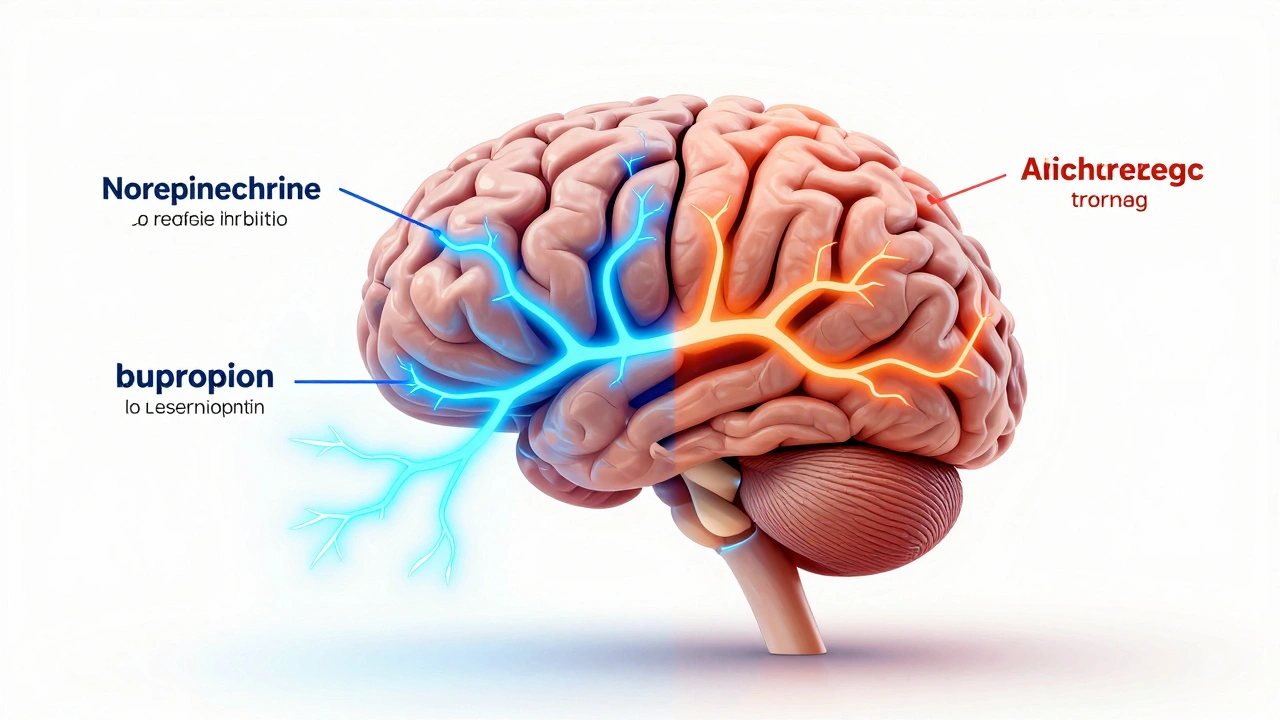
Bupropion vs. Tricyclic Antidepressants: Interpreting Seizure Risk in Forensic Toxicology
- By : Ian Brophy
- Date : May 9 2026
Explore the comparative seizure risks of bupropion and tricyclic antidepressants. Learn how dose, formulation, and patient history impact forensic toxicology interpretations.

Toxicology in Homicide Cases: Proving Poisoning
- By : Ian Brophy
- Date : May 4 2026
Discover how forensic toxicology proves poisoning in homicide cases through specimen collection, advanced lab testing, and expert interpretation.

Solving Toxicology Backlogs: Prioritization and Turnaround Strategies
- By : Ian Brophy
- Date : Apr 26 2026
Learn how forensic labs can eliminate toxicology backlogs using parallel workflows, tiered prioritization, high-throughput tech, and strategic LIMS upgrades.

Toxicology Quality Control: A Guide to Proficiency Testing and Calibration
- By : Ian Brophy
- Date : Apr 24 2026
Learn how forensic labs ensure accurate results through proficiency testing and calibration, following ISO/IEC 17025 and AAFS standards to maintain legal integrity.