When a toxicology report is introduced in court, it is not just a list of numbers. It is a bridge between raw scientific data and a legal verdict. But that bridge is fragile. If the interpretation fails to meet strict legal interpretation standards, the evidence can collapse under cross-examination, leaving prosecutors without proof or defense attorneys with a winning argument.
The core problem isn't usually whether the drug was present. The problem is what that presence means at the exact moment the incident occurred. A positive test for marijuana does not automatically mean impairment. A high blood alcohol level recorded three hours after a crash doesn't prove intoxication at the time of driving. This gap between detection and implication is where the law lives.
The Science Behind the Legal Standard
To understand why courts are so cautious, you have to look at how the science works. Forensic toxicology is defined as the application of toxicology to cases where adverse effects have administrative or medicolegal consequences. It is not just about finding substances; it is about understanding their impact on human performance.
The American Academy of Forensic Sciences (AAFS) has established the authoritative Standard for Report Content in Forensic Toxicology. This standard dictates how results must be reported across subdisciplines like human performance toxicology (DUI cases), postmortem analysis, and court-ordered testing. Crucially, these standards exclude breath alcohol testing, which operates under its own regulatory framework. For all other substances, the NIH and PubMed-backed guidelines state a hard rule: no conclusions about presence, concentration, or physiologic effects can be made if basic quality standards are not met.
This creates a binary outcome for lawyers. Either the lab followed the accepted community standards, or the result is legally inadmissible. There is no middle ground for "close enough."
Three Hurdles for Admissibility
Before a judge allows a toxicology report to be seen by a jury, it must clear specific legal hurdles. Attorney Brandon J. Broderick, who specializes in toxicology litigation, outlines three non-negotiable requirements:
- Chain of Custody: You need meticulous documentation showing exactly who handled the sample, when, and how it was stored. Any break in this chain suggests potential tampering or contamination, rendering the evidence unreliable.
- Qualified Interpretation: Raw data cannot speak for itself. A medical or scientific expert must explain the results. Courts reject uninterpreted numbers because laypeople-and even jurors-cannot distinguish between recent use and residual traces from weeks ago.
- Relevance and Reliability: The testing method must be scientifically sound, and the results must directly tie to the issue of liability. If the test method is questionable or the link to the incident is weak, the Federal Judicial Center’s Reference Guide on Toxicology notes that courts will exclude the evidence.
The Daubert standard often governs this admissibility in federal courts, requiring judges to act as gatekeepers. They assess whether the methodology is reliable and whether the expert is qualified. If the toxicologist cannot extrapolate the analytical conditions to the specific legal question, the evidence stays out.
How Defense Attorneys Challenge Results
If you are defending against toxicology evidence, you don't need to prove the test was wrong. You just need to create reasonable doubt about its meaning. Defense strategies typically attack three areas:
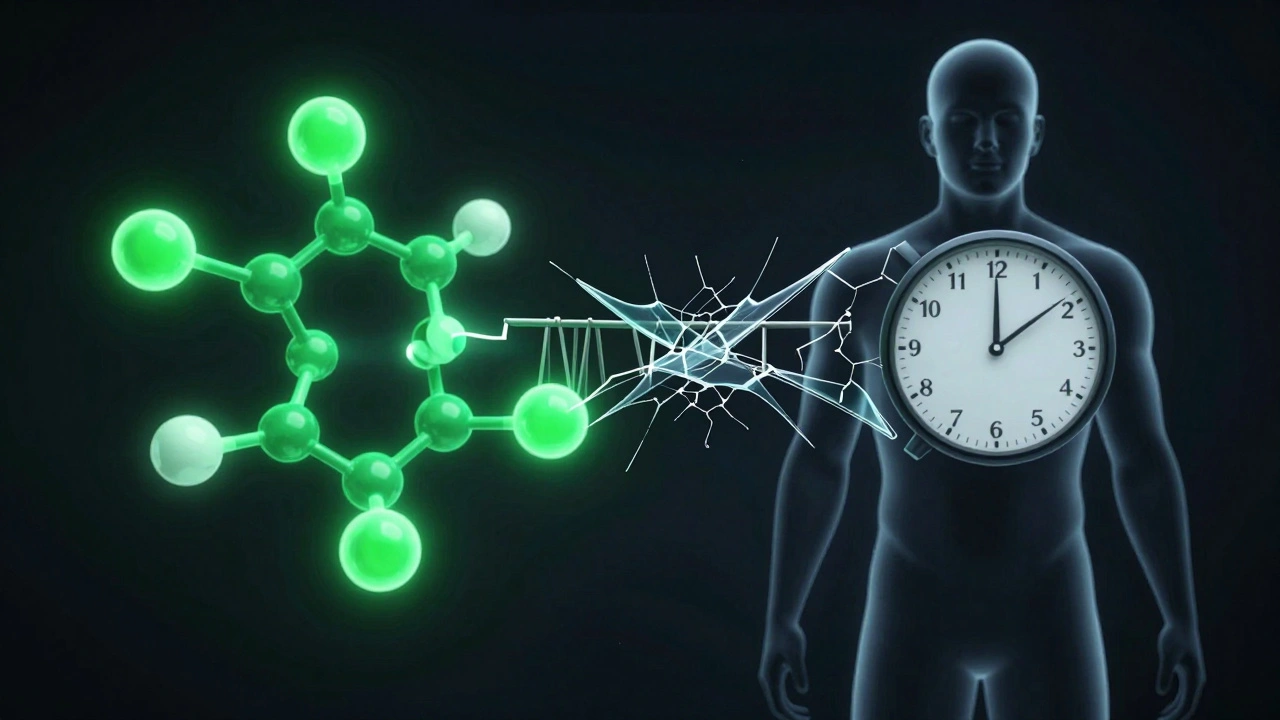
- Timing Issues: This is the most common challenge. Did the substance exist in the body at the time of the incident? Metabolism rates vary wildly between individuals. A person might test positive for a drug days after last using it, long after any impairment had faded.
- Dosage Interpretation: Just because a drug is present doesn't mean the concentration was high enough to cause impairment. Some people have high tolerance levels or unique metabolic profiles. The defense argues that the detected amount could not have produced the alleged effects.
- Laboratory Error: This involves attacking the lab's quality assurance procedures. Was there cross-contamination? Were the instruments calibrated correctly? Did the technician follow protocol? Even small procedural errors can invalidate an entire case.
The key legal distinction here is simple: showing a substance was present is not enough. The prosecution must affirmatively connect that presence to impairment or negligence at the specific time of the incident. Without that link, the science remains abstract.
State-by-State Variations in Law
You cannot apply a single interpretation standard across the United States. State laws differ significantly in how they treat toxicology results. These variations affect legal limits, presumptions, and the burden of proof.
| Jurisdiction | Key Standard / Rule | Interpretation Requirement |
|---|---|---|
| New Jersey | 0.08% BAC for driving impairment | Includes dram shop laws extending liability to vendors serving intoxicated individuals. |
| New York | Permits results in criminal/civil courts | Requires expert analysis to confirm specifically how substances affected behavior at the relevant time. |
| Federal Courts | Daubert Standard | Judge acts as gatekeeper for scientific reliability and expert qualification. |
In New Jersey, the focus is often on the per se limit for alcohol, but the implications extend to commercial liability through dram shop laws. In New York, the bar is higher for interpretation; experts must explicitly detail behavioral impacts. This means a generic report saying "Drug X was found" is insufficient in NY without the accompanying expert testimony linking Drug X to the defendant's actions.
Beyond Criminal Law: Civil and Custodial Applications
Toxicology reports are not exclusive to criminal trials. They play a massive role in civil litigation, particularly in personal injury and wrongful death claims. If a car accident involved suspected drug use, the toxicology results can establish negligence, shifting liability from one party to another.
In family law, these reports appear in custodial cases. Parents facing allegations of substance abuse may be ordered to provide toxicology samples. Here, the interpretation focuses less on immediate impairment and more on patterns of use that could endanger a child. The timeline matters differently here; a history of use over months is more relevant than a single point-in-time snapshot.
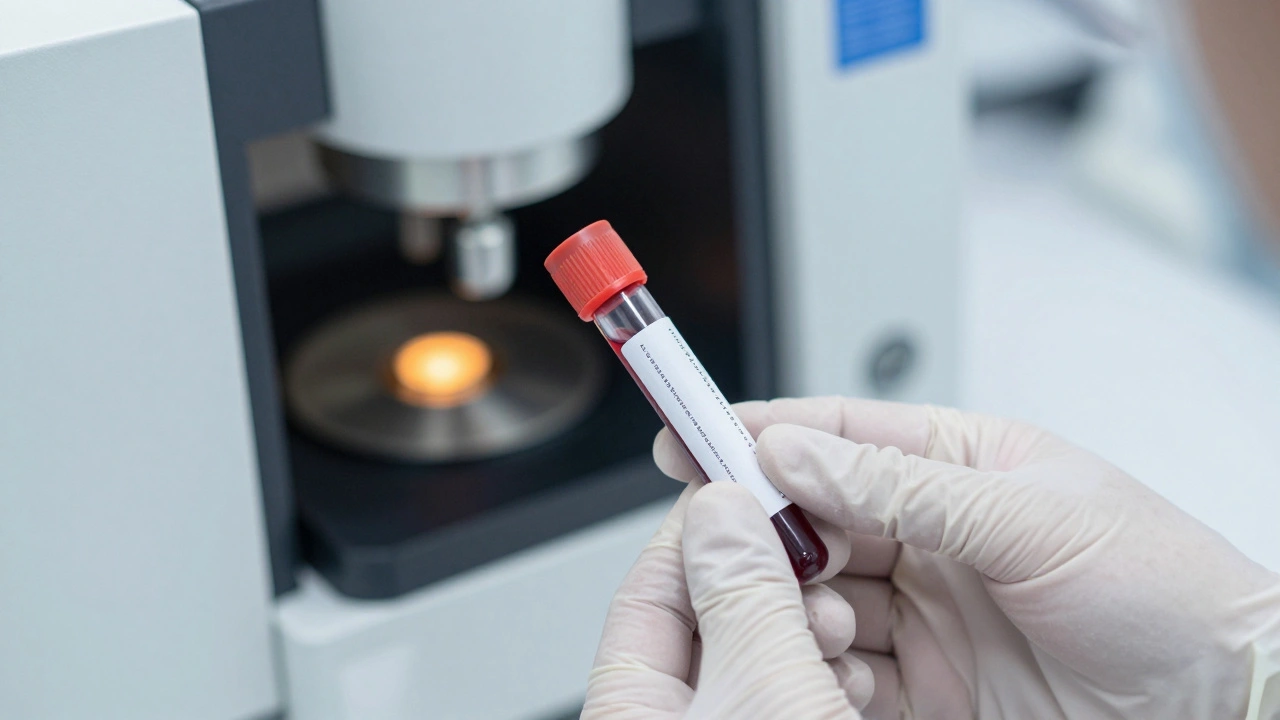
The timeline for receiving these reports also impacts legal strategy. DNA Legal notes that reports take anywhere from 24 hours to three weeks. Simple screens are fast, but comprehensive confirmatory testing and expert interpretation take longer. Lawyers must plan discovery deadlines around these variables, as missing a deadline can force the exclusion of critical evidence.
Ethical Obligations and Quality Assurance
The responsibility of the toxicologist extends beyond accuracy. Ethical reporting requires transparency about limitations. If there is uncertainty in the results, it must be communicated clearly. Crelio Health’s guidance emphasizes that toxicologists must acknowledge the bounds of their expertise.
This includes detailing toxicokinetic data, which covers absorption, distribution, metabolism, and excretion. The FDA guidelines require a comprehensive account of these processes to interpret findings correctly. If a lab skips this step, the resulting report lacks the context needed for legal validity.
Quality assurance serves as the final guardrail. The principle is categorical: if basic standards aren't met, no conclusion is valid. This protects defendants from being convicted based on flawed science. It ensures that the legal system relies on robust, reproducible methods rather than guesswork.
What makes a toxicology report inadmissible in court?
A toxicology report becomes inadmissible if it fails to meet basic quality standards accepted by the scientific community, lacks proper chain-of-custody documentation, or is presented without qualified expert interpretation. Additionally, if the testing method is deemed unreliable or irrelevant to the specific legal question, courts may exclude it under standards like Daubert.
Does a positive toxicology test prove impairment?
No. A positive test only proves the presence of a substance. It does not automatically prove impairment at the time of an incident. Factors such as timing, dosage, individual metabolism, and tolerance must be analyzed by an expert to determine if the substance actually affected behavior or performance.
How long does it take to get a toxicology report?
The timeline varies significantly. Simple screening tests can be completed in 24 hours, while comprehensive confirmatory testing and expert interpretation can take up to three weeks, depending on the complexity of the substances analyzed and the laboratory's workload.