Tag: forensic toxicology - Page 2
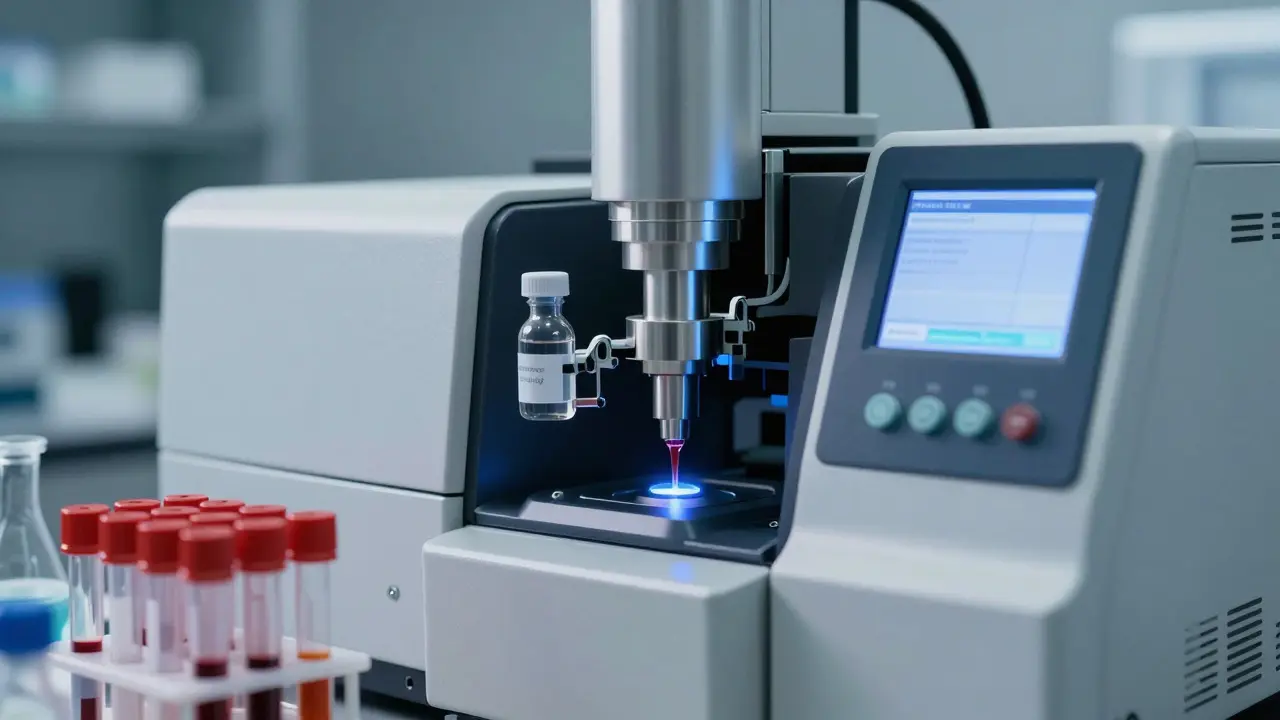
GC-MS Analysis: The Gold Standard in Forensic Toxicology
- By : Ian Brophy
- Date : Aug 17 2026
Discover why Gas Chromatography-Mass Spectrometry remains the gold standard in forensic toxicology. We break down the science, legal weight, and practical limitations of GC-MS in drug testing.

Alcohol Detection Methods: Breath, Blood, and Urine Testing Explained
- By : Ian Brophy
- Date : Aug 17 2026
Explore how breath, blood, and urine tests detect alcohol. Learn about the science, accuracy, and legal implications of each forensic toxicology method.
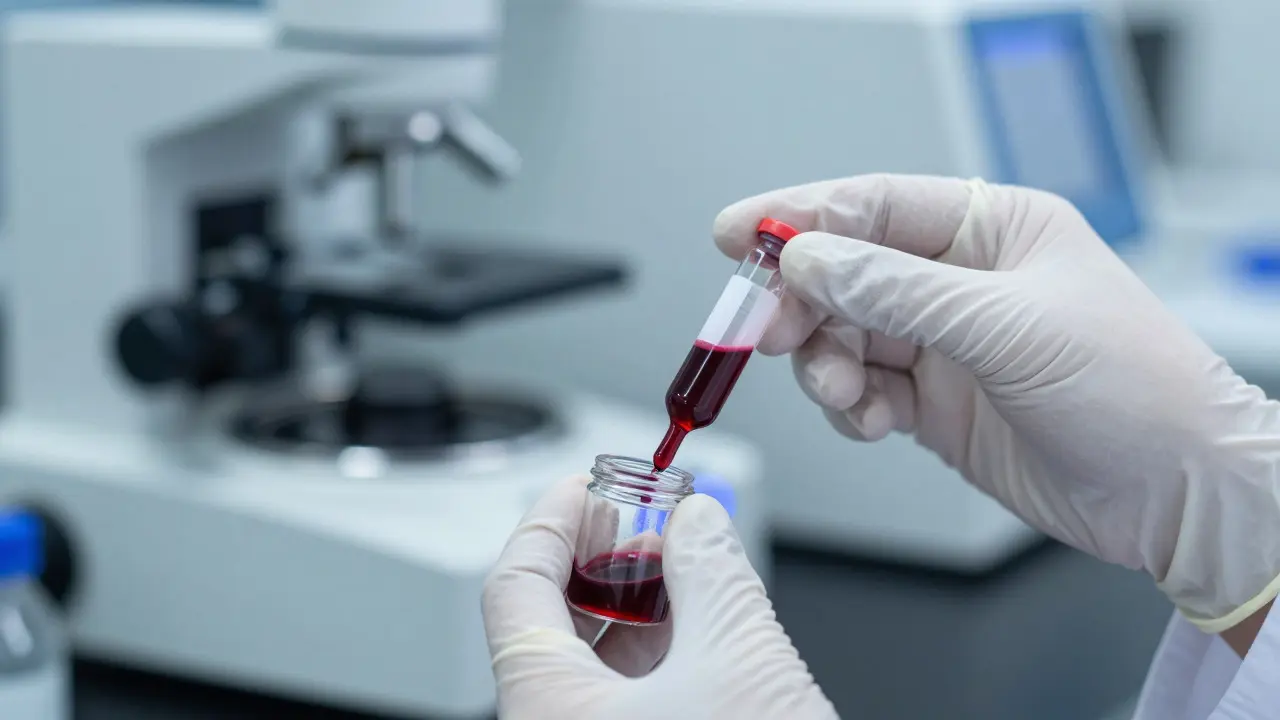
Postmortem Toxicology: Special Considerations and Pitfalls
- By : Ian Brophy
- Date : Aug 17 2026
Explore the complexities of postmortem toxicology, including pitfalls like postmortem redistribution, specimen selection, and legal admissibility. Learn how to interpret results accurately in death investigations.
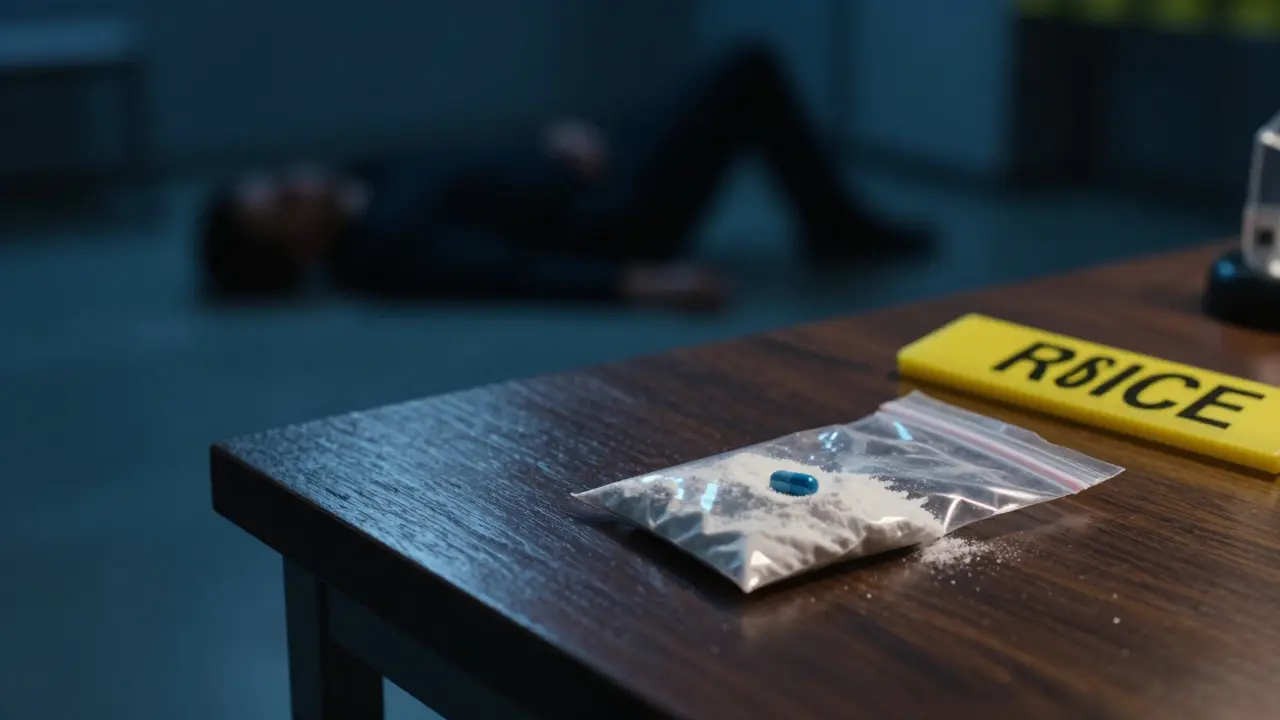
Opioid Detection Guide: Morphine, Oxycodone, and Fentanyl Testing Methods
- By : Ian Brophy
- Date : Aug 17 2026
Explore how forensic toxicologists detect opioids from morphine to fentanyl. Learn about the limitations of immunoassays, the power of LC-MS/MS, and the challenges of identifying synthetic analogs in legal cases.
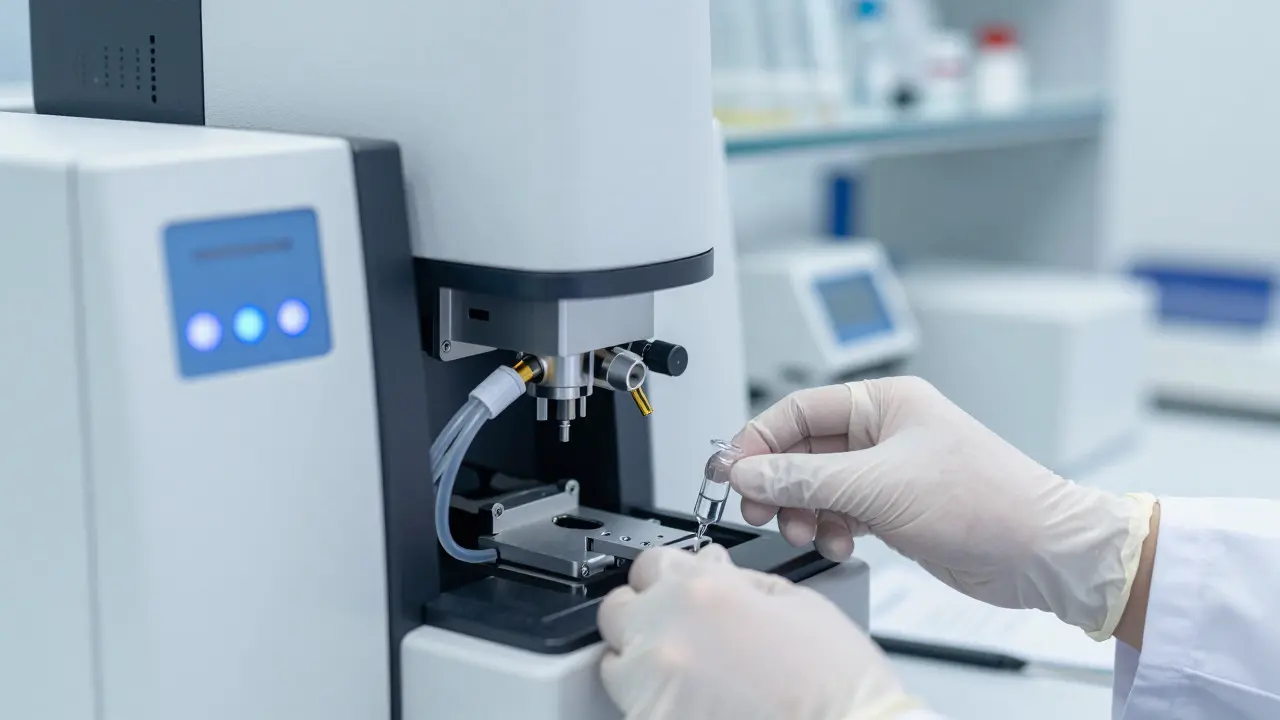
GC-MS Analysis in Drug Testing: How It Works & Why It Matters
- By : Ian Brophy
- Date : Aug 17 2026
Discover how GC-MS analysis works in drug testing. Learn about its role in forensic toxicology, comparison with other methods, and why it's the industry standard.
Therapeutic vs. Toxic Ranges: Clinical Correlation in Forensic Reports
- By : Ian Brophy
- Date : Aug 16 2026
A short summary for the article based on the topic. You need to write a summary with up to 5 sentences or 160 symbols that covers the provided topic. Try to write the most human text.
Opioid Analog Detection: Carfentanil and Emerging Threats in Forensic Toxicology
- By : Ian Brophy
- Date : Aug 16 2026
Explore the challenges of detecting carfentanil and emerging opioid analogs. Learn why LC-MS/MS is the gold standard and how labs stay ahead of synthetic threats.

Blood vs. Urine Testing: Choosing the Right Sample Type in Forensic Toxicology
- By : Ian Brophy
- Date : Aug 16 2026
Learn how to choose between blood and urine samples in forensic toxicology. We compare detection windows, legal implications, and practical collection methods to help you select the right evidence for your case.
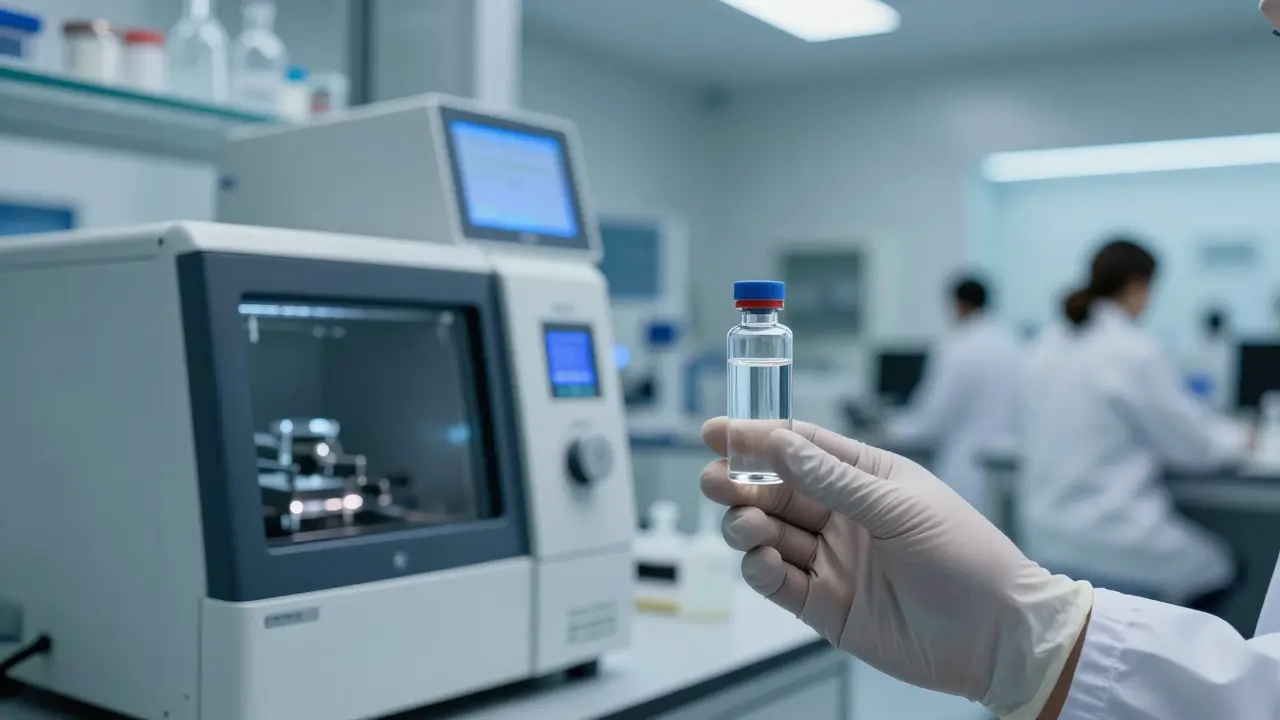
Forensic Toxicology Guide: Identifying Methanol, Ethylene Glycol, and Isopropanol
- By : Ian Brophy
- Date : Aug 16 2026
Learn how forensic toxicologists identify and analyze methanol, ethylene glycol, and isopropanol. Discover the metabolic pathways, lab techniques, and clinical signs that differentiate these toxic alcohols from ethanol.
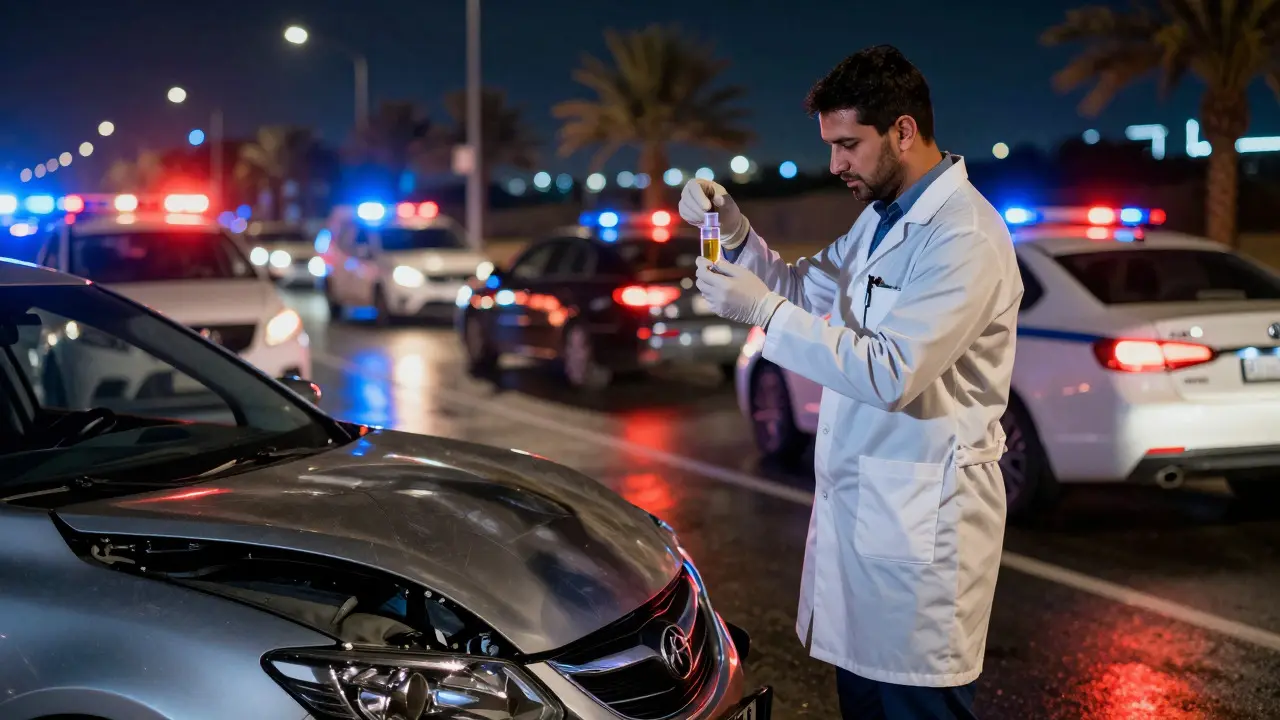
Immunoassay Screening for Initial Drug Detection in Forensic Toxicology
- By : Ian Brophy
- Date : Aug 16 2026
Learn how immunoassay screening works for initial drug detection in forensic toxicology. Understand the limits of rapid tests, common false positives, and why confirmatory testing is essential for accurate legal and medical outcomes.
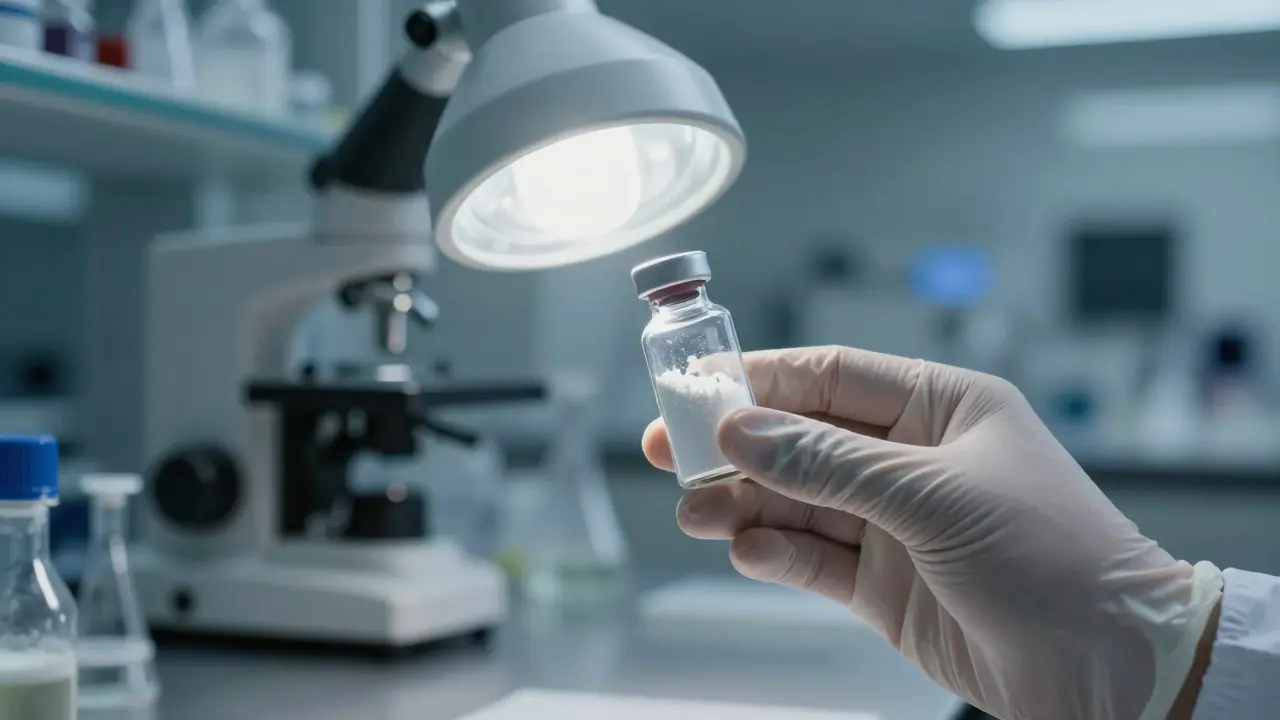
Cutting Agent Profiling: Levamisole, Lidocaine, and Modern Drug Analysis
- By : Ian Brophy
- Date : Aug 16 2026
Discover how forensic scientists profile cutting agents like levamisole and lidocaine to trace drug sources and assess health risks.
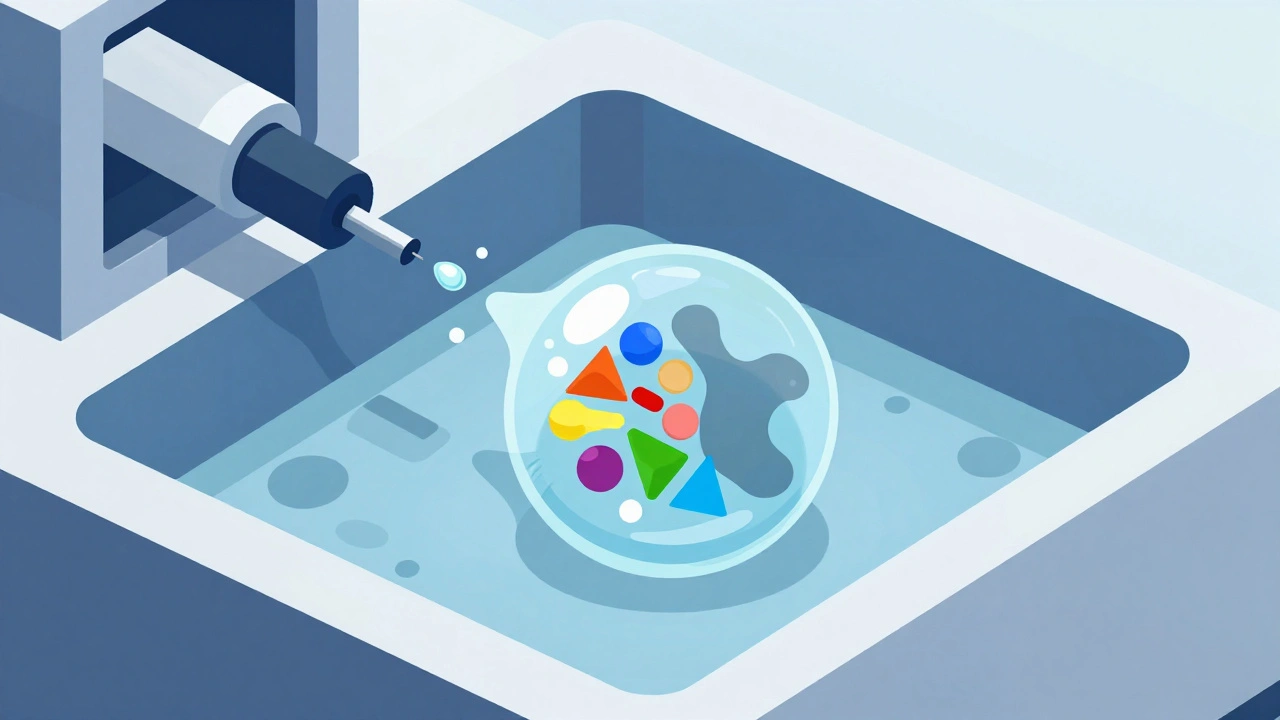
Matrix Effects in Toxicology: Overcoming Ion Suppression in LC-MS/MS
- By : Ian Brophy
- Date : May 17 2026
Explore the causes and solutions for ion suppression in LC-MS/MS toxicology. Learn how matrix effects impact accuracy and strategies like SPE, chromatography optimization, and internal standards to overcome them.