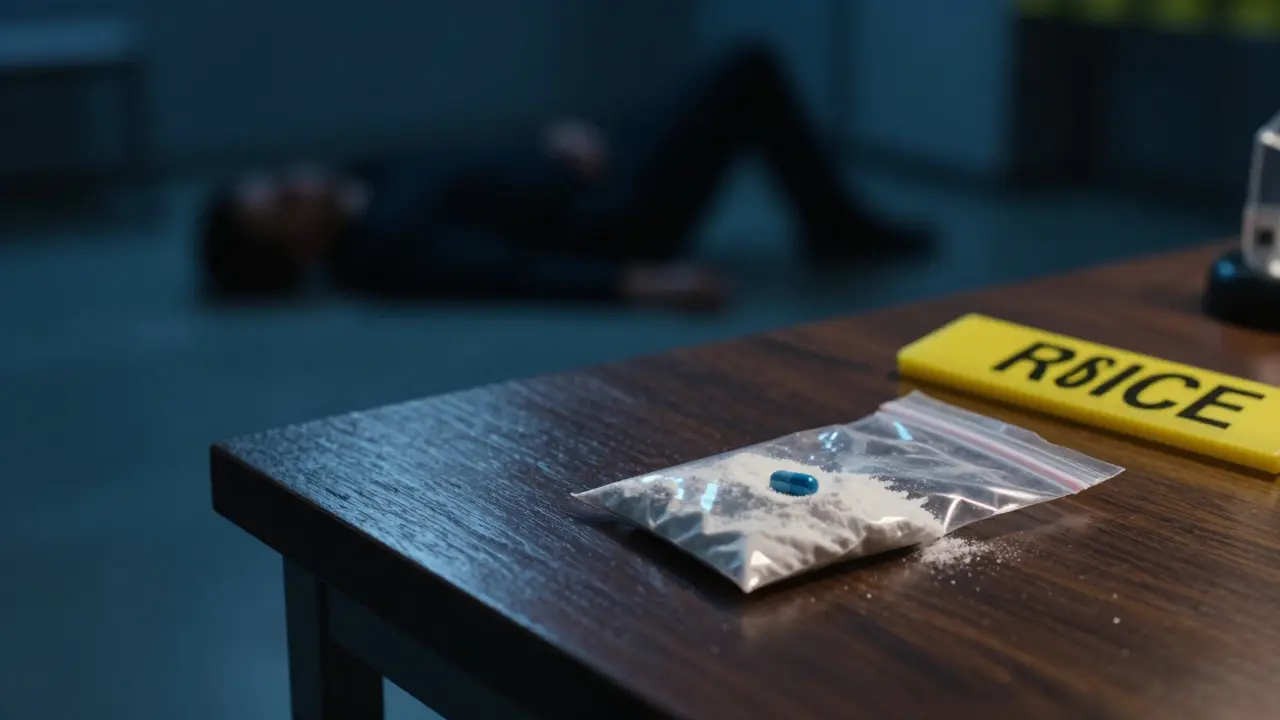
Imagine a scene where a person has collapsed, and the only clue is a small white powder or a crushed pill. Is it morphine? Oxycodone? Or something far more potent like fentanyl? In forensic toxicology, identifying the exact opioid isn't just about naming the drug; it's about understanding the timeline of ingestion, the potential for overdose, and the legal implications that follow. The challenge lies in the fact that opioids look identical to the naked eye but behave very differently in the body and on a lab bench.
Detecting these substances requires a layered approach. You don't just run one test and call it a day. You start with broad screening methods to catch any presence of an opioid, then move to specific identification to distinguish between natural, semi-synthetic, and fully synthetic compounds. This process involves understanding how the body metabolizes these drugs, which often leaves behind distinct chemical signatures that help forensic scientists reconstruct what happened.
The Hierarchy of Opioid Screening
Before diving into specific molecules, it helps to understand the hierarchy of testing. Most forensic labs use a two-step process: a presumptive screen followed by confirmatory analysis. The first step is fast and cheap, designed to answer "is there anything here?" The second step is precise and expensive, designed to answer "exactly what is it and how much?"
Immunoassays are the workhorses of the initial screen. These tests use antibodies that bind to specific chemical structures. For example, many standard urine screens use a morphine-based antibody because morphine is a common metabolite for both natural opioids (like heroin) and semi-synthetic ones (like codeine). However, this creates a blind spot. Fully synthetic opioids, particularly fentanyl and its analogs, often do not cross-react well with traditional morphine-based immunoassays unless the kit is specifically updated. This is why a negative result on a basic drug screen doesn't always mean the absence of opioids.
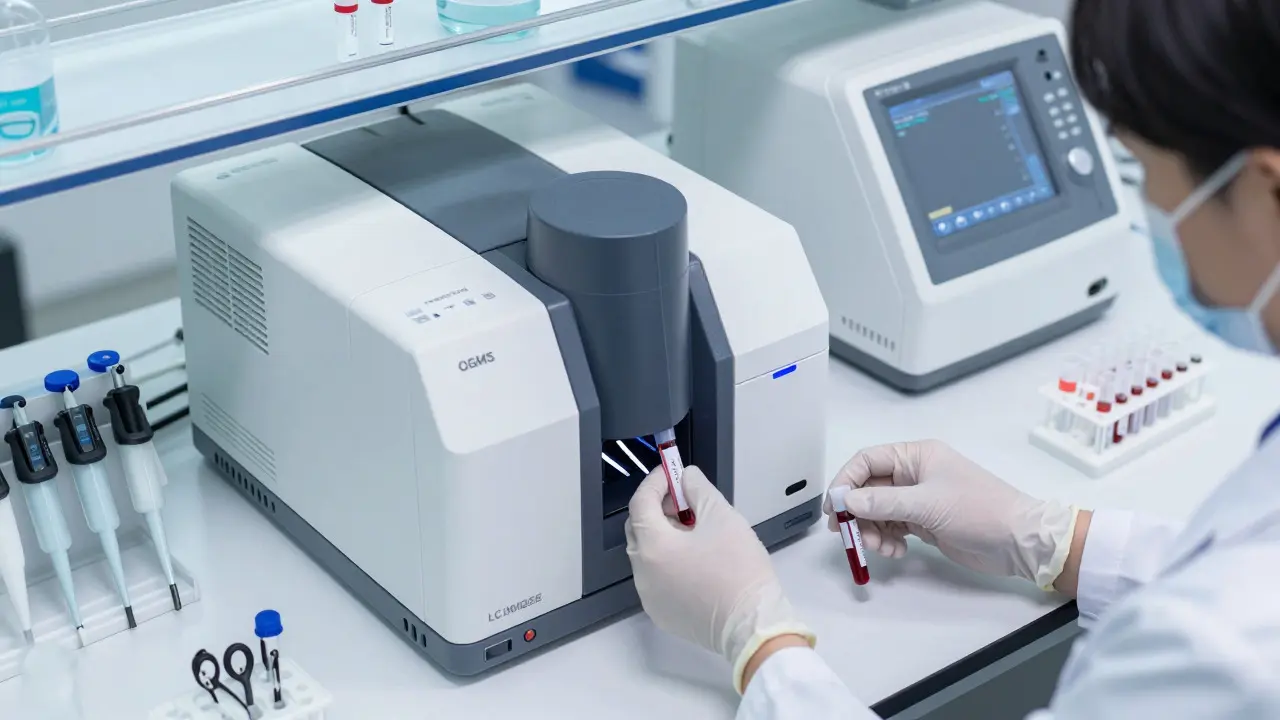
Once a positive screen occurs, or if clinical suspicion remains high despite a negative screen, the sample moves to instrumental analysis. Here, gas chromatography-mass spectrometry (GC-MS) or liquid chromatography-tandem mass spectrometry (LC-MS/MS) takes over. These techniques separate the mixture of chemicals in the blood or tissue and identify each component based on its unique mass-to-charge ratio. This is where the distinction between morphine and fentanyl becomes crystal clear.
Natural vs. Synthetic: Why It Matters
Opioids fall into three main categories: natural, semi-synthetic, and fully synthetic. Each group has different detection challenges.
- Morphine is a natural alkaloid found in opium poppies and serves as the primary metabolite for heroin and codeine. Because it is so common, detection methods for morphine are highly refined. In post-mortem cases, finding morphine usually indicates recent use of heroin or prescription codeine/morphine products.
- Oxycodone is a semi-synthetic opioid derived from thebaine, widely prescribed for pain management. Its metabolite, oxymorphone, is crucial for distinguishing exogenous intake from endogenous production or other sources. Detecting oxymorphone alongside oxycodone confirms active metabolism rather than passive transfer.
- Fentanyl is a fully synthetic opioid roughly 50 to 100 times more potent than morphine. It was originally developed for anesthesia but became notorious in the illicit market due to its low cost and high potency. Unlike morphine, fentanyl does not break down into morphine; instead, it metabolizes primarily into norfentanyl.
The key difference for the forensic scientist is the metabolic pathway. If you find morphine in a blood sample, you can infer the parent drug was likely heroin or codeine. If you find norfentanyl, you know fentanyl was present. Confusing these pathways can lead to incorrect conclusions about the source of the drug.
Techniques for Precise Identification
While immunoassays provide a quick yes/no, they lack specificity. That's where chromatographic techniques shine. GC-MS is the gold standard for volatile and semi-volatile compounds. It works well for morphine and many classic opioids because they can be derivatized to make them stable enough for gas-phase analysis. However, fentanyl and its newer analogs are less volatile and more polar, making them poor candidates for standard GC without complex preparation.
This is where LC-MS/MS has become the dominant tool in modern forensic laboratories. Liquid chromatography separates compounds based on their interaction with a stationary phase, while tandem mass spectrometry provides two stages of mass filtering. This double verification drastically reduces false positives. For instance, when analyzing a blood sample for fentanyl, LC-MS/MS can detect concentrations as low as 0.1 ng/mL, which is critical given the narrow therapeutic window of this drug.
| Method | Speed | Specificity | Best For | Limits |
|---|---|---|---|---|
| Immunoassay (ELISA) | Minutes | Low-Medium | Initial screening, field response | Cross-reactivity issues, misses some synthetics |
| GC-MS | Hours | High | Morphine, Codeine, Heroin metabolites | Poor sensitivity for non-volatile synthetics like fentanyl |
| LC-MS/MS | Hours | Very High | Fentanyl, Oxycodone, complex mixtures | Higher cost, requires specialized equipment |
The Fentanyl Challenge: Analogs and Stability
Detecting fentanyl is harder than detecting morphine for several reasons. First, the illicit market is flooded with analogs. Carfentanil, acetyl fentanyl, and alpha-fentanyl all have slightly different chemical structures. A test calibrated only for base fentanyl might miss these variants. Second, fentanyl is unstable at high temperatures and can degrade during sample processing if not handled correctly. This means the forensic chain of custody must include temperature controls to prevent the evidence from breaking down before it reaches the lab.
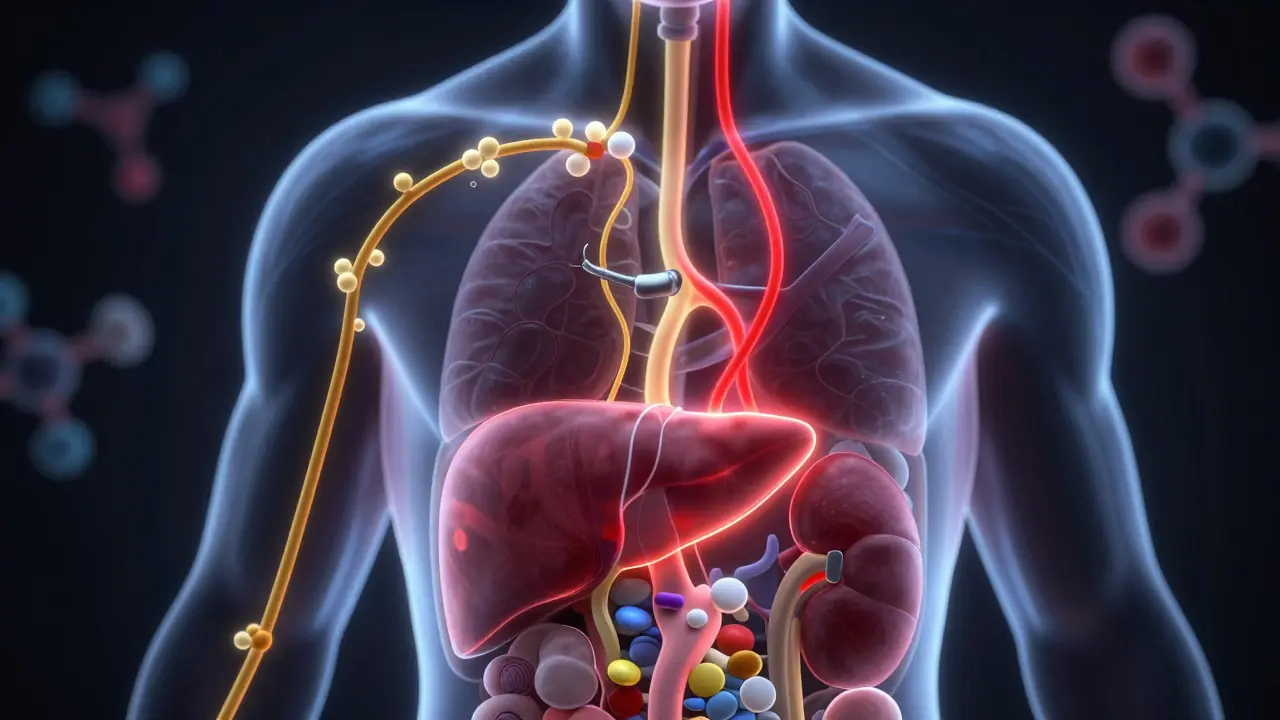
In post-mortem cases, distribution matters too. Fentanyl tends to distribute rapidly into fat tissues, meaning hair and adipose tissue can provide a longer-term history of exposure compared to blood, which only reflects the last few hours. Hair analysis using LC-MS/MS can reveal whether someone had been using fentanyl for weeks or months, providing context that blood alone cannot.
Interpreting Results in Legal Context
A number on a report is only useful if it can be interpreted correctly. Forensic toxicologists must consider post-mortem redistribution. After death, drugs concentrate in the heart blood and vitreous humor, leading to artificially high readings if not adjusted. For opioids, the half-life varies significantly. Morphine has a shorter half-life, meaning it clears faster, while fentanyl's rapid onset and offset require careful timing assumptions.
When presenting findings in court, the expert must explain the difference between "presence" and "cause." Finding morphine in a deceased person's system proves they took it, but determining if it caused death requires correlating the concentration with known lethal thresholds and considering tolerance levels. A chronic user might survive concentrations that would kill a naïve individual. This nuance is vital for accurate legal testimony.
Emerging Trends in Opioid Analysis
The landscape is shifting toward point-of-care technologies. Portable Raman spectroscopy devices now allow law enforcement to scan pills in the field, identifying ingredients within seconds. While not yet a replacement for lab confirmation, these tools reduce the risk of officers being exposed to unknown powders. Additionally, multi-residue assays are becoming standard, allowing a single injection to screen for dozens of opioids simultaneously, including rare analogs.
Another trend is the integration of pharmacokinetic modeling. Instead of just reporting a static concentration, labs are beginning to provide estimated time-of-ingestion windows based on metabolite ratios. For example, the ratio of morphine to codeine can indicate whether the dose was taken recently or hours ago. This adds a temporal dimension to the data, helping investigators piece together the sequence of events.
Common Pitfalls to Avoid
Even experienced professionals make mistakes. One common error is relying solely on a positive immunoassay without confirmatory testing. Cross-reactivity can occur with certain antibiotics or even foods containing poppy seeds, leading to false positives for morphine. Always confirm with LC-MS/MS or GC-MS.
Another pitfall is ignoring the matrix effect. Blood, urine, and hair behave differently. A concentration in urine reflects excretion, not necessarily current intoxication. A concentration in blood reflects recent exposure. Mixing up these matrices can lead to flawed conclusions about the state of the subject at the time of death or arrest.
Practical Steps for Laboratory Professionals
- Collect appropriately: Use anticoagulated tubes for blood and ensure proper labeling. For hair, collect from the nape of the neck to avoid cosmetic interference.
- Stabilize samples: Add preservatives like sodium fluoride to inhibit bacterial growth, which can produce or consume metabolites.
- Run a broad screen: Use an LC-MS/MS method that covers natural, semi-synthetic, and synthetic opioids in one go.
- Verify with standards: Always include internal standards to correct for ion suppression effects.
- Document everything: Note any degradation observed during extraction, as this affects quantitative accuracy.
By following these steps, you ensure that your data holds up under scrutiny. The goal isn't just to find the drug; it's to tell the story of the case with scientific precision.
Can a standard urine drug test detect fentanyl?
Not reliably. Traditional urine drug screens use morphine-based antibodies that often fail to cross-react with fentanyl. Unless the kit is specifically designed for fentanyl or uses a broader spectrum assay, fentanyl may be missed. Confirmatory testing with LC-MS/MS is required for definitive detection.
What is the difference between morphine and fentanyl in terms of metabolism?
Morphine is a natural opioid that is often a metabolite of other drugs like heroin or codeine. Fentanyl is fully synthetic and metabolizes primarily into norfentanyl. They do not share the same metabolic pathway, so finding one does not imply the presence of the other.
Why is LC-MS/MS preferred over GC-MS for fentanyl analysis?
Fentanyl is less volatile and more polar than morphine, making it difficult to analyze with Gas Chromatography without extensive derivatization. Liquid Chromatography-Tandem Mass Spectrometry (LC-MS/MS) handles these properties better, offering higher sensitivity and specificity for synthetic opioids.
How long does fentanyl stay in the body?
In blood, fentanyl is detectable for a short period, typically 6 to 12 hours after use, due to its rapid clearance. In urine, it may be detectable for 24 to 72 hours. In hair, it can provide a historical record for weeks or months, depending on the length of hair analyzed.
What are fentanyl analogs and why are they hard to detect?
Fentanyl analogs are modified versions of fentanyl, such as carfentanil or acetyl fentanyl, created to evade regulation or increase potency. They have slight structural differences that can prevent them from binding to standard fentanyl antibodies in immunoassays, leading to false negatives unless specific assays are used.