Tag: forensic toxicology - Page 4
Drug Detection Windows: How Long Substances Stay in Your System
- By : Ian Brophy
- Date : Apr 22 2026
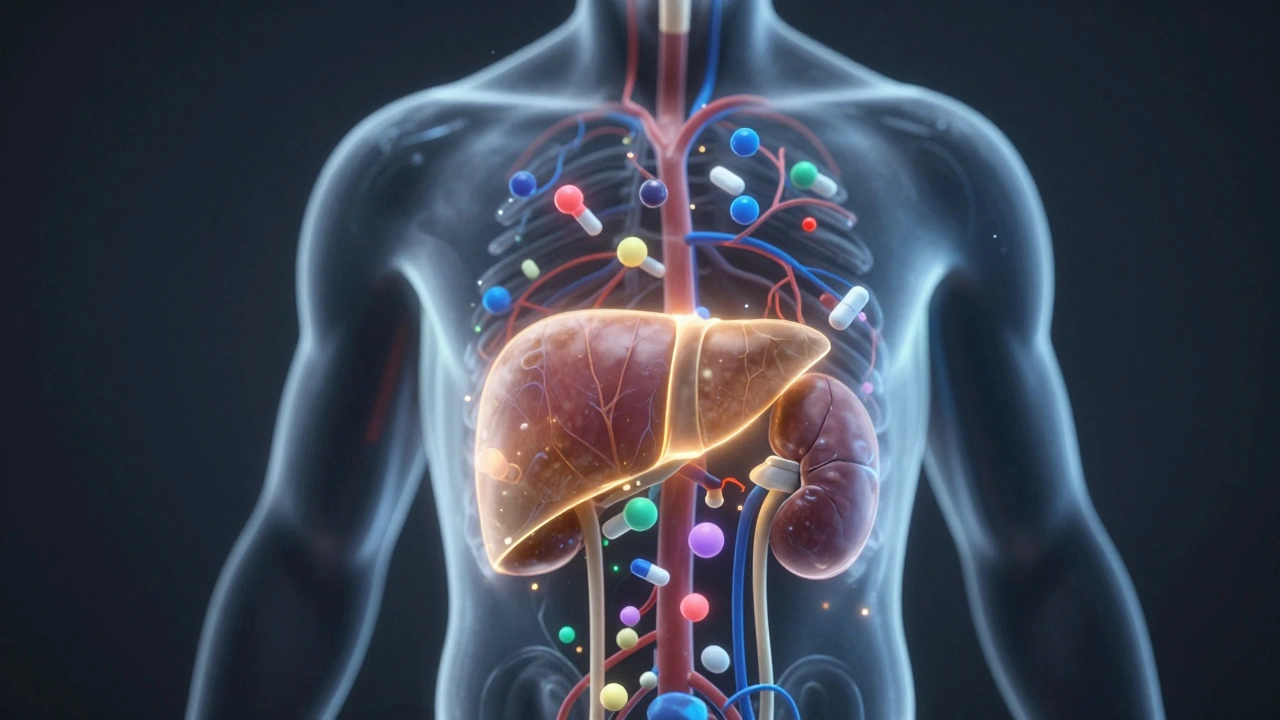
Learn how drug detection windows work across urine, blood, saliva, and hair tests. Discover how half-life, body mass, and drug type affect how long substances stay detectable.

Volatile Compounds: Using Headspace GC Analysis in Forensic Toxicology
- By : Ian Brophy
- Date : Apr 15 2026
Learn how Headspace GC-MS is used in forensic toxicology to detect volatile compounds like alcohol and cyanide without contaminating sensitive lab equipment.

Boosting Sensitivity and Specificity in LC-MS/MS Methods
- By : Ian Brophy
- Date : Apr 12 2026
Learn how to boost sensitivity and specificity in LC-MS/MS methods using SMRM, narrow-bore columns, and dead volume minimization for forensic toxicology.

Heavy Metal Poisoning: Analyzing Arsenic, Lead, and Mercury Exposure
- By : Ian Brophy
- Date : Apr 11 2026
Expert analysis of arsenic, lead, and mercury poisoning. Learn how these heavy metals destroy cellular pathways, their clinical signs, and forensic detection methods.

Understanding Toxicology Reports: Qualitative vs. Quantitative Testing Results
- By : Ian Brophy
- Date : Mar 27 2026
Learn how to interpret toxicology reports by understanding the critical differences between qualitative (presence) and quantitative (amount) testing methods.

Benzodiazepine Detection: How Long-Acting and Short-Acting Types Affect Drug Testing Results
- By : Ian Brophy
- Date : Feb 28 2026
Benzodiazepine detection varies widely between long-acting and short-acting drugs. Understanding half-lives, metabolites, and testing methods is critical for accurate forensic and clinical results.

Designer Stimulants: Cathinones and Novel Psychoactives in Forensic Toxicology
- By : Ian Brophy
- Date : Feb 23 2026
Synthetic cathinones, known as bath salts, are dangerous designer stimulants that mimic cocaine and methamphetamine. They cause severe health risks including psychosis, heart failure, and death - and are increasingly common in forensic toxicology cases.