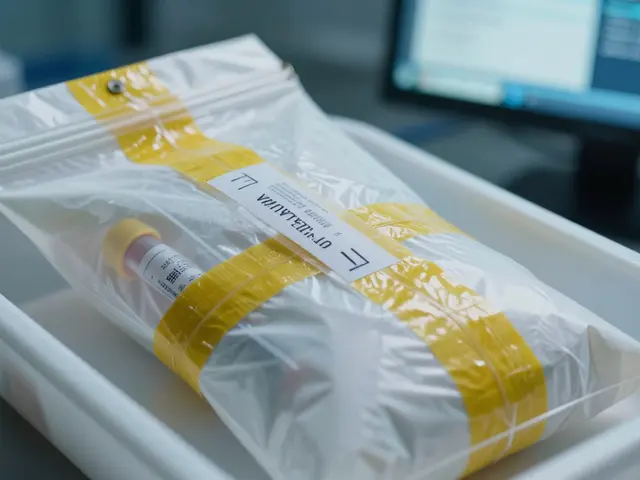
Imagine a crime scene where there is no weapon, no struggle, and the victim simply wastes away over several months. This is the terrifying reality of heavy metal poisoning is a toxicological condition caused by the accumulation of non-essential metals in the body, leading to cellular dysfunction and organ failure. Whether it is a slow-acting toxin used in a historic murder case or accidental exposure in a modern factory, these elements are silent killers. They don't just make a person sick; they dismantle the body's chemistry from the inside out.
The Core Problem: Why Heavy Metals are Deadly
Heavy metals like Arsenic, Lead, and Mercury are dangerous because they are highly reactive. Once they enter your system, they don't just sit there. They bond with intracellular compounds, effectively hijacking cellular pathways. This leads to a cascade of disaster: oxidative stress, the generation of reactive oxygen species (ROS), and eventually, cell death via apoptosis or necrosis.
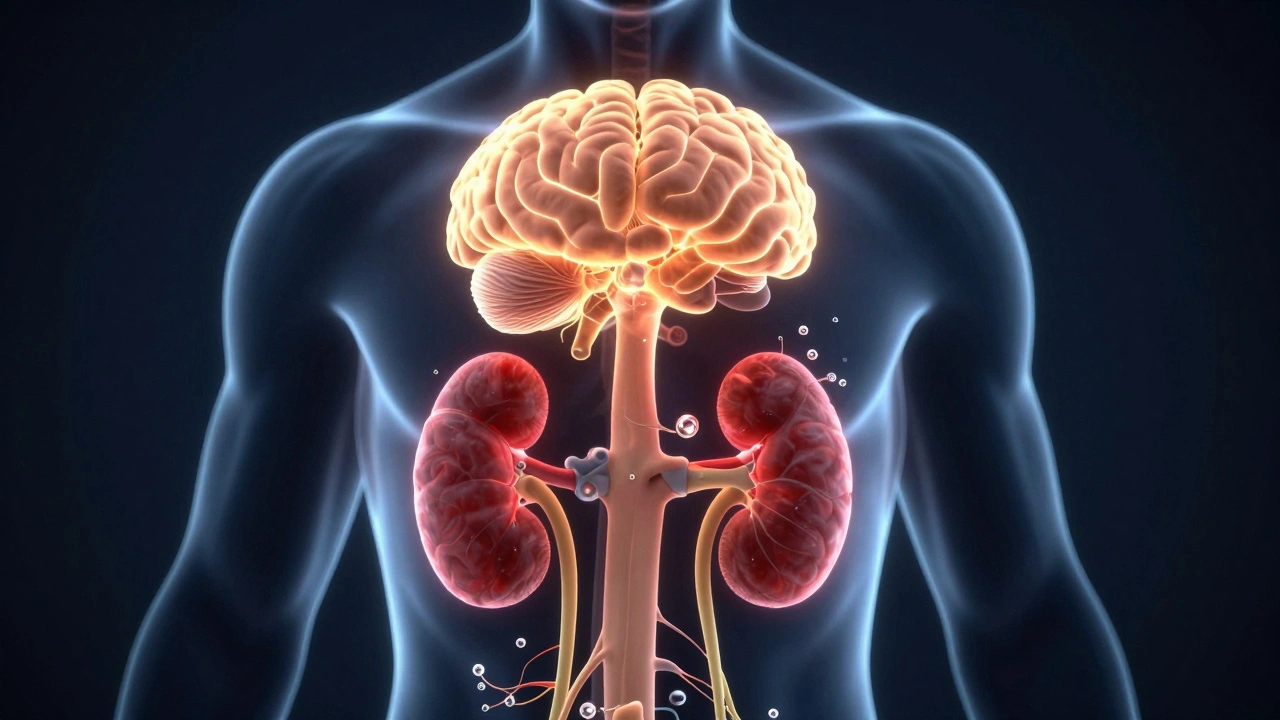
The real danger is that these metals are often tasteless and odorless, making them easy to administer secretly or overlook in a contaminated environment. They target the most vital systems: the brain, the kidneys, and the gastrointestinal tract. Because they accumulate over time, the symptoms are often vague-nausea, fatigue, or a bit of confusion-until the damage is already permanent.
Mercury: The Multi-Faceted Neurotoxin
Mercury is a shapeshifter in the world of toxicology. Depending on its form, it attacks different parts of the body. Metallic Mercury is usually inhaled as vapor, while Inorganic Mercury is often found in industrial chemicals. Then there is Organic Mercury, specifically methylmercury, which builds up in fish and enters the food chain.
If someone is suffering from acute mercury toxicity, you might see rapid mental status changes, tremors, or even a blue-black pigmentation of the skin. In chronic cases, the signs are more subtle but devastating. Look for a blue line along the gums, peripheral neuropathy (numbness in the hands and feet), and ataxia, where the person loses control of their lower limb movements. In severe cases, the kidneys simply shut down.
From a forensic perspective, catching mercury is a timing game. While a blood test works shortly after exposure, a 24-hour urine collection is the gold standard for a more reliable measurement of the body's current burden.
Lead: The Silent Thief of Intelligence
Lead is perhaps the most insidious of the heavy metals because it often affects people in low doses over years. In children, lead doesn't just cause sickness; it steals cognitive potential. It lowers the IQ and impairs intellectual function, often without any obvious physical symptoms until the child is already struggling in school.
Physically, lead poisoning is characterized by a distinct blue line on the gums. On a cellular level, lead destroys antioxidant defenses, specifically reducing levels of GPx (Glutathione Peroxidase) and SOD (Superoxide Dismutase). This leaves the body defenseless against oxidative damage. The kidneys take a massive hit, with hemorrhage in the renal tubules and necrosis in the kidney tissue.
Diagnosing lead poisoning requires more than just a basic blood draw. Toxicologists look for biomarkers like free erythrocytic protoporphyrins and zinc protoporphyrin. For quick screening, tools like the LEADCARE In Office Test System allow clinicians to get results on-site, which is critical for immediate intervention in pediatric cases.
Arsenic: The "King of Poisons"
Arsenic has a dark history in forensic toxicology. Used historically in pesticides and as a covert poison, it is a powerhouse of destruction. Acute exposure can lead to immediate chaos: seizures, confusion, and severe headaches. But the long-term effects are where the forensic evidence really hides.
Arsenic attacks the nerves. It causes encephalopathy (brain damage) and peripheral neuropathy. More specifically, it triggers demyelination, which is the loss of the fatty protective coating around nerve fibers. Think of it like stripping the insulation off an electrical wire; the signals short-circuit, and the nerve dies.
The brilliant part of arsenic analysis is that the metal lingers. While it leaves the blood quickly, it binds to keratin. This means forensic examiners can find arsenic in hair and fingernails long after the initial poisoning. Additionally, because arsenic is radiopaque, a simple abdominal X-ray can sometimes reveal ingested arsenic pellets sitting in the gut.
Comparing the "Big Three" Heavy Metals
Each of these metals leaves a unique footprint on the human body. Understanding these differences is key to a correct diagnosis.
| Feature | Lead (Pb) | Mercury (Hg) | Arsenic (As) |
|---|---|---|---|
| Primary Target | CNS / Kidneys | CNS / Kidneys / Lungs | CNS / Skin / GI Tract |
| Key Physical Sign | Blue gum line (Burton's line) | Tremors / Ataxia | Skin lesions / Nerve pain |
| Best Diagnostic Sample | Whole Blood / Protoporphyrins | 24-Hour Urine | Hair / Nails / Urine |
| Common Source | Old paint / Piping | Fish / Industrial vapor | Pesticides / Groundwater |
The Forensic Process: Detection and Analysis
When a toxicologist suspects heavy metal poisoning, they don't just guess. They use a structured approach to identify the substance and the route of exposure. The first step is usually a comprehensive blood panel. While some metals are tested individually, a full panel can screen for lead, mercury, arsenic, cadmium, and chromium all at once.
But blood only tells part of the story. Because many metals move from the blood into tissues (like bone or organs) over time, other samples are necessary. Urine tests provide a snapshot of recent excretion, while hair and nails provide a historical timeline of exposure. For instance, a segment of hair can tell an investigator exactly when a victim was being poisoned over the course of several months.
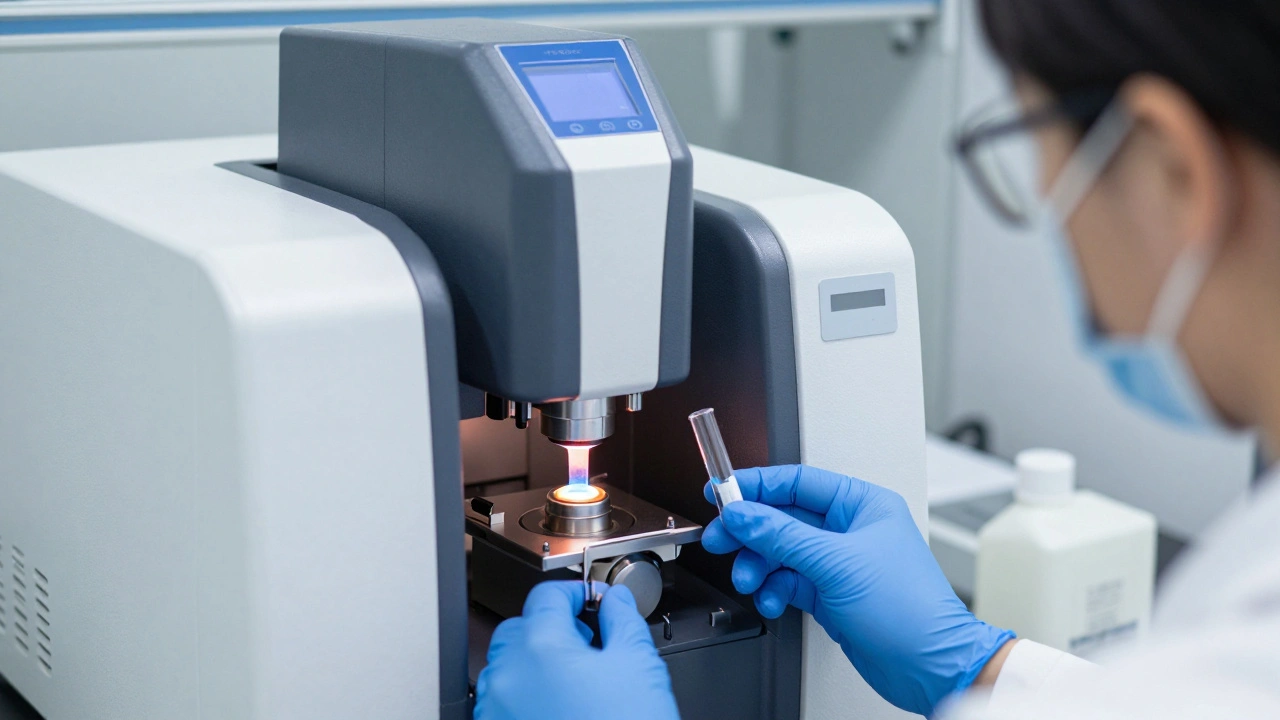
In a forensic setting, the analysis often involves advanced machinery like Inductively Coupled Plasma Mass Spectrometry (ICP-MS), which can detect metals at incredibly low concentrations, ensuring that even subtle, low-dose chronic poisonings are caught.
Treatment and Recovery
Once the metal is identified, the first priority is always removal from the source. You can't treat a patient if they are still breathing in mercury vapors. After that, supportive care begins, focusing on stabilizing organ function-especially the kidneys and liver.
The most critical medical intervention for severe cases is Chelation Therapy. This involves using agents like DMPS or Penicillamine. These chemicals act like magnets; they bind to the heavy metal ions in the bloodstream and tissues and pull them into a soluble form that the kidneys can then flush out through urine.
It is important to note that while chelation can remove the metal, it cannot always reverse the damage. If lead has already lowered a child's IQ or mercury has caused permanent nerve death, those losses are often permanent. This is why early detection is everything.
Can you feel heavy metal poisoning as it happens?
Not always. In acute cases, you might feel sudden nausea, abdominal pain, or respiratory distress. However, chronic low-dose poisoning is often "silent." You might just feel chronically tired, anxious, or experience a gradual decline in cognitive function, making it very difficult to diagnose without specific testing.
Why is hair testing used for arsenic but not always for lead?
Different metals have different affinities for tissues. Arsenic binds strongly to the keratin in hair and nails, creating a permanent record of exposure. Lead, on the other hand, tends to store itself in the bones, where it can stay for decades. While hair can show some lead, blood and bone analysis are generally more reliable for lead exposure.
What is the "blue line" on the gums?
Known as a Burton's line, this is a characteristic sign of lead or mercury poisoning. It occurs when the metals react with bacteria in the mouth to form sulfides, which precipitate along the gingival margin, creating a dark blue or purplish line.
Is chelation therapy safe for everyone?
Chelation is a powerful medical intervention and is not without risks. Because chelating agents bind to metals, they can sometimes strip the body of essential minerals like zinc or calcium. It must be administered by medical professionals who can monitor kidney function and electrolyte balance.
How does mercury from fish differ from industrial mercury?
Fish contain methylmercury (organic mercury), which is easily absorbed by the gut and crosses the blood-brain barrier very efficiently, causing severe neurological damage. Industrial mercury is often elemental (vapor) or inorganic (salts), which more aggressively attacks the lungs and kidneys before affecting the brain.
Next Steps for Diagnosis and Safety
If you suspect heavy metal exposure, do not rely on a standard physical. Request a specific heavy metal blood or urine panel. For those living in older homes, testing the paint and water pipes for lead is a proactive way to prevent toxicity before it starts. If you work in industrial settings-particularly with electronics, batteries, or pesticides-regular health screenings are essential to catch "silent" accumulation before it reaches a critical threshold.