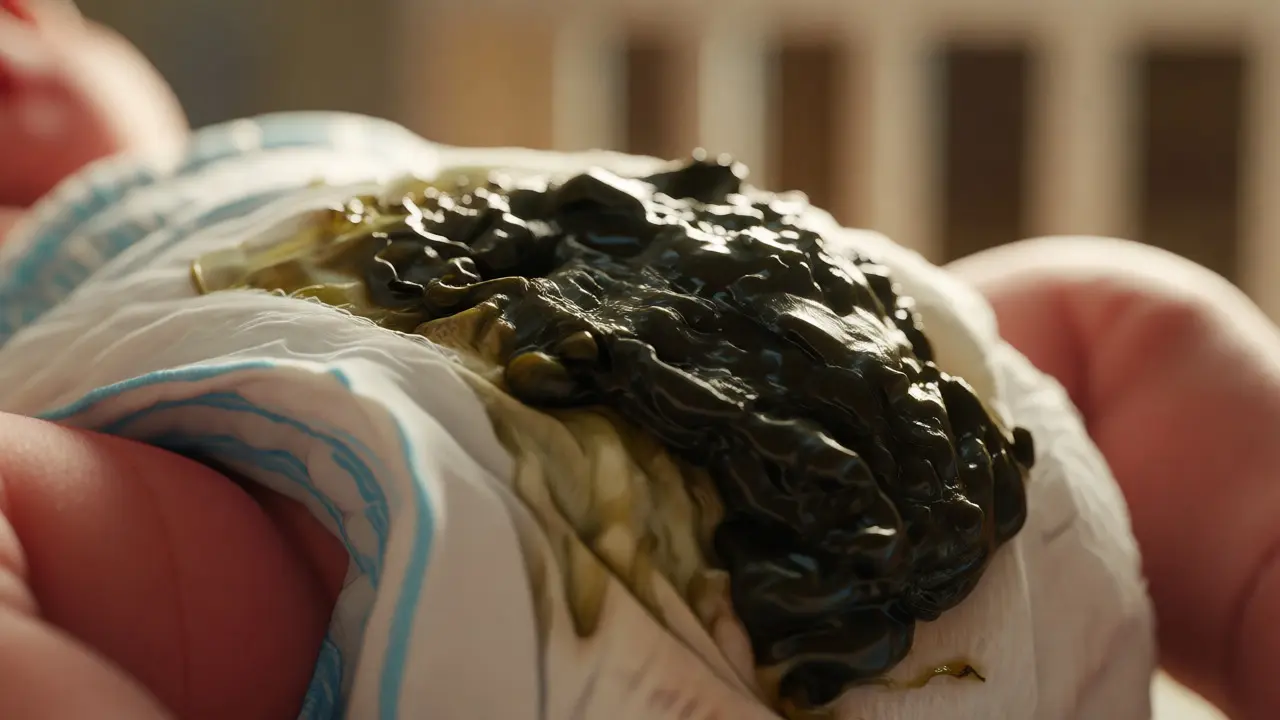
You might think the first poop of a baby’s life is just a messy diaper change. But in the world of forensic toxicology, the science of detecting drugs and poisons in biological samples for legal or medical purposes, meconium is a goldmine. It’s not just waste; it’s a historical record. For months before birth, a fetus accumulates substances in its gut. When that baby arrives, that dark green, sticky substance tells a story about what happened inside the womb.
If you’re a parent, a healthcare provider, or someone involved in child welfare, understanding neonatal toxicology is crucial. It’s not just about catching someone in a lie. It’s about protecting a vulnerable infant from withdrawal symptoms and ensuring they get the right care. But how does it work? Is it accurate? And what happens if the test comes back positive? Let’s break down the science, the stakes, and the practical steps involved in this critical area of forensic medicine.
What Exactly Is Meconium?
Before we talk about drugs, we need to talk about the sample itself. Meconium is the first stool passed by a newborn. Unlike regular poop, which is mostly food residue, meconium is composed of materials ingested during fetal development: intestinal epithelial cells, lanugo (fine hair), mucus, amniotic fluid, bile, and water. It’s sterile, odorless, and famously sticky.
Why is it so special for toxicology? Because it acts as a cumulative reservoir. While urine only reflects recent exposure (hours to days), meconium can detect drug use over the last 20 weeks of pregnancy. This makes it far superior to cord blood or maternal urine for identifying chronic prenatal exposure. If a mother used opioids three months ago, her urine might be clean today, but the baby’s meconium will still show traces.
| Sample Type | Detection Window | Pros | Cons |
|---|---|---|---|
| Meconium | Last 20 weeks of gestation | High sensitivity for chronic use; non-invasive collection post-birth | Can be delayed up to 72 hours after birth; difficult to handle due to stickiness |
| Cord Blood | Last few days to weeks | Immediate availability at delivery | Shorter detection window; potential contamination from maternal blood |
| Maternal Urine | Last 1-3 days | Easy to collect; cheap | Easily falsified; misses chronic use; high false-negative rate |
| Umbilical Cord Tissue | Last 20+ weeks | Similar window to meconium; easier to store than liquid meconium | Less standardized protocols; variable drug concentration |
The Science Behind the Test
So, how do labs actually find drugs in such a complex matrix? The process usually involves two stages: screening and confirmation. First, the lab uses immunoassays-chemical tests that react to specific drug classes like opiates, cocaine, amphetamines, or cannabinoids. These are fast but prone to false positives. A poppy seed bagel won’t trigger an opiate test in an adult, but in a sensitive neonatal assay, cross-reactivity can happen.
Because of this risk, any positive screen must go through confirmatory testing. This is where Gas Chromatography-Mass Spectrometry (GC-MS) or Liquid Chromatography-Tandem Mass Spectrometry (LC-MS/MS) comes in. These methods separate compounds based on their physical properties and identify them by their unique molecular weight fingerprints. They don’t guess; they verify. In a court of law or a custody dispute, only the confirmatory result holds weight.
It’s important to note that no test is perfect. False negatives occur if the mother stopped using drugs shortly before delivery, allowing the body to clear the metabolites from the meconium formation period. Conversely, passive exposure-like living with a smoker who uses marijuana-can sometimes yield low-level positives, though usually below clinical thresholds.
Legal and Ethical Implications
A positive meconium test isn’t just a medical data point; it triggers a legal cascade. In many jurisdictions, a positive result mandates a report to Child Protective Services (CPS). This doesn’t automatically mean removal of the child, but it initiates an investigation into the home environment. Parents often feel blindsided. They might have been prescribed medication, or they might have struggled with addiction without knowing the extent of fetal impact.
Here’s where context matters. Was the drug illicit? Or was it prescribed? Did the mother attend prenatal care? Courts and social workers look for these nuances. However, the bias against certain demographics remains a hot-button issue. Studies suggest that minority mothers are more likely to be tested than white mothers, even when controlling for socioeconomic status. This disparity raises questions about consent. Did the parents sign a waiver? Often, the consent form is buried in admission paperwork, leading to debates about whether true informed consent was obtained.

Health Risks: Neonatal Abstinence Syndrome (NAS)
Beyond the legal drama, there’s the immediate health concern: Neonatal Abstinence Syndrome (NAS). Also known as Neonatal Opioid Withdrawal Syndrome (NOWS) when opioids are involved, NAS occurs when a baby goes through withdrawal after birth. Symptoms include high-pitched crying, tremors, seizures, poor feeding, and sleep disturbances.
Not all babies with positive meconium tests develop severe NAS. Some are asymptomatic. Others require pharmacological treatment, typically with morphine or methadone, tapered slowly over weeks. The severity depends on the type of drug, the dosage, the timing of use, and genetic factors. Polydrug use-using multiple substances simultaneously-complicates the picture significantly. A baby exposed to both alcohol and opioids faces different challenges than one exposed to opioids alone.
Practical Steps for Parents and Providers
If you’re expecting a baby and worried about past drug use, here’s what you should know:
- Be Honest with Your Provider: Doctors aren’t trying to arrest you. They need accurate history to monitor your baby. Hiding use can lead to unexpected withdrawal symptoms in the nursery, causing panic and unnecessary interventions.
- Understand Consent: Ask explicitly if meconium testing is routine at your hospital. You have the right to ask questions before signing consent forms.
- Know the Timeline: Meconium passes within the first 24-48 hours of life. If the baby hasn’t passed stool by day three, the test might be delayed or switched to umbilical cord tissue.
- Seek Support Early: If a test is positive, connect with resources immediately. Parenting classes specialized in NAS can teach you soothing techniques that reduce stress for both you and the baby.
For healthcare providers, the key is standardization. Protocols vary wildly between hospitals. Some use a scoring system called the Finnegan Scale to assess withdrawal severity, while others use newer tools like the Eat, Sleep, Console model, which focuses on keeping the baby with the mother rather than separating them for observation. Evidence suggests that rooming-in and breastfeeding (when appropriate) significantly reduce the need for medication in NAS cases.

Common Misconceptions
Let’s clear up some myths. One big one: “A positive test means my baby is addicted.” Not exactly. The baby has physical dependence, which is different from addiction. Dependence is a physiological adaptation. With proper care, most infants recover fully without long-term cognitive deficits, especially if the environment is stable and nurturing.
Another myth: “Only illegal drugs show up.” Nope. Prescription medications like benzodiazepines, SSRIs, and even some anticonvulsants can cause withdrawal symptoms. Just because a drug is legal doesn’t mean it’s harmless to a developing fetus. Conversely, herbal supplements are often overlooked. St. John’s Wort or Kava Kava can interact with other substances, though they are rarely included in standard toxicology panels.
Future Trends in Neonatal Toxicology
The field is evolving. We’re seeing a shift toward universal screening rather than targeted testing based on risk factors. Why? Because risk-based screening misses too many cases. Mothers don’t always disclose use due to stigma. Universal testing removes the bias of “who looks like they use” and creates a clearer public health picture.
Additionally, technology is improving. Hair analysis is emerging as a complementary tool. While meconium covers the third trimester, neonatal hair can potentially reflect exposure over the entire pregnancy, although collecting enough hair from a newborn is tricky. Researchers are also looking at biomarkers beyond drugs-like cortisol levels-to gauge overall fetal stress.
How soon after birth is meconium collected?
Meconium is typically collected within the first 24 to 48 hours after birth. If the baby has not passed meconium by 72 hours, umbilical cord tissue may be used as an alternative sample source. Prompt collection is vital because the volume available decreases as the baby begins to pass transitional stools.
Can secondhand smoke cause a positive meconium test?
Yes, significant exposure to environmental tobacco smoke can result in detectable levels of cotinine (a nicotine metabolite) in meconium. However, standard drug screens often focus on illicit substances. If nicotine is part of the panel, heavy passive exposure could theoretically trigger a positive, though clinical significance varies by institution.
Does a positive meconium test mean I lose custody of my baby?
No, not automatically. A positive test triggers a referral to Child Protective Services for assessment, not immediate removal. Social workers evaluate the home environment, parental stability, and support systems. Many families keep their babies while undergoing monitoring or treatment programs. Removal is usually reserved for cases involving neglect, unsafe conditions, or repeated unaddressed substance abuse.
What is the difference between meconium and cord blood testing?
Meconium provides a longer detection window (up to 20 weeks) compared to cord blood (days to weeks). Meconium is better for detecting chronic, ongoing use, while cord blood is useful for detecting very recent use. Meconium is also less susceptible to immediate contamination during delivery compared to blood samples.
Are false positives common in meconium testing?
False positives can occur with initial immunoassay screenings due to cross-reactivity with other compounds. However, these are rare in confirmatory GC-MS or LC-MS/MS testing. True false positives in confirmatory tests are extremely uncommon, occurring in less than 1% of cases, usually due to lab error or extreme external contamination.