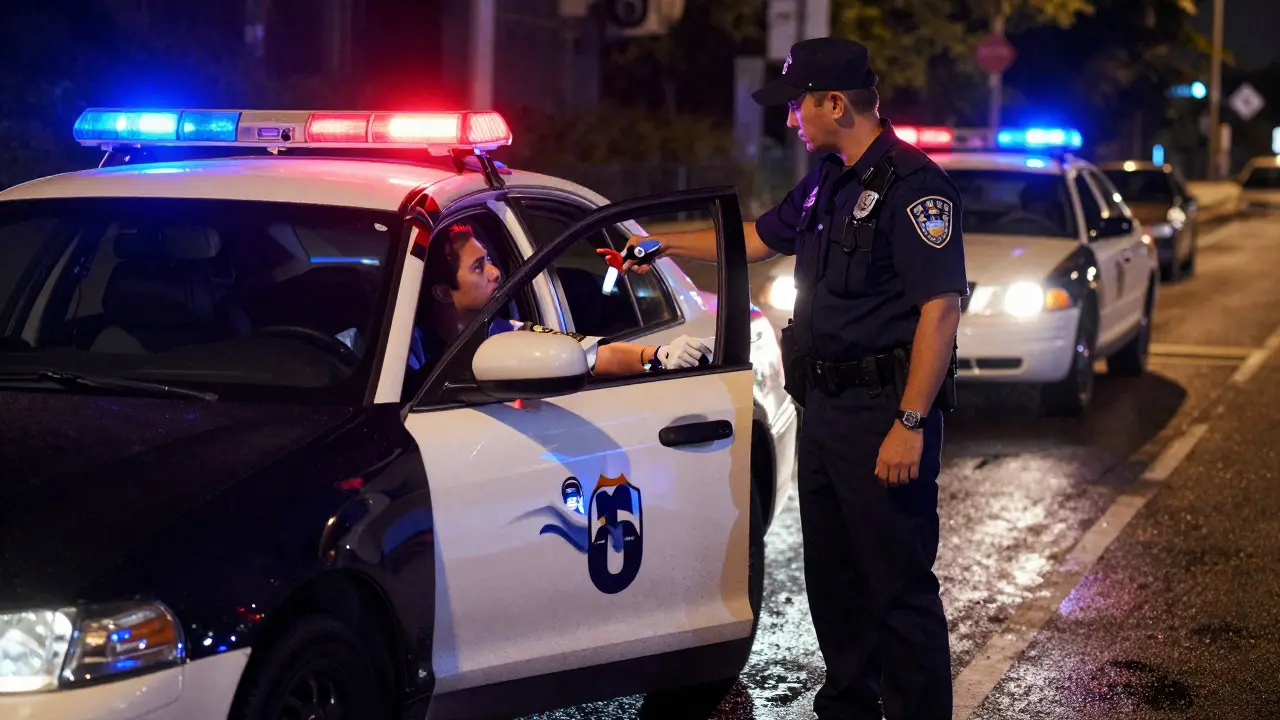
Getting pulled over for a suspected DUI is stressful enough, but the science behind the arrest can be even more confusing. When an officer cites you for driving under the influence, they aren't just guessing based on your slurred speech or swerving. They are relying on strict legal standards that define what constitutes impairment. Understanding these standards helps you see how a simple breath test or blood draw translates into a criminal charge.
The core of most DUI cases revolves around one number: Blood Alcohol Concentration (BAC). But it’s not just about hitting a specific decimal point. The law also allows for "per se" impairment, meaning you can be guilty even if your BAC is below the limit if your behavior shows you were unsafe to drive. This article breaks down the toxicological evidence used in court, the scientific methods behind the tests, and the legal hurdles that determine whether a case sticks.
Understanding Blood Alcohol Concentration (BAC)
Blood Alcohol Concentration (BAC) is the weight of alcohol present in a given volume of blood. In the United States, this is typically measured as grams of ethanol per 100 milliliters of blood, expressed as a percentage. For example, a BAC of 0.08% means there are 0.08 grams of alcohol in every 100 mL of blood.
This metric serves as the primary objective standard for DUI enforcement in all 50 states. While individual states may have lower limits for commercial drivers or minors, 0.08% remains the universal threshold for adult drivers. Why 0.08? It was established decades ago based on epidemiological studies showing a significant increase in accident risk at this level. However, toxicologists know that impairment begins well before 0.08%. At 0.05%, reaction times slow, and tracking ability decreases. This gap between "legal limit" and "actual impairment" is where many defense arguments focus.
BAC is not static. It fluctuates based on several physiological factors:
- Absorption: How quickly alcohol enters the bloodstream, influenced by stomach contents.
- Metabolism: The liver breaks down alcohol at a roughly constant rate, often cited as 0.015% to 0.017% per hour, though this varies by individual.
- Distribution: Alcohol distributes into body water, meaning people with higher body fat percentages may reach different peak BACs than those with more muscle mass.
Per Se vs. Per Se Impairment
It is crucial to distinguish between two legal concepts: per se DUI and common law DUI. These terms describe different paths to conviction.
- Per Se DUI: You are guilty simply because your BAC is at or above the legal limit (usually 0.08%). No proof of erratic driving is needed. If the test is accurate and the chain of custody is intact, the case is straightforward for prosecutors.
- Common Law (or General) DUI: You are guilty because your faculties were impaired to the extent that you could not drive safely. Your BAC might be 0.04%, or even 0.00%, but if you failed field sobriety tests or crashed, you can still be convicted. This relies heavily on officer observation and expert testimony regarding impairment levels.
In practice, prosecutors often charge both counts. If the lab results come back low, they fall back on the officer's observations. If the officer's notes are thin, they lean on the high BAC reading. This dual approach makes understanding the toxicology report essential for any defense strategy.
Testing Methods: Breath, Blood, and Urine
How do we measure BAC? There are three main methods accepted in courts, each with its own pros, cons, and potential error sources.
| Method | Accuracy | Cost | Primary Use Case | Potential Errors |
|---|---|---|---|---|
| Breath Test | Moderate (Field/Stationary units vary) | Low | Initial screening, roadside stops | Mouth alcohol, device calibration, temperature |
| Blood Test | High (Gold Standard) | High | Court evidence, accidents, commercial drivers | Chain of custody, hemolysis, sample handling |
| Urine Test | Lower (Estimates BAC) | Medium | Post-accident confirmation, rare roadside use | Concentration variability, timing issues |
Breath Tests rely on Henry's Law, which assumes a consistent ratio of alcohol in the lungs to alcohol in the blood (typically 2100:1). Modern evidentiary breathalyzers use infrared spectroscopy to detect ethanol molecules. However, these devices require rigorous maintenance. A dirty mouthpiece or a user who burped recently can skew results upward. Courts scrutinize the maintenance logs of these machines closely.
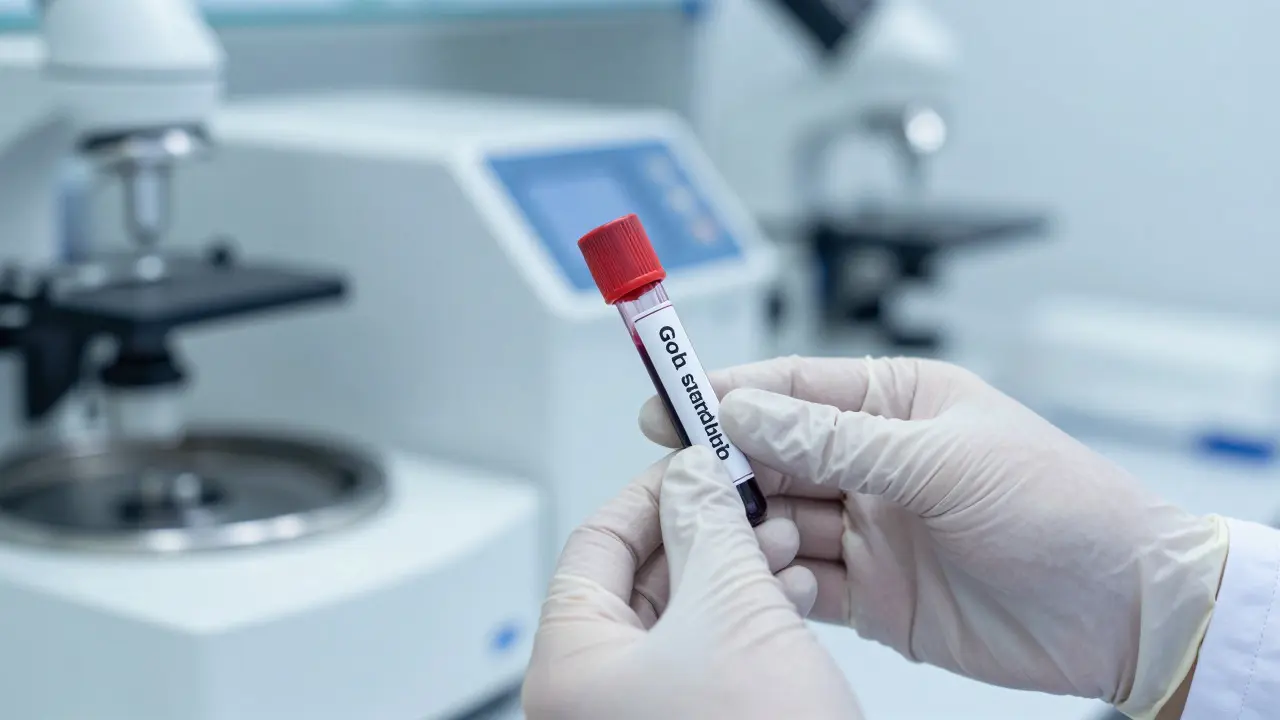
Blood Tests are considered the gold standard because they measure the actual substance in the bloodstream. They are usually performed in a certified laboratory using Gas Chromatography (GC). GC separates the components of the blood sample and identifies ethanol by comparing retention times against known standards. Because it is invasive, blood draws often require a warrant unless implied consent laws apply after an accident or arrest.
Urine Tests are less common for initial DUI charges because urine alcohol concentration does not correlate directly with BAC. It reflects the average BAC over the previous few hours. Therefore, urine results are rarely used to prove BAC at the exact time of driving, but rather to confirm recent consumption.
The Role of Forensic Toxicologists in Court
When a DUI case goes to trial, a Forensic Toxicologist may testify as an expert witness. Their job is not just to read numbers off a screen; they interpret the data within the context of human physiology.
Toxicologists analyze factors like the Widmark Factor, which estimates BAC based on body weight, gender, and amount consumed. While not perfect, this calculation helps reconstruct events when no direct measurement exists. They also evaluate the possibility of post-mortem changes in deceased victims, where putrefaction can produce endogenous ethanol, leading to false positives if not properly controlled for.
In living subjects, experts look at the partition coefficient. This is the ratio of alcohol in breath to alcohol in blood. Most instruments assume a standard partition coefficient of 2100:1. However, individual variation means some people might have ratios closer to 1900:1 or 2300:1. A defense attorney might argue that their client had a higher-than-average ratio, meaning their actual BAC was lower than the breath test indicated.
Legal Challenges and Chain of Custody
Even if the science is sound, the legal process must be flawless. The Chain of Custody documents every person who handled the evidence from the moment it was collected to the moment it entered the courtroom.
If a blood vial is left out too long without refrigeration, bacteria can ferment sugars in the blood, creating small amounts of ethanol. This can artificially raise the BAC reading. Similarly, if a breath tube isn't cleaned properly, residual alcohol from a previous subject can contaminate the next sample.
Key points of failure include:
- Time Gaps: Unexplained periods where the sample wasn't accounted for.
- Temperature Control: Blood samples must be kept at specific temperatures to prevent degradation.
- Preservatives: Sodium fluoride is added to blood tubes to stop bacterial growth. If missing, the sample may be inadmissible.
- Calibration Records: Breath machines must be calibrated regularly. Missing logs can invalidate results.

State Variations and Implied Consent
While 0.08% is the federal benchmark, state laws dictate the procedural aspects of DUI enforcement. Implied Consent Laws stipulate that by driving on public roads, you automatically agree to chemical testing if arrested for DUI.
If you refuse a breath test, you face administrative penalties, such as license suspension, independent of whether you are criminally charged. If you refuse a blood test, officers may seek a warrant. Recent Supreme Court decisions have emphasized that warrants are required for non-consensual blood draws, making police procedure critical. If officers fail to get a warrant when required, the evidence might be suppressed, potentially dropping the case.
Commercial drivers face stricter rules. Under Federal Motor Carrier Safety Administration (FMCSA) regulations, a BAC of 0.04% is sufficient for a civil penalty, and 0.08% leads to immediate disqualification from driving commercial vehicles. This lower threshold reflects the higher stakes involved in operating large trucks or buses.
Frequently Asked Questions
Is a breath test result always admissible in court?
Not necessarily. Breath test results are admissible if the device was properly calibrated, maintained, and operated according to manufacturer guidelines. Defense attorneys often challenge the maintenance logs or the operator's training. If the chain of custody or calibration records are flawed, the judge may exclude the evidence.
What is the difference between BAC and BEC?
BAC stands for Blood Alcohol Concentration, while BEC stands for Blood Ethanol Concentration. In the U.S., these terms are often used interchangeably, but technically, BAC refers to the percentage of alcohol in the blood, whereas BEC can refer to the absolute mass of ethanol. In legal contexts, BAC is the standard term used for the 0.08% limit.
Can food affect my BAC reading?
Yes, but indirectly. Food slows the absorption of alcohol into the bloodstream, delaying the peak BAC. It does not change the total amount of alcohol metabolized, only the timeline. Eating before drinking means you will reach a lower peak BAC sooner compared to drinking on an empty stomach, where absorption is faster and peaks are higher.
Why is blood testing considered more accurate than breath testing?
Blood testing measures the actual concentration of ethanol in the blood using laboratory-grade Gas Chromatography. Breath testing estimates BAC based on the assumption of a fixed partition coefficient between lung air and blood. Since individual physiology varies, breath tests carry a margin of error that blood tests eliminate, making blood the preferred method for high-stakes cases.
What happens if I fail a field sobriety test but have a low BAC?
You can still be charged with DUI under common law statutes. Field sobriety tests (like the Horizontal Gaze Nystagmus or One-Leg Stand) are designed to detect impairment below the legal limit. If the officer observes signs of intoxication, such as poor balance or delayed reactions, they can prosecute based on behavioral evidence alone, regardless of the final BAC number.