You take a standard workplace drug screen. You haven't touched illegal substances in years. The result comes back positive for amphetamines or opioids. Panic sets in. Is your job on the line? Are you facing legal trouble over a mistake?
This scenario is more common than you might think. Drug testing errors, specifically false positives and sample contamination, are real risks that can derail careers and distort medical diagnoses. While modern labs have improved significantly since the introduction of immunoassay technology in the 1970s, no test is perfect. Understanding why these errors happen-and how to fight them-is crucial for anyone subject to clinical, forensic, or employment screening.
Why Immunoassays Cause False Positives
To understand the error, you first need to understand the tool. Most initial drug screens use a method called immunoassay, which uses antibodies to detect specific drugs or their metabolites in urine, blood, or saliva.
The problem? Antibodies aren't always precise enough to distinguish between two molecules that look chemically similar. Think of it like a security guard checking IDs. If the guard is looking for "John Smith," they might mistakenly stop "Jon Smythe" because the names sound alike. In drug testing, this is called cross-reactivity.
Immunoassays are designed to be sensitive (catching every potential user) rather than specific (only catching the exact target). This design choice means they often flag legitimate medications, foods, and supplements as illicit drugs.
Common Culprits by Drug Class
Clinical reviews and health system guidance highlight several everyday items that trigger false alarms:
- Amphetamines: Antidepressants like bupropion (Wellbutrin), fluoxetine (Prozac), and trazodone (Desyrel) frequently cause false positives. ADHD medications such as methylphenidate (Ritalin) and even some beta-blockers like labetalol can also trigger this screen.
- Opioids/Opiates: This is perhaps the most notorious category. Quinolone antibiotics (levofloxacin, ofloxacin), the antipsychotic quetiapine (Seroquel), and the common antihistamine diphenhydramine (Benadryl) can mimic opiates. And yes, poppy seeds still hold power here.
- Benzodiazepines: Common pain relievers like ibuprofen (Advil, Motrin) and the SSRI sertraline (Zoloft) have been documented to cross-react with benzodiazepine tests.
- Barbiturates: Ibuprofen again, along with naproxen sodium (Aleve) and sleep aids like doxylamine (Unisom).
- Cannabis (THC): CBD oil, hemp foods, and certain vitamin B supplements made from hemp seed oil can trigger THC screens, especially if the product contains trace amounts of THC despite labeling claims.
If you are taking any of these, do not assume the test is wrong immediately-but do prepare for the possibility that it will flag you.
The Food Factor: Poppy Seeds and Beyond
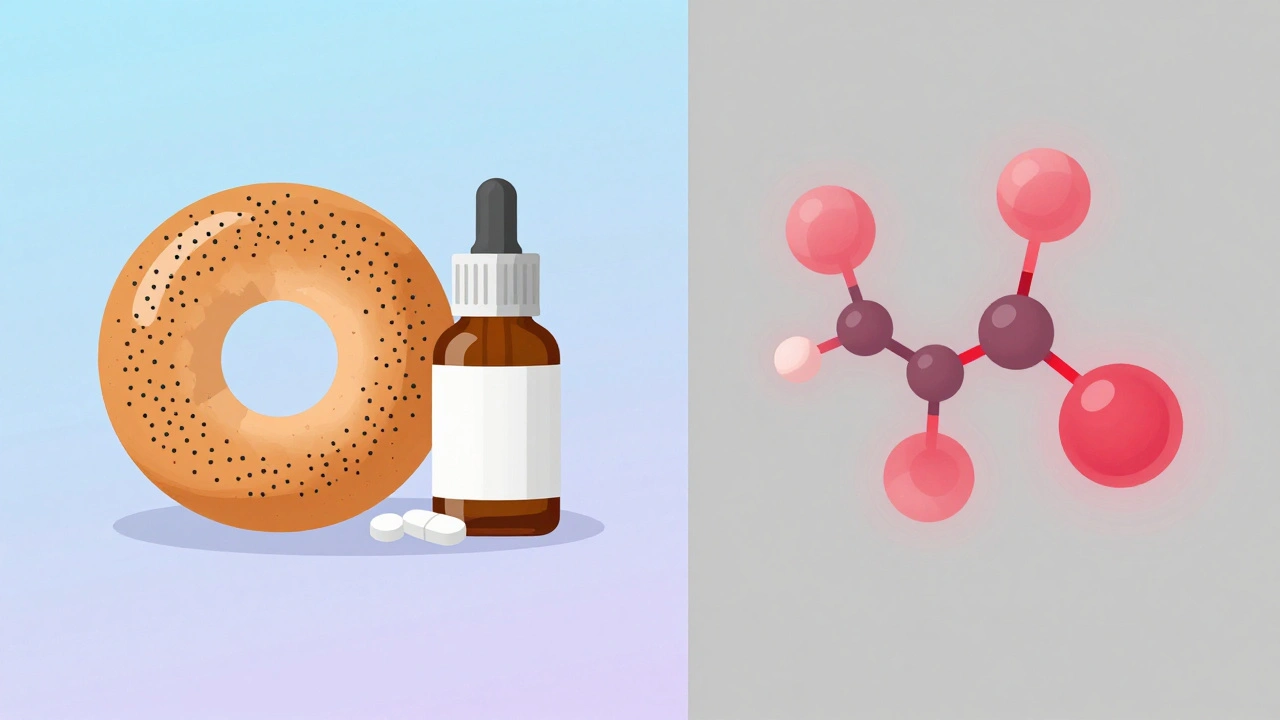
It’s not just prescription meds. What you eat can show up in your urine. Poppy seeds naturally contain morphine and codeine. Eating a bagel topped with poppy seeds, or consuming pastries containing them, can yield an opiate-positive urine test depending on the quantity consumed and the assay's cutoff level.
Other dietary culprits include:
- Coca tea: Widely consumed in parts of South America, this contains cocaine alkaloids and will cause a positive cocaine test.
- Hemp products: As mentioned, unregulated hemp-derived products may contain measurable THC.
- Tonic water: Contains quinine, which can sometimes interfere with certain screens, though less commonly than the others listed above.
Occupational testing providers recommend avoiding these known problematic foods for 24-72 hours before a scheduled test to reduce risk.
Contamination: When the Sample Gets Dirty
A false positive isn't always about your body chemistry. Sometimes, the error happens outside of you. Contamination introduces foreign substances into the sample or the testing process, leading to incorrect results. This can occur at three distinct stages:
- Pre-analytical (Collection & Handling): If collection surfaces, gloves, or containers have residual drug traces, these can transfer to your urine or oral fluid. For example, if a collector reuses gloves without changing them, or if a collection cup wasn't properly sealed, environmental contaminants can enter the sample.
- Analytical (Lab Instruments): Even high-tech machines like Gas Chromatography-Mass Spectrometry (GC-MS) can suffer from "carryover." If a strongly positive sample runs right before yours, and the instrument isn't thoroughly cleaned, trace amounts of the analyte can carry over into your negative sample. Labs mitigate this using "run blanks"-clean samples run periodically to check for contamination.
- Post-analytical (Reporting): Human error plays a role here too. Sample mix-ups or mislabeling can swap your results with someone else's. A famous case described in JAMA involved a physician reported positive due to potential sample exchange or contamination, highlighting how clerical errors can have severe professional consequences.
Rigorous chain-of-custody protocols-tamper-evident seals, multi-copy custody forms, and documented transfers-are essential to preventing these mishaps.
The Safety Net: Confirmatory Testing
Here is the good news: An initial positive screen is not a final verdict. In regulated workplace testing (like federal DOT programs) and reputable clinical settings, a two-step process is mandatory.
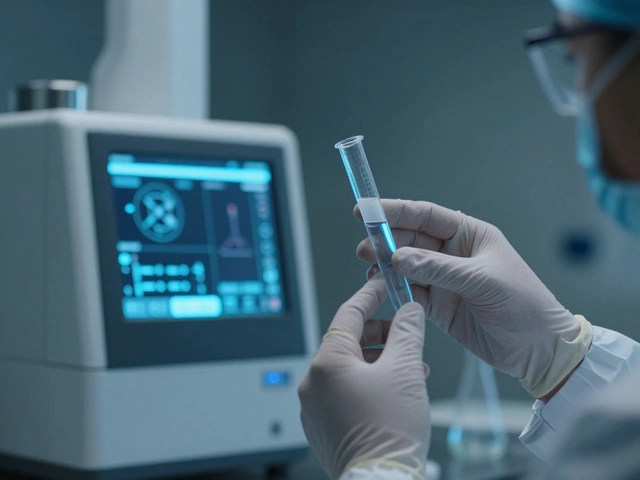
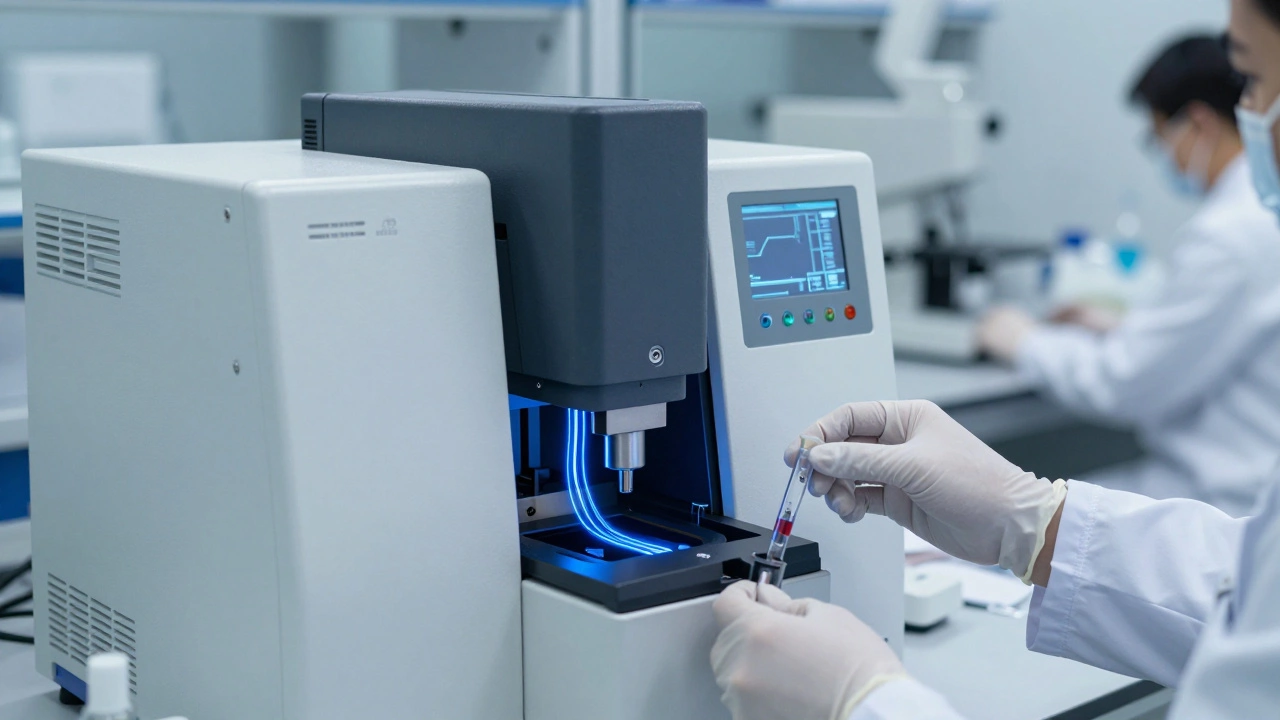
Step 1 is the cheap, fast immunoassay screen. Step 2 is confirmatory testing using Gas Chromatography-Mass Spectrometry (GC-MS) or Liquid Chromatography-Tandem Mass Spectrometry (LC-MS/MS).
These methods are highly specific. They don't just look for a general shape; they identify the exact molecular fingerprint of the drug. If the immunoassay flagged you because of bupropion, the GC-MS will see that it is bupropion-not methamphetamine-and clear you.
In the US, Medical Review Officers (MROs)-certified physicians-review any positive lab result. Their job is to contact you, ask about prescriptions, and determine if there is a legitimate medical explanation before reporting the result as "positive" to your employer. Never skip this step. Always talk to the MRO.
How to Protect Yourself Before the Test
You can't control the lab's equipment, but you can control what goes into your body and how you prepare.
- Disclose Everything: Provide a comprehensive written list of all prescription medications, over-the-counter drugs, herbal products, and supplements before testing. This gives the MRO ammunition to defend you if a screen flags something unexpected.
- Watch Your Diet: Avoid poppy seeds, coca tea, and unverified hemp/CBD products for 2-3 days prior to the test.
- Hydrate Normally: Stay hydrated, but don't chug gallons of water right before the test. Highly concentrated urine may show stronger signals, but deliberately diluting your sample can lead to a "dilute" result, which may require retesting or raise suspicion of tampering.
- Check Supplement Labels: Be wary of unregulated diet pills or bodybuilding supplements. Some have contained undeclared stimulants that act like amphetamines. Stick to reputable brands with third-party verification.
What to Do If You Get a Positive Result
If you receive a preliminary positive, stay calm. Do not admit guilt or panic. Take these steps:
- Request Confirmation: Ask for GC-MS or LC-MS/MS confirmation. This is your right in most regulated testing scenarios.
- Provide Documentation: Give copies of your prescriptions and supplement labels to the MRO or testing administrator.
- Review the Chain of Custody: Check if there were any irregularities in how your sample was collected, sealed, or transported. Any break in the chain can invalidate the result.
- Seek Legal or HR Advice: If the result stands and threatens your employment or legal status, consult with an attorney or human resources representative immediately.
| Feature | Immunoassay Screen | GC-MS / LC-MS/MS Confirmation |
|---|---|---|
| Purpose | Initial detection (presumptive) | Definitive identification |
| Specificity | Low (prone to cross-reactivity) | High (near 100% analytical specificity) |
| Cost | Low ($30-$60 per test) | Higher (varies by panel) |
| Turnaround Time | Minutes to 1-3 days | 1-2 additional days |
| Error Risk | False positives common | False positives extremely rare |
Frequently Asked Questions
Can I fail a drug test from eating poppy seeds?
Yes, it is possible. Poppy seeds contain natural morphine and codeine. Consuming foods like bagels or pastries with poppy seeds can lead to a positive result on an opiate immunoassay screen. However, confirmatory testing (GC-MS) can often distinguish between recent ingestion of poppy seeds and actual opioid drug use, depending on the levels detected and the specific metabolites present.
What medications commonly cause false positives for amphetamines?
Several common medications can cause false positives for amphetamines, including antidepressants like bupropion (Wellbutrin), fluoxetine (Prozac), and trazodone (Desyrel). ADHD medications such as methylphenidate (Ritalin), the beta-blocker labetalol, and over-the-counter decongestants containing pseudoephedrine or ephedrine are also frequent culprits.
Is a positive immunoassay screen considered a failed drug test?
No. In regulated testing environments (such as federal workplace testing), an initial positive immunoassay screen is only presumptive. It must be followed by confirmatory testing using GC-MS or LC-MS/MS. Only after confirmation, and review by a Medical Review Officer (MRO) who considers legitimate prescriptions, is a result officially reported as positive.
How does sample contamination happen during drug testing?
Contamination can occur through several routes: environmental residues on collection cups or gloves transferring to the sample, carryover from previous samples in laboratory instruments if cleaning protocols fail, or clerical errors such as mislabeling or swapping samples. Strict chain-of-custody procedures and regular lab quality controls (like running blank samples) are used to prevent these issues.
Can CBD oil cause a positive THC drug test?
Yes. Many CBD products are unregulated and may contain trace amounts of THC, even if labeled "THC-free." Additionally, some hemp-derived products can cross-react with cannabinoid immunoassays. To minimize risk, avoid CBD and hemp products for several days before a scheduled drug test.
What should I do if I believe my drug test result is a false positive?
First, request confirmatory testing via GC-MS or LC-MS/MS. Second, provide a complete list of all prescription medications, over-the-counter drugs, and supplements to the Medical Review Officer (MRO). Third, review the chain-of-custody documentation for any irregularities. Finally, if the result remains disputed and has serious consequences, seek advice from legal counsel or HR.