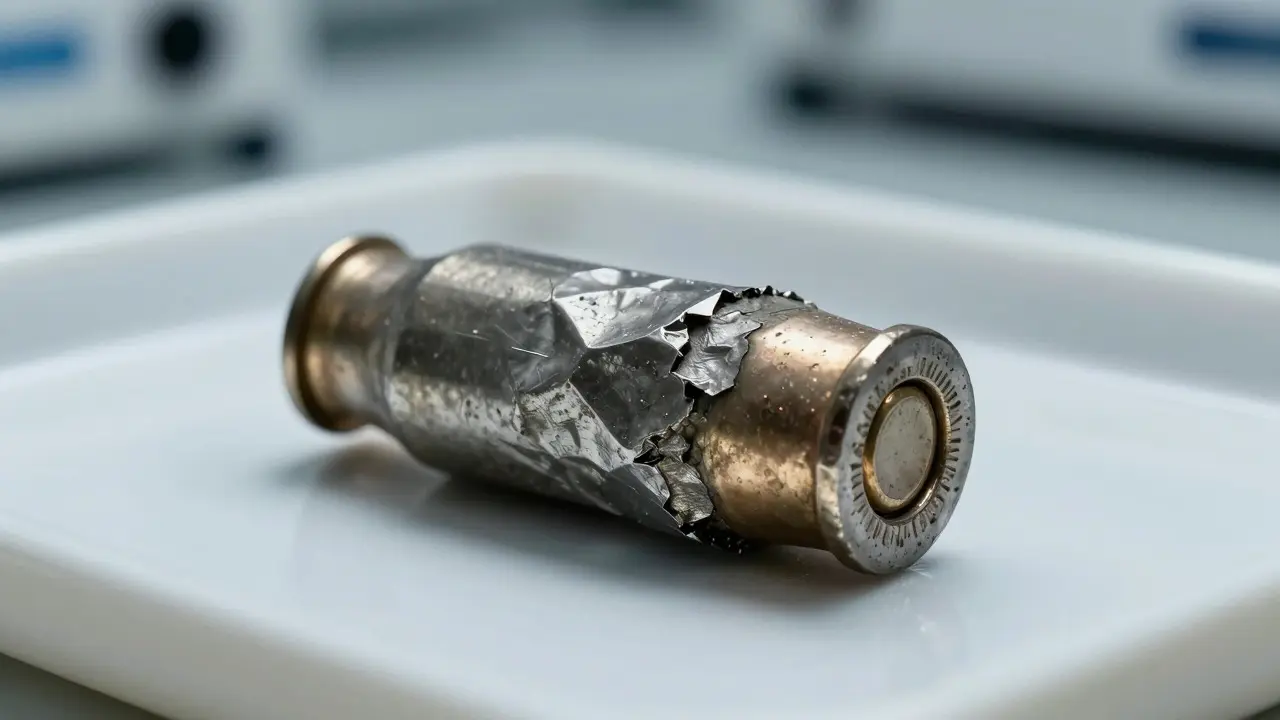
Imagine a detective staring at a single, deformed lead fragment recovered from a crime scene. For decades, matching that piece to a specific gun was a gamble based on luck and the sharp eye of a human examiner. Today, 3-D Ballistic Imaging is a digital technology that captures high-resolution surface topography of bullets and cartridge cases to automate firearm identification. It replaces subjective visual checks with objective, data-driven comparisons, drastically reducing false positives and speeding up investigations. This shift isn't just about faster lab work; it’s about changing how we trust physical evidence in courtrooms across the United States.
Why Traditional Microscopy Is Hitting Its Limits
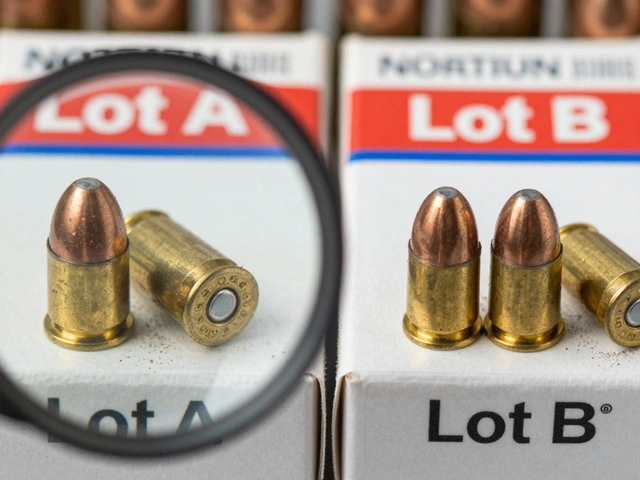
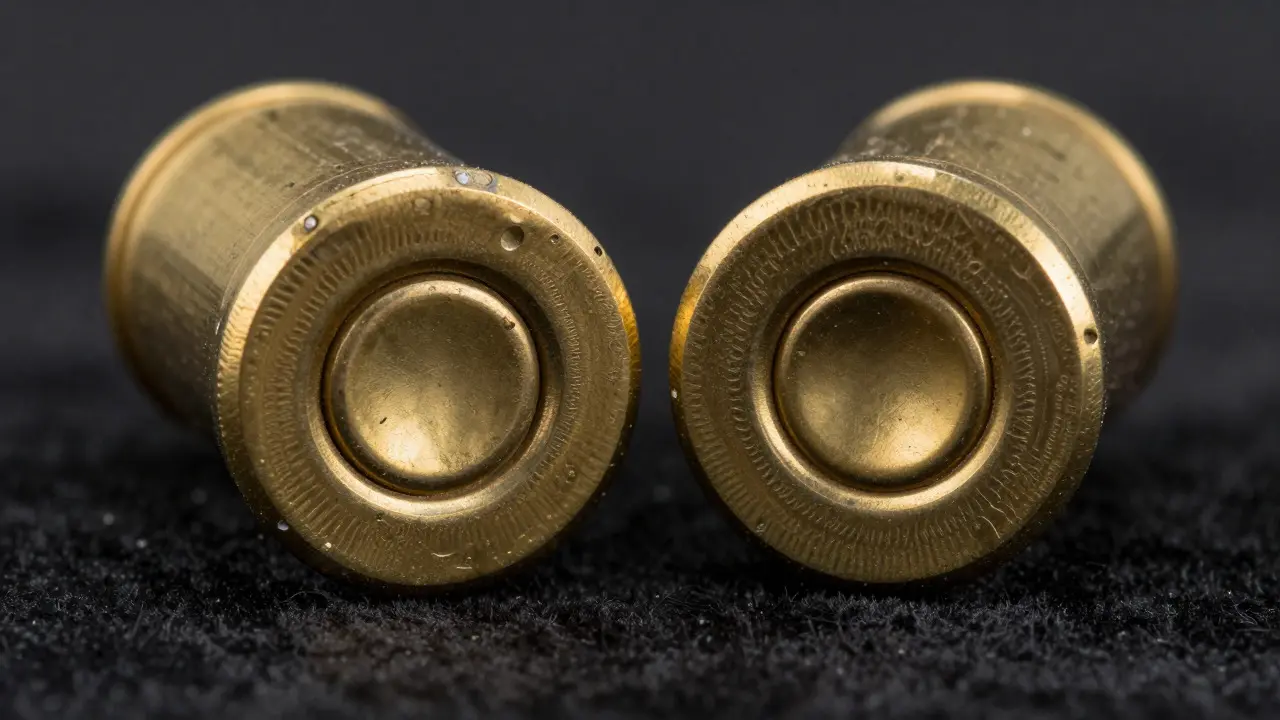
Standard forensic ballistics relies on comparison microscopes. Two examiners look through lenses at a test-fired bullet and a crime-scene bullet, searching for matching striations-tiny scratches left by the barrel's rifling. While effective, this method has flaws. Human fatigue sets in after hours of squinting. More importantly, two experts might disagree on whether a match is positive or inconclusive. Studies have shown that even experienced examiners can miss subtle details or misinterpret wear patterns on older firearms.
The core issue is subjectivity. A human eye sees a pattern; a computer sees data. When you digitize the surface of a bullet, you eliminate the "gut feeling" factor. You get a repeatable measurement. If Exam A says the surfaces match 98%, Exam B will also say 98% if they use the same software and calibration. That consistency is what modern courts increasingly demand.
How 3-D Imaging Captures Surface Topography
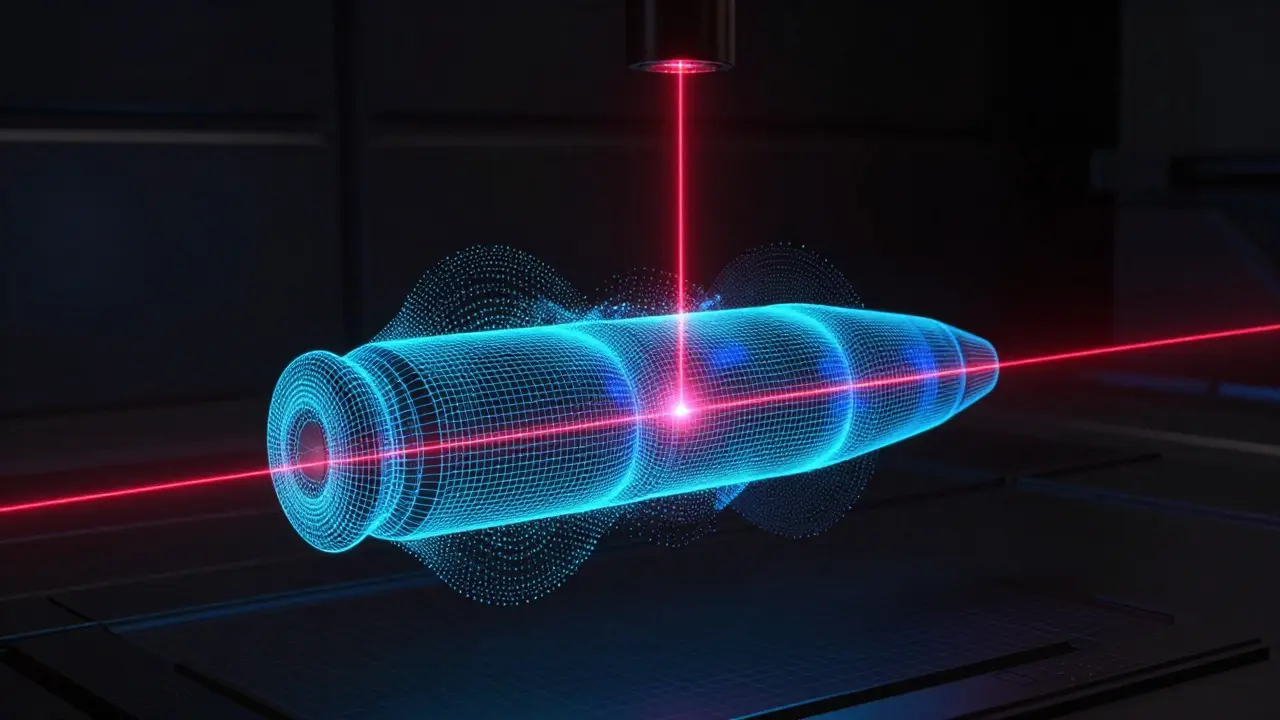
The process starts with a specialized scanner, often using laser confocal microscopy or white-light interferometry. These tools don't just take a photo; they build a 3D map of the bullet's surface. Every ridge, valley, and scratch becomes a point in a digital cloud. The system measures height variations down to microns. This creates a unique fingerprint for that specific bullet fired from that specific barrel.
Once the data is captured, the software normalizes the images. Bullets deform upon impact, so the software aligns the crime-scene sample with the test-firing samples. It then calculates a correlation score. High scores indicate a strong match. Low scores suggest different sources. This quantitative approach turns a binary question-"Does it match?"-into a statistical probability.
The Role of Automated Search Systems
Capturing data is only half the battle. The other half is finding matches in a database. Enter Integrated Ballistic Identification System (IBIS) and its successor, Next Generation IBIS (NG-IBIS). These systems store millions of 3D images of spent casings and bullets. When a new case comes in, the examiner uploads the 3D scan. The algorithm searches the entire national database for similar patterns.
This isn't magic; it's math. The system looks for unique feature points-distinctive marks caused by manufacturing imperfections in the barrel. No two barrels are identical, even from the same model and serial number. Therefore, the striation pattern is unique to the source firearm. NG-IBIS improves on older versions by handling complex deformations better and offering higher resolution scans, which reduces noise in the data.
Accuracy, Reliability, and Courtroom Acceptance
Skeptics often ask: Can a machine be wrong? Yes, but rarely. The main risk isn't the scanner failing; it's the interpretation. If the software parameters are set too loosely, it might flag unrelated bullets as potential matches. If set too tightly, it might miss valid ones. Labs must validate their protocols rigorously. The American Academy of Forensic Sciences (AAFS) provides guidelines to ensure these systems meet scientific standards.
In court, defense attorneys love to challenge old-school testimony. With 3D imaging, the prosecution presents raw data files, not just an expert's opinion. Judges and juries tend to view numerical data as more objective than visual inspection. This doesn't mean the technology is infallible, but it shifts the burden of proof. The defense now has to argue against the data, not just the person who looked at it.
Comparison: Traditional vs. 3-D Digital Methods
To understand the leap in capability, let's compare the two approaches side-by-side. The differences go beyond speed; they touch on reproducibility and error rates.
| Feature | Traditional Comparison Microscope | 3-D Ballistic Imaging |
|---|---|---|
| Data Type | Visual (2D light intensity) | Quantitative (3D surface height) |
| Subjectivity | High (depends on examiner) | Low (algorithmic scoring) |
| Search Speed | Manual, slow | Automated, near-instantaneous |
| Reproducibility | Variable between examiners | Consistent across runs |
| Cost per Analysis | Labor-intensive | Hardware-heavy, low marginal cost |
Notice the trade-off: 3D imaging requires expensive hardware and software licenses, but it saves massive amounts of labor time once installed. For large metropolitan labs, the return on investment is clear. For smaller rural labs, shared access models are emerging to make the technology accessible.
Challenges and Future Directions
Despite its power, 3D ballistic imaging faces hurdles. Corrosion, severe deformation, or partial recovery of a bullet can degrade the signal-to-noise ratio. If the critical feature points are damaged, even the best scanner can't recover them. Researchers are currently working on AI-enhanced algorithms that can predict missing data based on surrounding patterns, potentially solving this issue.
Interoperability is another concern. Different manufacturers use different file formats and scoring metrics. Standardization efforts are underway to ensure that a scan taken in Portland can be seamlessly compared with one taken in Phoenix without conversion errors. As these standards solidify, the technology will become even more robust.
Frequently Asked Questions
Is 3-D ballistic imaging admissible in all US courts?
Generally, yes, provided the lab follows validated protocols. Courts apply the Daubert standard, which requires scientific validity and reliable application. Since 3D imaging uses established mathematical principles and peer-reviewed validation studies, it meets these criteria in most jurisdictions. However, local rules may vary, so pre-trial hearings are common.
Can 3-D imaging identify a gun from a single bullet fragment?
It depends on the size and condition of the fragment. If the fragment contains enough unique striations or feature points, yes. However, very small or heavily corroded fragments may lack sufficient data for a confident match. The software will usually provide a confidence score indicating the strength of the evidence.
How does 3-D imaging differ from 2-D laser scanning?
2-D laser scanners capture surface texture via light reflection, while 3-D systems measure actual height variations. 3-D data is more robust because it accounts for depth, making it less sensitive to lighting conditions and surface reflectivity changes. This makes 3-D superior for comparing deformed or dirty samples.
What is the typical turnaround time for 3-D ballistic analysis?
Scanning a bullet takes minutes. Database search takes seconds to minutes. The bottleneck is usually queue management in the lab, not the technology itself. In high-volume labs, results can be available within 24-48 hours, compared to weeks for traditional manual searches in backlogged facilities.
Do I need a new microscope to use 3-D imaging?
Not necessarily. Many 3-D systems are standalone units or attach to existing optical setups. However, integration with existing laboratory information management systems (LIMS) is crucial for workflow efficiency. Most modern forensics labs are upgrading their infrastructure to support digital workflows alongside traditional tools.