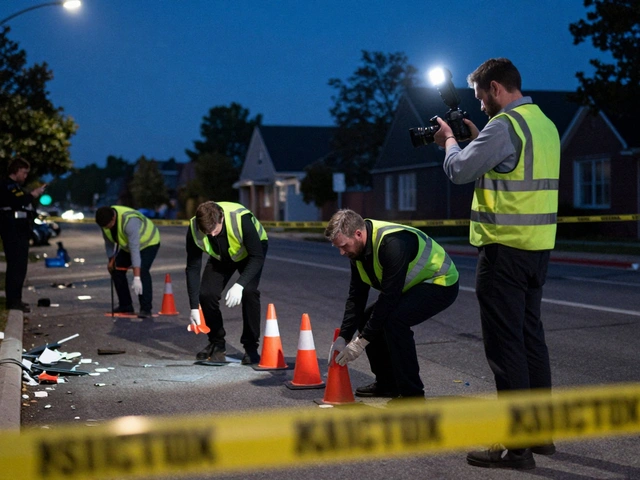
The smell of bleach and the hum of industrial dehumidifiers are the last things a family expects to encounter in their home. Yet, for thousands of households in Portland, a major city in the Pacific Northwest known for its diverse neighborhoods and rainy climate, the aftermath of a biohazard incident is less about the mess and more about the silence that follows. When a loved one passes away at home or an accident leaves a scene requiring professional intervention, the physical removal of debris is only half the battle. The other half is helping the family process what happened without feeling like they are walking through a crime scene in their own living room.
Biohazard cleanup is the specialized process of removing biological contaminants such as blood, body fluids, and decomposing remains from residential or commercial spaces. It is a technical job involving OSHA regulations, PPE, and air scrubbers. But when you strip away the technical jargon, it is fundamentally a service designed to restore safety and normalcy. The emotional toll on families can be just as heavy as the physical damage, often leading to prolonged anxiety, sleep disturbances, and a sense of loss that lingers long after the technicians have packed up their gear.
Why the Emotional Toll Is Often Overlooked
Most families focus on the logistics: Who cleans it? How much does it cost? How fast can we move back in? These are valid questions, but they mask a deeper issue. The sudden intrusion of death or severe injury into a private space shatters the illusion of safety. For parents who lose a child, or spouses who find a partner in a tragic state, the house becomes a trigger rather than a sanctuary. This phenomenon is closely linked to Post-Traumatic Stress Disorder, a mental health condition triggered by experiencing or witnessing a terrifying event, where the brain fails to process the shock effectively.
Research in grief counseling suggests that the environment plays a critical role in healing. If a home smells like chemical cleaners or feels sterile and empty, the mind associates the space with the traumatic event. Conversely, a home that has been restored to its pre-incident state helps signal to the nervous system that danger has passed. This is why Grief Counseling, therapeutic support provided to individuals coping with loss, focusing on processing emotions and adjusting to life changes often works best when paired with environmental restoration. The two processes are not separate; they are parallel tracks of the same journey.
The Role of Professional Cleanup Teams in Emotional Care
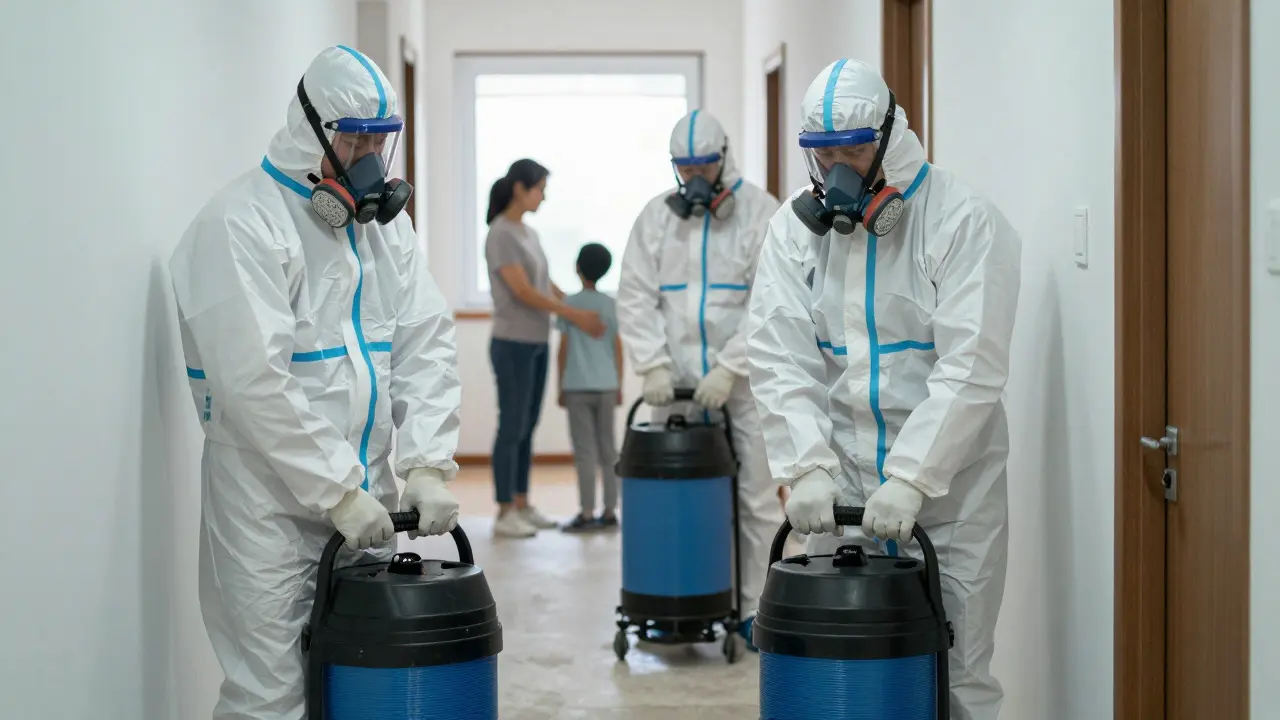
You might assume that Certified Restoration Specialists (CRS) are just technicians. In reality, the most effective teams act as temporary anchors of stability. When a crew arrives, they bring order to chaos. They set up containment barriers, label equipment, and communicate clearly. This predictability is calming. A family member watching a professional explain exactly what will happen next-"We will contain this area, remove the materials, and sanitize the walls"-experiences a reduction in cognitive load. They don't have to guess or worry about the unknown.
However, not all crews are trained in soft skills. A good restoration company understands that the client is in a vulnerable state. This means avoiding blunt language, respecting privacy, and allowing family members to observe if they wish, or stay away if they prefer. The goal is to make the cleanup process feel controlled, not invasive. When the team finishes, they should leave behind not just a clean space, but a sense of closure.
Practical Steps for Families During the Process
If you are currently navigating this difficult time, here are concrete ways to manage your emotional well-being while the cleanup happens:
- Create a "Safe Zone" outside the home. Do not force yourself to watch every step. Designate a friend's house, a park, or a quiet café as your base camp. Give your brain a break from the visual and olfactory triggers.
- Limit exposure to media. News reports about similar incidents can re-traumatize. Stick to factual updates from your cleanup provider and avoid sensationalized stories.
- Document the process. Take photos of the before and after states. This creates a tangible record of progress, which can help in processing the transition from crisis to resolution.
- Ask for specific accommodations. Tell the lead technician if you need them to work quietly, if you want to see certain rooms, or if you need extra time to say goodbye to personal items. Most professionals appreciate clear instructions.

Restoring Normalcy: Beyond the Physical Clean
Once the biohazard materials are gone, the psychological restoration begins. This phase involves reintroducing familiar scents, sounds, and routines. Many families find that simply opening windows, playing favorite music, or inviting a close friend over helps reset the atmosphere. The goal is to reclaim the space. It is no longer a "scene"; it is a home again.
Consider the concept of Residential Property Value, the market price of a home based on location, condition, and comparable sales. While this seems unrelated to emotion, it is a practical concern. Proper documentation of the cleanup ensures that the property retains its value and that there are no hidden liabilities. Knowing that the job was done correctly by certified professionals provides peace of mind that extends beyond feelings-it protects your financial future.
| Action Type | Focus Area | Recommended Timing | Key Benefit |
|---|---|---|---|
| Professional Containment | Physical Safety | Within 24-48 hours | Prevents secondary contamination and reduces immediate stress |
| Grief Counseling Session | Mental Health | Within 1 week | Provides professional framework for processing loss |
| Home Re-entry Ritual | Psychological Closure | After final inspection | Signals to the brain that the crisis has ended |
| Property Documentation Review | Financial Security | Upon completion | Ensures insurance claims and resale value are protected |
When to Seek Additional Professional Help
Sometimes, the weight of the event requires more than self-care and a clean house. Signs that you might need additional Mental Health Professional support include persistent nightmares, avoidance of specific rooms, or a complete loss of appetite. These are not signs of weakness; they are signals that your nervous system needs guided assistance. Integrating therapy with the cleanup timeline can be highly effective. Therapists who understand the specifics of biohazard events can help distinguish between normal grief reactions and complications that require intervention.
In communities like Portland, access to local resources is crucial. Knowing where to find trusted counselors, support groups, and reputable restoration companies can make the difference between a slow, painful recovery and a manageable transition. The key is to treat the emotional side with the same urgency and professionalism as the physical cleanup. Both are essential for returning to a life that feels safe, stable, and yours again.
How long does the emotional impact of a biohazard cleanup last?
The duration varies significantly by individual. For many, acute stress subsides within a few weeks once the home is restored. However, complex grief or PTSD symptoms can persist for months without proper support. Regular check-ins with a mental health professional can help monitor progress and intervene early if needed.
Should family members be present during the cleanup?
It depends on the person's resilience. Some find comfort in seeing the problem being solved, while others find it distressing. Discuss this with the lead technician beforehand. If you choose to stay away, ask for regular photo updates to maintain a sense of control without direct exposure.
Does biohazard cleanup affect property value?
If handled correctly and documented properly, biohazard cleanup should not negatively impact property value. In fact, thorough remediation ensures the home meets health standards, making it attractive to future buyers. Poorly documented cleanups can raise red flags during inspections, so keep all certificates and invoices.
What is the difference between grief counseling and trauma therapy?
Grief counseling focuses on adapting to the loss of a person or way of life. Trauma therapy addresses the physiological and psychological effects of a shocking event. In cases of biohazard incidents involving death, both may be relevant. A therapist can determine the appropriate approach based on your specific symptoms and history.
How can I help children cope after a biohazard event at home?
Use age-appropriate language to explain what happened and what is being done to fix it. Maintain routines as much as possible, as structure provides security. Allow children to express their feelings through drawing or play, and reassure them that the home is safe now that the professionals have finished their work.