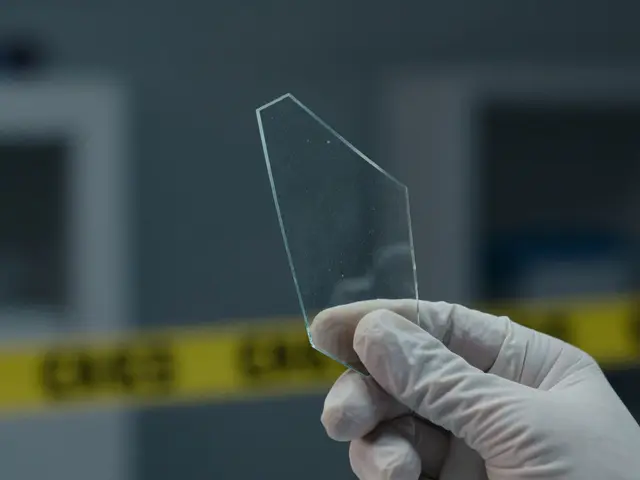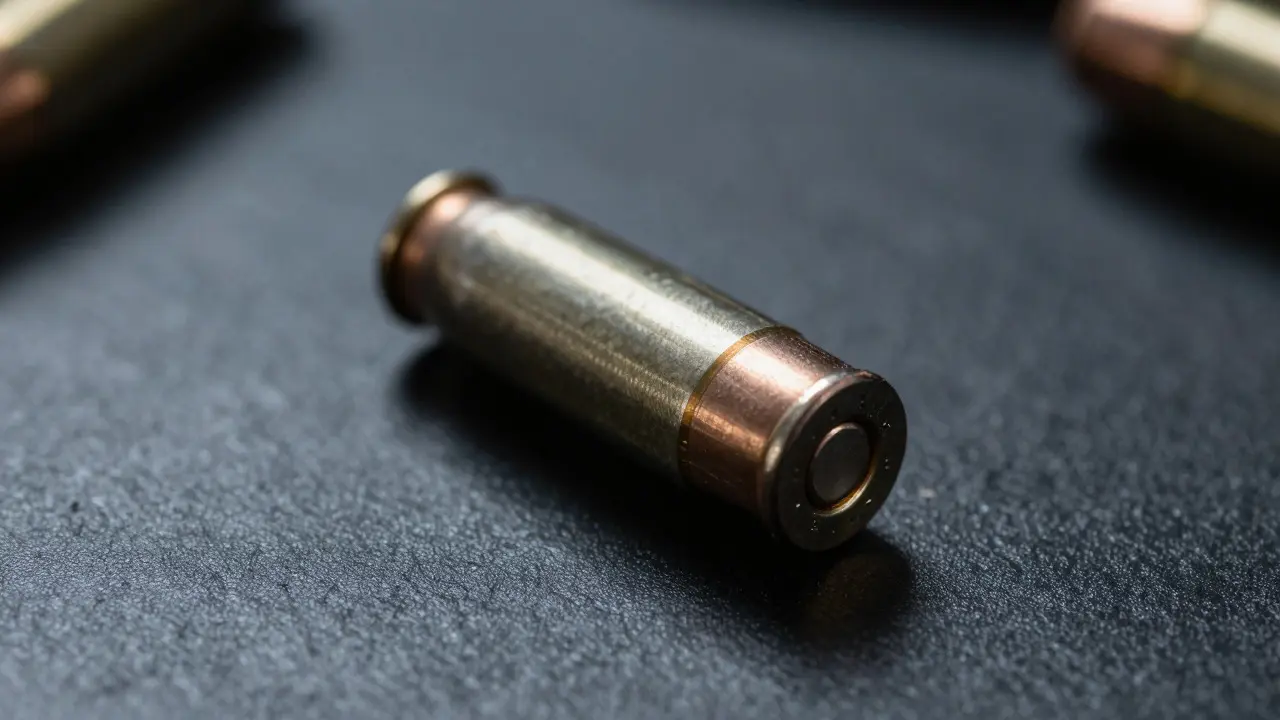
Imagine holding a single bullet recovered from a crime scene. To most people, it looks like any other piece of metal. But to a forensic examiner, that tiny cylinder holds a fingerprint of the gun that fired it. The key lies in class characteristics. These are the macroscopic features that tell you what *type* of weapon was used, but not necessarily which specific one. Understanding this distinction is the first step in unraveling how a shooting happened and who might be responsible.
Many people confuse class characteristics with individual characteristics. They are two different sides of the same coin. Class characteristics identify the category-like saying a car is a Toyota Camry. Individual characteristics identify the specific unit-like saying it’s *your* blue 2018 Camry with the dent on the bumper. In firearms, knowing the class narrows the search from millions of guns to a manageable subset. It doesn’t solve the case alone, but it points investigators in the right direction before they even start looking for unique marks.
What Are Class Characteristics?
Class characteristics are the physical dimensions and design features of a projectile or cartridge case that indicate the general make, model, or caliber of the firearm that fired it. These features are determined by the manufacturing specifications of the ammunition and the firearm itself. Because thousands of guns of the same model are produced using similar tooling and standards, these traits are shared among all weapons of that class.
Think of it like a shoe print. If you find a size 10 Nike sneaker print, you know it came from a Nike sneaker (class), but you don’t know whose foot made it without looking at the tread wear patterns (individual). In ballistics, the "size" and "brand" are measured through precise metrics like diameter, length, and rifling count.
- Caliber: The internal diameter of the barrel, measured in millimeters or inches. This is the most basic identifier.
- Rifling Count: The number of grooves cut into the barrel. A .38 Special revolver typically has 5 or 6 lands and grooves, while a 9mm pistol often has 6.
- Direction of Twist: Whether the rifling spirals clockwise (right-hand) or counter-clockwise (left-hand). Most modern firearms use right-hand twist, but exceptions exist.
- Land-to-Groove Width Ratio: The relative width of the raised parts (lands) versus the recessed parts (grooves) in the barrel.
Reading the Bullet: Key Metrics Examiners Use
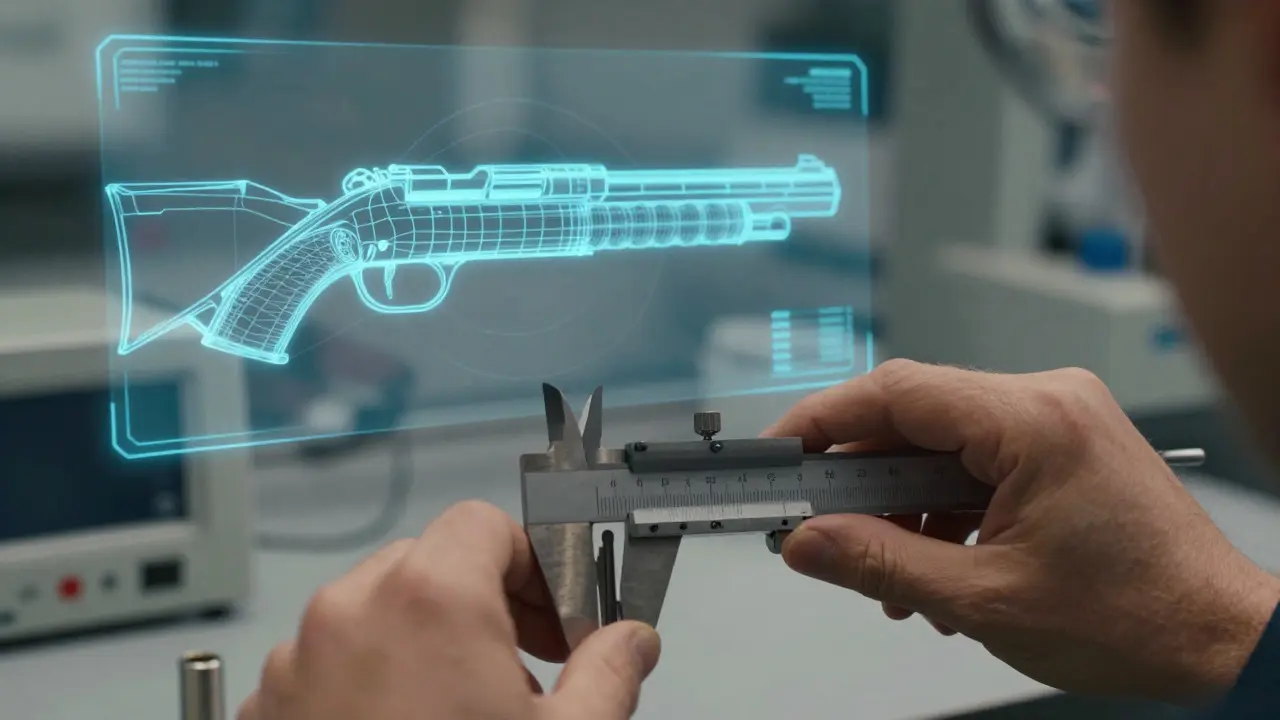
When a bullet arrives at the lab, the examiner doesn’t just look at it; they measure it. Using tools like calipers and comparison microscopes, they gather data that maps directly to known firearm databases. Here is what they look for on the projectile itself:
| Characteristic | What It Tells You | Example Values |
|---|---|---|
| Diameter | Identifies the caliber family | 9mm (9.0-9.3mm), .45 ACP (11.5-11.7mm) |
| Length | Narrows down specific cartridge types | 9mm Luger (~19mm), 9mm Parabellum (~19mm) |
| Number of Grooves | Matches specific barrel designs | 5, 6, or 7 grooves are common |
| Twist Direction | Eliminates half of potential weapons immediately | Clockwise (Right) vs. Counter-Clockwise (Left) |
| Striation Spacing | Indicates barrel diameter precision | Consistent within a manufacturer's batch |
Notice that none of these point to a serial number. They point to a design. If a bullet shows 6 right-hand twist grooves and a diameter of 9.1mm, an examiner can confidently say it likely came from a 9mm semi-automatic pistol, such as a Glock 17 or a Beretta 92FS. This eliminates revolvers, shotguns, and rifles from the initial suspect list.
The Role of Cartridge Cases
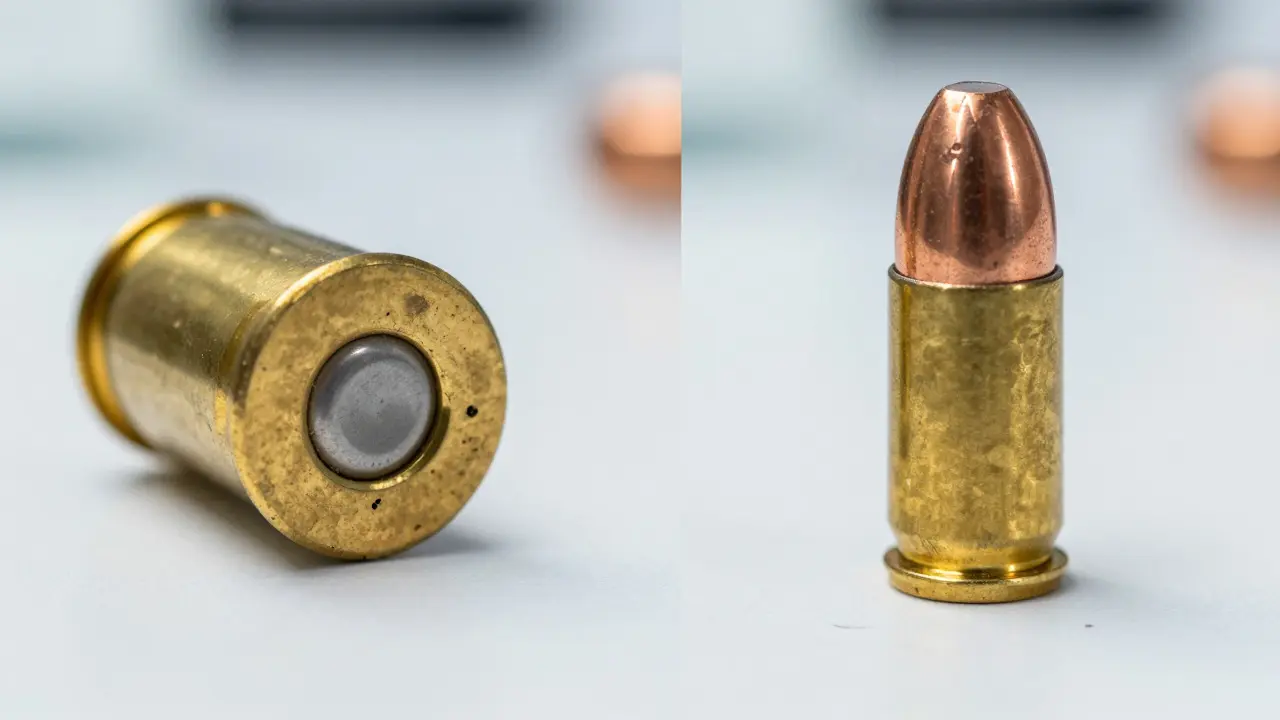
Bullets aren’t the only evidence. The empty casing, or cartridge case, is the metal shell that holds the propellant and primer, which remains at the scene after firing, provides its own set of class characteristics. While bullets show where the projectile went, cases show where the mechanism worked.
Examiners look at the headstamp first. This is the impression left by the breech face of the gun. It includes:
- Manufacturer Markings: Logos or initials of the ammo maker (e.g., Winchester, Federal).
- Caliber Identification: Text indicating the round type (e.g., ".45 AUTO").
- Firing Pin Impression: The shape and depth of the dent in the primer. A large, deep dent might suggest a high-pressure round or a specific firing pin geometry.
- Ejection Port Marks: Scuffs or scratches near the rim where the case was pushed out of the chamber.
These marks help distinguish between semi-automatic pistols and revolvers. Revolver cases often have different ejection patterns because the entire cylinder rotates. Semi-automatics eject via a spring-loaded extractor. The geometry of these interactions leaves distinct class-level signatures.
Why Class Identification Matters Before Individual Matching
You might wonder why we bother with class characteristics if the goal is to match a specific gun. The answer is efficiency. There are over 100 million registered firearms in the United States alone. Trying to compare a recovered bullet against every possible gun is impossible. By identifying the class, investigators reduce the pool to a few hundred or thousand models.
This process also helps in database searches. Systems like the Integrated Ballistic Identification System (IBIS) allow labs to upload images of bullet striations. When you input the class characteristics first, the software filters results to only show comparisons from guns of the same type. This speeds up the matching process significantly.
Furthermore, class characteristics help rule out suspects. If a witness says they heard a shotgun blast, but the recovered projectile shows rifling marks consistent with a handgun, the witness statement is contradicted by physical evidence. Or, if a suspect owns a .22 LR rifle, but the bullet is clearly a 9mm, that gun is off the table without further testing.
Common Pitfalls and Misconceptions
A frequent mistake is assuming that class characteristics prove guilt. They don’t. They only prove compatibility. Just because your gun *can* fire that bullet doesn’t mean you *did*. That’s where individual characteristics come in later. Another misconception is that all 9mm bullets look the same. They don’t. Different manufacturers produce 9mm rounds with slightly different jacket thicknesses, lead core shapes, or ogive profiles. These subtle variations can sometimes hint at the specific ammunition brand, adding another layer of class-level detail.
Also, remember that barrel wear matters. A new gun produces crisp, clean striations. A worn gun might produce shallower or distorted marks. However, the *count* and *direction* of the grooves rarely change unless the barrel is damaged. So, even with wear, class identification remains reliable.
How Investigators Apply This in Real Cases
In a typical homicide investigation, the timeline starts with scene processing. Evidence technicians collect bullets and casings. They photograph them and log their positions. Back at the lab, the forensic firearms examiner measures the projectiles. Let’s say they find three bullets. All are 9mm. All have 6 right-hand twist grooves. Two have identical land widths. One has slightly wider lands.
The examiner notes this discrepancy. It suggests the bullets may have come from two different guns, or one gun with significant wear. They then check the cartridge cases. If the cases from the two bullets with identical land widths show similar ejection port marks, it strengthens the theory that those two shots came from the same weapon. This pattern recognition is built entirely on class characteristics. It sets the stage for the final, definitive individual match.
Tools and Technology in Class Analysis
Modern labs use digital imaging and automated measurement systems. Instead of manually measuring with calipers, high-resolution cameras capture the bullet’s surface. Software analyzes the striation spacing and counts grooves automatically. This reduces human error and allows for faster processing. Databases like IBIS store millions of test-fired samples. When a new case comes in, the system compares the new bullet’s class profile against the database. If there’s a match in class characteristics, it flags potential source weapons for further individual comparison.
This technology doesn’t replace the examiner’s eye, but it enhances it. The examiner still reviews the data, checks for anomalies, and makes the final call. But the automation ensures that no obvious class mismatch is missed.
FAQ
Can class characteristics identify a specific gun?
No. Class characteristics identify the type or model of firearm, not the individual unit. To identify a specific gun, examiners must look at individual characteristics, such as unique microscopic scratches and wear patterns on the firing pin or barrel.
What is the difference between a bullet and a cartridge case?
A bullet is the projectile that travels through the air and hits the target. A cartridge case is the metal container that holds the gunpowder and primer. Both leave markings, but bullets show rifling marks from the barrel, while cases show impressions from the breech face, firing pin, and extractor.
How accurate is class characteristic identification?
It is highly accurate for determining caliber and general firearm type. However, it cannot determine the exact manufacturer or model with 100% certainty if multiple manufacturers use similar barrel designs. It serves as a strong filter rather than a definitive proof of origin.
Do all guns of the same model leave the same class characteristics?
Generally, yes. Guns of the same model are manufactured to tight tolerances, so their barrels will have the same number of grooves, twist direction, and approximate dimensions. Minor variations can occur due to manufacturing batches or wear, but the core class features remain consistent.
What happens if a bullet is deformed upon impact?
Deformation can obscure some details, but class characteristics like caliber and rifling count are often still visible. Examiners focus on the undamaged portions of the bullet. If the deformation is severe, they may rely more heavily on cartridge case analysis to determine the firearm type.