You walk into a room. It looks clean, but you know better. There’s blood on the baseboard, saliva on a coffee mug, and maybe something else in the carpet fibers. If you mess up the collection of these biological materials, the case is dead before it even starts. Biological evidence is fragile. Unlike a gun or a knife, it degrades with heat, humidity, and time. One wrong move-like putting wet blood in a plastic bag-and you’ve turned potential DNA into moldy mush.
This isn’t just about science; it’s about procedure. Whether you’re a first responder, a crime scene technician, or someone studying forensics, understanding how to handle blood, saliva, and other body fluids separates admissible evidence from junk. Let’s break down exactly what works, what fails, and why the details matter so much.
The Golden Rule: Dry It Before You Bag It
If you take away only one thing from this guide, make it this: never package wet biological evidence in plastic. This rule applies to blood stains, semen, saliva, sweat, and urine residues. Why? Because plastic traps moisture. Moisture plus warmth equals bacterial growth. Bacteria eat DNA. If you seal a damp cotton swab in a ziplock bag, you’re essentially creating a greenhouse for decomposition.
Here’s the standard workflow that holds up in court:
- Air-dry: Let the sample dry completely at room temperature. No hair dryers. No direct sunlight. Just air.
- Package: Once bone-dry, place it in a paper envelope or a breathable container.
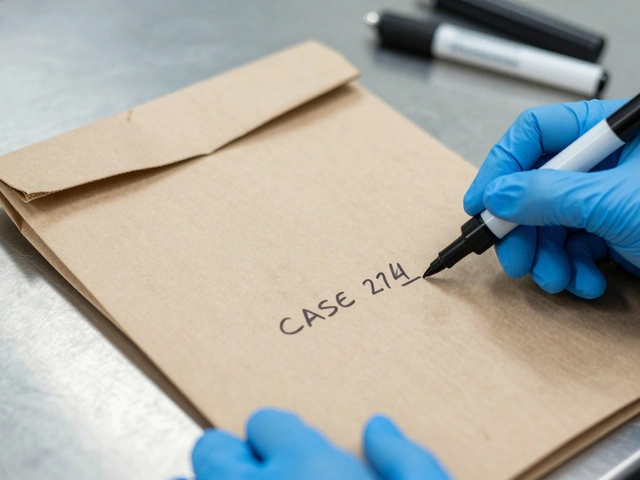
- Label: Mark the outside with who collected it, when, where, and what it is.
Exceptions exist, but they are rare. If you have a large volume of liquid blood (like a pool on the floor), you might need to collect it with a sterile pipette or absorbent material, but even then, drying is critical before long-term storage. For swabs, if you can’t get them fully dry because the environment is too humid, use specialized desiccant packs inside a breathable pouch, not sealed plastic.
Blood: The Heavy Hitter of Forensic Evidence
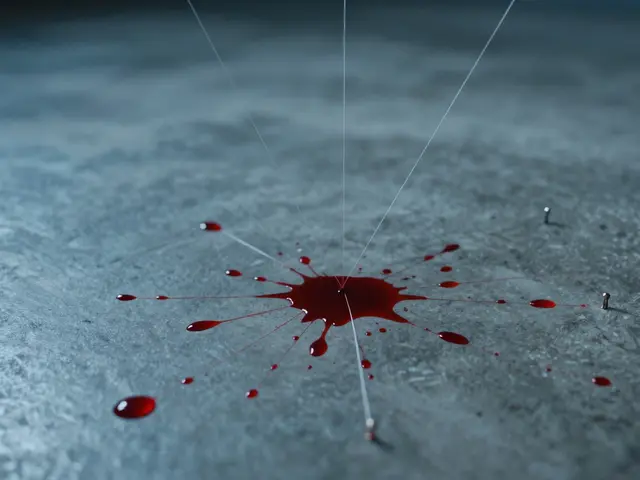
Blood is the most common biological evidence found at crime scenes. It comes in three main forms: liquid, semi-liquid, and dried stains. Each requires a different approach.
Liquid blood: If you find fresh blood, you want to preserve as much volume as possible. Use a sterile syringe to draw it up and transfer it to an EDTA tube (the purple-top tube used in hospitals). EDTA prevents clotting and preserves cellular integrity. If you don’t have tubes, use a sterile gauze pad to soak it up. Then, let that gauze dry.
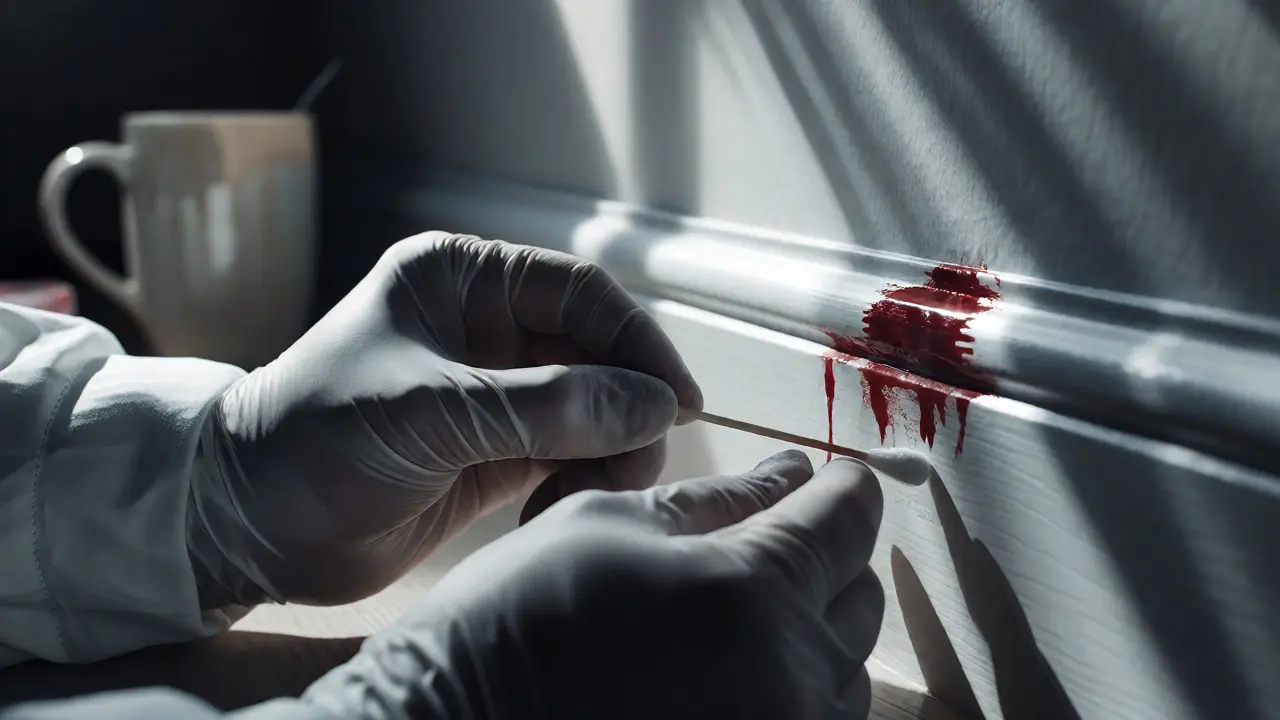
Dried stains: This is trickier. You can’t just scoop it off the wall. Swabbing is the standard method. Here’s how to do it right:
- Moisten a sterile cotton swab with distilled water. Not tap water-tap water has minerals and microbes that can interfere with analysis.
- Gently rub the stain in a circular motion. Don’t scrub hard; you’ll damage the cells.
- Rotate the swab to expose fresh cotton to the stain.
- Let the swab air-dry completely before packaging.
What if the stain is on fabric? Cutting out the stained area is often better than swabbing. Cut around the stain, leaving extra fabric on all sides. Place the fabric between two pieces of clean paper or cardboard to prevent sticking, then fold and package. Never cut through the center of a patterned stain-you’ll destroy the shape information that tells investigators how the blood hit the surface.
Saliva: The Invisible Clue
People underestimate saliva. It’s everywhere. On cigarette butts, drinking glasses, bite marks, envelopes, and band-aids. Saliva contains epithelial cells from the mouth lining, which carry nuclear DNA just like blood does.
Collecting saliva requires care because it dries quickly and leaves little visual trace. Use UV light or oblique lighting to spot shiny areas on surfaces like glass or metal. For porous surfaces like paper or cloth, look for stiffened areas or discoloration.
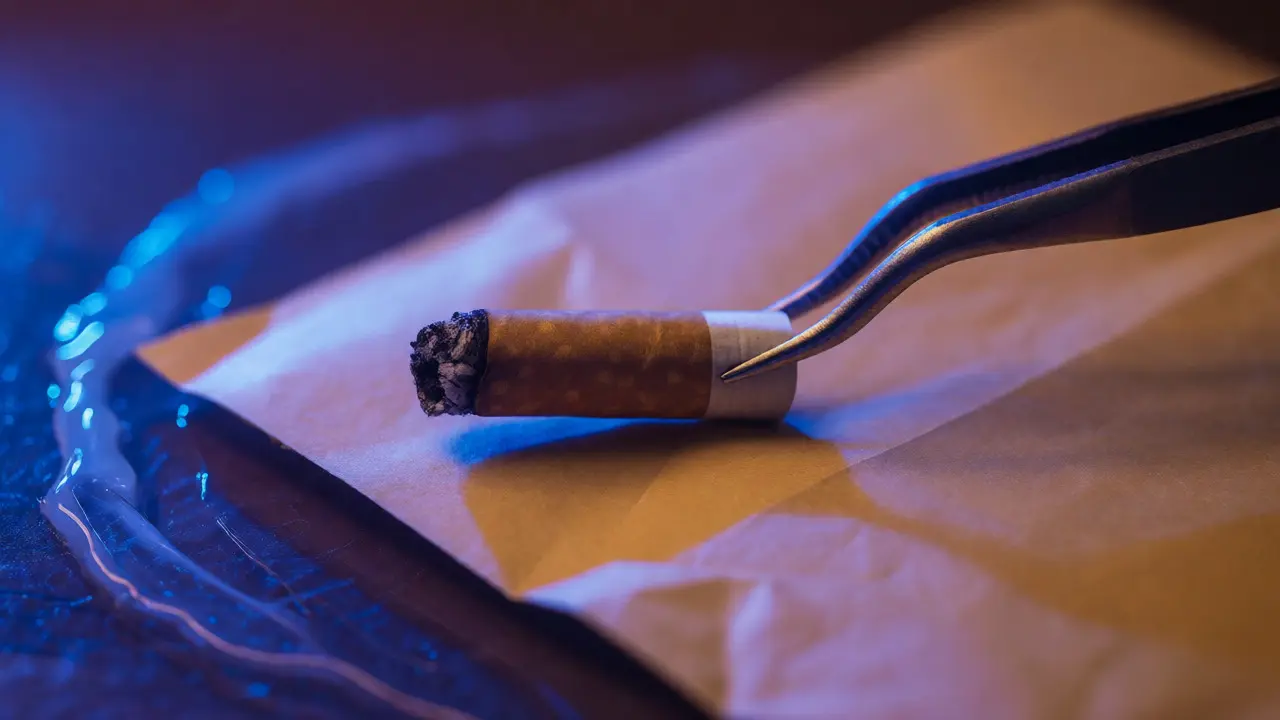
The best way to collect saliva is via swabbing. Moisten a sterile swab with distilled water, rub the suspected area firmly, and let it dry. For cigarette butts, grab the butt by the filter end using gloved hands or tweezers. Place it directly into a paper envelope. Do not touch the burned end where the smoker’s lips touched-that’s where the DNA is.
One pitfall: cross-contamination. If you’re collecting from multiple cups on a table, change gloves and use new swabs for each item. Saliva transfers easily. A sneeze or a cough during collection can ruin your sample. Wear a mask if you’re working over open evidence.
Body Fluids Beyond Blood and Saliva
Semen, vaginal secretions, and urine are also rich sources of DNA. Semen is particularly potent because sperm cells contain high amounts of DNA. However, semen doesn’t always stay liquid. On clothing, it dries into a stiff, white crust.
To locate semen stains, use an Alternate Light Source (ALS). Semen fluoresces under blue or violet light. Mark the fluorescent areas with tape or markers, then swab them. Remember, lubricants and some laundry detergents also fluoresce, so ALS helps you narrow down targets, but swabbing confirms presence.
For urine, collection is less common for DNA but crucial for toxicology. If you find urine stains on carpets or bedding, swabbing works similarly to blood. However, urine breaks down faster than blood. Ammonia smells develop quickly, signaling degradation. Get those samples to the lab fast.
| Evidence Type | Best Collection Method | Packaging Requirement | Key Risk Factor |
|---|---|---|---|
| Liquid Blood | Syringe or Gauze Soak | EDTA Tube or Air-Dried Gauze | Clotting and Hemolysis |
| Dried Blood Stain | Distilled Water Swab | Air-Dried Paper Envelope | Mold Growth from Moisture |
| Saliva on Glass | Swab or Lift Tape | Air-Dried Paper Envelope | Cross-Contamination |
| Semen on Fabric | Swab or Cut-Out | Breathable Container | Fluorescence False Positives |
| Urine Residue | Swab | Air-Dried Paper Envelope | Rapid Degradation |
Chain of Custody: The Legal Backbone
Even perfect collection means nothing if you can’t prove who had the evidence. Chain of custody is the documented trail of possession. Every person who touches the evidence must sign for it. Date, time, signature, and reason for transfer.
Common mistakes in chain of custody include:
- Using pencil instead of ink (pencil smudges).
- Failing to initial changes on labels.
- Leaving evidence unattended in a vehicle.
- Not sealing bags properly (evidence must be tamper-evident).
If a defense attorney finds a gap in the log-even five minutes-they can argue the evidence was compromised. Keep your notes contemporaneous. Write them down as you go, not at the end of the shift from memory.
Preservation and Storage Conditions
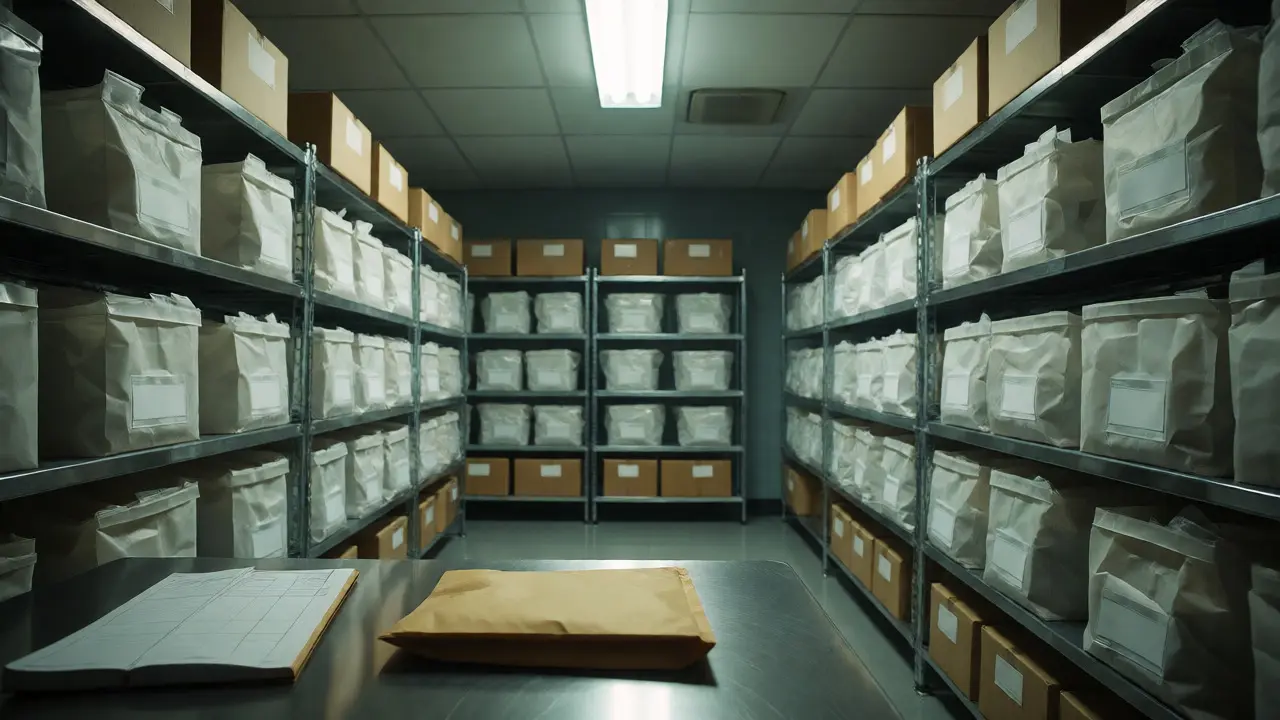
Once collected, biological evidence needs specific environments. Refrigeration (4°C) slows degradation but doesn’t stop it. Freezing (-20°C) is better for long-term storage but can cause cell lysis if not done correctly. Avoid freeze-thaw cycles. Each time you thaw and refreeze, you lose DNA quality.
Humidity control is vital. Silica gel packets in storage boxes help keep things dry. Store items in dark places; UV light breaks down DNA strands. And never store biological evidence near chemicals like formaldehyde or bleach, which can inhibit PCR testing later.
For swabs, use breathable paper sleeves. For larger items like shirts or sheets, use clean cardboard boxes. Plastic bins are okay for transport if they are ventilated, but never for long-term storage.
Troubleshooting Common Collection Errors
So, what went wrong when a case falls apart? Usually, it’s human error. Here are the big ones:
Over-swabbing: Rubbing too hard destroys cells. Gentle pressure is enough.
Wrong water: Using tap water introduces contaminants. Always use sterile distilled water.
Plastic bags: We said it once, we’ll say it again. Wet evidence in plastic grows mold. Mold eats DNA.
Touching the wrong spot: Handling a shirt by the collar? Make sure you’re not wearing gloves that have already touched the suspect’s blood elsewhere. Change gloves frequently.
If you accidentally contaminate a sample, document it immediately. Honesty beats cover-ups. Courts appreciate transparency. If you dropped a swab on the floor, note it. Don’t try to hide it.
Practical Tips for Field Technicians
Experience teaches you shortcuts that don’t compromise quality. Here are a few from the field:
- Label everything before you leave the scene. Don’t rely on memory. Write on the bag, not just a separate tag.
- Photograph before collection. Show the context. A blood drop on a wall looks different when you show the whole wall.
- Use negative controls. Swab a nearby clean area. This proves your reagents aren’t contaminated.
- Keep tools sterile. Open sterile swabs just before use. Close them immediately after.
Remember, every piece of evidence tells a story. Your job is to keep that story intact until it reaches the lab. Respect the fragility of the material, follow the protocol, and document every step. That’s how you turn a messy scene into solid proof.
Why can't I put wet blood in a plastic bag?
Plastic traps moisture, creating a warm, humid environment ideal for bacterial and fungal growth. These microorganisms consume DNA, leading to degradation and loss of genetic material. Always air-dry biological evidence before packaging it in paper or breathable containers.
Is tap water okay for moistening swabs?
No. Tap water contains minerals, chlorine, and microorganisms that can interfere with DNA extraction and PCR amplification. Always use sterile distilled water or saline solution specifically designed for forensic swabbing.
How do I collect saliva from a smooth surface like glass?
First, visualize the residue using oblique lighting or UV light. Then, moisten a sterile swab with distilled water and gently rub the area. Allow the swab to air-dry completely before placing it in a paper envelope. Alternatively, adhesive lifting tape can sometimes lift dried saliva residues from very smooth surfaces.
What is the best way to preserve semen stains on clothing?
If the stain is localized, cutting out the affected area with surrounding clean fabric is often preferred. If the garment is valuable or the stain is widespread, swabbing with distilled water is acceptable. In both cases, ensure the item is thoroughly air-dried before packaging in a breathable paper bag or box to prevent mold.
Does freezing biological evidence destroy DNA?
Freezing itself does not destroy DNA, but repeated freeze-thaw cycles do. Ice crystals form during freezing, which can rupture cell membranes and shear DNA strands upon thawing. For long-term storage, freeze at -20°C or lower and avoid thawing until ready for analysis. Short-term refrigeration is safer for preventing freeze-thaw damage.