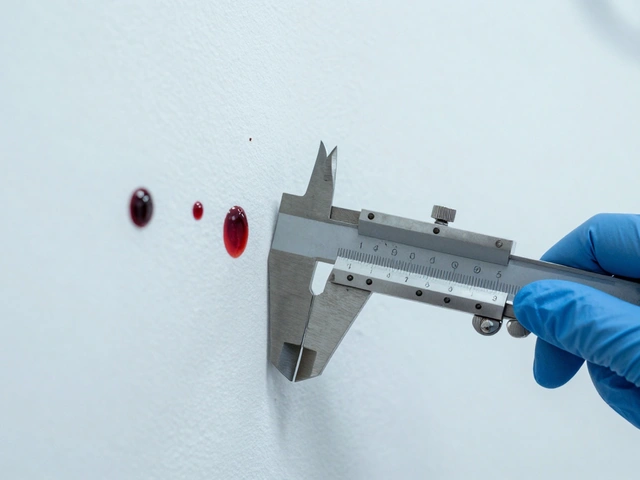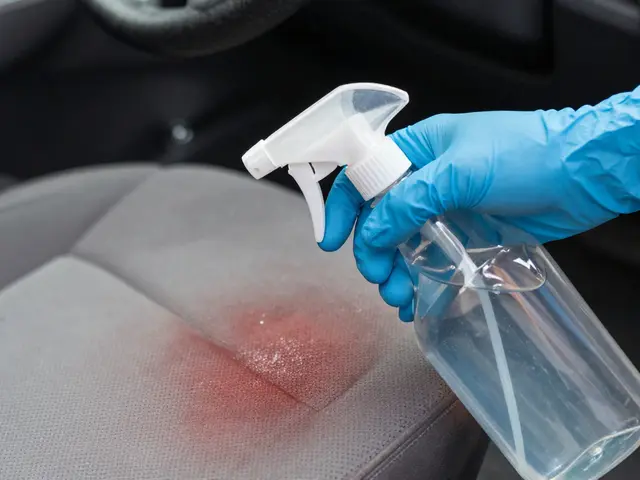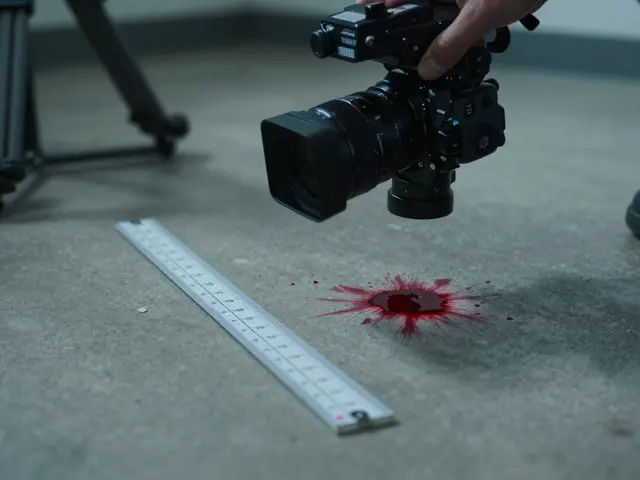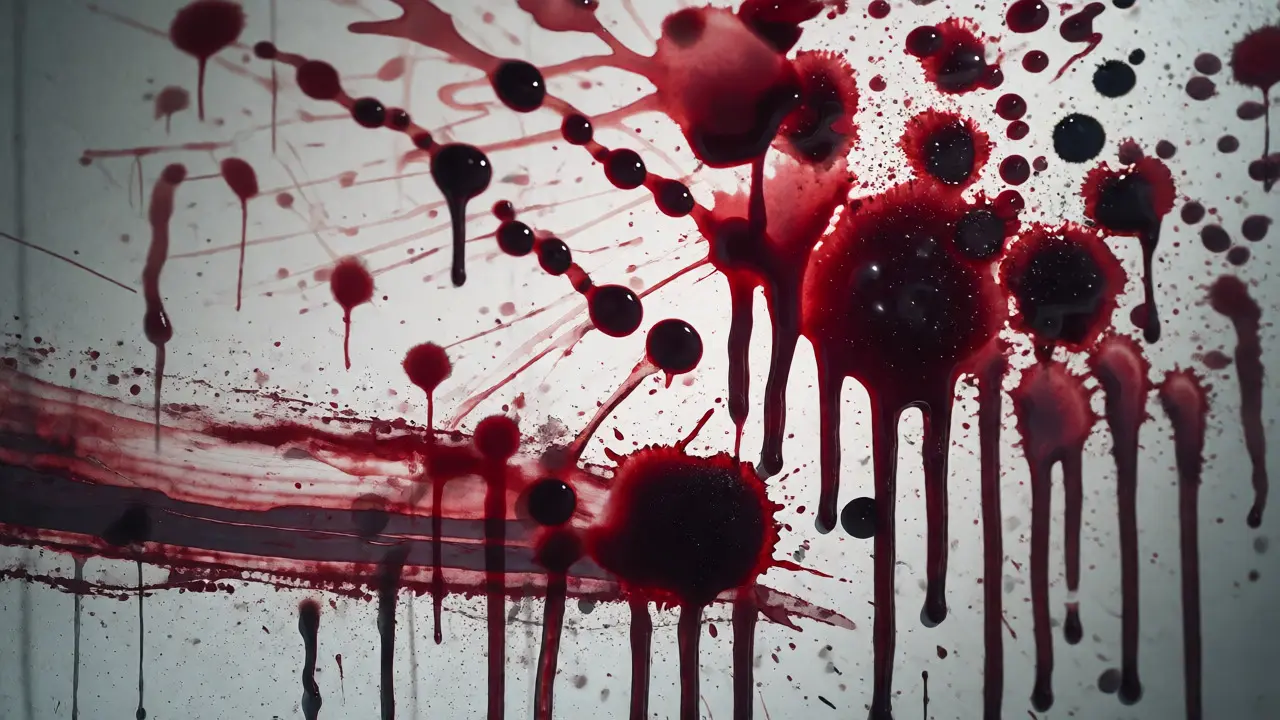
You walk into a room and see blood. Not just a pool, but a chaotic spray on the wall, droplets on the floor, and smears across the furniture. The immediate question isn't just "who did this?" It's "what happened first, second, and third?" In Multiple Attack Scenarios, reconstructing sequential violence is one of the hardest puzzles in Bloodstain Pattern Analysis (BPA). When a victim is hit once, the story is relatively straightforward. But when blows land repeatedly, or when weapons are reused, the evidence overlaps. One drop lands on top of another. A smear obscures an impact stain. If you get the order wrong, you might accuse the wrong person or miss a critical detail about self-defense.
Why Sequence Matters More Than Location
Think about a kitchen fight. The suspect swings a hammer at the victim’s head. The victim falls, hits the counter, and then gets kicked while down. If you only look at where the blood is, you might think it was all one event. But the physics tells a different story. Impact spatter from the hammer creates a specific cone shape. Gravity drops create vertical trails. Kickback stains from the shoe look like cast-off patterns but with lower velocity characteristics. The core job for a forensic analyst here is to untangle these layers. You aren't just mapping dots; you're building a timeline. Did the blood on the ceiling come from the initial strike, or did someone shake a bloody weapon later? Was the victim standing or prone when the second blow landed? Answering these questions requires looking at how stains interact with each other.
The Principle of Superposition in Bloodstains
In geology, the law of superposition says that in undisturbed rock layers, older rocks are at the bottom. Forensic science borrows this idea for bloodstains. If Drop A is underneath Drop B, Drop A likely happened first. This seems simple, but real-world scenes are messy. Walls have texture. Floors have grout lines. Blood dries at different rates depending on humidity and temperature. When analyzing multiple attacks, you look for three main types of overlap:
- Drop-on-Drop: A fresh drop hitting a dry drop usually splashes around it. A fresh drop hitting a wet drop merges with it. This tells you if there was time between strikes.
- Smear-over-Stain: If a hand wipes through existing blood, it leaves a trail. If that trail goes over a dried stain, the edges are sharp. If it goes through wet blood, the colors blend. This helps determine if the victim moved before or after bleeding started.
- Cross-Contamination: Sometimes, evidence from one attack scenario bleeds into another. For example, if a suspect steps in blood and walks away, their footprints tell you about movement direction relative to the initial impact site.
Distinguishing Impact Types in Rapid Succession
Not all blood hits the surface the same way. In a single punch, you might see low-velocity impact spatter. In a stabbing, you might see arterial spurting due to heart pressure. In a beating with a bat, you see high-velocity mist mixed with larger drops. When these happen in quick succession, they mix. Here is how experts separate them. They look at the size and shape of the individual droplets. Small, round droplets (less than 1mm) suggest high energy, like a gunshot or fast-moving blunt object. Larger, elongated droplets suggest lower energy or gravity influence. If you see a cluster of tiny droplets surrounded by larger ones, the high-energy event likely happened last, spraying outward over the earlier, slower drips. Consider a case where a victim is shot, then falls onto a bloody carpet. The gunshot creates a fine mist. The fall creates large, irregular stains from body weight pressing against the fabric. If the carpet fibers show blood deep inside near the surface, the fall happened after the shooting. If the blood is only on top, the shooting might have happened while the victim was already lying down.
Using Directionality to Reorder Events
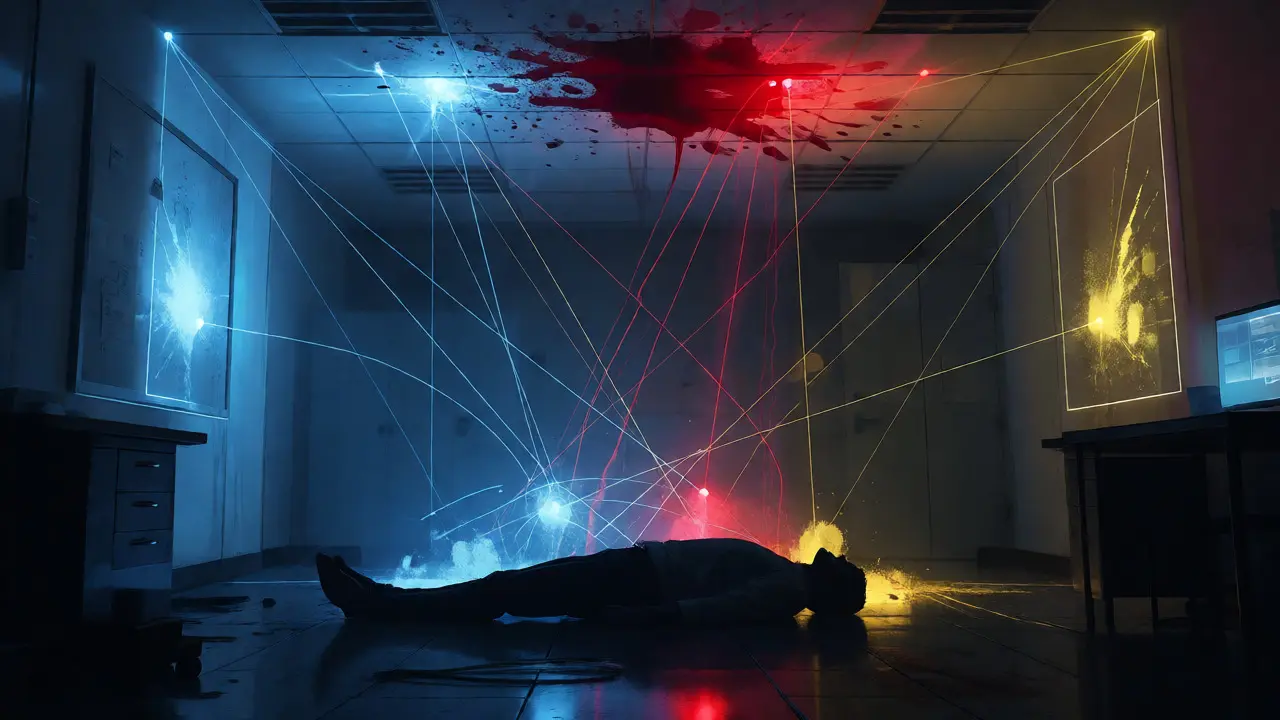
Blood doesn't just sit there; it travels. The tail of a teardrop-shaped stain points in the direction of travel. By measuring the angle of impact, analysts can draw lines back to the source. In multiple attack scenarios, you often have two or more sources. Maybe the attacker stood on the left, then moved to the right. To reconstruct this, you map the convergence areas. If most stains converge to a point on the floor, that’s where the victim was during the first phase. If another set of stains converges to a different spot ten feet away, the victim moved-or was dragged-between attacks. This spatial separation is crucial. It proves that the violence wasn't static. It shows struggle, movement, and potentially, attempts to escape. But be careful. Air currents, fans, or even people walking through the scene can distort directionality. That’s why context matters. You check for obstacles. Did the blood hit a chair leg? That changes the trajectory. Did a curtain sway? That alters the landing zone. You account for these variables before drawing your final conclusions.
Common Pitfalls in Sequential Reconstruction
Even experienced analysts make mistakes when dealing with complex scenes. Here are the traps to avoid:
- Assuming Uniformity: Don't assume all blood comes from one wound. Multiple wounds bleed differently. A scalp wound bleeds heavily due to vascularity, creating large pools. A finger cut might drip slowly. Mixing these up leads to wrong sequence orders.
- Ignoring Drying Times: Blood dries faster in hot, dry air. If a scene was warm, early stains might be dry when later stains land on them. If it was cold and humid, everything stays wet longer. Adjust your interpretation based on environmental conditions recorded at the scene.
- Overlooking Transfer Stains: Sometimes, what looks like impact spatter is actually transfer. A bloody glove touching a wall leaves a print, not a spray. If you mistake transfer for impact, you’ll calculate the wrong distance from the source.
Practical Steps for Scene Documentation
If you’re the first responder or the lead analyst, your documentation sets the stage for everything else. Follow this checklist to preserve the integrity of sequential data:
- Photograph Before Touching: Take wide shots, mid-range, and close-ups with scales. Do this before anyone moves anything. Once a stain is disturbed, its history is lost forever.
- Map the Layers: Use transparent overlays or digital annotation tools to mark overlapping stains. Label them as Layer 1, Layer 2, etc., based on preliminary observation of drying states.
- Collect Swabs Strategically: Don’t just swab random spots. Target areas where different colored or textured stains meet. These boundaries hold the chemical clues about timing.
- Record Environmental Data: Note the temperature, humidity, and airflow. These factors dictate how fast blood dries, which is essential for sequencing.
| Observation | Interpretation | Confidence Level |
|---|---|---|
| Fresh drop splashing around dry drop | Fresh drop occurred after dry drop | High |
| Two drops merging seamlessly | Both were wet simultaneously (likely same event) | Medium |
| Smear edge crisp against underlying stain | Smear occurred after underlying stain dried | High |
| Color variation (red vs. dark brown) | Oxidation indicates age difference (older = darker) | Low (environment dependent) |
| Gravity drip over impact spatter | Drip occurred after impact event | Medium-High |
Legal Implications of Sequencing Errors
Why does all this technical detail matter in court? Because juries want a story. Prosecutors use bloodstain patterns to prove intent and action. If the defense argues self-defense, showing that the victim was struck from behind changes everything. If the prosecution claims execution-style killing, proving the victim was kneeling versus standing is vital. If you misinterpret the sequence, you might say the victim attacked first when they actually defended themselves. This discrepancy can lead to reasonable doubt. Experts must be able to explain not just *what* they found, but *why* the order matters. Using clear analogies-like layers of paint or raindrops on a window-helps jurors understand complex physics without getting bogged down in jargon. Always prepare for cross-examination. Opposing counsel will look for alternative explanations. Could the wind have caused that spread? Could cleaning attempts have created those smears? Having robust documentation and a logical, step-by-step reconstruction protects your testimony.
How do you determine if bloodstains overlapped?
Analysts look for physical interactions between stains. If a new drop hits a dry stain, it splashes around the perimeter, leaving the original shape intact but distorted at the edges. If it hits a wet stain, the two merge into a single, larger irregular shape. Microscopic examination can also reveal layering, where newer pigment sits atop older, oxidized pigment.
Can environmental factors affect bloodstain sequencing?
Yes, significantly. Temperature and humidity control drying times. In a hot, dry room, blood may dry in minutes, allowing clear distinction between events separated by short intervals. In a cold, humid basement, blood may remain wet for hours, causing stains from different events to merge indistinguishably. Analysts must record environmental conditions to adjust their timeline estimates.
What is the difference between impact spatter and cast-off patterns in multiple attacks?
Impact spatter results from force applied directly to a blood source, creating a radial pattern from the point of impact. Cast-off patterns occur when blood flings off a moving object, like a swinging weapon, creating linear or curved trails. In multiple attacks, distinguishing these helps identify whether the victim was being struck (impact) or if the weapon was being swung repeatedly (cast-off), which implies different actions and intents.
How does victim movement complicate bloodstain analysis?
Movement creates secondary stains, such as drag marks or footprint transfers, that can obscure primary impact patterns. If a victim moves between attacks, the origin points for bloodstains shift. Analysts must separate stains generated at location A from those at location B by analyzing directionality and convergence points, ensuring they don't attribute distant stains to the initial injury site.
Is color change a reliable indicator of time elapsed?
Color change from bright red to dark brown occurs due to oxidation, but it is not a precise clock. Factors like exposure to sunlight, presence of bacteria, and substrate material affect the rate of discoloration. While it suggests age relative to fresher stains nearby, it should never be used alone to establish exact timing without corroborating physical evidence like drying cracks or layering.