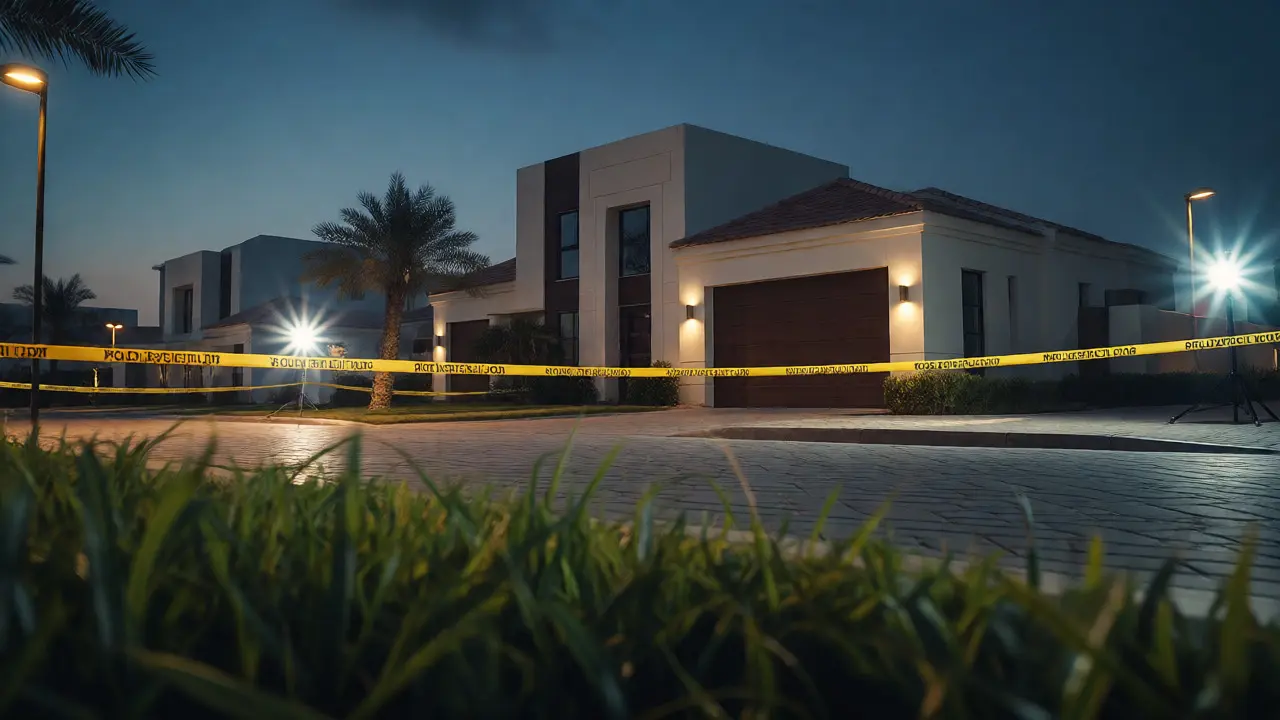
You walk up to a house. The front door is wide open. A police officer stands at the threshold, looking bored. You step over the threshold to take a look inside. Did you just destroy a murder case? Maybe. Or maybe you just walked through a trail of microscopic fibers that could have convicted the killer.
This is why crime scene boundaries are not just yellow tape; they are the most critical tool in preserving evidence. If the boundary is too tight, you miss crucial clues outside the main area. If it’s too loose, you waste hours processing irrelevant dirt and risk contaminating the site with public traffic. Getting this right is an art form backed by strict scientific protocol.
The Golden Rule: Start Big, Then Shrink
Here is the counter-intuitive truth about securing a scene: it is always better to err on the side of caution. In forensic science, we call this "over-processing." You can always narrow down the search area later, but you cannot recreate evidence that has been trampled, blown away, or contaminated.
When first responders arrive, their instinct is often to focus only on where the body lies or where the blood spatter is thickest. This is a mistake. Evidence travels. A bullet casing might be fifty feet from the shooter. A shoe print might be twenty feet behind the victim. Wind carries hair and fibers. Rain washes footprints into nearby gutters. Therefore, the initial perimeter should encompass the entire path of approach and departure, plus a significant buffer zone.
| Strategy Phase | Primary Goal | Risk if Done Poorly | Time Impact |
|---|---|---|---|
| Initial Setup (Over-inclusive) | Protect all potential evidence paths | Evidence loss due to public access or weather | High initial resource use, low rework |
| Final Adjustment (Optimized) | Focus resources on high-probability zones | Wasted time searching empty areas | Low resource use, requires accurate data |
Identifying the Core Areas: Primary and Secondary Scenes
To set boundaries correctly, you need to understand the geography of the crime. Forensic experts divide scenes into two main categories: the primary scene and the secondary scene.
The primary scene is where the criminal act occurred. For a shooting, this is where the shots were fired. For a burglary, it’s where the entry was forced. But here’s where it gets tricky: the primary scene isn't always obvious. If a suspect dragged a victim from a car to a ditch, the car interior and the ditch are both part of the primary interaction chain.
The secondary scene is anywhere else the suspect or victim interacted with the environment after the main event. This includes the route taken to escape, the location where stolen goods were dumped, or even the suspect's home if they returned there immediately. Your boundary must connect these dots. If you seal off the house but leave the driveway open, you’ve missed the likely drop-off point for a weapon or the tire tracks that identify the getaway vehicle.
Reading the Terrain: Natural and Man-Made Barriers
You don’t always need tape to define a boundary. Sometimes, nature does it for you. A river, a steep cliff, or a dense forest edge acts as a natural barrier. People rarely cross these without leaving distinct signs. However, relying solely on natural barriers is risky. Animals move evidence. Water shifts soil composition.
Man-made barriers offer more control. Fences, walls, and building exteriors provide hard lines. But investigators must check for "soft" breaches. Is the fence climbable? Can someone slip under a gate? If the boundary relies on a fence, you must document its integrity. If a section is broken, that break becomes part of the evidence log because it represents a potential point of contamination or entry.
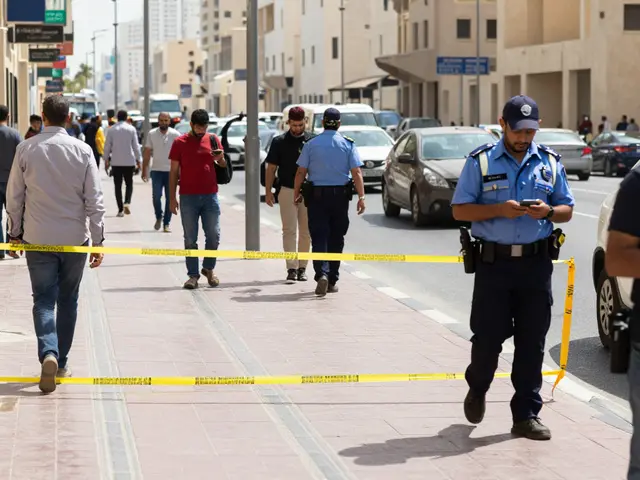
In urban environments, boundaries often intersect with public infrastructure. Sidewalks, streets, and parking lots are high-traffic zones. Here, your boundary needs to extend beyond the immediate visual cues. If a suspect ran across a lawn, the boundary should cover the entire width of the street, not just the patch of grass. Why? Because witnesses might have seen something from the opposite sidewalk, or the suspect might have dropped an item while crossing the asphalt.
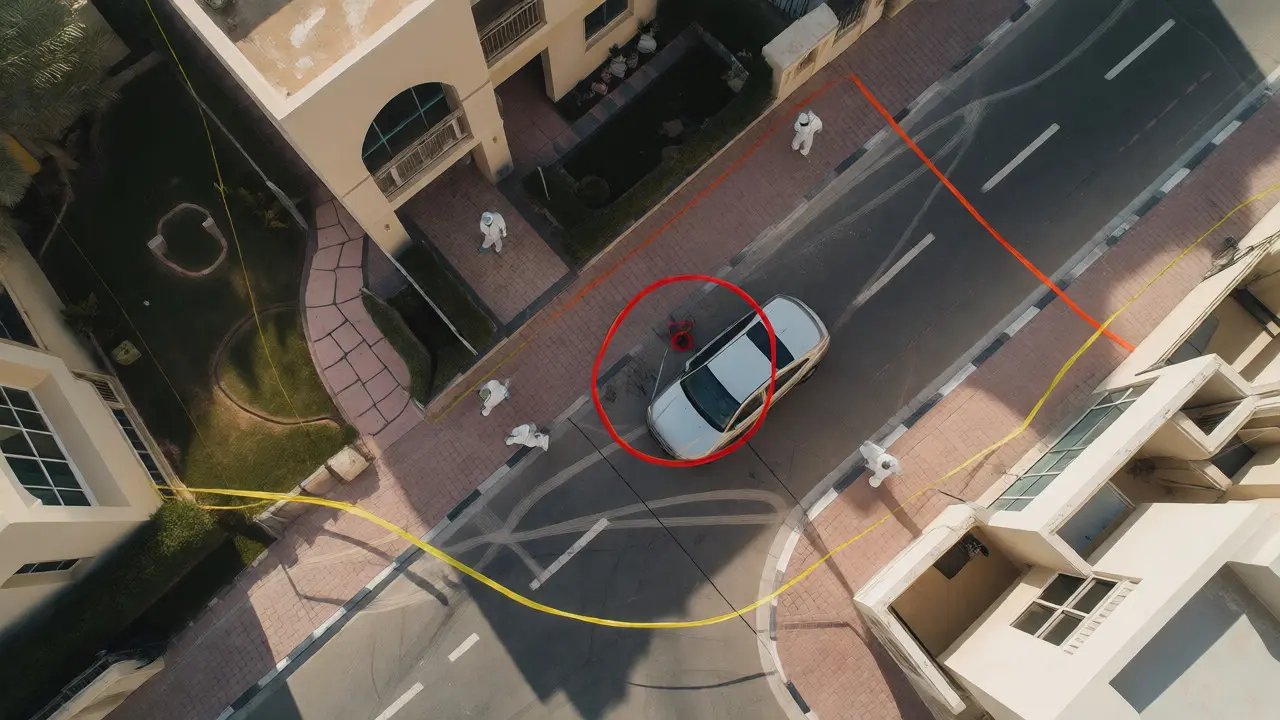
The Role of Contamination Control Zones
Once the outer perimeter is set, you create internal zones. This is crucial for maintaining the integrity of the evidence chain of custody. Think of it like an airlock system in a spaceship. You have three layers:
- The Outer Perimeter: This keeps the public out. Only authorized personnel enter here. It’s usually marked by bright yellow police tape.
- The Inner Perimeter: This is the actual work zone. Everyone entering this area must wear protective gear-booties, gloves, and suits. This prevents bringing outside DNA into the scene.
- The Hot Zone: This is the immediate vicinity of the key evidence, like the body or the weapon. Access here is restricted to the lead investigator and specific specialists.
Why bother with multiple layers? Because human error is inevitable. Someone forgets to change their boots. Someone sneezes. By having a buffer zone between the public and the hot zone, you reduce the chance that a minor mistake ruins the whole case. If contamination occurs in the inner perimeter, you can still argue that the hot zone remained sterile.
Dynamic Adjustments: When and How to Move the Line
Crime scene investigation is not static. As you process the scene, new information emerges. You might find a footprint leading away from the house toward a wooded area. Suddenly, your rectangular boundary looks wrong. It needs to expand toward the woods.
Moving a boundary is dangerous. Every time you shift the tape, you risk stepping on unprocessed ground. So, how do you adjust safely?
- Document First: Photograph the old boundary before moving it. Note the time and reason for the change.
- Use Flagging Tape: Instead of moving the main yellow tape, use colored flagging tape to mark new areas of interest within the existing large perimeter. This keeps the original record intact.
- Shrink Carefully: If you decide to shrink the perimeter, ensure every square inch of the excluded area has been photographed and examined. Never shrink until the final walkthrough.
A common pitfall is shrinking too early. Investigators get tired. They want to go home. They see a clear patch of grass and assume nothing happened there. But trace evidence doesn’t announce itself. A single fiber caught on a blade of grass could link a suspect to the scene. Patience pays off.
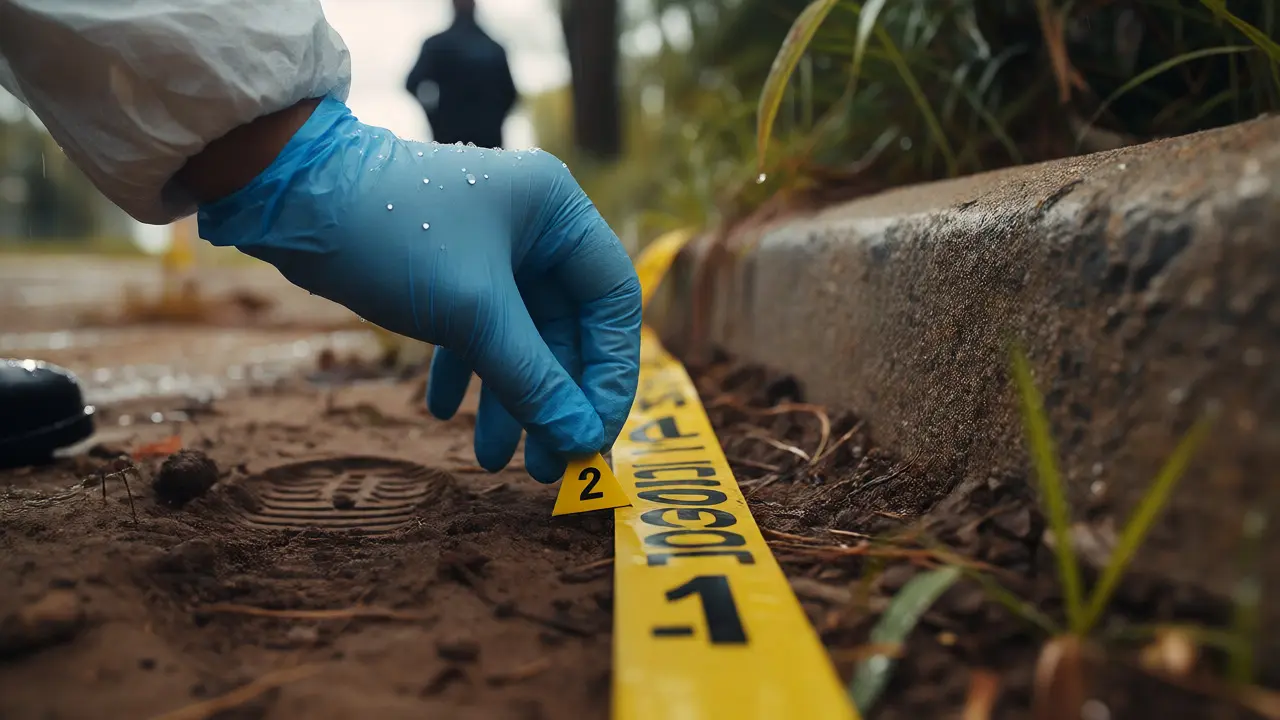
Weather and Environmental Factors
Your boundary strategy must account for the elements. If rain is forecast, you need a larger covered area or tenting capability. Rain can wash away surface evidence quickly. If wind is strong, light objects like paper notes or plastic wrappers can blow far from their origin. In windy conditions, expand the downwind boundary significantly.
Temperature matters too. Extreme heat can accelerate decomposition, changing the chemical signature of biological evidence. Extreme cold can freeze fluids, making them harder to collect but easier to preserve. Your boundary needs to accommodate equipment placement for climate control. Do you have space for generators? For drying racks? These logistical needs influence where you draw the line.
Legal Implications of Boundary Errors
Courtrooms are unforgiving. Defense attorneys love to attack procedural errors. If you failed to secure the scene properly, they will argue that the evidence is unreliable. "Anyone could have walked in," they’ll say. "The chain of custody is broken."
To protect yourself legally, your documentation of the boundary setup must be meticulous. Who arrived first? What did they see? Where did they place the tape? Was there any public interference before the tape went up? If bystanders crossed the future boundary line, note it. If a pet wandered in, document it. Transparency builds credibility. Hiding mistakes destroys it.
Remember, the goal isn't perfection; it's defensibility. You can't control everything, but you can control how well you document what you did. If you made a judgment call to keep the boundary tight, explain why. "We observed no footprints beyond the porch," is a valid defense. Silence is not.
What happens if the crime scene boundary is too small?
If the boundary is too small, critical evidence located outside the taped area may be lost, destroyed, or contaminated by public traffic. Once evidence is stepped on or removed by civilians, it cannot be recovered, potentially weakening the prosecution's case or allowing the suspect to escape conviction.
Can crime scene boundaries be changed after they are set?
Yes, boundaries can be adjusted, but it requires careful documentation. Investigators typically start with a large perimeter and shrink it as evidence is processed. Expanding a boundary later is also possible if new leads emerge, such as finding a trail of blood or shell casings leading away from the initial site. Each adjustment must be logged with photos and notes explaining the reason for the change.
Who decides the final size of the crime scene perimeter?
The lead investigator or crime scene supervisor usually makes the final decision, often in consultation with detectives and forensic specialists. While first responders establish the initial rough perimeter, the final optimized boundary is determined during the systematic search phase, ensuring all relevant areas are included while excluding unnecessary ones.
How does weather affect crime scene boundaries?
Weather dictates the urgency and scope of the boundary. High winds require expanding the perimeter downwind to catch lightweight evidence like papers or fibers. Rain necessitates covering the scene or expanding the protected area to prevent runoff from washing away trace evidence. Cold temperatures might allow for a tighter boundary since decomposition slows, but ice formation can make access difficult, requiring wider safety zones.
Why is over-taping preferred over under-taping?
Over-taping (making the boundary larger than necessary) is preferred because it preserves options. You can always ignore empty spaces later, but you cannot recover evidence that was trampled or removed because it fell outside the initial perimeter. Under-taping risks permanent loss of exculpatory or incriminating evidence, which is irreversible.