Category: Forensics - Page 5
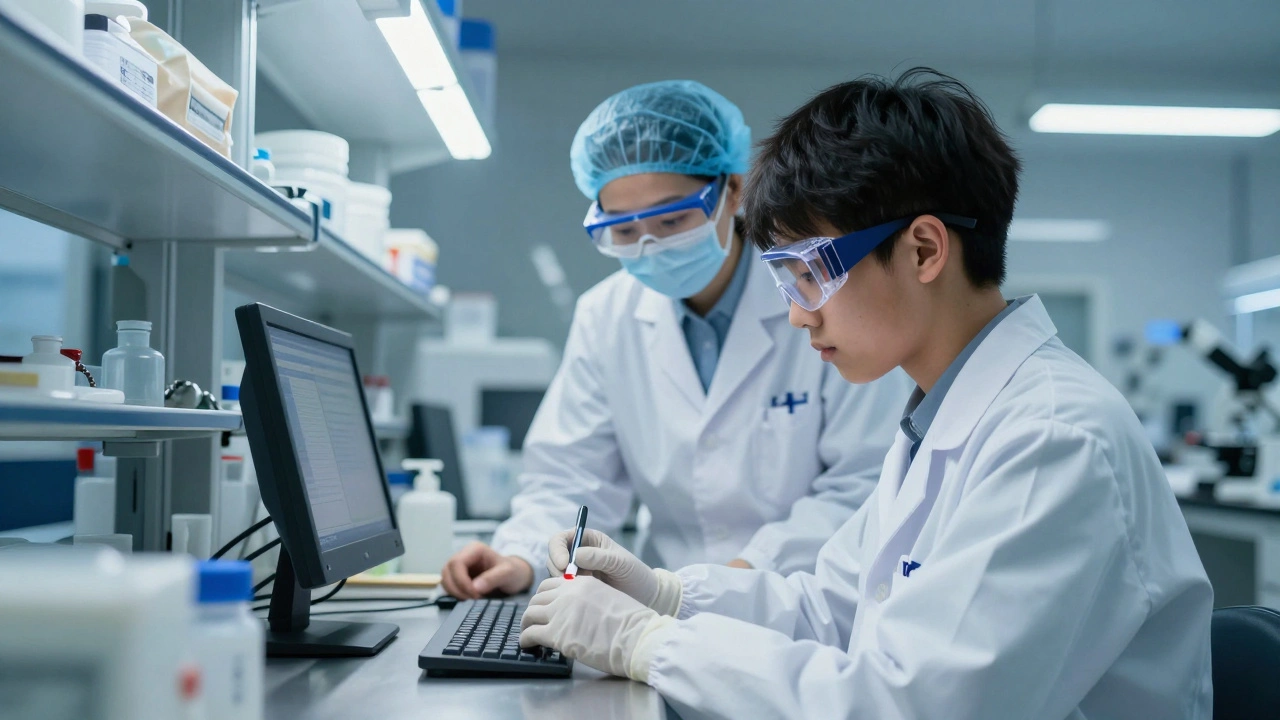
Internship Opportunities in Forensic Science: How to Get Started in 2026
- By : Ian Brophy
- Date : Feb 26 2026
Discover how to land a forensic science internship in 2026, from unpaid government labs to intensive fee-based programs. Learn where to apply, what they look for, and how to stand out in this competitive field.
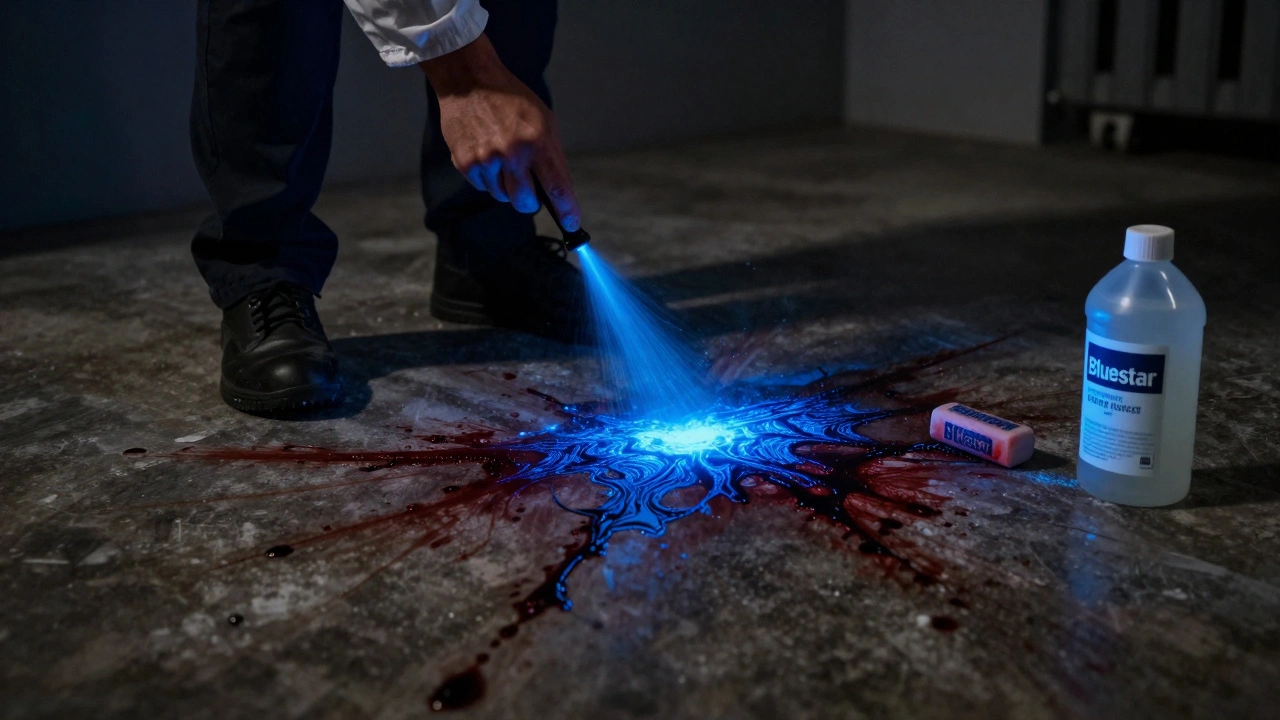
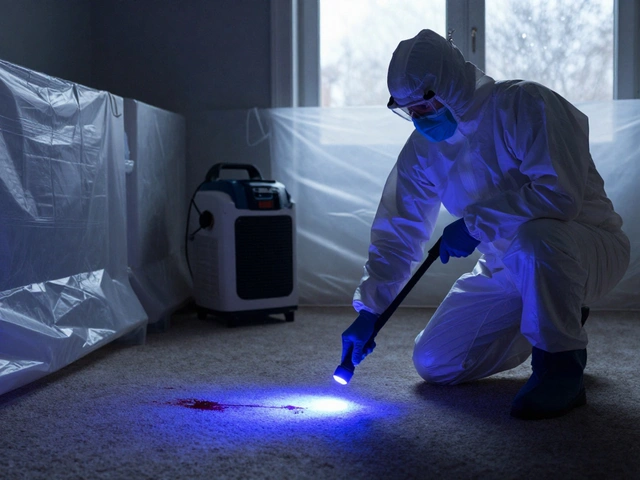
Alteration by Cleaning: How Forensic Science Detects Washed Blood Evidence
- By : Ian Brophy
- Date : Feb 25 2026
Bloodstains don't vanish with cleaning-forensic tools like Bluestar and luminol reveal hidden traces even after bleach or soap. Learn how investigators detect washed blood and why cleaning often makes evidence stronger.
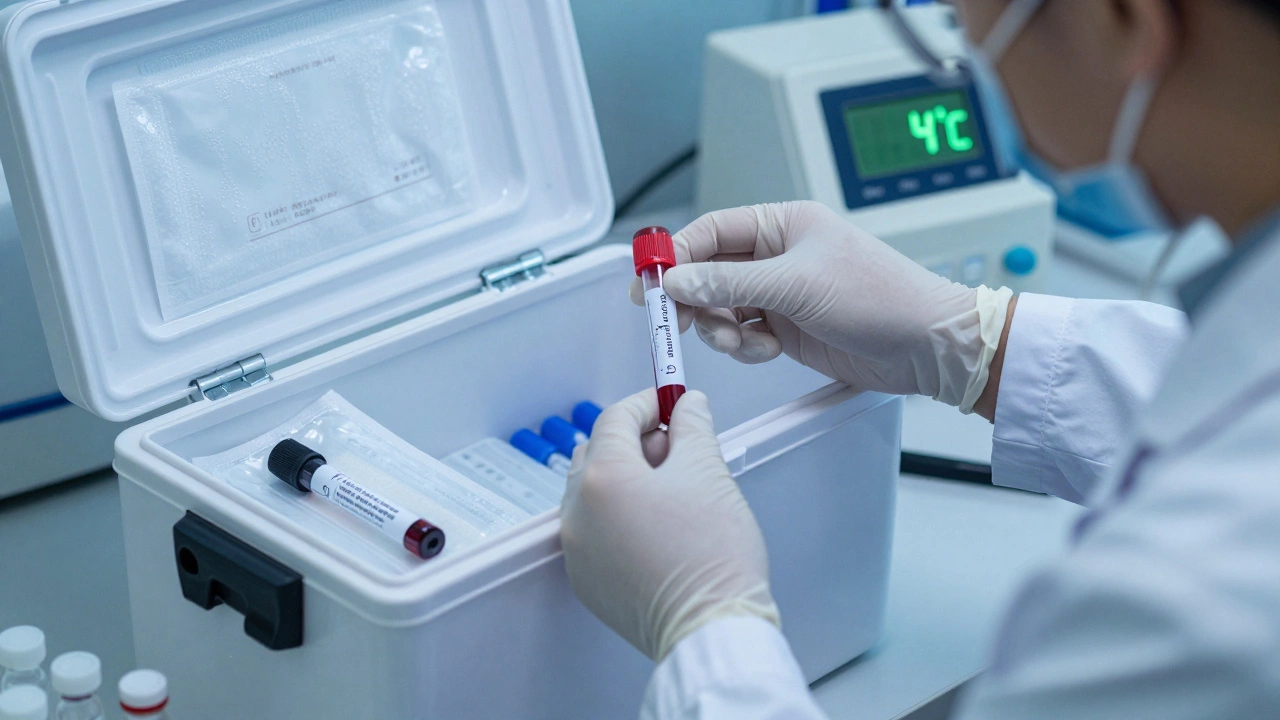
Custody for Biological Samples: Temperature and Timing Protocols Explained
- By : Ian Brophy
- Date : Feb 25 2026
Proper custody of biological samples depends on strict temperature control and timing. Learn how different storage temperatures affect DNA, RNA, and tissue integrity-and why freeze-thaw cycles can ruin samples.
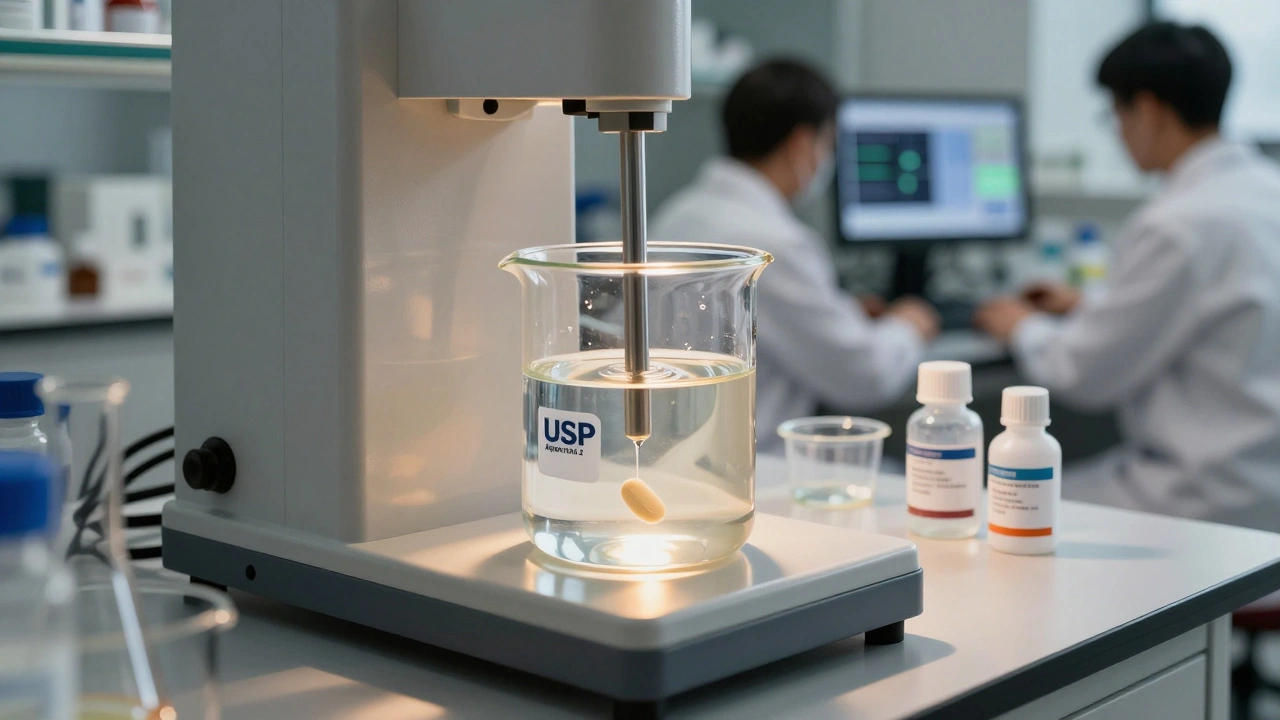
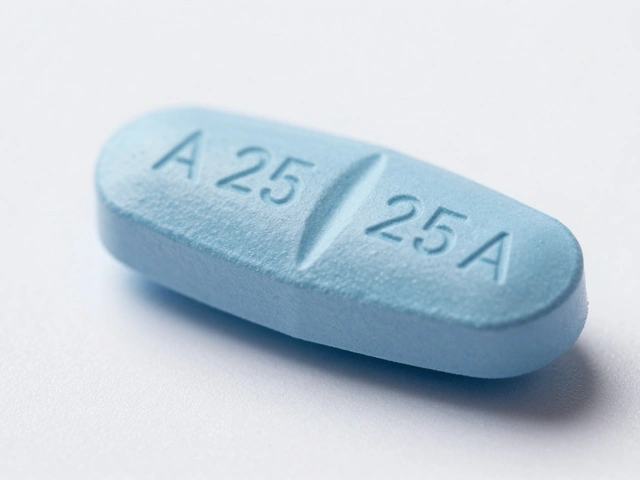
Dissolution Testing for Pharmaceutical Evidence: How It Ensures Drug Safety and Effectiveness
- By : Ian Brophy
- Date : Feb 24 2026
Dissolution testing ensures drugs dissolve properly in the body, guaranteeing effectiveness and consistency. It’s required for regulatory approval, supports bioequivalence claims, and can eliminate the need for costly human trials.
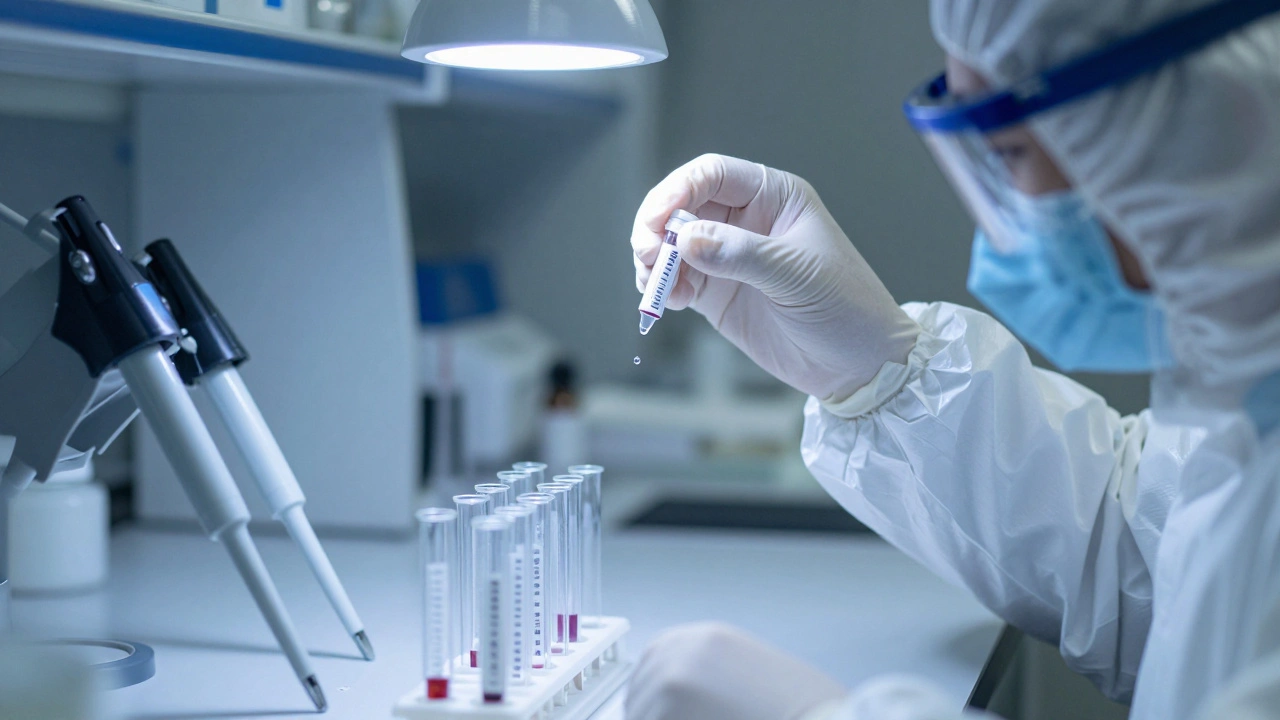
Low-Copy Number DNA: Challenges and Solutions in Forensic Science
- By : Ian Brophy
- Date : Feb 24 2026
Low-copy number DNA analysis helps detect trace genetic material at crime scenes, but it comes with serious risks like allele drop-out and contamination. Learn how replicate testing and next-gen kits are changing forensic science.

Mock Jury Feedback: How to Improve Forensic Report Comprehension
- By : Ian Brophy
- Date : Feb 24 2026
Mock jury feedback reveals how real people understand forensic reports-not lawyers. Learn why conclusion format doesn't matter as much as clarity, structure, and plain language in making evidence trustworthy and comprehensible.
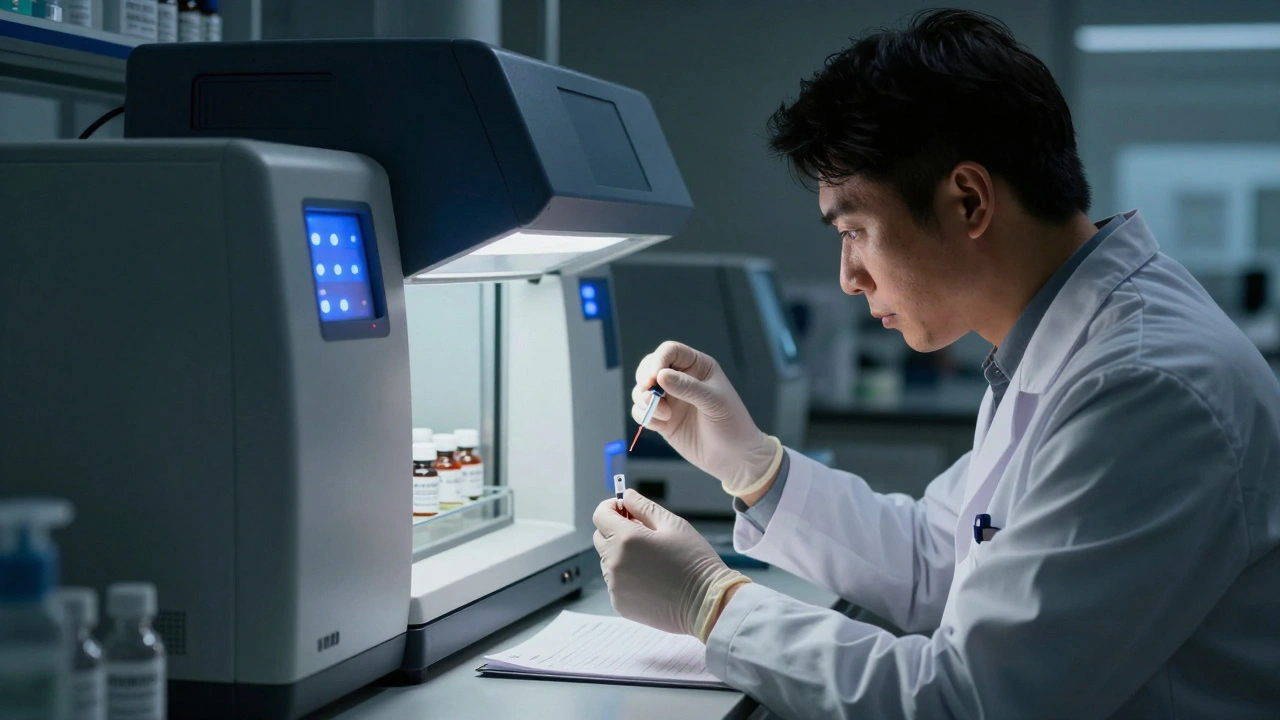
Forensic Toxicologist: Drug and Poison Specialist
- By : Ian Brophy
- Date : Feb 23 2026
Forensic toxicologists analyze drugs and poisons in biological samples to determine cause of death, impairment, or criminal activity. They use advanced lab techniques, testify in court, and help solve crimes ranging from DUIs to homicides.
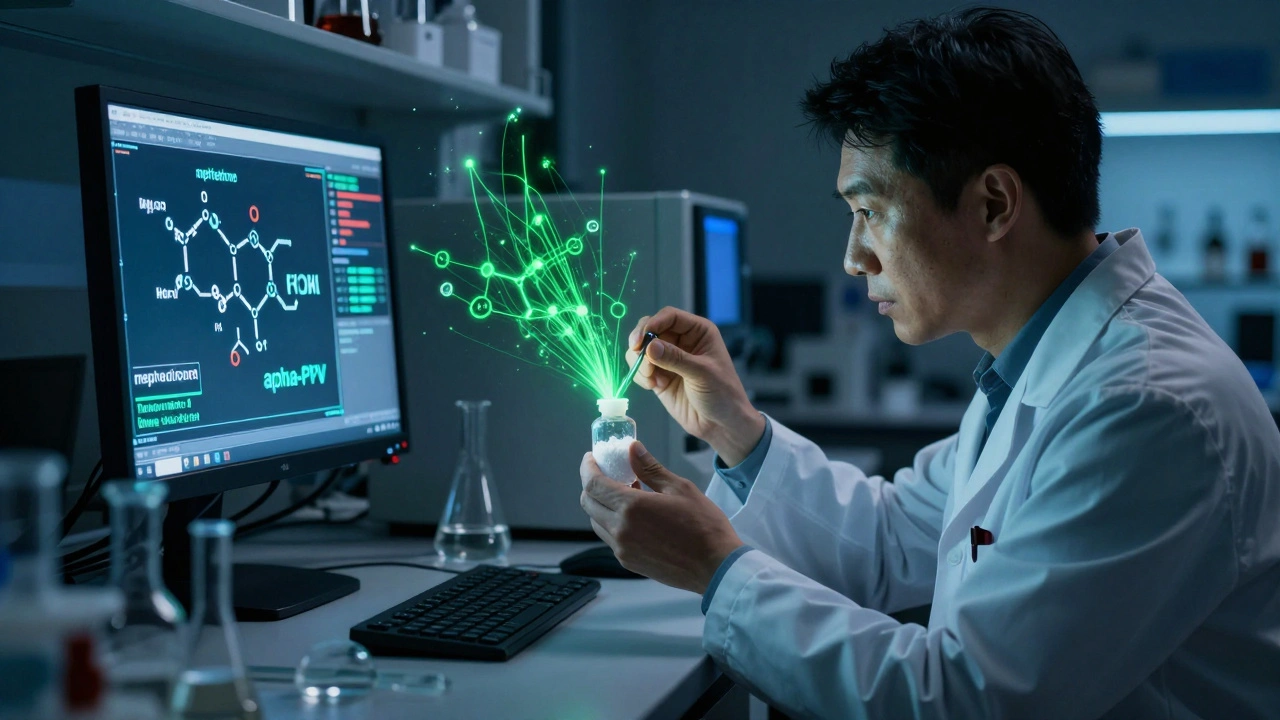
Designer Stimulants: Cathinones and Novel Psychoactives in Forensic Toxicology
- By : Ian Brophy
- Date : Feb 23 2026
Synthetic cathinones, known as bath salts, are dangerous designer stimulants that mimic cocaine and methamphetamine. They cause severe health risks including psychosis, heart failure, and death - and are increasingly common in forensic toxicology cases.

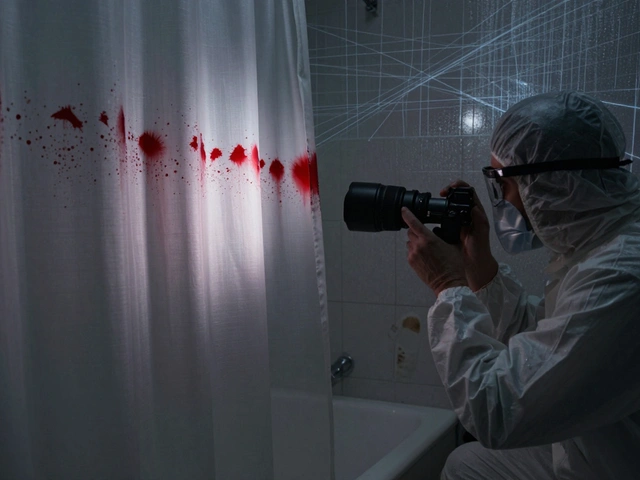
Blood into Blood: How Intersecting Drip Patterns Reveal Crime Scene Secrets
- By : Ian Brophy
- Date : Feb 22 2026
Intersecting drip patterns in bloodstain analysis reveal movement, timing, and injury severity at crime scenes. Learn how physics, surface type, and drying time turn bloodstains into forensic evidence.
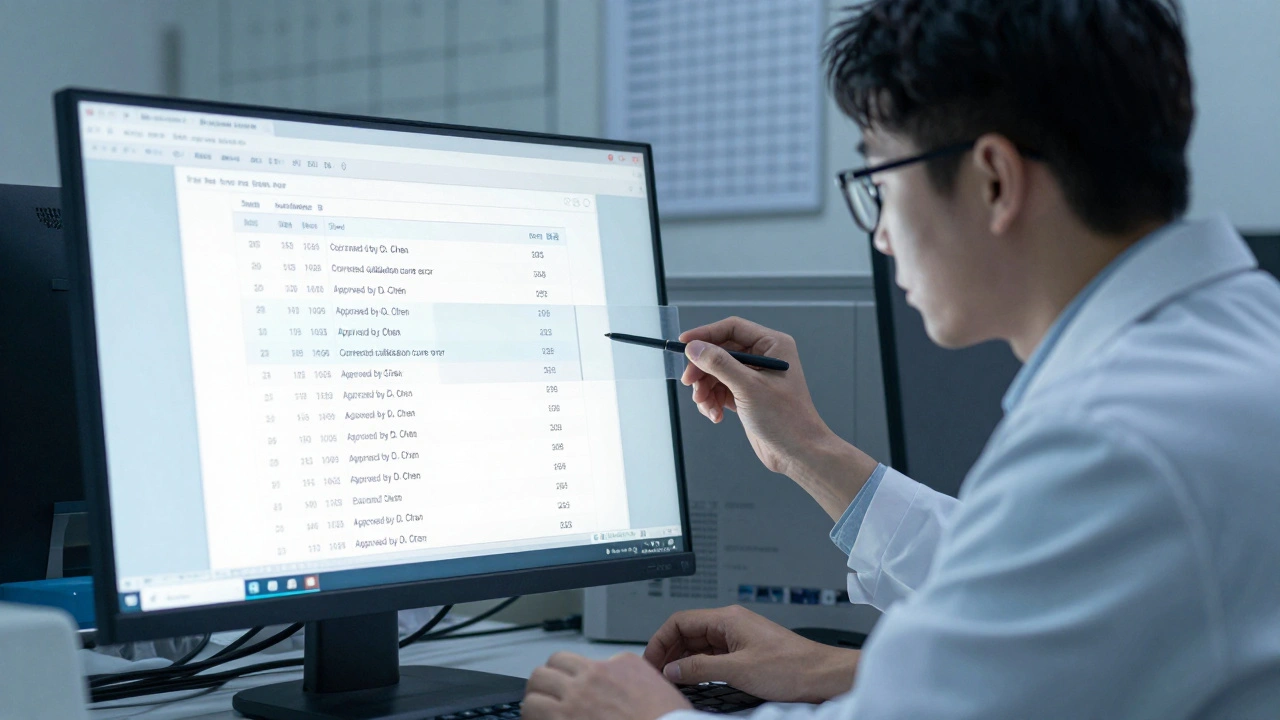
Version Control for Forensic Reports: Track Drafts, Changes, and Audit Trails
- By : Ian Brophy
- Date : Feb 21 2026
Version control for forensic reports ensures every edit is tracked, who made it, and when. It’s not optional-it’s essential for legal defensibility, compliance, and avoiding costly errors in investigations.
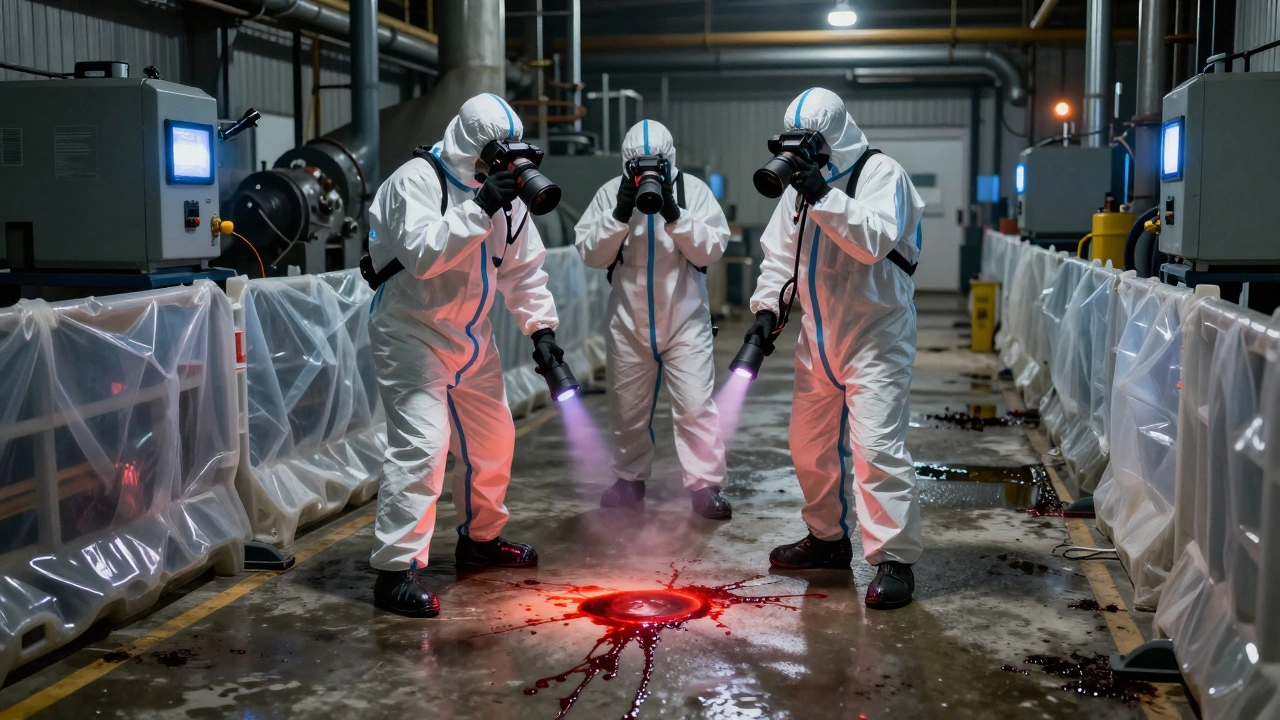
Industrial Accident Cleanup: How to Handle Large-Scale Biohazards
- By : Ian Brophy
- Date : Feb 21 2026
Industrial biohazard cleanup after major accidents requires professional teams, regulated disinfectants, and strict safety protocols. Learn how contaminated sites are assessed, contained, cleaned, and verified to meet OSHA and EPA standards.
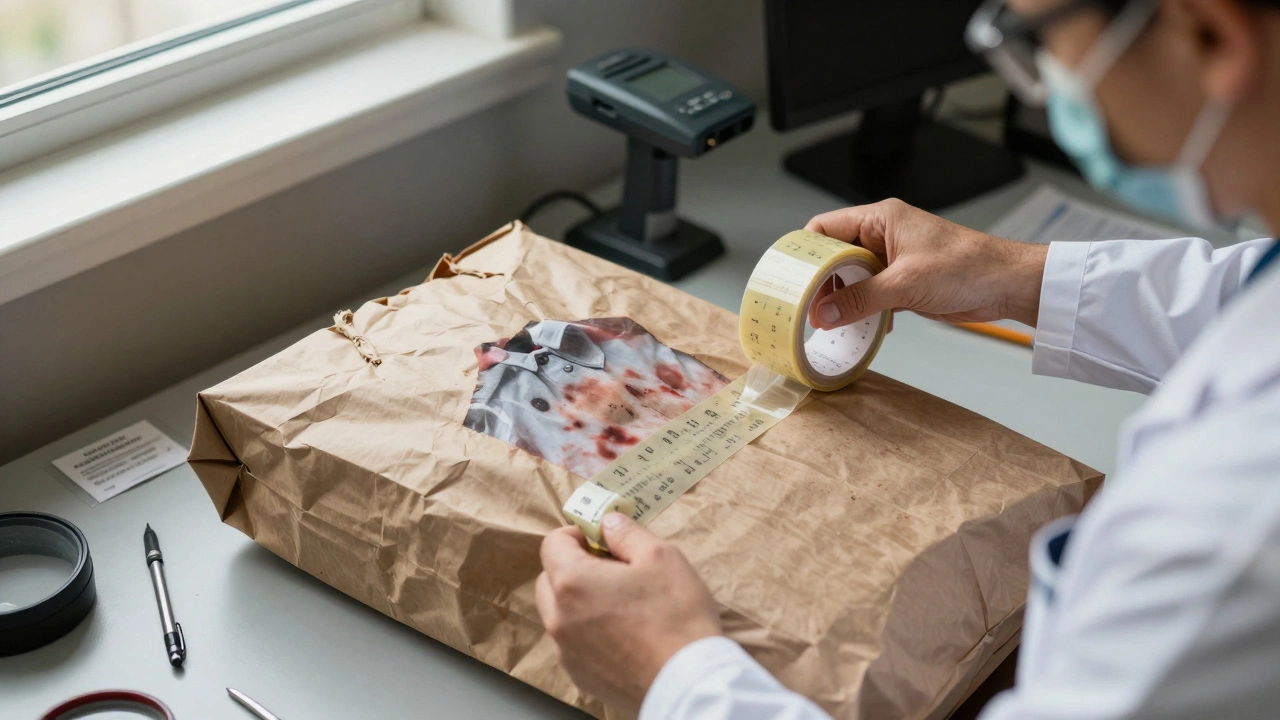
Evidence Packaging Materials: How to Choose the Right Containers for Forensic Integrity
- By : Ian Brophy
- Date : Feb 21 2026
Choosing the right evidence containers isn't optional-it's essential for preserving forensic integrity. Learn how kraft paper, plastic bags, and cardboard boxes must be selected, sealed, and labeled to maintain chain of custody and ensure courtroom admissibility.