When a violent death happens in a home, apartment, or business, the visible damage is only part of the problem. What you can’t see - the blood, tissue, bodily fluids, and airborne pathogens - is far more dangerous. Standard cleaning won’t cut it. This is where crime scene cleanup comes in. It’s not janitorial work. It’s a highly regulated, scientifically driven process designed to eliminate life-threatening biohazards and restore a space to safe, livable conditions.
It Starts with an Assessment
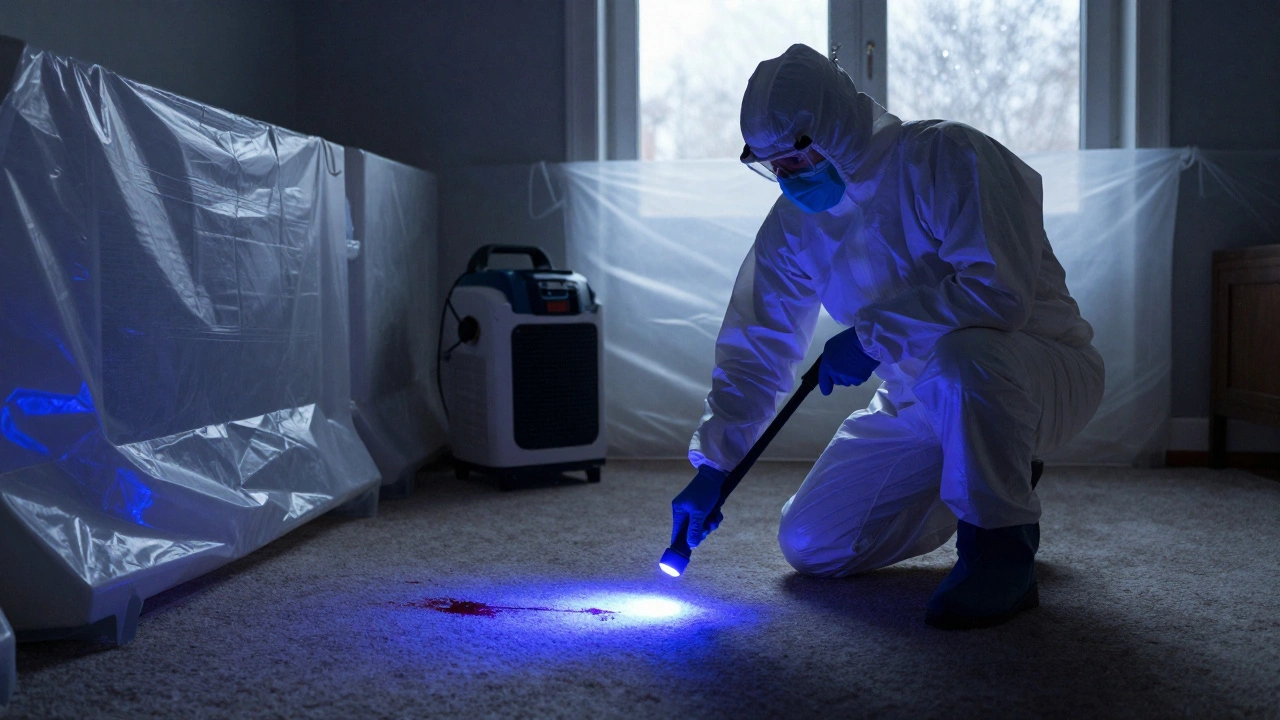
Every homicide cleanup begins with a detailed scene evaluation. Professionals don’t just walk in and start mopping. They first map out the entire area, noting where fluids pooled, where tissue was scattered, and which surfaces absorbed contamination. A single gunshot can spray blood across multiple rooms. A prolonged incident might leave decomposition fluids soaking into drywall, carpet padding, and even subflooring. Technicians use UV lights, moisture meters, and air sampling tools to find hidden contamination. Without this step, you risk leaving behind invisible threats that can linger for months.Containment Is Non-Negotiable
Once the assessment is done, the team sets up physical barriers. Plastic sheeting seals off doorways, HVAC vents are shut down, and negative air machines with HEPA filters run continuously. This isn’t about keeping people out - it’s about stopping contaminants from spreading. One misplaced step, one unsealed vent, and you could contaminate an entire building. Signs are posted to warn others. Only authorized personnel with full PPE are allowed inside. The goal is to isolate the hazard like a surgical suite.Personal Protective Equipment (PPE) Isn’t Optional
Technicians wear full-body suits, N95 respirators or P100 masks, double gloves, goggles, and waterproof boots. This gear isn’t for show. Bloodborne pathogens like HIV, Hepatitis B, and Hepatitis C can survive on surfaces for days. A tiny cut, a splash to the eye, or even inhaling aerosolized particles can lead to infection. OSHA requires this level of protection for any worker handling blood or bodily fluids. Many companies train their teams in OSHA 29 CFR 1910.1030 standards - the same rules that apply in hospitals and labs.Removing the Contaminated Materials
Not everything can be cleaned. Some materials are too porous to ever be fully decontaminated. Carpet, padding, drywall, insulation, ceiling tiles, mattresses, and upholstered furniture are almost always removed. Why? Because fluids soak deep - sometimes inches - into these materials. Even if the surface looks dry, pathogens remain trapped inside. The cleanup team cuts out affected sections carefully, rolls them into heavy-duty biohazard bags, and seals them shut. All removed items are labeled, documented, and tagged for disposal. Anything that can’t be fully sanitized is treated as medical waste.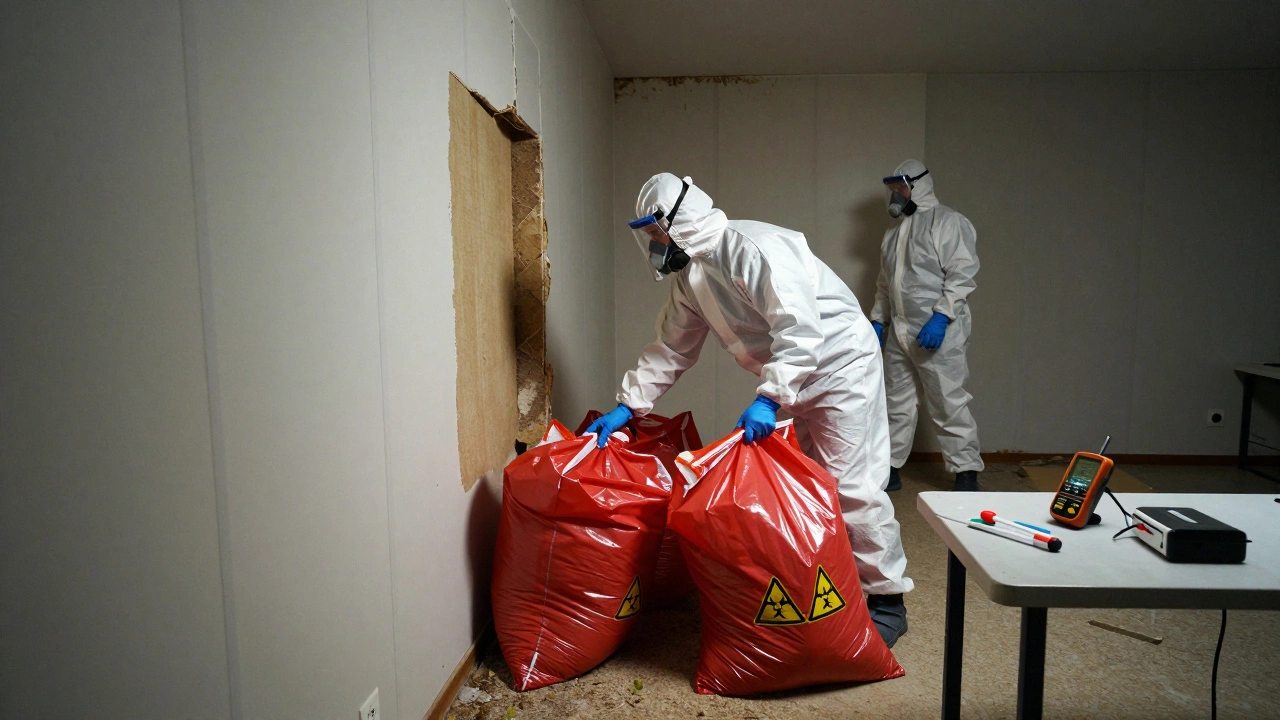
Cleaning and Disinfection: Two Steps, Not One
After removal, the remaining surfaces get a two-phase treatment. First, they’re cleaned with enzymatic detergents that break down organic matter. You can’t disinfect a dirty surface - it’s like trying to sterilize a muddy sock. Once the grime is gone, technicians apply EPA-registered hospital-grade disinfectants. These aren’t your average store-bought sprays. They’re approved to kill specific pathogens like Hepatitis B, HIV, and C. The disinfectant must remain wet on the surface for the time specified on the label - often 10 minutes - to be effective. Afterward, ATP testing is done: swabs are taken and scanned with a handheld device that detects biological residue. If the reading is above safe thresholds, they clean again.Odor Removal: The Invisible Remnant
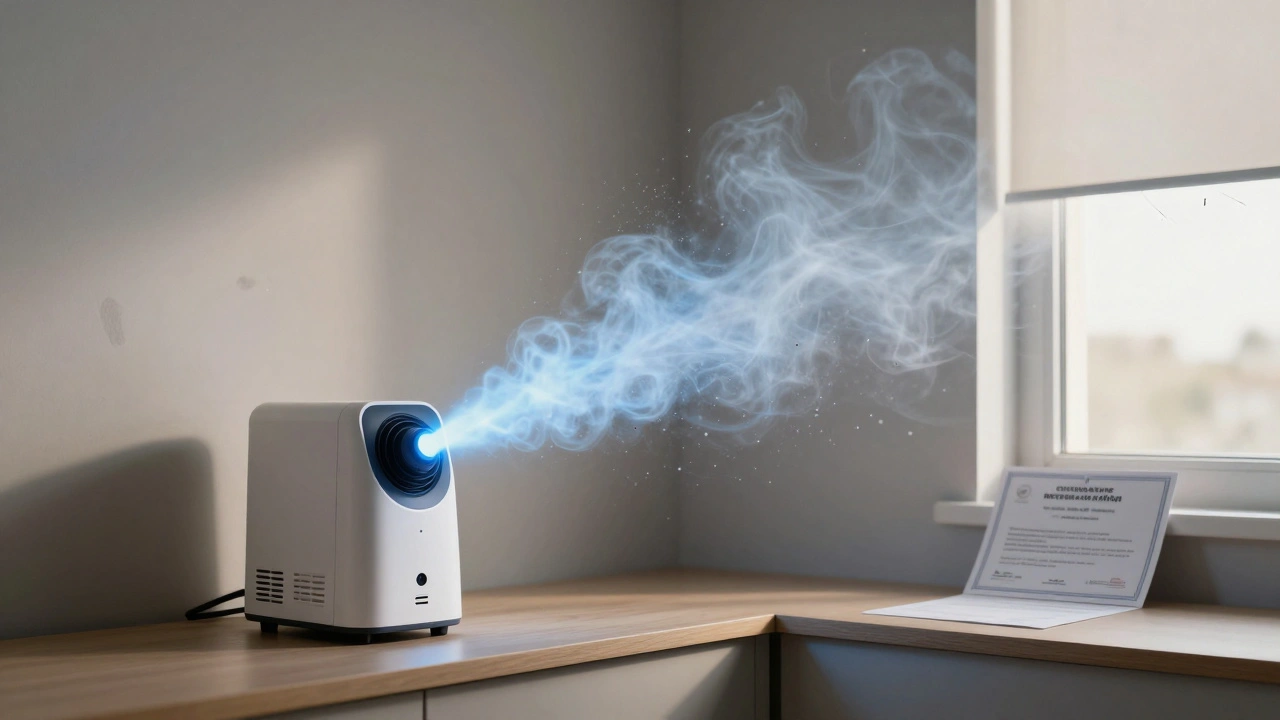
Even after cleaning, lingering odors can haunt a space. Decomposition, blood, and bodily fluids release volatile compounds that stick to walls, fabrics, and ventilation systems. Standard air fresheners don’t touch these smells. That’s where ozone generators and hydroxyl technology come in. Ozone breaks down odor molecules at the molecular level. Hydroxyls, which occur naturally in sunlight, are replicated in machines to neutralize airborne contaminants without leaving residue. These systems run for hours - sometimes days - depending on the severity. The goal isn’t just to mask the smell, but to eliminate it completely.Disposal: It’s a Legal Minefield
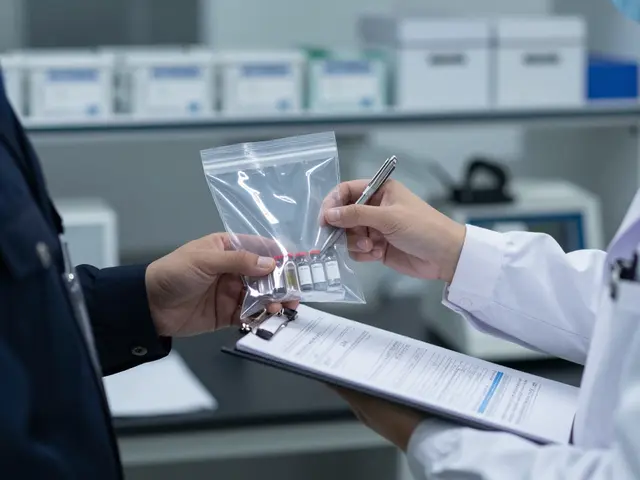
Biohazard waste can’t go in the regular trash. It must be double-bagged in red biohazard containers, labeled with the generator’s info, and transported by licensed haulers to medical incinerators. Disposal records are kept for years. If a company disposes of this waste improperly - even accidentally - they can face fines up to $100,000 per violation under EPA and OSHA rules. All PPE used during cleanup is also treated as hazardous waste. This isn’t just about safety - it’s about legal compliance. Many families don’t realize that improper cleanup can leave them liable.