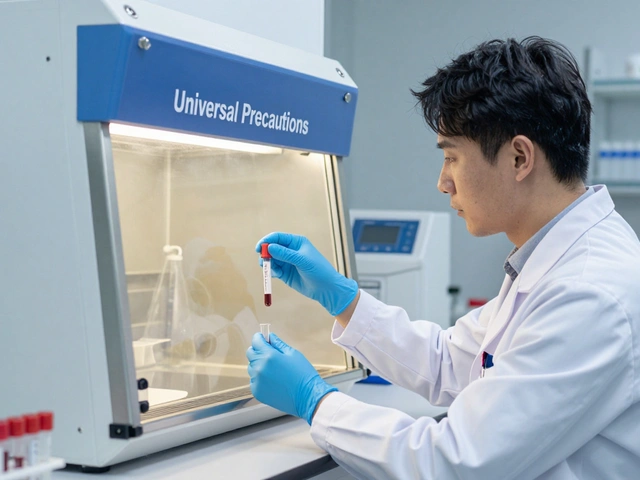
Behind the Crime Scene - Page 5

Academic Forensics: Teaching and Research Opportunities in 2026
- By : Ian Brophy
- Date : Sep 7 2026
Explore academic forensics careers blending teaching and research. Discover pathways from adjunct instructor to tenured professor, key research areas like DNA and digital forensics, and realistic salary expectations. Learn how practical experience boosts academic hiring chances.
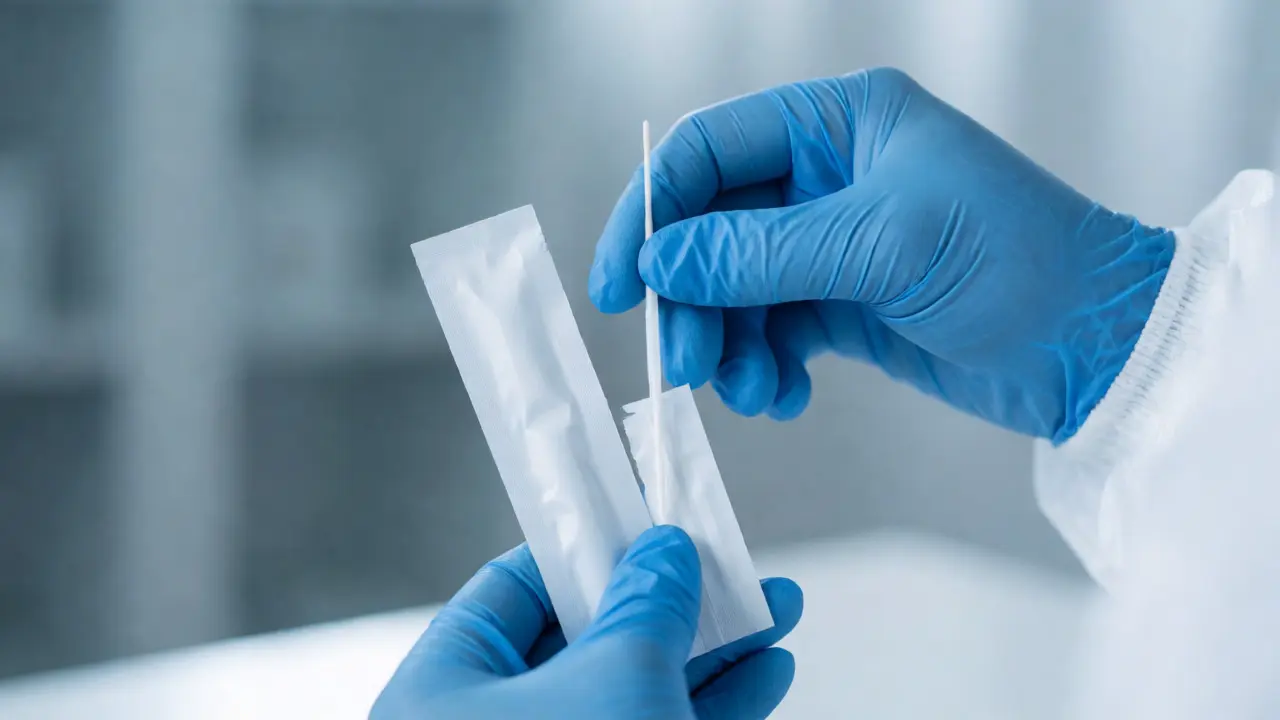
Biological Swab Collection: Single-Use and Air-Drying Protocols
- By : Ian Brophy
- Date : Sep 7 2026
Master biological swab collection with strict single-use protocols and proper air-drying techniques. Learn how moisture control and contamination prevention protect DNA integrity in forensic evidence.
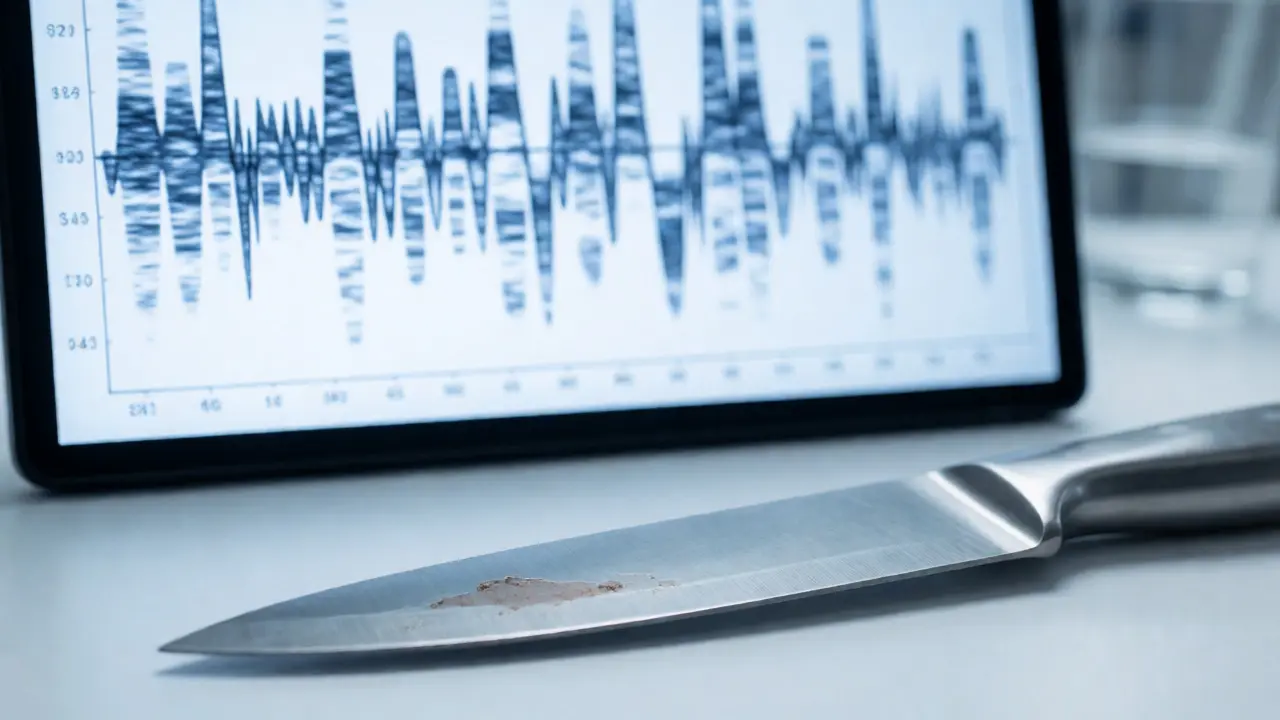
Mixture Interpretation in Forensic DNA: A Guide to Deconvolution Methods
- By : Ian Brophy
- Date : Sep 7 2026
Discover how forensic scientists untangle complex DNA mixtures using deconvolution methods. Learn about probabilistic genotyping, key software tools like STRmix, and the role of likelihood ratios in modern criminal investigations.
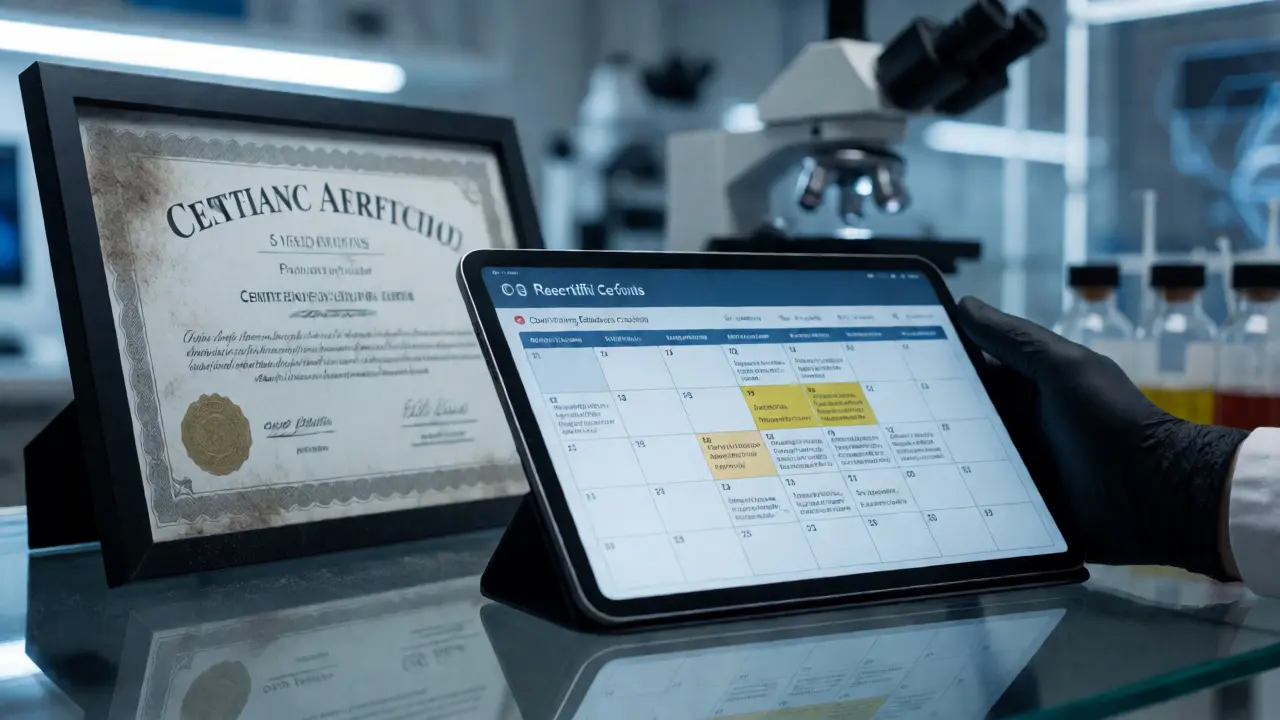
Certification Maintenance: CE Credits and Recertification for Forensic Professionals
- By : Ian Brophy
- Date : Sep 6 2026
Learn how to maintain forensic certifications through CE credits and recertification. Discover strategies for tracking hours, understanding board-specific rules, and avoiding common pitfalls.

Geo-Fencing and Alerts: How Digital Searches Find Missing Persons
- By : Ian Brophy
- Date : Sep 6 2026
Discover how geo-fencing technology revolutionizes missing persons searches. Learn how digital alerts, cell data, and virtual perimeters help law enforcement locate loved ones faster.
Dental and DNA Uploads: Integrating CODIS and NCIC for Missing Persons
- By : Ian Brophy
- Date : Sep 6 2026
Discover how dental records and DNA profiles in CODIS and NCIC databases help identify missing persons. Learn the workflow, challenges, and future of forensic integration.
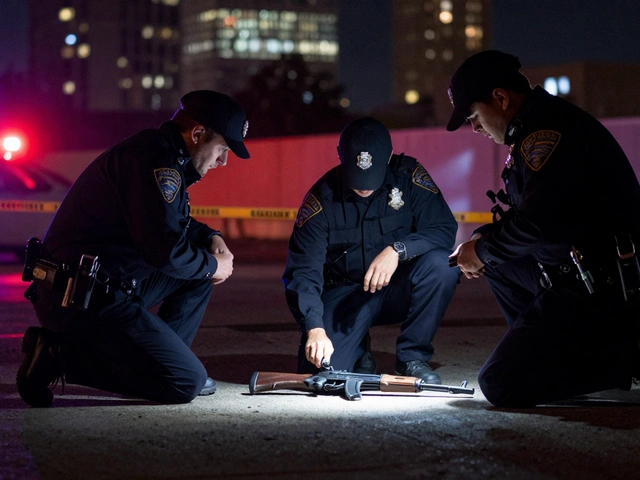
Firearm Maintenance Marks: A Guide to Identifying Weapon Condition
- By : Ian Brophy
- Date : Sep 5 2026
Learn to read firearm maintenance marks to assess weapon condition. Discover how barrel wear, finish patina, and wood grain reveal cleaning habits and potential safety issues.
NIBIN Leads: From Entry to Investigative Action
- By : Ian Brophy
- Date : Sep 5 2026
Discover how NIBIN transforms ballistic evidence into actionable intelligence. Learn the workflow from scanning cartridge cases to confirming matches and solving crimes.
Evidence Collection Sequence: Why Order Matters in Forensics
- By : Ian Brophy
- Date : Sep 5 2026
Discover why the evidence collection sequence is critical in forensics. Learn the golden rule of preserving fragile items first, common mistakes, and how proper ordering protects the chain of custody.

Search and Rescue Coordination: Land, Air, and Water
- By : Ian Brophy
- Date : Sep 4 2026
Discover how search and rescue teams coordinate land, air, and water efforts to find missing persons. Learn about ICS protocols, K9 units, drone tech, and volunteer management.
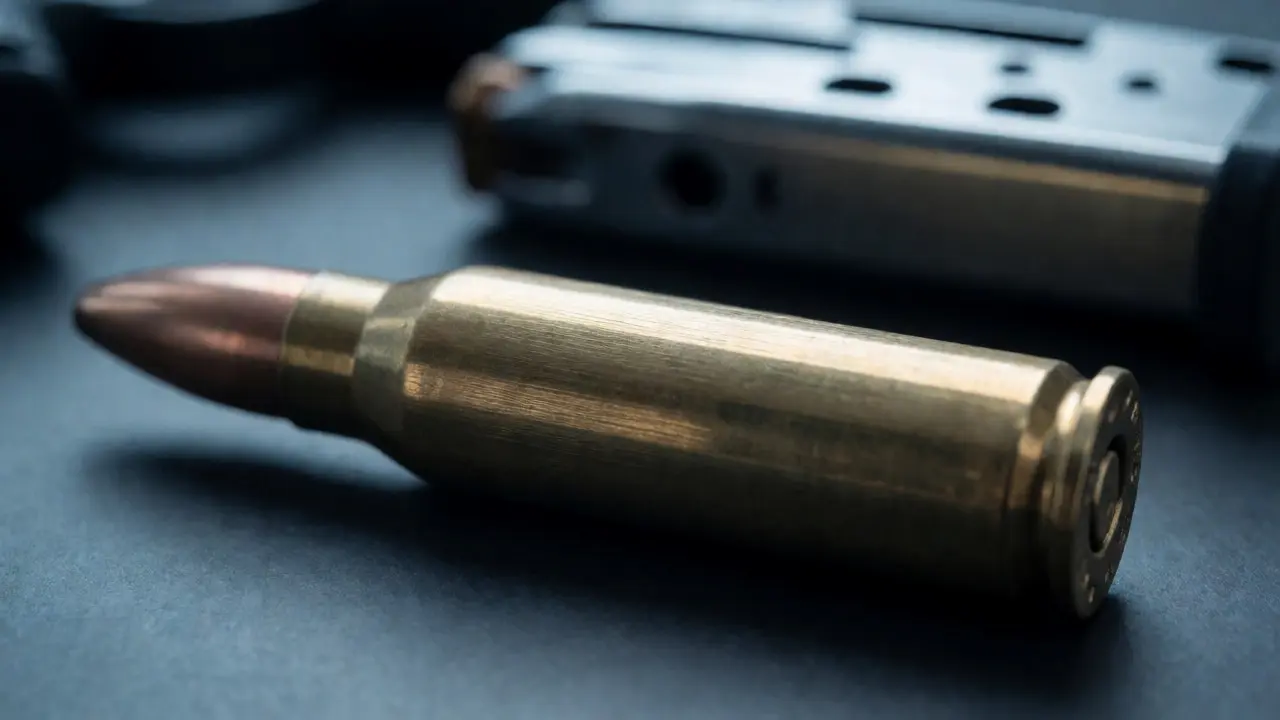
Magazine and Feed System Marks: Linking Firearms to Cases
- By : Ian Brophy
- Date : Sep 4 2026
Discover how magazine and feed system marks provide critical forensic links in firearm investigations. Learn how these unique wear patterns differentiate specific magazines and weapons, enhancing case resolution beyond traditional breech face analysis.
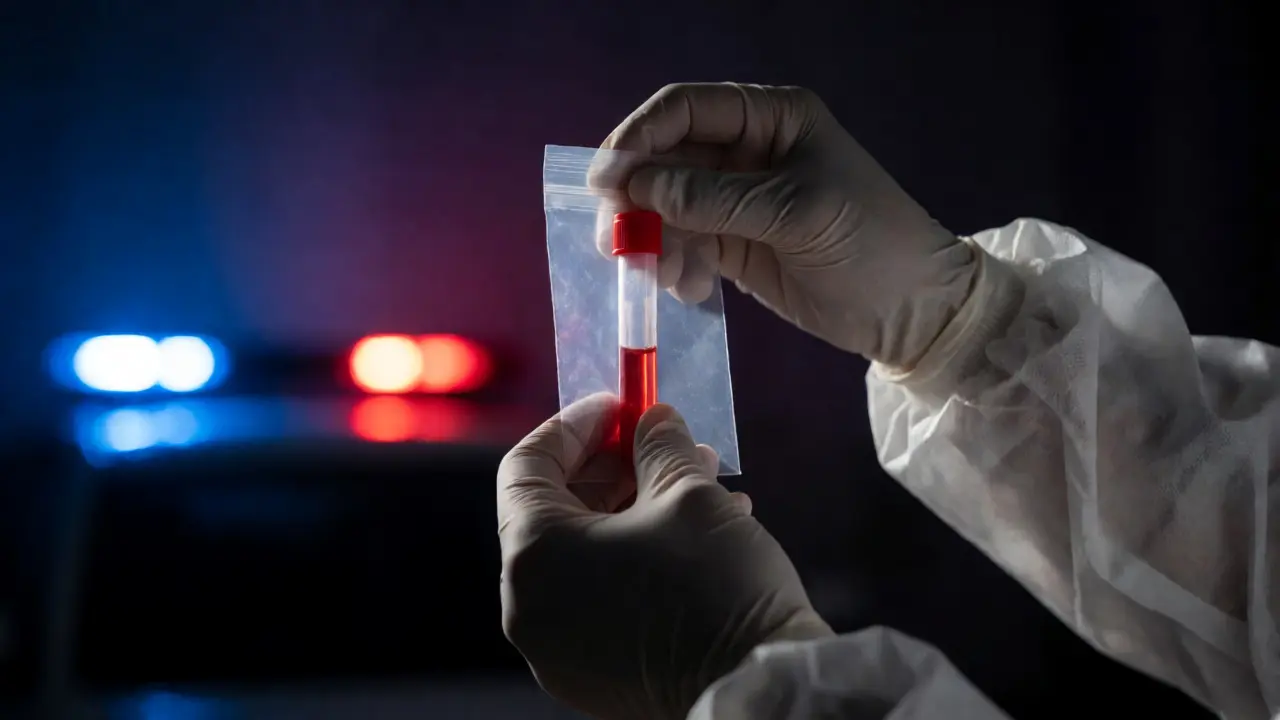
Chain of Custody Failures: Real Case Studies and Lessons
- By : Ian Brophy
- Date : Sep 4 2026
Discover how chain of custody failures impact legal cases. Learn from real examples like O.J. Simpson and understand best practices for evidence handling.